
The unexpected discovery of a chipped front tooth can evoke a range of emotions, from mild annoyance to significant self-consciousness. While the aesthetic impact is often the primary concern, the chipped tooth can also present functional challenges and, if left unaddressed, potential long-term oral health issues. For many, the immediate instinct is to find a discreet and effective way to conceal the imperfection, restoring confidence in their smile and overall appearance. This pursuit often leads individuals down a path of exploring various cosmetic dental solutions and temporary fixes, each with its own set of benefits, drawbacks, and crucially, cost implications. Understanding the financial landscape surrounding these options is paramount for making an informed decision that aligns with both aesthetic desires and budgetary constraints. This article delves into the monetary considerations of various methods to hide a chipped front tooth, providing a comprehensive overview to guide your investment in a flawless smile.
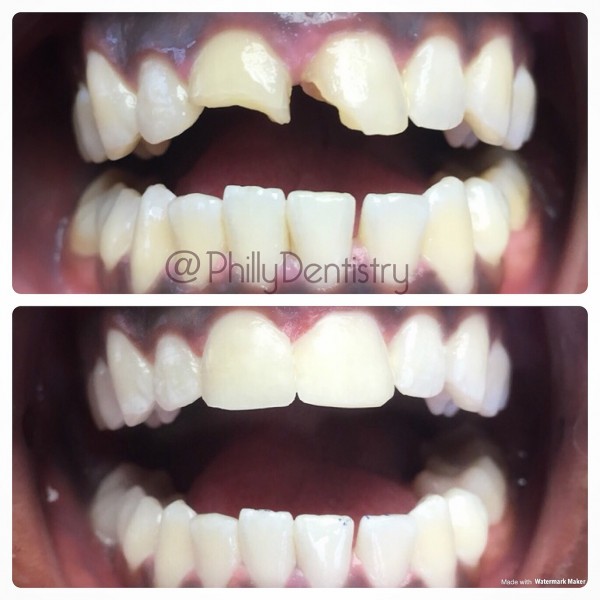
The Financial Spectrum of Concealing a Chipped Tooth
The cost associated with hiding a chipped front tooth can vary dramatically, influenced by the chosen method, the complexity of the dental work required, the materials used, and the geographical location of the dental practice. It’s essential to recognize that these are not merely cosmetic expenses but often investments in oral health and self-esteem. This section will break down the financial considerations for a range of popular solutions, from immediate, low-cost temporary measures to more permanent, albeit pricier, dental interventions.
Temporary Fixes: Quick and Affordable Solutions
When a chipped tooth presents itself unexpectedly, or when budget is a significant concern, temporary solutions offer an immediate, albeit short-term, respite. These options are generally accessible and do not require extensive dental procedures, making them a good starting point for many individuals.
Dental Wax and Bonding Agents
The most accessible and cost-effective temporary fix involves readily available dental wax or temporary tooth repair kits. These can be purchased online or at some pharmacies. Dental wax is a pliable material that can be molded to cover the chipped area, providing a smooth surface and a more uniform appearance. Temporary bonding agents, often included in DIY dental repair kits, utilize a resin-like material that hardens upon contact with air or moisture.
- Cost: A small container of dental wax or a basic DIY dental repair kit typically ranges from $10 to $30. These kits are designed for single or limited use.
- Pros: Extremely affordable, readily available, and can offer immediate cosmetic improvement.
- Cons: Not durable, can detach easily, may not perfectly match tooth color, and offers no structural support or long-term protection. The aesthetic outcome can be inconsistent.
- Financial Implication: This is a minimal financial outlay for a short-term solution. It’s a good option if the chip is very minor and you are awaiting a more permanent dental appointment.
Dental Implants (as a later, more permanent solution, but can be framed as a significant investment)
While not a direct “temporary fix,” it’s worth noting that if a chip is severe and leads to further complications requiring a replacement tooth, dental implants are the gold standard. However, the initial cost can be a significant barrier. This is a long-term investment with substantial financial implications, discussed more thoroughly in later sections.
- Cost: Dental implants are a substantial investment, with costs typically ranging from $3,000 to $6,000 per tooth, depending on the complexity of the case and the materials used.
- Pros: A permanent, natural-looking, and highly durable solution. They also help preserve jawbone density.
- Cons: High upfront cost, requires surgery, and a healing period.
- Financial Implication: This is the most significant financial commitment for tooth replacement, representing a long-term investment in oral health and aesthetics.
Semi-Permanent Solutions: A Balance of Cost and Longevity
For those seeking a more substantial improvement that lasts longer than temporary fixes but without the extensive commitment of full restorations, semi-permanent solutions offer a compelling middle ground. These methods involve professional dental application and provide a noticeable aesthetic upgrade.
Dental Veneers (Composite)
Composite veneers are a popular choice for masking chipped teeth, especially when the chip is not overly severe. These are thin shells made of a tooth-colored composite resin material that are bonded directly to the front surface of the chipped tooth. A dentist will carefully sculpt and shape the composite to match the surrounding teeth in color, size, and form, effectively covering the imperfection.
- Cost: Composite veneers are considerably more affordable than porcelain veneers. The cost per tooth typically ranges from $250 to $1,500. The price can vary based on the dentist’s expertise, the complexity of the application, and the materials used.
- Pros: Relatively affordable compared to porcelain veneers, can be applied in a single dental visit, and are reversible in some cases (though removal of enamel might occur). They offer a significant aesthetic improvement.
- Cons: May not be as durable or stain-resistant as porcelain veneers, can chip or wear down over time, and may require more frequent touch-ups. The color match might not be as precise as with porcelain.
- Financial Implication: This represents a moderate investment for a visible and long-lasting improvement. For multiple chipped teeth, the cost can escalate, making it important to consider dental insurance coverage or financing options.
Dental Bonding (Permanent)
While “bonding” can refer to temporary materials, professional dental bonding with composite resin is a more durable and permanent solution when performed by a dentist. This procedure involves etching the tooth’s surface and then applying a tooth-colored composite resin that is sculpted and hardened with a special light. It’s an effective way to repair chips, cracks, and even minor gaps.
- Cost: Professional dental bonding typically costs between $100 and $400 per tooth. This is one of the most cost-effective permanent cosmetic dental procedures available.
- Pros: Quick to apply, relatively inexpensive, blends well with natural tooth color, and the procedure is minimally invasive.
- Cons: Can chip or stain over time, especially with consumption of staining foods and beverages. It may not be as strong as porcelain veneers for larger chips or more structurally compromised teeth.
- Financial Implication: A cost-effective way to achieve a lasting fix for minor to moderate chips. The affordability makes it accessible to a broader range of budgets.
Permanent Restorations: The Highest Investment for Optimal Results
For significant chips, or when a more durable and aesthetically perfect result is desired, permanent dental restorations are the most effective, albeit most expensive, solutions. These are designed to last for many years and provide a natural appearance and full functionality.

Porcelain Veneers
Porcelain veneers are thin, custom-made shells of porcelain that are bonded to the front of the teeth. They are highly durable, stain-resistant, and can perfectly mimic the look of natural teeth. The process involves preparing the tooth, taking impressions, and then having the veneers fabricated in a dental laboratory.
- Cost: Porcelain veneers are a significant investment, with costs typically ranging from $800 to $2,000 per tooth. The price depends on the dentist’s experience, the laboratory fees, and the specific type of porcelain used.
- Pros: Extremely durable, stain-resistant, highly aesthetic, and can significantly improve the appearance of chipped, discolored, or misshapen teeth. They offer a natural-looking and long-lasting solution.
- Cons: This is a more expensive option, the procedure is irreversible (as some tooth enamel is removed), and they can still be damaged if not cared for properly.
- Financial Implication: This is a premium investment for a superior aesthetic and functional outcome. Many patients find the long-term benefits and the confidence boost justify the higher cost. It’s advisable to explore payment plans or dental financing if this is the chosen route.
Dental Crowns
A dental crown, often referred to as a “cap,” is a more comprehensive restoration that covers the entire visible portion of a tooth above the gum line. If a front tooth has a large chip that compromises its structural integrity, or if the chip is accompanied by significant decay or a fracture, a crown may be the most appropriate solution. Crowns are typically made from porcelain, ceramic, or porcelain fused to metal.
- Cost: The cost of a dental crown varies depending on the material and complexity, but generally ranges from $800 to $3,000 per tooth. Porcelain or ceramic crowns, which offer the best aesthetic match for front teeth, tend to be at the higher end of this spectrum.
- Pros: Provides excellent strength and durability, can restore a severely damaged tooth, offers a natural appearance (especially with all-ceramic options), and protects the underlying tooth structure.
- Cons: More invasive than veneers as it requires significant reshaping of the tooth. It’s also a more expensive option and requires professional fitting.
- Financial Implication: This is a substantial financial commitment, reflecting the extensive work and high-quality materials involved. For a chipped front tooth requiring a crown, this is an investment in restoring both the appearance and the fundamental function of the tooth for many years.
Navigating Dental Insurance and Financing
Understanding the financial burden of cosmetic dental work is only part of the equation. For many, exploring options for financial assistance, such as dental insurance and payment plans, is crucial for making these treatments accessible.
Dental Insurance Coverage for Chipped Teeth
The extent to which dental insurance covers treatments for chipped teeth can be complex and often depends on whether the chip is considered a medical necessity or a purely cosmetic enhancement. Generally, dental insurance is more likely to cover treatments that are deemed medically necessary, such as repairs to prevent further damage, alleviate pain, or restore function.
- Medical Necessity vs. Cosmetic: If a chipped tooth is causing pain, sensitivity, or is at high risk of further breakage or infection, insurance providers may classify the treatment as medically necessary. This often applies to more substantial chips requiring bonding, crowns, or even root canals if the pulp is exposed. Purely aesthetic concerns, like a minor chip that doesn’t affect function, are less likely to be covered.
- Types of Procedures Covered: Basic restorative procedures like simple composite bonding for functional reasons might have some coverage. However, elective cosmetic procedures like porcelain veneers or purely aesthetic composite bonding are rarely covered by standard dental insurance plans. Some specialized cosmetic insurance plans might exist, but they are less common.
- Deductibles and Co-pays: Even for covered procedures, patients are typically responsible for deductibles and co-pays. Understanding the specific details of your dental insurance policy is essential. Reviewing your plan documents or speaking directly with your insurance provider can clarify what is and isn’t covered for your specific situation.
- Pre-authorization: For significant procedures, it’s often advisable to seek pre-authorization from your insurance company. This ensures that they have reviewed the proposed treatment and have approved coverage before the work begins, preventing unexpected financial surprises.
Payment Plans and Financing Options
For many individuals, the cost of advanced dental procedures can be a significant barrier. Fortunately, various financing options can help make these treatments more manageable.
- Dental Office Payment Plans: Many dental practices offer in-house payment plans. These typically involve breaking down the total cost into several monthly installments, often with no interest if paid within a specified period. Discussing these options with your dentist’s administrative staff is a good first step.
- Third-Party Financing: Specialized dental financing companies, such as CareCredit or LendingClub, offer loans specifically for healthcare procedures. These companies often provide flexible repayment terms and can offer interest-free periods if the balance is paid within a promotional timeframe. Applying for these loans is usually straightforward and can be done online.
- Credit Cards: For smaller procedures or if you have a good credit score and can pay off the balance quickly, using a credit card can be an option. Some credit cards offer rewards or introductory 0% APR periods, which can be beneficial if managed wisely.
- Health Savings Accounts (HSAs) and Flexible Spending Accounts (FSAs): If you have an HSA or FSA through your employer, these pre-tax dollars can often be used to pay for qualified dental expenses, including many cosmetic procedures. Check with your employer or plan administrator for specifics.
- Financial Planning: Before committing to a treatment, it’s wise to create a personal financial plan. This involves understanding your current budget, identifying areas where you can save, and determining how a dental procedure fits into your overall financial goals. Seeking advice from a financial advisor can also be beneficial.
Long-Term Financial Considerations and Preventive Measures
While the initial cost of repairing a chipped tooth is a primary concern, considering the long-term financial implications and investing in preventive measures can save money and oral health in the future.
Durability and Maintenance Costs
The choice of treatment directly impacts its longevity and the associated maintenance costs over time. More durable, high-quality restorations, while having a higher upfront cost, often prove more cost-effective in the long run by requiring fewer repairs or replacements.
- Temporary Fixes: These are cheap initially but require frequent reapplication and do not prevent further damage. The cumulative cost of repeated temporary fixes can outweigh the cost of a more permanent solution over time.
- Composite Bonding: Generally lasts 5-7 years and may require touch-ups or reapplication. The cost of re-bonding is less than the initial procedure but still adds up.
- Porcelain Veneers: With proper care, porcelain veneers can last 10-15 years or even longer. While the initial investment is higher, their longevity often makes them a more cost-effective choice compared to repeatedly repairing composite bonding.
- Dental Crowns: Crowns are designed to last 15-20 years or more. Their robust nature and protective qualities mean fewer additional dental interventions are usually needed for the restored tooth.

Preventive Strategies for Avoiding Future Chips
The most financially prudent approach to chipped teeth is to prevent them from occurring in the first place. Investing in preventive strategies can safeguard your smile and avoid significant dental expenses down the line.
- Mouthguards: If you participate in contact sports or activities that pose a risk of dental trauma, wearing a custom-fitted mouthguard is essential. Custom guards are more effective and comfortable than over-the-counter options and can be a relatively inexpensive investment compared to repairing a chipped tooth. The cost for a custom mouthguard typically ranges from $100 to $300.
- Nightguards: For individuals who grind or clench their teeth (bruxism) during sleep, a nightguard is crucial. Bruxism can put immense pressure on teeth, leading to chips, fractures, and wear. A custom-fitted nightguard can prevent this damage. Similar to mouthguards, they can cost between $100 and $300.
- Dietary Habits: Consuming hard foods (like ice, hard candies, or nuts), biting down on utensils, or using teeth as tools can lead to chipping. Being mindful of these habits and opting for softer foods when possible can significantly reduce the risk. This is a behavioral change with no direct financial cost.
- Regular Dental Check-ups: Routine dental visits (every six months) allow your dentist to identify early signs of enamel weakness, cracks, or decay that could lead to a chip. Early detection and intervention are often less expensive and less invasive than treating a fully chipped tooth. Regular check-ups typically cost between $100 and $200 per visit.
By understanding the financial spectrum of options, exploring insurance and financing, and prioritizing preventive care, individuals can make informed decisions about how to best address a chipped front tooth, ensuring a healthy, confident, and financially sound smile for the future.
aViewFromTheCave is a participant in the Amazon Services LLC Associates Program, an affiliate advertising program designed to provide a means for sites to earn advertising fees by advertising and linking to Amazon.com. Amazon, the Amazon logo, AmazonSupply, and the AmazonSupply logo are trademarks of Amazon.com, Inc. or its affiliates. As an Amazon Associate we earn affiliate commissions from qualifying purchases.