
In the rapidly evolving landscape of digital commerce, the efficiency and security of financial transactions are paramount. For both consumers seeking convenience and businesses aiming for growth, the mechanisms by which money changes hands online can significantly influence outcomes. Among the various digital payment solutions, Shop Pay has emerged as a prominent player, particularly within the Shopify ecosystem. But beyond its technical functionality, understanding “what Shop Pay” truly entails requires a comprehensive look into its profound financial implications for individuals and enterprises alike. This article explores Shop Pay not merely as a payment gateway but as a strategic financial tool that redefines the online shopping experience, impacts personal finance decisions, and drives business profitability.

The Core Functionality: Streamlining Digital Transactions
At its heart, Shop Pay is designed to simplify and accelerate the online checkout process. It’s a digital wallet integrated directly into a merchant’s store, powered primarily by Shopify. However, its reach extends beyond pure Shopify merchants, offering a fast and secure way for customers to complete purchases across a growing network of online retailers. The financial impact of this streamlined approach is immediate and far-reaching, affecting everything from transaction speed to consumer spending habits and merchant revenue.
For the Consumer: Effortless Checkout and Financial Convenience
From a personal finance perspective, Shop Pay offers a tangible benefit: time savings. Once a customer opts into Shop Pay and saves their shipping and billing information – including credit/debit card details – future purchases become remarkably swift. A one-time verification via SMS to their mobile device authenticates their identity, and then, with a single click, their order is placed. This elimination of repetitive data entry not only reduces friction but also curtails the likelihood of errors, contributing to a smoother financial transaction.
The convenience factor extends beyond just speed. For many, remembering complex credit card numbers, expiry dates, and billing addresses can be a hassle, especially when shopping on mobile devices. Shop Pay centralizes this information securely, offering a consistent, reliable financial experience across different online stores. This ease of use can subtly influence purchasing decisions, making consumers more inclined to complete a transaction when they know the checkout process will be seamless and secure. In an age where attention spans are short, the ability to make a quick, confident purchase without financial friction is invaluable, indirectly impacting how consumers manage their discretionary spending.
For the Merchant: Boosting Sales and Operational Efficiency
For businesses, Shop Pay is a potent financial instrument for revenue optimization. The direct correlation between checkout speed and conversion rates is well-documented: slower, more cumbersome checkouts lead to higher cart abandonment. By significantly reducing the steps involved in completing a purchase, Shop Pay directly tackles this challenge. Merchants utilizing Shop Pay often report higher conversion rates, meaning more visitors to their site turn into paying customers, directly increasing their online income.
Beyond sales, Shop Pay also contributes to operational efficiency. By minimizing manual input errors from customers, it can reduce the incidence of shipping discrepancies and payment processing issues, which can be costly in terms of customer service time and potential returns. Moreover, the robust fraud detection capabilities built into Shop Pay help protect merchants from financial losses due to fraudulent transactions, a critical concern in the e-commerce world. The cumulative effect is a healthier financial bottom line for businesses, allowing them to allocate resources more effectively towards product development, marketing, or expansion rather than troubleshooting payment-related issues.
Shop Pay’s Impact on Online Income and Business Finance
The true financial prowess of Shop Pay for businesses lies in its ability to directly influence key performance indicators related to online income. It’s not just a payment method; it’s a strategic component of an e-commerce financial strategy designed to maximize revenue and minimize leakage.
Conversion Rate Optimization: Turning Browsers into Buyers
One of the most significant financial benefits of Shop Pay for merchants is its proven ability to boost conversion rates. Industry studies and Shopify’s own data often highlight that Shop Pay checkouts are significantly faster and have higher conversion rates compared to standard checkouts. This difference can translate into substantial increases in online income. If a business converts 2% of its visitors into buyers and Shop Pay helps increase that to 2.5%, for a store with 100,000 monthly visitors, that’s an additional 500 sales per month. Depending on the average order value, this can represent tens of thousands, or even hundreds of thousands, in additional revenue annually.
This optimization is critical for small businesses and startups looking to scale their online income without proportional increases in marketing spend. By making the most of existing traffic, Shop Pay acts as an internal growth lever, ensuring that marketing efforts translate more effectively into actual sales and improved business finance.
Reducing Cart Abandonment: Recapturing Lost Revenue
Cart abandonment is a pervasive and costly problem in e-commerce, representing billions of dollars in lost revenue annually. Consumers abandon carts for various reasons, including long checkout processes, unexpected costs, or simply losing patience. Shop Pay directly addresses the “long checkout” and “loss of patience” factors. The one-click checkout experience removes major psychological barriers that often lead to abandonment.
For merchants, every abandoned cart is a direct financial loss. By integrating Shop Pay, businesses effectively put a stronger safety net under their sales funnel, catching more potential buyers who might otherwise have dropped off. The reduction in abandonment means a higher percentage of potential revenue is actually realized, strengthening the merchant’s financial stability and growth prospects. This recapture of lost revenue is a powerful argument for the financial utility of Shop Pay.
Cost-Benefit Analysis for Merchants: Processing Fees vs. Increased Sales
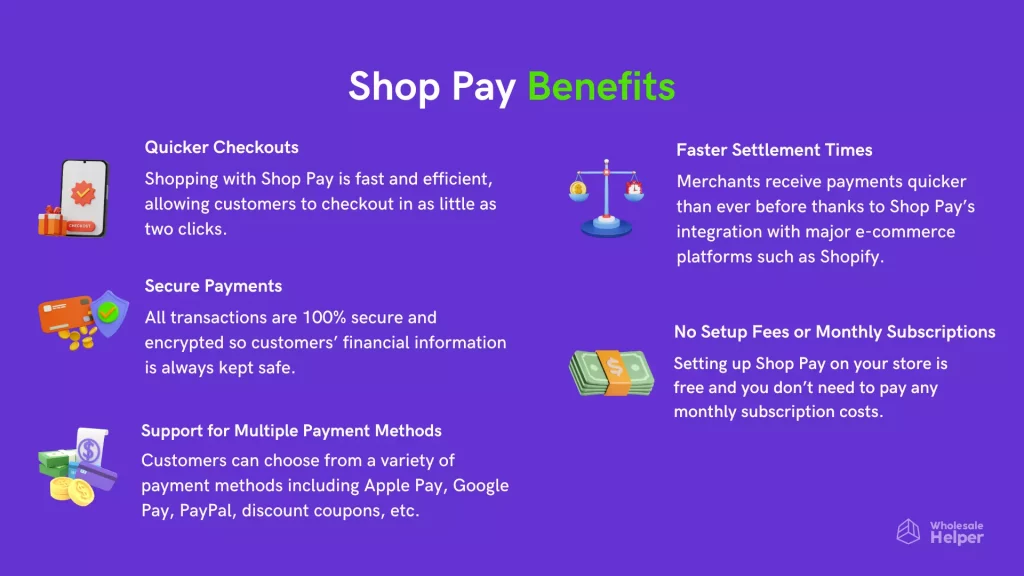
Like any payment processing service, Shop Pay involves transaction fees. These fees are typically in line with standard credit card processing rates, often slightly lower for Shopify Payments (which powers Shop Pay). For merchants, it’s essential to conduct a rigorous cost-benefit analysis. While there are processing fees, the financial gains from increased conversion rates and reduced cart abandonment often far outweigh these costs.
Consider a scenario where a merchant pays 2.9% + $0.30 per transaction. If Shop Pay increases their conversion rate by 5-10%, the incremental revenue generated usually far surpasses the additional processing fees incurred. In essence, the fees are an investment in a more efficient and profitable sales process. Furthermore, for eligible merchants, Shop Pay Installments (discussed below) can also incur separate fees, but again, the increased accessibility and larger average order values often justify the cost by expanding the customer base and boosting overall sales volume. From a business finance perspective, Shop Pay should be viewed as a tool that optimizes the cost of customer acquisition and conversion, leading to a net positive financial impact.
Personal Finance and the Shop Pay Experience
Beyond the direct act of payment, Shop Pay also interfaces with broader aspects of personal finance, influencing how consumers perceive security, manage large purchases, and value their time.
Secure Payments and Data Protection: Protecting Your Money
Security is a paramount concern for consumers engaging in online financial transactions. Shop Pay addresses this by adhering to stringent security standards, including PCI DSS compliance. All payment information is encrypted and stored on Shopify’s PCI-compliant servers. For consumers, this means their sensitive financial data is not stored directly on multiple merchant websites, reducing their exposure to potential breaches across various platforms. The two-factor authentication via SMS for new devices adds an extra layer of security, providing peace of mind that their money and financial identity are well-protected.
From a personal finance perspective, this robust security helps prevent financial fraud, which can be incredibly disruptive and costly for individuals. Knowing that a payment method is secure can also encourage more confident spending online, as the risk of personal financial compromise is minimized. This psychological comfort is a subtle but significant factor in consumer financial behavior in the digital realm.
Managing Purchases with Installment Options (Shop Pay Installments)
A particularly impactful feature for personal finance is Shop Pay Installments, which allows customers to split their purchase into four interest-free bi-weekly payments for orders between $50 and $1,000. This “buy now, pay later” (BNPL) option, powered by Affirm, provides consumers with greater financial flexibility, especially for larger purchases that might otherwise strain their immediate budget.
This feature enables consumers to manage their cash flow more effectively, making more expensive items more accessible without resorting to traditional credit cards that often come with high interest rates. While it’s crucial for consumers to use such services responsibly to avoid overspending, Shop Pay Installments can be a valuable tool for budgeting and making necessary purchases without immediate financial burden. For merchants, this means increased average order values and a broader customer base, as consumers who might have deferred a purchase due to cost constraints can now proceed. It bridges a financial gap, turning potential lost sales into completed transactions, benefiting both buyer and seller.
The Convenience Factor: Time as a Financial Asset
While often overlooked in direct financial analyses, time is increasingly recognized as a valuable personal asset. The seconds or minutes saved during a Shop Pay checkout might seem trivial individually, but cumulatively, they represent significant time efficiency. For individuals with busy lives, this saved time can be allocated to other productive or enjoyable activities. In a broader sense, by reducing friction and cognitive load, Shop Pay contributes to a less stressful and more efficient personal financial ecosystem online. This indirect financial benefit, though not quantifiable in dollar figures, enhances the overall quality of the online shopping experience and reinforces the value of seamless digital interactions.
Strategic Advantages in the E-commerce Financial Landscape
Shop Pay’s financial impact also extends to its strategic positioning within the broader competitive landscape of e-commerce payment solutions. It’s not just about what it does today, but how it shapes the future of online financial transactions.
Competing with Traditional Payment Gateways
Shop Pay offers a distinct competitive advantage over many traditional payment gateways. While PayPal, Stripe, and others offer robust solutions, Shop Pay’s deep integration with Shopify gives it a unique edge within the vast Shopify merchant ecosystem. For these businesses, Shop Pay is often the most optimized and seamlessly integrated option, leading to superior performance metrics. Its brand recognition, particularly among frequent online shoppers, also helps build trust and familiarity, which are crucial financial assets in the digital space.
As more merchants outside of Shopify adopt it, Shop Pay is poised to challenge incumbents more broadly, pushing the entire industry towards faster, more secure, and more convenient checkout experiences. This competitive pressure ultimately benefits both consumers, who get better financial tools, and businesses, who are forced to innovate to stay competitive.

Future Trends: Shop Pay’s Role in a Cashless Economy
The trajectory of global finance is unmistakably towards a cashless, digitally-driven economy. Shop Pay is positioned squarely within this trend, offering a glimpse into the future of transactional finance. Its continued evolution, potentially integrating more financial services, loyalty programs, and even blockchain technologies, could cement its role as a fundamental pillar of online commerce. As mobile shopping continues to dominate, the importance of quick, secure, and mobile-optimized payment solutions like Shop Pay will only grow.
For businesses, aligning with such forward-thinking financial tools is a strategic move, ensuring they remain relevant and competitive in a rapidly changing market. For consumers, it means continued access to efficient and secure ways to manage their money and make purchases in an increasingly digital world. Shop Pay is more than just a payment button; it’s a testament to how intelligent financial tools can profoundly enhance the economic interactions between consumers and businesses, driving growth and convenience in equal measure.
aViewFromTheCave is a participant in the Amazon Services LLC Associates Program, an affiliate advertising program designed to provide a means for sites to earn advertising fees by advertising and linking to Amazon.com. Amazon, the Amazon logo, AmazonSupply, and the AmazonSupply logo are trademarks of Amazon.com, Inc. or its affiliates. As an Amazon Associate we earn affiliate commissions from qualifying purchases.