
In the annals of professional sports, few numbers carry as much weight as 199. It was not a jersey number, nor a statistical record for touchdowns or yards. It was the slot in the 6th round of the 2000 NFL Draft where a lanky, seemingly unathletic quarterback from Michigan named Tom Brady was finally selected by the New England Patriots. While sports historians view this as the greatest draft steal of all time, brand strategists view it as something more profound: the ultimate origin story.
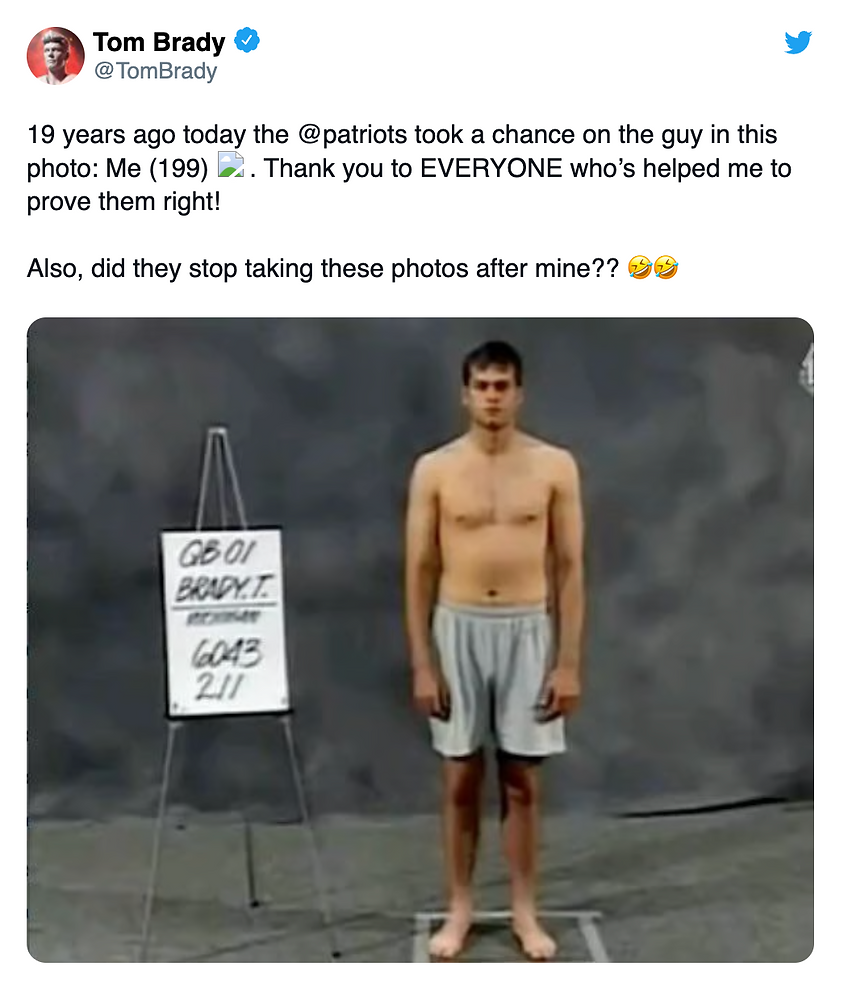
The question of what round Tom Brady was drafted in is more than just a piece of trivia; it is the cornerstone of a multi-decade masterclass in personal branding, corporate identity, and the strategic cultivation of a “GOAT” (Greatest of All Time) persona. By analyzing Brady’s journey through the lens of brand strategy, we can uncover how a low-value entry point can be transformed into a premium, global powerhouse.
The Foundation of the Underdog Brand: Embracing the 199th Position
Every iconic brand needs a narrative. For Nike, it is the spirit of the inner athlete. For Apple, it is the “Think Different” rebel. For Tom Brady, the brand foundation was built on the perceived “failure” of the 2000 NFL Draft. By being overlooked by every team—multiple times—Brady was handed a narrative gift: the underdog story.
Redefining Early Impressions and Narrative Control
In branding, the “Origin Story” dictates how the public perceives your subsequent success. Had Brady been the first overall pick, his success would have been expected, making his brand one of “fulfillment.” Instead, because he was a 6th-round pick, his brand became one of “defiance.”
Brady and his team leaned into this. Even twenty years later, Brady could recite the names of the six quarterbacks taken before him. From a brand strategy perspective, this is called “narrative anchoring.” He anchored his identity to the 199th pick, ensuring that every Super Bowl win and every record broken was viewed through the lens of someone who was told he wasn’t good enough. This creates a powerful emotional resonance with consumers, as the underdog story is universally relatable.
The Power of the “Chip on the Shoulder” Strategy
In corporate branding, companies often position themselves against a “common enemy” or a “status quo.” For Brady, the status quo was the scouting report that labeled him as lacking mobility and arm strength. By internalizing the 6th-round draft status, he created a brand of “perpetual improvement.”
This “chip on the shoulder” became a marketable trait. It signaled to fans and corporate partners that this was a brand built on work ethic rather than just raw talent. In the world of personal branding, “relatable effort” is often more valuable than “untouchable genius” because it invites the audience to follow the journey.
Strategic Brand Expansion: The TB12 Methodology and Performance Lifestyle
As Brady’s career progressed from a 6th-round anomaly to a consistent champion, his brand required evolution. A brand cannot stay an underdog forever once it starts winning everything. Brady successfully transitioned his identity from the “ignored draft pick” to the “architect of longevity.” This shift was crystallized in the creation of the TB12 brand.
Turning Personal Habits into Scalable Corporate Identity
The TB12 brand is a textbook example of vertical brand integration. Brady didn’t just endorse a product; he productized his lifestyle. By focusing on pliability, nutrition, and mental toughness, he moved the “Tom Brady” brand out of the stadium and into the consumer’s daily life.
What started as a 6th-round pick’s quest to keep his job became a holistic wellness system. This allowed the brand to survive beyond the football field. When a consumer buys TB12 electrolytes or a recovery sleep shirt, they aren’t just buying a product; they are buying a piece of the “longevity” brand that allowed a 45-year-old to compete in a young man’s game.
Consistency as a Brand Pillar
The most valuable brands in the world—Coca-Cola, Hermès, Rolex—all share one trait: consistency. Brady’s brand identity is rooted in his unwavering routine. In a world of flashy, mercurial athletes, Brady positioned himself as the “Reliable Elite.” This consistency mirrors his draft story; he was the player who stayed after practice because he remembered being pick 199. By maintaining a singular, focused public image for over two decades, he built a level of brand equity that is rarely seen in professional sports.

Leveraging Authority and Longevity for Corporate Partnerships
A 6th-round draft pick usually struggles to land local car dealership commercials. A seven-time Super Bowl champion, however, can choose his partners with surgical precision. As Brady’s “Brand Value” skyrocketed, his approach to partnerships changed, moving away from simple endorsements toward strategic alignments.
Selectivity and the Premium Brand Alignment
As the “GOAT” narrative took hold, Brady’s brand moved into the “Luxury” and “Performance” categories. His partnerships with brands like IWC Schaffhausen (luxury watches), Hertz (reliability and speed), and UGG (comfort and lifestyle) were not accidental. Each partnership was chosen to reinforce a specific facet of his persona.
IWC reinforced the “precision” and “timelessness” of his career. Hertz utilized his celebrity to signify a “gold standard” of service. This is the hallmark of a mature brand: the ability to transfer your brand equity to another company in a way that feels organic. Brady went from being a 6th-round “budget” asset to a “premium” brand ambassador who commands eight-figure deals.
Transitioning from Athlete to Executive Influencer
The final stage of the Brady brand evolution is the transition from the field to the boardroom and the broadcast booth. His record-breaking deal with FOX Sports and his various business ventures (including 199 Productions, named after his draft slot) signify a shift into the “Executive Influencer” space.
By naming his production company “199 Productions,” he effectively closed the loop on his brand story. He took the moment of his greatest professional slight—being drafted in the 6th round—and turned it into a corporate entity. This is the ultimate move in personal branding: owning your narrative so completely that even your “low points” become profitable assets.
Lessons in Personal Branding: What Professionals Can Learn from the 6th Round
The story of Tom Brady’s draft position is not just for sports fans; it offers vital lessons for any professional or business looking to build a lasting brand. It proves that your “market entry price” does not dictate your “market cap.”
It’s Not Where You Start, It’s How You Iterate
In the tech and business world, we often talk about the Minimum Viable Product (MVP). In 2000, Tom Brady was the NFL’s version of an MVP—not a “Most Valuable Player,” but a “Minimum Viable Prospect.” He had just enough talent to get a foot in the door.
However, the Brady brand teaches us that constant iteration is the key to market dominance. He changed his mechanics, his diet, his media presence, and his business strategy every single year. A brand that stands still dies; a brand that iterates, even from a 6th-round starting position, can eventually own the market.
Investing in Your Greatest Asset: Yourself
Perhaps the most significant aspect of the Brady brand is the concept of “Self-Investment.” Brady famously took lower salaries at various points in his career to ensure his team (his supporting brand infrastructure) remained competitive. He also invested millions into his own physical and mental maintenance.
For personal brands, this highlights the importance of reinvesting “capital” (whether time or money) back into the core product. Brady understood that his brand was only as strong as his performance. By prioritizing the “Product” (his play) over short-term “Profit” (maximum salary), he maximized his long-term “Brand Equity.”

Conclusion: The 199th Pick as a Permanent Brand Asset
When we ask “what round did Tom Brady get drafted,” we are really asking how a person can overcome the market’s initial valuation of their worth. Brady was valued as a 6th-round backup—a “commodity” player. Through deliberate brand positioning, narrative control, and relentless consistency, he transformed himself into a “Veblen good”—a luxury brand whose value only increases as he becomes more successful.
The Tom Brady story is the definitive case study in brand resilience. It proves that a brand’s origin does not have to be glamorous to be powerful. In fact, the grit of the 199th pick provided a more durable foundation than a 1st-round pedigree ever could. As Brady moves into the next chapter of his career, the “199” brand remains a testament to the idea that with the right strategy, you can rewrite your market value until you are no longer just a player in the game, but the gold standard of the industry.
aViewFromTheCave is a participant in the Amazon Services LLC Associates Program, an affiliate advertising program designed to provide a means for sites to earn advertising fees by advertising and linking to Amazon.com. Amazon, the Amazon logo, AmazonSupply, and the AmazonSupply logo are trademarks of Amazon.com, Inc. or its affiliates. As an Amazon Associate we earn affiliate commissions from qualifying purchases.