
In the competitive landscape of the global beverage industry, few products possess a brand identity as distinctive, nostalgic, and geographically rooted as root beer. While the average consumer may enjoy the creamy, effervescent, and herbal notes of a cold mug, the question of “what root makes root beer” serves as the foundation for one of the most fascinating case studies in brand evolution, regulatory adaptation, and sensory marketing.
At its inception, root beer was not a corporate product but a collection of indigenous recipes and colonial medicinal tonics. However, through strategic branding and the clever commodification of the sassafras plant, it transformed from a muddy-colored “small beer” into a multi-billion-dollar category. To understand root beer is to understand how a specific botanical “root” can be leveraged to create a lasting corporate identity.
The Botanical Origins as Brand Identity
The primary ingredient historically responsible for the flavor profile of root beer is the root bark of the Sassafras albidum tree, often supplemented by Smilax ornata (Sarsaparilla). In the late 19th century, the “root” was more than an ingredient; it was a promise of health, vitality, and authenticity.
From Medicinal Tonic to Social Staple
In the 1870s, a pharmacist named Charles Hires encountered a delicious herbal tea while on his honeymoon. Hires, a natural marketer, recognized that the “roots” of this drink—sassafras, wintergreen, and wild cherry bark—could be packaged as a commercial product. Initially, he intended to call it “Root Tea,” targeting the health-conscious Victorian public.
However, his branding strategy shifted when he realized that “Root Beer” would appeal more to the working-class demographic, particularly coal miners in Pennsylvania. By rebranding a medicinal tonic as a “beer,” Hires tapped into a cultural identity associated with refreshment and camaraderie, without the social stigma (or intoxication) of alcohol. This pivot is a classic example of market positioning: changing the name to align with the aspirations and habits of the target audience.
The Prohibition Pivot
Root beer’s brand identity was solidified during the American Prohibition era. As breweries were forced to shut down their alcohol production, they pivoted to “near beers” and soft drinks. Root beer, with its frothy head and dark complexion, became the perfect “legal” substitute. Brands like A&W, founded in 1919, capitalized on this by creating a drive-in culture that associated the drink with the burgeoning American automotive lifestyle. The “root” became a symbol of wholesome, family-friendly fun, a brand association that persists to this day.
Differentiating the “Root” in a Crowded Market
In the modern era, the “root” in root beer is no longer just a botanical fact—it is a point of differentiation. Because the FDA banned sassafras oil containing safrole in 1960 due to health concerns, companies had to reinvent their flavor profiles using laboratory-simulated flavors or safrole-free extracts. This forced a massive rebranding effort across the industry to maintain “authentic” taste while adhering to safety standards.
Barq’s vs. A&W: The Battle of Caffeine and Creaminess
The competitive landscape of root beer is defined by two distinct brand personalities. A&W positioned itself as the “creamy” root beer, emphasizing its smooth finish and its historical connection to the American drive-in. Their marketing focuses on nostalgia and the “frosty mug” experience.
Conversely, Barq’s—founded in 1898—took a different strategic route. Their slogan, “Barq’s Has Bite,” directly references the sharper, more spiced flavor profile that comes from a different balance of roots and the inclusion of caffeine (a rarity in the root beer category). By emphasizing the “bite,” Barq’s carved out a niche for a younger, more energetic consumer base, effectively segmenting the market based on the sensory perception of the “root” flavor.
Craft Positioning and the Artisanal Revival
The 21st century has seen a resurgence in “Craft Root Beer.” Brands like Virgil’s, Boylan, and Maine Root have moved away from high-fructose corn syrup and artificial flavorings, instead marketing their use of “real” roots, anise, licorice, and vanilla.

This is a premiumization strategy. By highlighting the complexity of their ingredients—often listing the specific roots sourced from around the world—these brands justify a higher price point. They are not just selling a soda; they are selling an artisanal experience. In this context, the “root” is a hallmark of quality and transparency, appealing to the “clean label” movement and consumers who value traditional craftsmanship over mass production.
Visual and Sensory Branding of Root Beer
A brand is not just a name; it is a sensory experience. Root beer brands have mastered the art of visual and tactile cues to signal their identity to the consumer long before the first sip is taken.
The Psychology of the Amber Bottle
Walk down any soda aisle and you will notice a trend: root beer is almost exclusively packaged in dark brown or amber glass bottles. This is a deliberate branding choice. The dark glass suggests a “brewed” heritage, mimicking the look of traditional ales and stouts. It communicates a sense of depth, richness, and earthiness—qualities inherent to a drink made from roots. For a brand, this packaging acts as a silent salesman, promising a robust flavor profile that clear-bottled citrus sodas cannot match.
Foam, Carbonation, and the “Mouthfeel” Brand
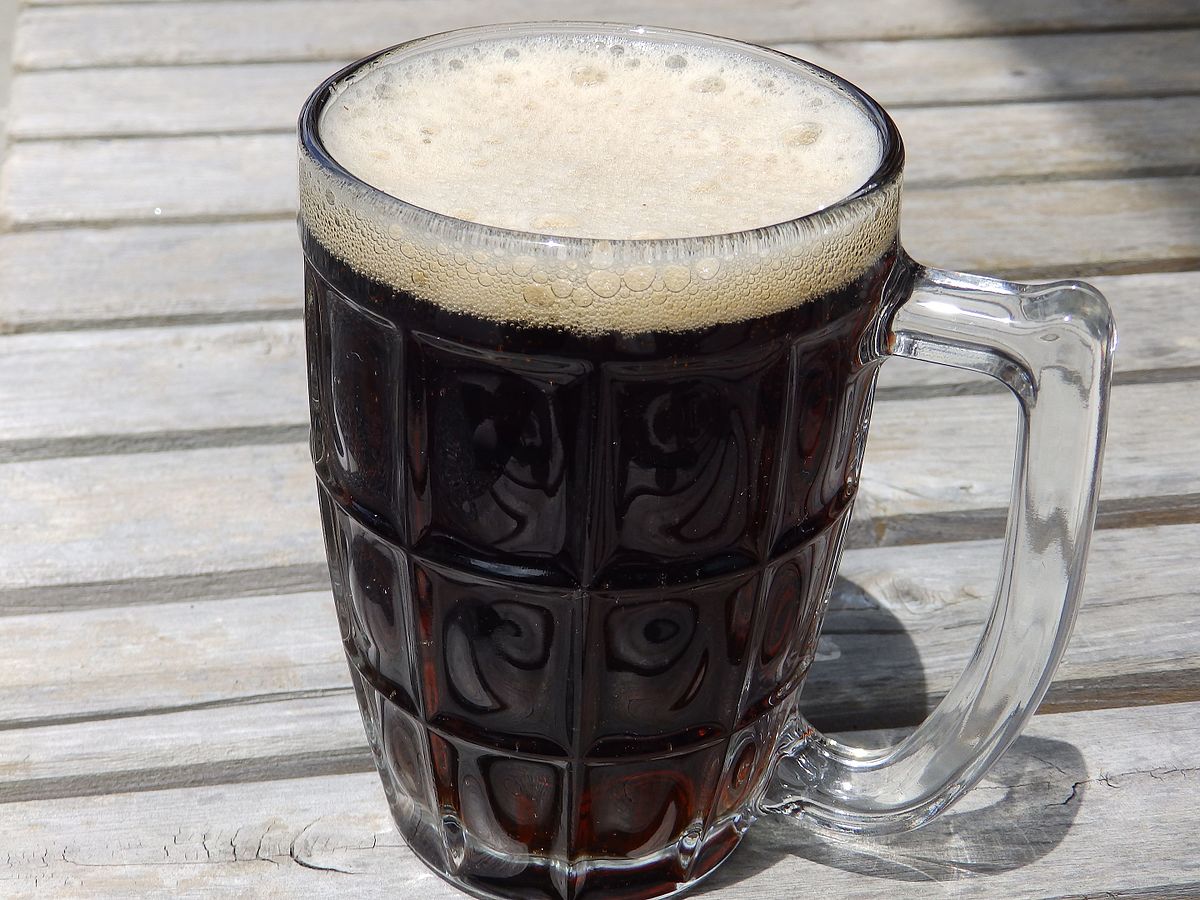
One of the most critical brand assets for root beer is its “head”—the thick, frothy foam that sits atop the liquid. This foam is a byproduct of the yucca extract often used in modern recipes, but its branding significance is immense.
In marketing imagery, the “perfect pour” of root beer always emphasizes the foam. This creates a sensory brand expectation of “creaminess.” For a brand like Mug Root Beer, the visual of their mascot (the bulldog) and the frothy mug on the label reinforces a sturdy, satisfying, and filling beverage. The “mouthfeel” becomes a proprietary brand trait that consumers use to distinguish their preferred “root” from the competition.
The Global Challenge of the Root Beer Flavor Profile
While root beer is an iconic American brand, it faces significant challenges in international marketing. This highlights the importance of cultural context in brand strategy.
Cultural Palates and the “Medicinal” Barrier
In many parts of Europe and Asia, the “root” flavor—specifically the wintergreen and sassafras notes—is closely associated with medicinal salves, toothpastes, and liniments. For many international consumers, tasting root beer is akin to drinking liquid medicine.
This presents a unique problem for global brands like PepsiCo (Mug) and Coca-Cola (Barq’s). How do you market a product when its core identity is perceived negatively by a different culture? The answer often lies in localized brand storytelling. In some markets, brands have had to dial back the “medicinal” notes and increase the vanilla and caramel flavors to make the product more palatable to a global audience, demonstrating that even a “root-based” brand must be flexible to survive.
Strategic Adaptation in International Markets
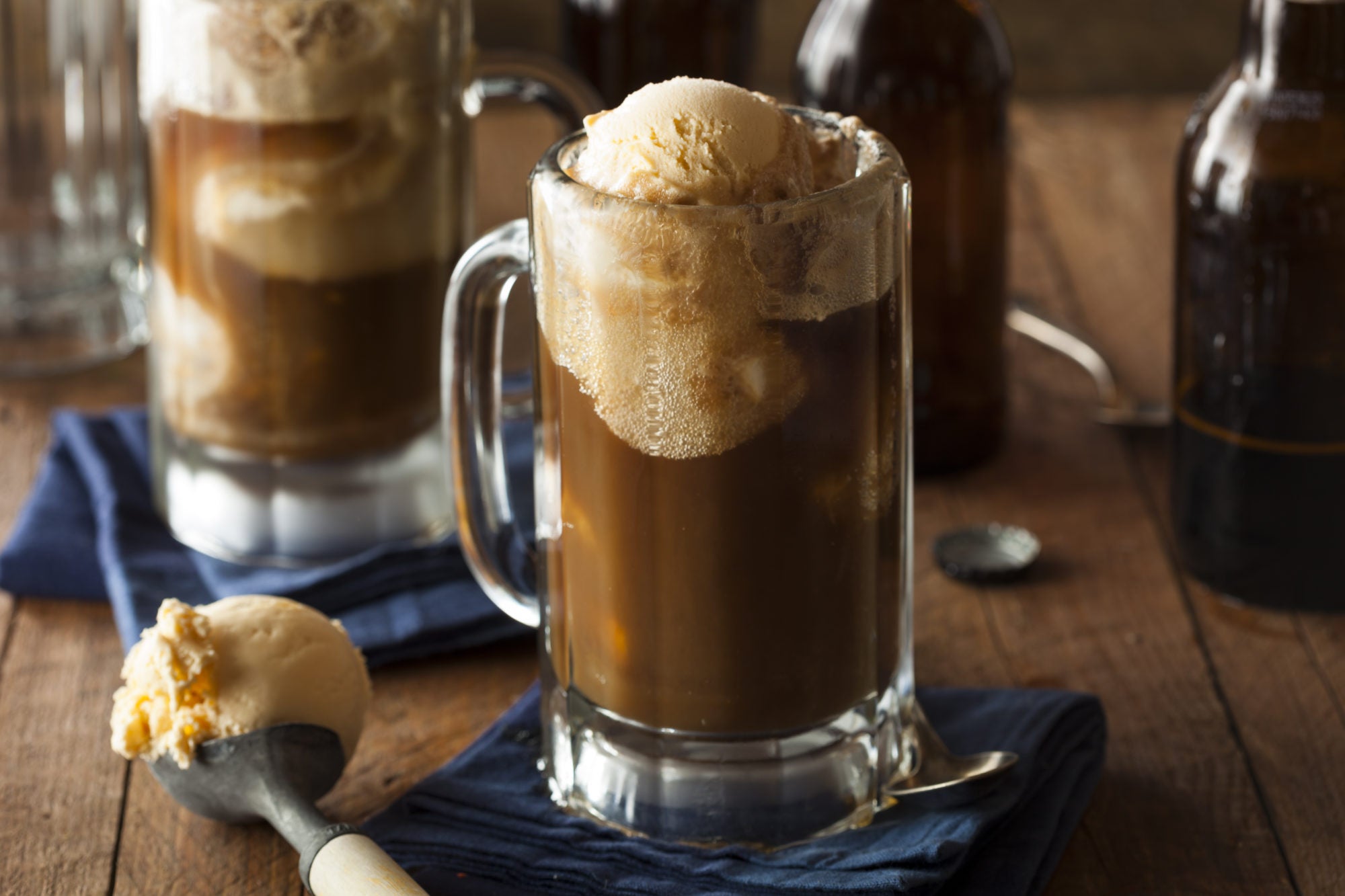
To overcome these barriers, savvy marketers often position root beer not as a “cola alternative,” but as a “dessert beverage.” By focusing on the “Root Beer Float” (the combination of root beer and vanilla ice cream), brands can bypass the medicinal association. The ice cream adds a layer of familiarity and sweetness that bridges the cultural gap. This strategic shift moves the “root” from the center of the flavor profile to a component of a larger, more approachable “treat” brand.
Conclusion: The Perpetual Legacy of the Root
The question of “what root makes root beer” may have a botanical answer, but for the business world, the answer is “identity.” From the sassafras-infused tonics of the 19th century to the sophisticated craft sodas of today, the “root” has served as a powerful anchor for brand storytelling.
It is a rare example of a product category that has successfully navigated radical ingredient changes, strict government regulations, and shifting consumer trends while keeping its core identity intact. Whether through the nostalgic appeal of a drive-in mug or the premium allure of an artisanal bottle, the “root” remains the most valuable asset in the brand’s portfolio. In the end, root beer proves that a strong brand isn’t just about what is in the bottle—it’s about the history, the sensory experience, and the cultural roots that hold it all together.
aViewFromTheCave is a participant in the Amazon Services LLC Associates Program, an affiliate advertising program designed to provide a means for sites to earn advertising fees by advertising and linking to Amazon.com. Amazon, the Amazon logo, AmazonSupply, and the AmazonSupply logo are trademarks of Amazon.com, Inc. or its affiliates. As an Amazon Associate we earn affiliate commissions from qualifying purchases.