
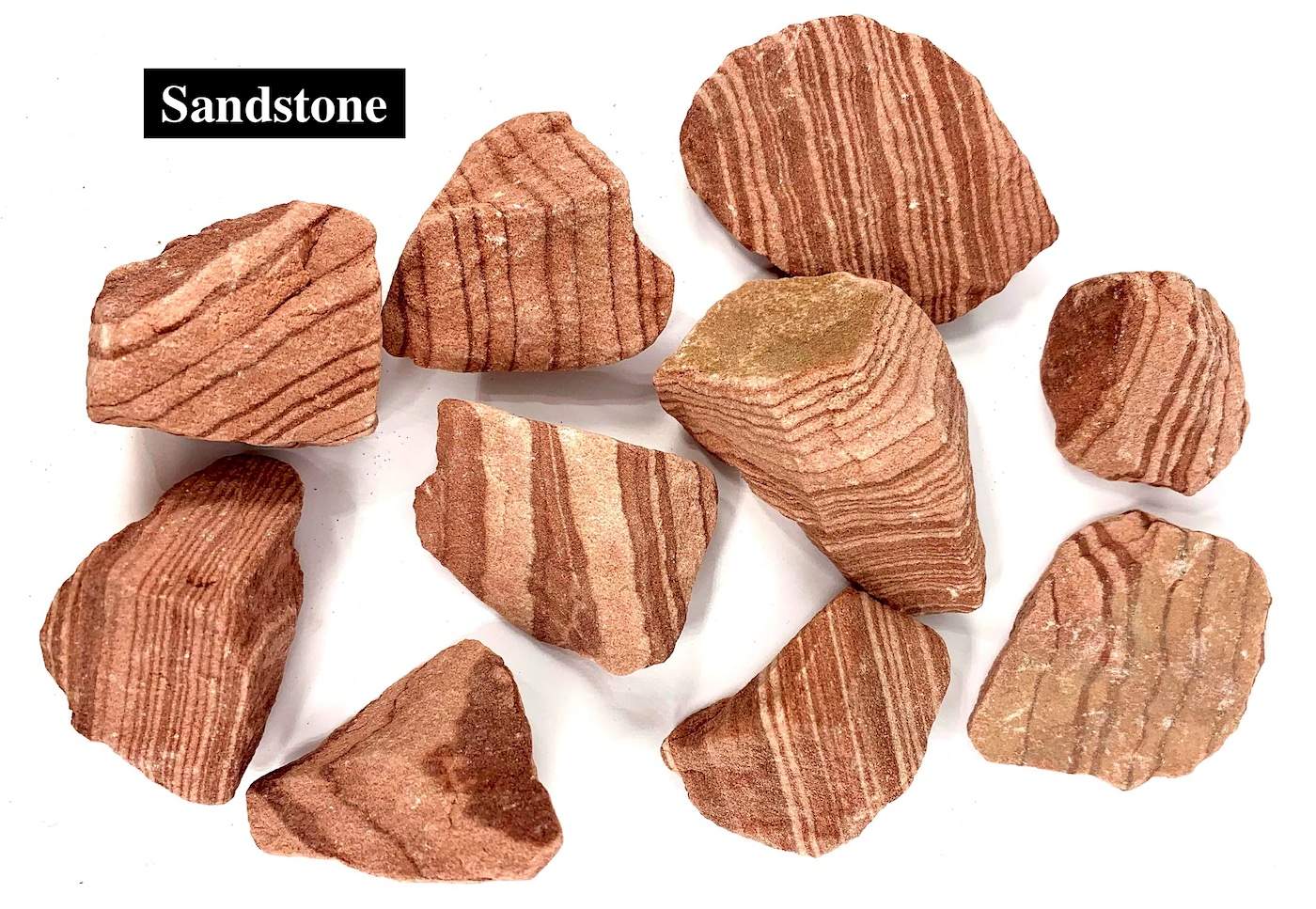
Sandstone, in its fundamental essence, is a clastic sedimentary rock. This classification places it within one of the three major categories of rocks—igneous, metamorphic, and sedimentary—distinguished by their formation processes. Sedimentary rocks, as their name suggests, are formed from the accumulation or deposition of mineral or organic particles at the Earth’s surface, followed by cementation. Sandstone, specifically, is composed predominantly of sand-sized mineral particles or rock fragments. Its very nature speaks volumes about geological time, the erosive power of natural forces, and the eventual lithification (rock-forming) process that turns loose grains into solid stone.

While its geological definition is straightforward, the story of sandstone extends far beyond its scientific classification. In an age increasingly defined by technological innovation, intricate branding strategies, and dynamic financial markets, even a seemingly inert geological material like sandstone finds itself interwoven into the complex tapestry of modern human endeavor. From the sophisticated tech employed in its discovery and extraction to the deliberate branding that elevates its aesthetic and functional value, and finally, to the significant economic currents it generates, sandstone stands as a fascinating intersection of ancient geology and contemporary human enterprise. This article will delve into the core geological identity of sandstone and then explore its unexpected, yet profound, connections to the worlds of technology, branding, and money, demonstrating how a simple rock type underpins significant aspects of our modern world.
Understanding Sandstone: A Foundation of Geological Knowledge
To truly appreciate the multifaceted role sandstone plays today, we must first firmly grasp its origins and characteristics. Its identity as a clastic sedimentary rock is not merely an academic label; it encapsulates a grand narrative of Earth’s dynamic processes.
The Sedimentary Story: How Sandstone Forms
The journey of sandstone begins with the weathering and erosion of pre-existing rocks. Mountains, cliffs, and ancient landmasses are continuously subjected to forces like wind, water, ice, and chemical decomposition. This process breaks down parent rocks into smaller fragments, with sand-sized particles (ranging from 0.0625 to 2 millimeters in diameter) being a primary product. These sand grains, often composed dominantly of quartz due to its hardness and resistance to weathering, are then transported by agents such as rivers, wind (forming dunes), waves (depositing on beaches), or glaciers.
As these transported sediments accumulate in depositional environments—like deserts, riverbeds, lake bottoms, or shallow marine settings—they begin to layer. Over immense periods, often millions of years, subsequent layers accumulate, burying the lower ones. The weight of these overlying sediments compacts the lower layers, expelling water and reducing pore space. Concurrently, mineral-rich groundwater percolates through the compacted sand. Dissolved minerals, typically quartz, calcite, or iron oxides, precipitate out of this water, acting as a natural cement that binds the individual sand grains together. This process, known as lithification, transforms loose sand into solid sandstone. The specific type of cement greatly influences the sandstone’s strength, porosity, and even its color, with iron oxides often imparting reds, browns, and yellows, while quartz and calcite cements tend to result in lighter hues.
Key Characteristics and Varieties
Sandstone’s properties are diverse, reflecting its varied origins and compositions. Beyond its defining sand-sized grains, several factors contribute to its distinct characteristics:
- Mineral Composition: While quartz is the most common mineral due to its durability, sandstone can also contain feldspar, mica, and fragments of other rocks (lithic fragments). A sandstone rich in feldspar is termed arkose, often indicating a source from granitic rocks and rapid deposition. Lithic sandstone (or greywacke if poorly sorted and muddy) contains a significant proportion of rock fragments.
- Grain Sorting and Shape: The degree to which grains are uniform in size (sorting) and rounded (shape) provides clues about the transport history. Well-sorted, well-rounded grains typically indicate extensive transport or reworking by wind or water, such as in desert dunes. Poorly sorted, angular grains suggest a shorter transport distance or rapid deposition.
- Porosity and Permeability: These are crucial characteristics. Porosity refers to the percentage of open space between grains, while permeability is the ability of fluids (like water, oil, or gas) to flow through those spaces. Sandstone can be highly porous and permeable, making it an excellent aquifer (groundwater reservoir) or a significant reservoir rock for oil and natural gas.
- Color: As mentioned, color is often influenced by the cementing agent and trace minerals. Pure quartz sandstone with silica cement can be white or gray, while iron oxides lead to vibrant reds, browns, and oranges. Organic matter can sometimes lend a darker hue.
These fundamental geological characteristics not only classify sandstone but also dictate its utility and economic value, laying the groundwork for its interactions with the worlds of technology, branding, and money.
Sandstone in the Digital Age: Where Geology Meets Technology
The seemingly ancient and inert nature of sandstone belies its profound integration with cutting-edge technology. From its discovery and analysis to its application and preservation, tech plays an increasingly vital role.
Advanced Geological Survey and Mapping Technologies
Locating and characterizing sandstone deposits, particularly those hidden beneath the surface, relies heavily on sophisticated technology. Remote sensing techniques, such as LIDAR (Light Detection and Ranging) and satellite imagery, allow geologists to map surface exposures of sandstone formations with unprecedented detail. Drones equipped with high-resolution cameras and multispectral sensors can capture intricate geological data over vast, often inaccessible, terrains, identifying structural features, erosional patterns, and potential quarry sites.
Beneath the surface, seismic reflection surveys utilize sound waves to create detailed images of subterranean rock layers, helping to identify sandstone formations that could serve as petroleum reservoirs or aquifers. Ground-penetrating radar (GPR) offers higher resolution for shallower investigations, useful in civil engineering projects or archaeological surveys involving sandstone foundations. Furthermore, AI-powered analytics are revolutionizing the interpretation of these vast datasets. Machine learning algorithms can identify patterns in seismic data, classify rock types from well logs, and even predict the location of economically viable sandstone deposits with greater accuracy and speed than human analysis alone. This integration of data science transforms raw geological information into actionable intelligence for resource exploration and management.
Material Science and Engineering Innovations
Sandstone’s inherent properties make it valuable in various engineering applications, and technology continually enhances its utility. In construction, advanced digital modeling software allows architects and engineers to design structures incorporating sandstone, optimizing its placement for structural integrity and aesthetic appeal. Tools for CAD (Computer-Aided Design) and BIM (Building Information Modeling) enable precise cutting and fitting of sandstone blocks, minimizing waste and improving construction efficiency.
Beyond traditional building, sandstone serves niche high-tech applications. Its porous nature makes it an excellent filtration medium, used in water treatment plants. In the energy sector, specially processed sandstone, or proppants derived from quartz-rich sand, are crucial in hydraulic fracturing (fracking), where they are injected into wells to keep fractures open, allowing oil and natural gas to flow. Material scientists are also exploring ways to enhance sandstone’s durability, weather resistance, and thermal insulation properties through various coatings and treatments, extending its lifespan in exposed environments. Nanotechnology, though nascent in this field, holds promise for developing novel surface treatments that could dramatically alter sandstone’s interaction with the elements, opening new avenues for its use.
Digital Preservation and Visualization of Sandstone Heritage
Many of the world’s most iconic historical structures and natural monuments are carved from or composed of sandstone, from Petra to the temples of Angkor Wat, and the vast canyons of the American Southwest. Technology plays a crucial role in their preservation and public engagement. 3D laser scanning and photogrammetry create incredibly detailed digital twins of these sites, capturing every crack and crevice. These digital models are invaluable for monitoring decay, planning restoration efforts, and creating accurate archival records.
Furthermore, these digital assets are used to create immersive virtual reality (VR) and augmented reality (AR) experiences, allowing people worldwide to explore these sandstone wonders without physically being there. Educational apps and interactive museum exhibits leverage these technologies to bring the geological story of sandstone, and the human history intertwined with it, to life. From geological research to public education, technology acts as a bridge, connecting us more deeply with the ancient history and future potential of sandstone.
Branding and the Legacy of Sandstone: Crafting Identity from Stone
Beyond its geological classification and technological applications, sandstone carries significant cultural and commercial weight, often shaped and amplified through strategic branding. Its inherent beauty, durability, and historical resonance make it a prime candidate for conveying specific identities and values.
The Allure of Natural Stone in Architecture and Design
In architecture and interior design, sandstone isn’t just a building material; it’s a statement. Its natural variations in color, texture, and grain provide a unique aesthetic that cannot be replicated by artificial products. This uniqueness becomes a powerful branding tool for architects, designers, and property developers aiming to convey messages of authenticity, timelessness, and connection to nature. Specific types of sandstone, such as the famous “Yorkstone” from England or the various regional sandstones used in historic European cities, carry a prestigious legacy. Branding these local varieties emphasizes their heritage, their proven durability, and their contribution to a distinct regional architectural identity.
For clients, choosing sandstone often signifies an appreciation for craftsmanship, sustainability, and enduring value. Marketing efforts often highlight these qualities, positioning sandstone not merely as a rock, but as an investment in character and a legacy material. Brands that specialize in natural stone leverage storytelling around the stone’s geological origin and the skilled artisans who work with it, creating an emotional connection with consumers who seek materials that embody quality and a genuine sense of place.
Marketing Earth’s Masterpieces: Branding Sandstone Products and Destinations
The commercialization of sandstone involves sophisticated branding strategies. Quarries and stone suppliers develop distinct brands for their products, emphasizing specific characteristics like color consistency, strength, or suitability for particular applications (e.g., paving, cladding, sculpture). Catalogs and online platforms showcase these branded varieties, complete with specifications, usage recommendations, and often, stunning photography to inspire designers and builders. Effective branding helps differentiate a company’s sandstone from competitors and establish a reputation for quality and reliability in the global market.
Beyond raw materials, entire regions and geological formations built from sandstone are branded as tourist destinations. Think of the “Red Rock Country” of Sedona, Arizona, or the “Garden of the Gods” in Colorado. These places are marketed for their dramatic sandstone landscapes, offering experiences like hiking, climbing, and photography. The branding here focuses on natural beauty, adventure, and spiritual connection, transforming geological features into powerful tourist attractions that drive local economies and cultivate a sense of wonder. National Parks and heritage organizations utilize branding to protect and promote these sandstone wonders, framing them as essential elements of our shared natural and cultural heritage.
Personal Branding for Geologists and Stone Artisans
The world of sandstone also provides fertile ground for personal branding. Geologists who specialize in sedimentary rocks, particularly sandstone formations crucial for resource exploration or environmental studies, build their personal brands around expertise, research, and publications. Through academic papers, conference presentations, and engaging online content, they establish themselves as authorities, attracting research grants, consulting opportunities, and academic positions. Their personal brand is synonymous with deep knowledge and credible insights into sandstone.
Similarly, stone masons, sculptors, and artisans who work with sandstone develop personal brands centered on their skill, artistic vision, and mastery of the material. Whether it’s crafting intricate architectural details, carving sculptures, or restoring historical sandstone facades, their reputation is built on the quality and aesthetic appeal of their work. Social media platforms, portfolios, and client testimonials become crucial tools for showcasing their craftsmanship, attracting commissions, and cementing their unique artistic identity within the niche market of natural stone artistry. For these individuals, the inherent qualities of sandstone become an extension of their own professional identity, a testament to their dedication to a timeless craft.
The Economics of Sandstone: Mining Value from Earth’s Crust
The transformation of sandstone from a geological curiosity into an economic commodity involves significant financial considerations, ranging from large-scale investments in resource extraction to niche online income streams. The “Money” aspect permeates every stage of sandstone’s journey to market.
Investment Opportunities in Natural Resource Extraction
The quarrying of sandstone represents a substantial industry, driven by global demand for building materials, aggregates, and specialized industrial sands. Investment in sandstone quarries requires significant capital outlay for land acquisition, heavy machinery (excavators, loaders, crushers, cutting equipment), infrastructure (access roads, processing facilities), and adherence to environmental regulations. Investors evaluate potential sites based on the quality and quantity of the sandstone deposits, ease of extraction, proximity to markets, and transportation logistics. The long-term nature of quarry operations means that financial planning often involves multi-decade projections, considering market cycles, technological advancements in extraction, and fluctuating demand from the construction sector.
Beyond direct quarrying, sandstone plays a critical role in the energy sector, particularly as a reservoir rock for hydrocarbons. Investment in oil and gas exploration heavily relies on geological surveys to identify sandstone formations capable of holding commercially viable reserves. The financial risks and rewards in this sector are immense, with billions invested in drilling, extraction, and processing technologies. Furthermore, specialized silica sand (high-purity quartz sandstone) is a key ingredient in glass manufacturing, foundry casting, and proppants for fracking, creating an investment ecosystem around specific grades of sandstone crucial to various industrial supply chains.
Financial Planning for Sustainable Quarrying Operations
Modern quarrying operations are not just about extraction; they are increasingly focused on sustainability and responsible financial management. This involves rigorous environmental impact assessments, land reclamation plans, and adherence to regulations designed to minimize ecological footprints. Financially, this translates into allocating capital for environmental mitigation measures, investing in cleaner technologies, and budgeting for long-term site rehabilitation. Companies must balance the immediate financial returns from extraction with the costs of ensuring environmental stewardship and maintaining a positive public image.
Moreover, efficient operational finance is critical. This includes managing inventory, optimizing logistics for transportation, negotiating sales contracts, and controlling labor costs. Diversification of products (e.g., selling different grades of sandstone, aggregates, or by-products) can stabilize revenue streams. Financial modeling helps companies project profitability, manage cash flow, and secure funding for expansion or technological upgrades. Insurance, risk management strategies, and compliance with health and safety regulations are also integral components of a quarry’s financial framework, protecting assets and ensuring operational continuity.

Online Income and Geological Entrepreneurship
While large-scale quarrying dominates the financial landscape of sandstone, there are numerous opportunities for online income and entrepreneurial ventures at a smaller scale, often leveraging knowledge and passion for geology.
- Geology Education and Content Creation: Experts in sedimentary geology can create online courses, webinars, and educational content (blogs, YouTube channels) explaining sandstone formation, identification, and its significance. Monetization can come through course sales, advertising revenue, affiliate marketing for geological tools, or Patreon subscriptions.
- Selling Geological Samples and Products: Entrepreneurs can source and sell unique sandstone specimens, polished sandstone pieces, or even small-scale architectural items made from sandstone through e-commerce platforms like Etsy or dedicated geological supply websites. This often taps into hobbyist markets, educational institutions, and interior design niches.
- Consulting and Data Analysis: Geologists with expertise in sandstone properties and applications can offer online consulting services to construction companies, environmental firms, or even individual property owners. Analyzing geological data, advising on material selection, or providing expert opinions for environmental assessments can be lucrative online income streams.
- Architectural Photography and Design: Photographers specializing in natural landscapes or architectural details can sell licenses for images of sandstone formations or structures to magazines, websites, and marketing agencies. Designers who incorporate sandstone into their digital renders or physical products can market their creations online.
These entrepreneurial avenues demonstrate how the economic value of sandstone extends beyond its raw material worth, embracing intellectual property, artistic expression, and digital commerce.
In conclusion, sandstone, a fundamental clastic sedimentary rock formed over geological epochs, is far more than a mere collection of sand grains. Its journey from eroded mountain to solid stone is a testament to Earth’s immense power. Yet, in our modern world, its story expands dramatically. Through the lens of technology, we see sandstone’s secrets revealed by advanced mapping and analytical tools, while engineering innovations harness its properties for diverse applications. From a branding perspective, sandstone transcends its material form, conveying messages of heritage, authenticity, and enduring beauty in architecture and design. Economically, it underpins multi-billion-dollar industries, from construction and energy to specialized manufacturing, while simultaneously opening doors for digital entrepreneurship and niche online income. Sandstone, therefore, stands as a remarkable example of how geology, technology, branding, and finance converge, shaping not only our physical environment but also our economies, our aesthetics, and our understanding of the world around us.
aViewFromTheCave is a participant in the Amazon Services LLC Associates Program, an affiliate advertising program designed to provide a means for sites to earn advertising fees by advertising and linking to Amazon.com. Amazon, the Amazon logo, AmazonSupply, and the AmazonSupply logo are trademarks of Amazon.com, Inc. or its affiliates. As an Amazon Associate we earn affiliate commissions from qualifying purchases.