
Back spasms, those sudden, involuntary, and often excruciating contractions of the back muscles, can strike without warning, bringing daily life to a grinding halt. They are a common ailment, affecting millions and manifesting in various forms, from a dull ache to sharp, debilitating pain that can make movement impossible. Understanding what triggers these spasms and, more importantly, what relief measures are effective is crucial for regaining comfort and functionality. This article delves into the multifaceted approach to alleviating back spasms, exploring immediate relief strategies, longer-term management, and preventative measures.
Understanding the Nature of Back Spasms
Before diving into relief, it’s essential to grasp what a back spasm is and why it occurs. A back spasm is essentially the body’s protective mechanism gone awry. When muscles are overstretched, injured, or subjected to sudden stress, they can contract involuntarily to guard the affected area. This protective reflex, while intended to prevent further damage, can itself cause significant pain and stiffness.
The Physiology Behind the Pain
At a physiological level, back spasms involve complex neuromuscular signaling. When muscles are stressed or injured, nerve signals can become hyperactive, leading to sustained muscle contractions. This can be triggered by a range of factors, from minor strains and improper lifting techniques to more chronic issues like poor posture or degenerative changes in the spine. The constricted muscles can impede blood flow, further exacerbating pain and contributing to a cycle of discomfort and tightness. Dehydration and electrolyte imbalances can also play a role, making muscle fibers more prone to cramping.
Common Triggers and Contributing Factors
The origins of back spasms are diverse. Acute injuries, such as a sudden twist or a fall, are frequent culprits. Overexertion during physical activity, especially without proper warm-up or if pushing beyond one’s limits, can also lead to muscle fatigue and subsequent spasms. Poor posture, whether during prolonged sitting at a desk or while sleeping in an unsupportive position, places undue stress on spinal muscles, making them vulnerable. Sedentary lifestyles, which lead to weakened core and back muscles, are a significant contributor to chronic back spasms, as the body relies on less-developed muscles to perform tasks that stronger ones should handle. Underlying medical conditions like herniated discs, spinal stenosis, or arthritis can also predispose individuals to muscle spasms as the body attempts to compensate for structural issues. Even stress and anxiety can manifest physically, leading to muscle tension that can escalate into spasms.
Immediate Relief Strategies for Acute Back Spasms
When a back spasm strikes, the primary goal is to find swift relief from the intense pain and muscle tightness. These strategies focus on addressing the immediate symptoms and creating an environment conducive to muscle relaxation.
The Power of Rest and Gentle Movement
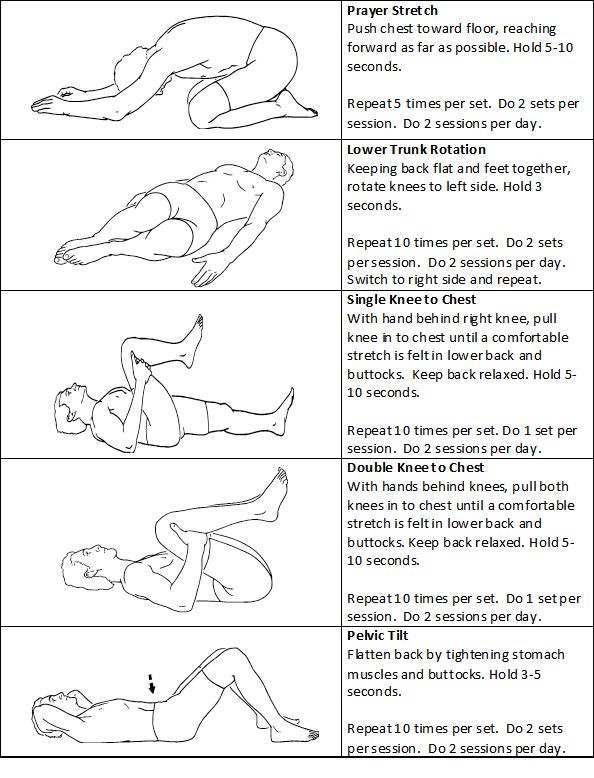
The instinct when experiencing a severe back spasm is often to lie down and remain completely still. While rest is important, prolonged immobility can actually worsen stiffness and prolong recovery. The key is to find a balance between rest and gentle movement. For the initial stages of intense pain, finding a comfortable position – often lying on your back with knees bent and supported by pillows, or on your side with a pillow between your knees – can help decompress the spine and relax the muscles. Once the acute, searing pain begins to subside, introducing very gentle movements is crucial. This could involve slow, controlled stretches, such as bringing your knees to your chest while lying down, or gentle pelvic tilts. The aim is to encourage blood flow to the affected muscles without causing further strain. Avoid any movements that elicit sharp pain.
Heat and Cold Therapy: A Dual Approach
Both heat and cold therapy can be remarkably effective in managing back spasms, though their application and benefits differ.
Applying Heat for Muscle Relaxation
Heat therapy is generally recommended once the initial inflammation from an acute injury has subsided, typically after 48-72 hours. The application of heat – through a warm compress, heating pad, or a warm bath – helps to increase blood flow to the muscles. This enhanced circulation delivers oxygen and nutrients while also helping to remove metabolic waste products that can contribute to pain and stiffness. The warmth also has a direct relaxing effect on tense muscles, easing their involuntary contractions and promoting a sense of comfort. It’s important to use heat cautiously, ensuring it’s not too hot to cause burns, and to limit application to 15-20 minutes at a time.
Utilizing Cold for Inflammation and Numbness
Cold therapy, on the other hand, is most beneficial in the immediate aftermath of an injury or when a spasm is accompanied by inflammation and swelling. Applying a cold pack or ice wrapped in a thin cloth to the affected area for 15-20 minutes at a time can help to constrict blood vessels, reducing swelling and inflammation. This also has a numbing effect, which can significantly dull the pain sensation. Similar to heat, it’s crucial to protect the skin from direct contact with ice to prevent frostbite. Alternating between heat and cold can also be an effective strategy for some individuals, leveraging the benefits of both to manage pain and promote healing.
Over-the-Counter Pain Relief and Muscle Relaxants
For moderate to severe pain, over-the-counter (OTC) medications can provide significant relief. Nonsteroidal anti-inflammatory drugs (NSAIDs) like ibuprofen or naproxen are effective in reducing both pain and inflammation. Acetaminophen can also be used for pain management, particularly if inflammation is not the primary concern. In cases of severe muscle spasms, a doctor may prescribe stronger pain relievers or even short courses of muscle relaxant medications. These prescription drugs work by affecting the central nervous system to reduce muscle tone and alleviate spasms. It’s crucial to use these medications as directed by a healthcare professional or the product packaging, and to be aware of potential side effects.
Long-Term Management and Prevention Strategies
While immediate relief is essential, addressing the underlying causes and adopting preventative measures is key to reducing the frequency and severity of future back spasms. This involves a holistic approach encompassing lifestyle modifications, targeted exercises, and mindful daily habits.
Strengthening and Flexibility: The Pillars of Spinal Health
Weak core and back muscles are a primary reason for frequent back spasms. A strong core acts as a natural corset, supporting the spine and reducing the strain on individual muscles. Similarly, maintaining good flexibility in the back, hamstrings, and hip flexors allows for a greater range of motion and reduces the likelihood of muscles being pulled or overstretched.
Core Strengthening Exercises
Developing a strong core involves engaging the abdominal muscles, obliques, and lower back muscles. Exercises like planks, bird-dogs, and bridges are excellent for building this foundational strength. It’s important to perform these exercises with proper form to maximize their benefit and avoid injury. A physical therapist can provide personalized guidance on the most effective core strengthening routines based on individual needs and limitations. Gradual progression is key; starting with shorter holds and fewer repetitions and slowly increasing the intensity and duration as strength improves.
Targeted Stretching and Flexibility Routines
Regular stretching is vital for preventing back spasms. Hamstring stretches, hip flexor stretches, and gentle spinal twists can help to release tension in the muscles that often contribute to back pain. Cat-cow pose, child’s pose, and gentle knee-to-chest stretches are also beneficial for improving spinal mobility and relieving tightness. It’s important to approach stretching with patience and to avoid bouncing or pushing into pain. Holding stretches for 30 seconds and performing them daily can yield significant improvements in flexibility and reduced muscle stiffness. Consistency is more important than intensity when it comes to flexibility.
Posture and Ergonomics: Everyday Foundations
How we hold ourselves and how our environment is set up can have a profound impact on our back health. Poor posture and ill-suited ergonomic setups are silent saboteurs of spinal well-being, constantly putting strain on back muscles.
Improving Sitting and Standing Posture
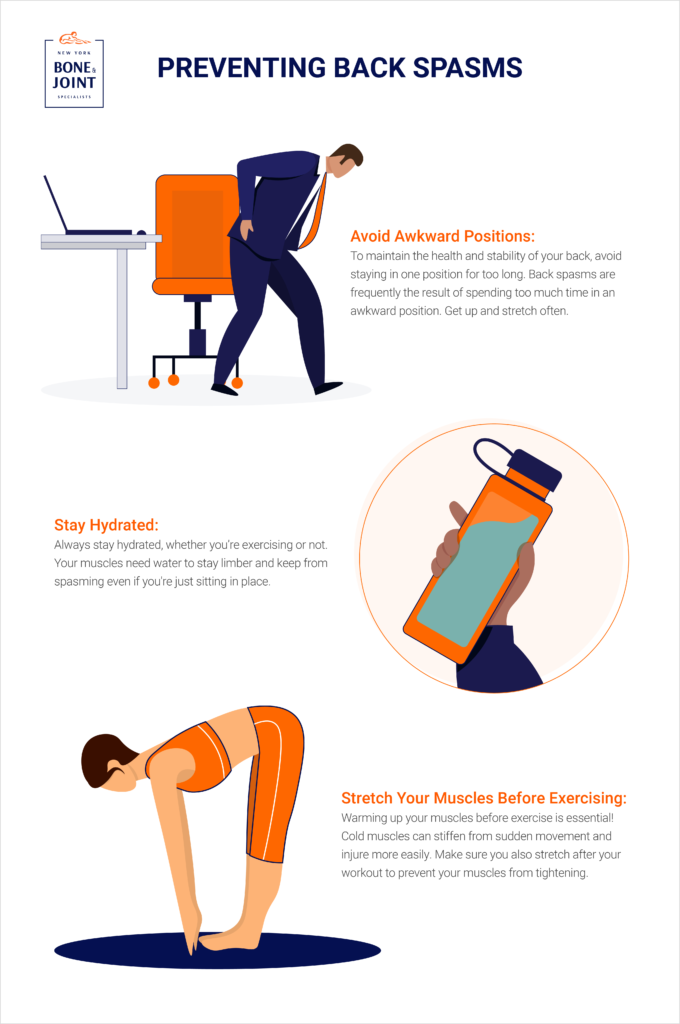
Consciously maintaining good posture throughout the day is a fundamental preventative measure. When sitting, ensure your feet are flat on the floor, your knees are at hip height, and your back is supported by the chair. Avoid slouching or hunching over. When standing, distribute your weight evenly on both feet, keep your shoulders relaxed, and avoid locking your knees. Regularly checking in with your posture and making small adjustments can make a significant difference over time. Simple reminders, like setting a timer to stand up and move every 30 minutes, can also help break prolonged static positions.
Optimizing Your Workspace and Sleeping Environment
Ergonomics extends beyond the office. Your workspace should be set up to support good posture. This means ensuring your computer monitor is at eye level, your keyboard and mouse are within easy reach, and your chair provides adequate lumbar support. Similarly, your sleeping environment plays a critical role. The mattress should offer adequate support without being too hard or too soft. Sleeping on your side with a pillow between your knees or on your back with a pillow under your knees are often recommended positions to maintain spinal alignment. Investing in a supportive pillow that keeps your head and neck in a neutral position is also crucial.
Lifestyle Factors: Beyond Physical Interventions
The mind-body connection is undeniable, and certain lifestyle choices can either exacerbate or alleviate back spasms.
Stress Management Techniques
Chronic stress can lead to increased muscle tension, which can manifest as back spasms. Incorporating stress-management techniques into your routine is therefore essential. This can include practices like mindfulness meditation, deep breathing exercises, yoga, or engaging in hobbies that bring you joy and relaxation. Identifying personal stressors and developing coping mechanisms is a vital part of a comprehensive approach to back health. Even short periods of focused relaxation can help to reduce overall muscle tension.
Hydration and Nutrition
Dehydration can contribute to muscle cramps and spasms. Ensuring you drink an adequate amount of water throughout the day is a simple yet effective preventative measure. Furthermore, maintaining a balanced diet rich in essential minerals like magnesium, potassium, and calcium can support healthy muscle function. These electrolytes play crucial roles in muscle contraction and relaxation. Deficiencies in these nutrients can make muscles more prone to cramping. Consulting with a nutritionist can help identify any dietary imbalances contributing to your symptoms.
When to Seek Professional Medical Advice
While many back spasms can be managed with home care and lifestyle adjustments, there are instances when seeking professional medical attention is paramount. Ignoring persistent or severe symptoms could lead to delayed diagnosis of underlying conditions and prolonged recovery.
Recognizing Red Flags for Serious Conditions
Certain symptoms accompanying back spasms warrant immediate medical evaluation. These red flags include numbness or tingling in the legs or feet, weakness in the legs, loss of bladder or bowel control, fever, unexplained weight loss, or severe pain that does not improve with rest or home treatment. These symptoms could indicate more serious underlying issues such as a severe disc herniation, nerve compression, infection, or even a tumor, which require prompt medical intervention.

The Role of Healthcare Professionals
A healthcare professional, such as a doctor, physical therapist, or chiropractor, can accurately diagnose the cause of your back spasms. They can assess your physical condition, review your medical history, and recommend a tailored treatment plan. This plan might include prescription medications, physical therapy exercises, manual manipulation, or further diagnostic imaging like X-rays or MRIs if necessary. A physical therapist is particularly skilled in developing exercise programs to strengthen and stretch the muscles, improve posture, and educate patients on proper body mechanics for daily activities. They can also employ modalities like ultrasound or electrical stimulation to aid in pain relief and muscle recovery. For persistent or recurrent spasms, a specialist might be consulted to rule out or manage chronic conditions. The goal is always to address the root cause of the spasms, not just the symptoms, to ensure long-term relief and improved quality of life.
aViewFromTheCave is a participant in the Amazon Services LLC Associates Program, an affiliate advertising program designed to provide a means for sites to earn advertising fees by advertising and linking to Amazon.com. Amazon, the Amazon logo, AmazonSupply, and the AmazonSupply logo are trademarks of Amazon.com, Inc. or its affiliates. As an Amazon Associate we earn affiliate commissions from qualifying purchases.