
Red. The color of passion, of danger, of love, and of alarm. It’s a hue that demands attention, evokes strong emotions, and carries a weight of symbolism that is as ancient as it is ubiquitous. When we encounter red, our physiological and psychological responses are immediate and often profound. But what does red truly represent, especially within the dynamic and interconnected worlds of technology, branding, and finance? This exploration delves into the multifaceted meanings of red, weaving together its inherent power with the strategic applications that define these crucial sectors.
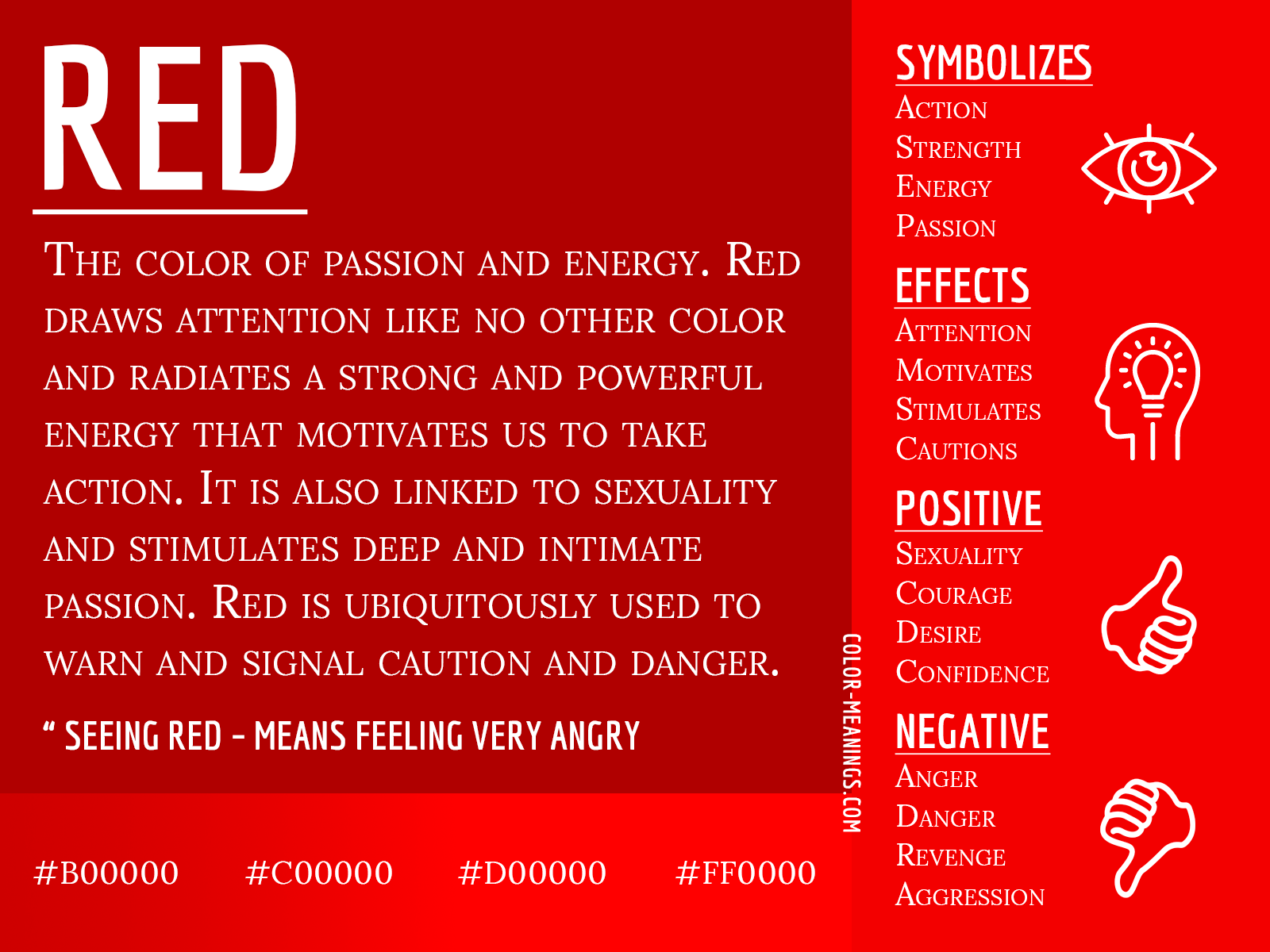
The Primal Power of Red: Evoking Emotion and Action
At its core, red is a color of immense primal power. Its vibrancy is inherently attention-grabbing, a biological imperative that likely evolved to signal danger (like fire or blood) or, conversely, attraction (like ripe fruit or flushed cheeks). This inherent ability to command focus is what makes red such a potent tool.
Red in Action: Signifying Urgency and Alertness
In the realm of Tech, this primal power is harnessed for critical functions. Warning lights, error messages, and urgent notifications are almost universally rendered in red. Think of a low battery indicator blinking red, or a security alert flashing a crimson hue. These are not arbitrary choices; they are deliberate deployments of red’s innate association with alarm and immediate action.
- Digital Security: In cybersecurity, red is the color of compromise. A red flag on a network security dashboard signifies an intrusion, a vulnerability, or a system failure. It’s a digital alarm bell, prompting immediate investigation and response. This is where red’s association with danger becomes paramount, safeguarding our digital lives by clearly and unequivocally highlighting threats.
- Software and Apps: Within user interfaces, red is often used sparingly but effectively for critical calls to action or to denote deletion. A prominent red “Delete” button or a “Cancel” option ensures users understand the gravity of their selection. Conversely, in some contexts, red can be used to highlight successful, albeit critical, actions, such as a successful security patch deployment.
- Gadgets and Wearables: Even in the design of physical gadgets, red accents can convey power, performance, or a sporty edge. A red power button on a high-end speaker or a red stripe on a gaming mouse subtly injects a sense of dynamism and energy.
This immediate visceral reaction to red means that in the fast-paced world of technology, where information overload is constant, red cuts through the noise, ensuring that crucial messages are received and understood. It’s the color that says, “Stop. Look. Act.”
Red as a Brand Catalyst: Building Identity and Driving Desire
Beyond its immediate impact, red is a strategic choice in Brand building. It’s a color that can convey a wide range of emotions and associations, making it a powerful tool for shaping perception and fostering connection.
The Emotional Palette of Red: Love, Passion, and Energy
When it comes to branding, red is often employed to tap into powerful human emotions. It’s the color of romance, of intense passion, and of boundless energy. Brands that want to be perceived as exciting, dynamic, and desirable often leverage red.

- Corporate Identity: Think of iconic brands that utilize red. Coca-Cola’s unmistakable crimson logo evokes feelings of joy, nostalgia, and shared moments. Red Bull injects energy and exhilaration, aligning perfectly with its extreme sports marketing. Netflix’s red “N” signifies entertainment and immersion. These brands understand that red isn’t just a color; it’s a feeling, a promise of an experience.
- Marketing and Advertising: In advertising, red is a proven attention-grabber. It can be used to highlight sales, promotions, or new product launches, creating a sense of urgency and excitement. A red “Limited Time Offer” banner is far more effective than a muted tone. It compels the eye and the mind to engage.
- Personal Branding: For individuals looking to cultivate a strong personal brand, red can signify confidence, ambition, and leadership. A strategically chosen red accessory, a signature red tie, or even a bold red website background can communicate these powerful traits. It’s about projecting presence and making a memorable impact.
Red’s versatility in branding allows it to be adapted to various sectors. A luxury brand might use a deep, rich crimson to convey sophistication and exclusivity, while a fast-fashion brand might opt for a bright, energetic scarlet to suggest trendiness and dynamism. The specific shade and context are crucial, but the underlying power of red remains.
Red in the Financial Landscape: Signifying Risk, Reward, and Opportunity
In the world of Money, red carries a more complex and often binary set of meanings. It’s a color that can signal both caution and opportunity, risk and reward, making it a crucial visual cue in financial markets and personal finance.
The Dual Nature of Red in Finance: Loss and Opportunity
The most universally understood meaning of red in finance is loss. Stock market tickers, financial reports, and trading platforms all use red to denote a decline in value. This immediate association with negative outcomes is critical for investors and traders who need to quickly assess market movements.
- Investing and Trading: When a stock price is down, it’s red. When an index is falling, it’s red. This visual shorthand is essential for rapid decision-making in the fast-paced world of finance. It’s the color that alerts traders to potential losses and prompts them to re-evaluate their strategies.
- Business Finance: For businesses, red ink historically signified losses on balance sheets. While modern accounting practices have evolved, the visual association of red with negative financial performance persists. Understanding when a business is “in the red” is a fundamental concept.
However, red’s role in finance isn’t solely about decline. It can also represent opportunity, particularly when viewed through a lens of risk and reward.
- Opportunity and Boldness: Sometimes, a dip in prices (indicated by red) can present a buying opportunity. Savvy investors might see red as a signal to enter a market or acquire assets at a discount. This requires a sophisticated understanding of market cycles and a willingness to take calculated risks, where red becomes a precursor to potential future gains.
- Financial Tools and Apps: In personal finance apps and budgeting tools, red can be used to highlight overspending or areas where expenses are exceeding targets. This serves as a visual prompt to adjust financial habits and regain control of one’s budget. Conversely, some investment platforms might use red to highlight potentially high-return, albeit high-risk, investment opportunities.
The effective use of red in finance requires a nuanced understanding of its context. While it immediately signals caution and potential loss, it can also, for those with the insight and appetite for risk, represent the precursor to significant gains. It is a color that demands attention, whether it’s to avoid a pitfall or to seize an opportunity.
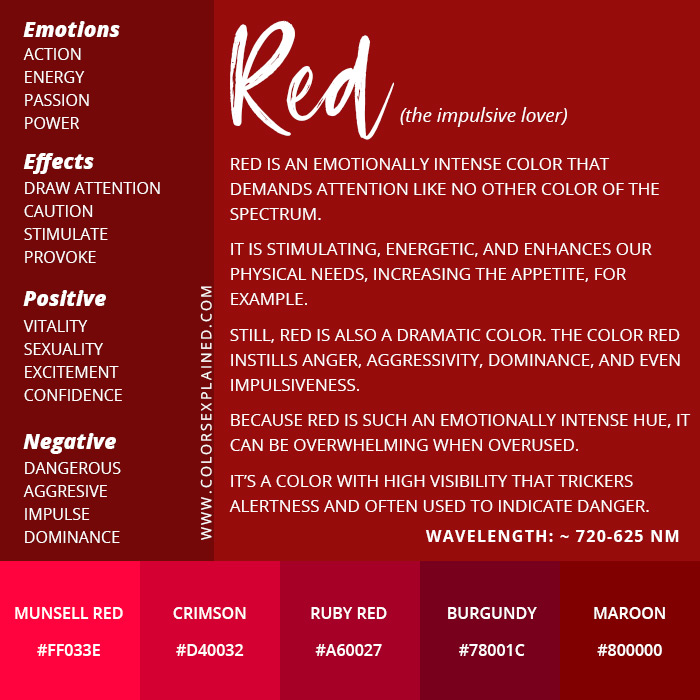
The Ever-Evolving Symbolism of Red
The meanings we ascribe to red are not static. They are shaped by culture, context, and individual experience. In the digital age, where information is consumed at lightning speed, the power of red to instantly convey meaning is more potent than ever.
In Tech, it safeguards our digital lives. In Brand, it ignites desire and builds connection. In Money, it signals caution and potential. Across these diverse domains, red remains a color of undeniable influence. It is a constant reminder of the fundamental forces that drive human behavior: the need for safety, the pursuit of connection, and the pursuit of prosperity. Whether it’s a flashing warning light on a server, a bold logo on a billboard, or a fluctuating stock ticker, red continues to speak a language that is understood by all, a vibrant testament to its enduring power.
aViewFromTheCave is a participant in the Amazon Services LLC Associates Program, an affiliate advertising program designed to provide a means for sites to earn advertising fees by advertising and linking to Amazon.com. Amazon, the Amazon logo, AmazonSupply, and the AmazonSupply logo are trademarks of Amazon.com, Inc. or its affiliates. As an Amazon Associate we earn affiliate commissions from qualifying purchases.