
The question “What R-factor insulation do I need?” is often perceived as a technical construction query, but at its heart, it’s a profound financial one. For homeowners, understanding and correctly implementing R-factor insulation isn’t merely about comfort; it’s about optimizing one of the most significant recurring expenses: energy bills. It’s an investment decision that impacts your monthly budget, the long-term value of your property, and the lifespan of your HVAC systems. In an era of volatile energy prices and increasing awareness of sustainable living, making an informed choice about your home’s thermal envelope can translate into substantial savings and a more secure financial future. This article delves into the financial imperative behind R-factor insulation, guiding you through the considerations necessary to make a cost-effective and financially savvy decision.
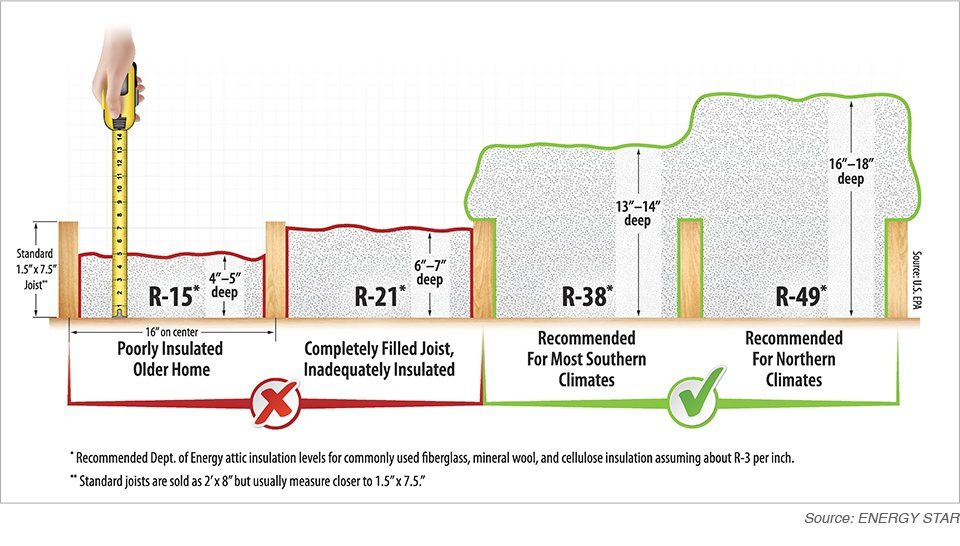
Understanding R-Factor: More Than Just a Number
At its core, the R-factor (thermal resistance) quantifies a material’s ability to resist heat flow. A higher R-value indicates greater insulating power. But what does this mean for your wallet?
The Core Concept: Thermal Resistance and Energy Savings
Imagine your home as a financial vault. Without adequate insulation, heat effortlessly escapes in winter and infiltrates in summer, akin to leaving the vault door ajar. Your heating and cooling systems, the guardians of your indoor climate, then work overtime, constantly burning energy (and your money) to maintain your desired temperature. The R-factor is the measure of how effectively your home’s “envelope” (walls, attic, floors) seals this vault.
Every unit increase in R-value translates into a reduction in the rate of heat transfer. This directly correlates to less work for your HVAC system, leading to lower energy consumption and, consequently, lower utility bills. Over time, these savings accumulate, turning what might seem like an upfront expense into a strategic financial gain. The more extreme your local climate, the more pronounced these savings become, making proper R-factor selection a critical component of your annual household budget.
Beyond Comfort: The Monetary Value of Thermal Efficiency
While the immediate sensation of a well-insulated home is comfort, the underlying benefit is its profound monetary value. A home with optimal R-factor insulation isn’t just cozier; it’s a more valuable and cost-efficient asset. From a financial perspective, insulation acts as a perpetual dividend, paying you back through reduced energy expenditure month after month, year after year.
Moreover, a thermally efficient home mitigates the risk of energy cost volatility. As global energy markets fluctuate, homeowners with superior insulation are better shielded from price spikes, offering a degree of financial predictability that uninsulated homes lack. This stability is invaluable for budgeting and long-term financial planning, transforming insulation from a mere building material into a crucial financial tool.
Factors Influencing Your Optimal R-Factor: A Financial Calculation
Determining the “right” R-factor isn’t a one-size-fits-all solution; it’s a nuanced financial calculation influenced by several key variables unique to your property and location.
Climate Zone: Geographic Impact on Your Wallet
The U.S. Department of Energy provides specific R-value recommendations based on climate zones. These zones categorize regions by their heating and cooling needs, which directly dictates the financial burden of maintaining indoor temperatures. Living in a colder climate (e.g., Zone 6 or 7) necessitates higher R-values to prevent significant heat loss, thus mitigating prohibitively expensive heating bills. Conversely, hotter climates (e.g., Zone 1 or 2) require insulation that effectively resists heat gain to keep cooling costs in check.
Ignoring these climate-specific guidelines is a common financial misstep. Under-insulating in a severe climate will result in perpetual energy overspending, year after year. Conversely, over-insulating significantly beyond recommendations might represent an upfront investment with diminishing returns, where the marginal energy savings don’t justify the additional material and installation costs within a reasonable payback period. Your optimal R-factor is a sweet spot that maximizes savings without unnecessary initial outlay.
Type of Building & Construction: Tailoring Investment to Structure
The physical characteristics of your home play a substantial role in determining the most financially prudent insulation strategy. New construction typically allows for easier and more comprehensive insulation installation, often built to current energy codes. Older homes, however, may present unique challenges and opportunities. For instance, a historic home with solid masonry walls might require different insulation approaches (e.g., interior rigid foam or exterior continuous insulation) than a modern wood-framed house.
Different areas of your home also demand varying R-factors. Attics, where significant heat transfer occurs due to convection, generally require the highest R-values. Walls, floors, and crawl spaces have their own specific recommendations. Understanding these variations helps you allocate your insulation budget most effectively, prioritizing areas where the financial return on investment (ROI) will be greatest. For example, investing heavily in attic insulation often yields quicker and more substantial energy savings than upgrading a less critical, but more complex, wall cavity.
Existing Insulation & Home Energy Audit: Identifying Financial Leaks
Before embarking on any insulation project, a thorough assessment of your home’s current thermal envelope is paramount. Many homes, particularly older ones, may have inadequate or degraded insulation. A professional home energy audit can pinpoint areas of significant heat loss or gain, often using thermal imaging cameras. This audit is not just a technical assessment; it’s a financial diagnostic tool.
By identifying specific “financial leaks” in your home – drafts, uninsulated rim joists, or areas with settled attic insulation – you can prioritize upgrades that offer the most significant and immediate energy savings. An audit provides a roadmap for targeted investment, ensuring that your capital is deployed where it will yield the highest ROI, rather than making broad, potentially unnecessary, insulation upgrades. It helps you understand where you’re losing money and how to stop it.
The Payback Period: Insulating as an Investment Strategy

Viewing insulation as an investment rather than an expense is crucial for homeowners. Like any investment, it has a payback period and a return on investment (ROI).
Calculating Your Return on Investment (ROI): A Practical Approach
The ROI of insulation can be quantified. By estimating your annual energy savings (which an energy audit can help project) and comparing it to the total cost of the insulation upgrade (materials + installation), you can calculate how long it will take for the investment to pay for itself.
For example, if an insulation upgrade costs $3,000 and is projected to save you $300 per year on energy bills, your payback period is 10 years. After this period, every subsequent year of savings is pure profit. Many insulation upgrades offer significantly shorter payback periods, especially in homes with very poor existing insulation, making them highly attractive financial propositions. Consider the total lifecycle cost of owning your home; insulation plays a massive role in reducing that cost.
Government Incentives and Rebates: Boosting Your Financial Gains
Many governments and local utility companies offer financial incentives, such as tax credits, rebates, or low-interest loans, for energy-efficient home improvements, including insulation. These programs are designed to encourage energy conservation and can significantly reduce the upfront cost of your insulation project, thereby shortening your payback period and enhancing your overall ROI.
Before undertaking any insulation work, research available incentives in your area. Websites like Energy Star or your local utility provider often list eligible programs. These financial boosts can make a borderline insulation project economically viable or turn a good investment into an excellent one, accelerating your path to energy savings and financial returns.
Choosing the Right Insulation Materials: Balancing Cost, Performance, and Longevity
The market offers a diverse range of insulation materials, each with unique characteristics concerning R-value per inch, cost, and application. Making an informed choice involves weighing these factors against your specific needs and budget.
Common Insulation Types and Their Cost-Effectiveness
- Fiberglass Batts/Rolls: Often the most economical choice for DIYers or new construction. It offers a moderate R-value (R-3 to R-4 per inch) and is effective in attics and walls. Its cost-effectiveness lies in its lower material price point and relative ease of installation in standard cavities.
- Blown-in Cellulose/Fiberglass: Ideal for existing wall cavities or attics where batts are difficult to install. Offers good R-value (R-3.5 to R-4.5 per inch) and superior air sealing properties compared to batts. The initial investment might be slightly higher for equipment or professional installation, but its ability to fill irregular spaces can lead to greater energy savings by eliminating gaps.
- Spray Foam (Open-Cell & Closed-Cell): Offers the highest R-value per inch (R-3.5 to R-7 per inch) and creates an excellent air seal, making it highly effective at preventing drafts and moisture. While spray foam has a higher upfront cost, its superior performance often translates into the most significant long-term energy savings and a potentially faster ROI, especially in difficult-to-insulate areas or for homeowners prioritizing maximum efficiency.
- Rigid Foam Boards (XPS, EPS, Polyiso): Excellent for continuous insulation on exterior walls, basement walls, or cathedral ceilings. Offers high R-values (R-3.8 to R-8 per inch) and is good for moisture resistance. Its cost-effectiveness comes from its specific applications where it outperforms other materials, preventing thermal bridging and offering a durable solution.
When selecting a material, consider not just the upfront cost but also the R-value achieved per dollar spent, the material’s longevity, and its effectiveness in your specific application. A higher R-value material might have a higher upfront cost but could yield a better long-term financial return through greater energy savings.
Professional Installation vs. DIY: Weighing the Financial Risks and Rewards
The decision to hire a professional or tackle insulation as a DIY project also carries significant financial implications. For simple projects like adding blown-in insulation to an accessible attic, DIY can save on labor costs. However, incorrect installation can drastically reduce the effective R-value, leading to diminished energy savings and a poor ROI. Gaps, compression, or improper air sealing can negate much of the insulation’s benefits.
For more complex jobs, such as spray foam application, dense-pack cellulose in wall cavities, or insulating basements and crawl spaces, professional installation is almost always the wiser financial choice. Experts have the specialized equipment, training, and experience to ensure the insulation is installed correctly, maximizes its R-value, and creates an effective thermal envelope. The initial higher cost of professional labor is often offset by superior performance, avoiding costly mistakes, and ensuring you achieve the projected energy savings. Consider the long-term financial consequences of a poorly executed DIY job versus a professionally installed, high-performance system.
Long-Term Financial Benefits: Beyond Monthly Savings
The financial advantages of optimal R-factor insulation extend far beyond just your monthly utility bills, positively impacting your home’s overall financial health and your personal comfort.
Increased Home Value and Market Appeal
A well-insulated home is a more valuable home. Energy efficiency is a highly sought-after feature in today’s real estate market. Potential buyers are increasingly aware of utility costs and are willing to pay a premium for properties that offer lower ongoing expenses. Investing in proper R-factor insulation is a tangible upgrade that enhances your home’s marketability and appraisal value. It signals to buyers that the home is modern, well-maintained, and cost-effective to own, potentially leading to a quicker sale and a higher selling price. This represents a significant long-term financial gain, especially if you plan to sell your home in the future.
Reduced HVAC Wear and Tear: Extending Equipment Life
When your home is properly insulated, your heating, ventilation, and air conditioning (HVAC) systems don’t have to work as hard to maintain comfortable indoor temperatures. This reduced workload translates directly into less wear and tear on these expensive appliances. By alleviating constant strain, insulation helps extend the operational lifespan of your furnace, air conditioner, and heat pump. This postpones the need for costly repairs and, eventually, premature replacement, saving you thousands of dollars over the decades you own your home. The investment in insulation can therefore be seen as an indirect investment in the longevity of your home’s most critical mechanical systems.

Conclusion
The question “What R-factor insulation do I need?” is a critical one, demanding a comprehensive answer rooted firmly in financial planning and long-term home investment strategy. It’s not just about selecting a number; it’s about understanding how that number translates into tangible savings, increased home value, and reduced financial risk over the lifespan of your property. By carefully considering your climate zone, home type, current insulation status, and the various material options, you can make an informed decision that will pay dividends for years to come. View insulation as a strategic financial investment, not merely an expense, and you’ll unlock a wealth of benefits that extend far beyond simple comfort, securing a more financially stable and energy-efficient future for your home. When in doubt, consulting with energy auditors and reputable insulation professionals can provide tailored recommendations, ensuring your investment yields the maximum possible financial return.
aViewFromTheCave is a participant in the Amazon Services LLC Associates Program, an affiliate advertising program designed to provide a means for sites to earn advertising fees by advertising and linking to Amazon.com. Amazon, the Amazon logo, AmazonSupply, and the AmazonSupply logo are trademarks of Amazon.com, Inc. or its affiliates. As an Amazon Associate we earn affiliate commissions from qualifying purchases.