
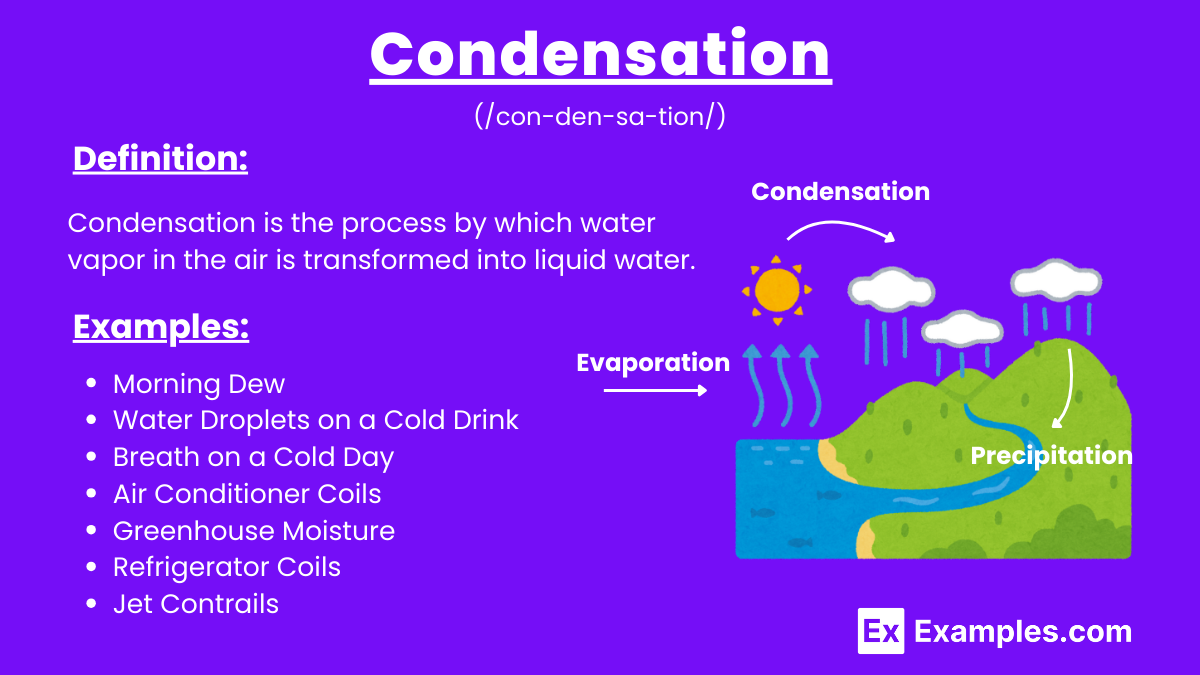
Condensation, at its core, is a ubiquitous natural phenomenon – the physical process by which a gas changes into a liquid. It is the opposite of evaporation. From the morning dew on grass to the formation of clouds in the sky, condensation is constantly at play around us. Yet, beyond its natural occurrences, understanding and managing the process of condensation is a critical challenge and an area of significant innovation within the technological landscape. Far from being a mere scientific curiosity, condensation presents complex engineering problems and opportunities, influencing everything from the reliability of our digital infrastructure to the efficiency of our energy systems.

In the realm of technology, condensation is both a potential threat requiring sophisticated mitigation strategies and a physical principle that can be harnessed for novel applications. This article will delve into the fundamental science behind condensation and then explore its multifaceted relationship with technology, highlighting the challenges it poses and the innovative solutions emerging to address them.
The Fundamental Science of Condensation
To appreciate the technological implications of condensation, one must first grasp its underlying physics. It’s a phase transition driven by energy and molecular behavior.
From Gas to Liquid: The Phase Transition
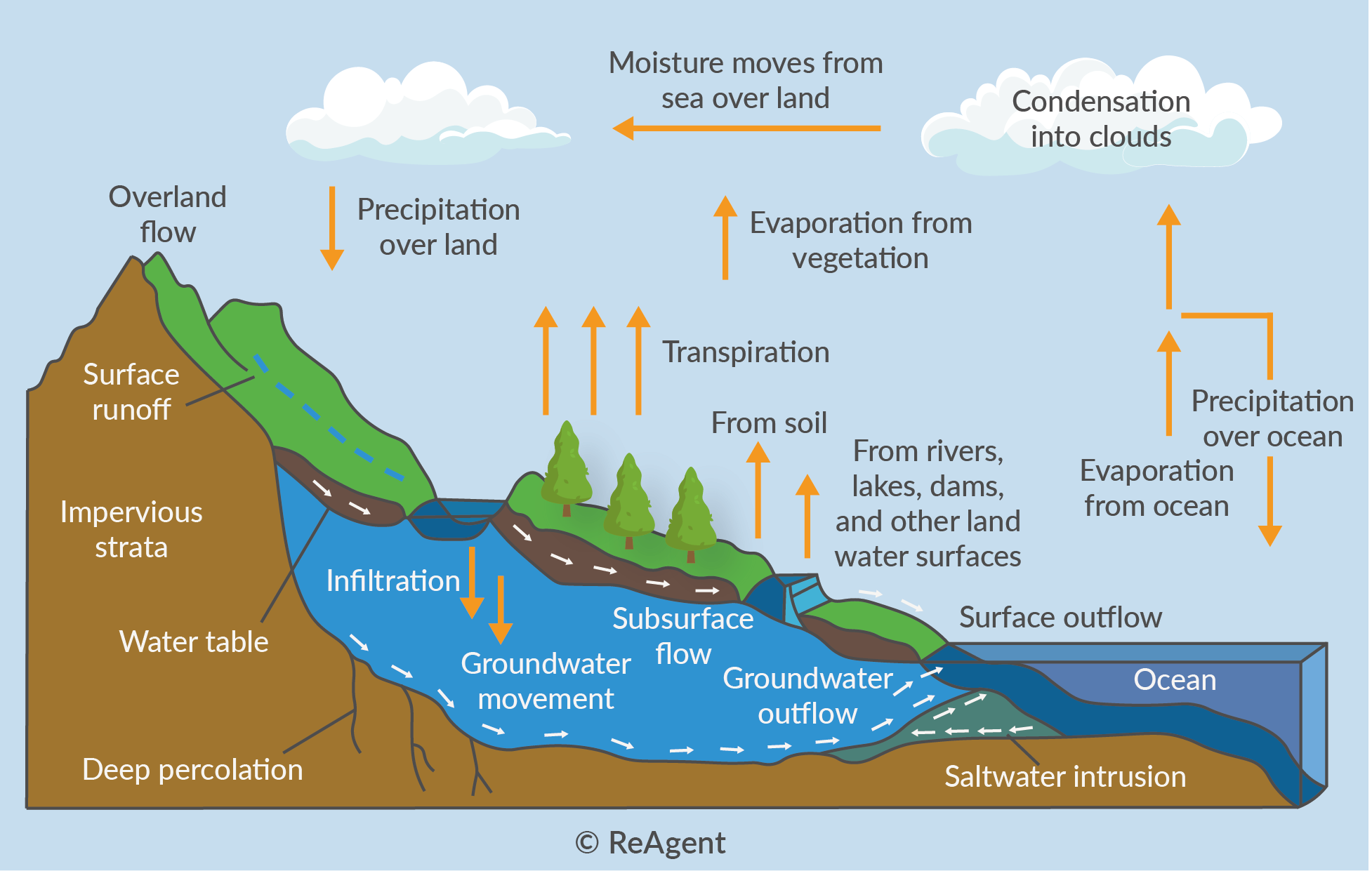
The process of condensation begins when a gas (or vapor) cools down to its dew point or is compressed to its saturation limit. At a molecular level, gas particles possess high kinetic energy, moving rapidly and freely. As the gas loses energy – typically through cooling – these particles slow down. When their kinetic energy falls below a certain threshold, the attractive intermolecular forces between them become strong enough to pull them closer together, overcoming their tendency to scatter. This transition from a disordered gaseous state to a more ordered liquid state is what we define as condensation.
A common misconception is that condensation requires extremely low temperatures. While cooling is a primary driver, it’s more accurate to say that condensation occurs when a gas reaches its saturation point for a given temperature and pressure. For instance, air can hold less water vapor at lower temperatures. If humid air cools, its capacity to hold water vapor diminishes, forcing the excess vapor to condense into liquid water droplets.
Key Factors: Temperature, Pressure, and Saturation
Three primary factors govern the likelihood and rate of condensation:
- Temperature: This is arguably the most critical factor. As the temperature of a gas drops, its molecules lose kinetic energy, making it easier for intermolecular forces to bind them. The “dew point” is a specific temperature at which air, saturated with water vapor, will begin to condense, assuming constant atmospheric pressure.
- Pressure: Increasing the pressure on a gas forces its molecules closer together. Even without a significant drop in temperature, sufficient compression can bring molecules close enough for condensation to occur, as their proximity enhances intermolecular attractions.
- Saturation (Humidity): The amount of water vapor (or any gas) present in a given volume of air or space relative to the maximum it can hold at that temperature is its saturation level. When the air is saturated (100% relative humidity for water vapor), any further cooling or increase in vapor content will lead to condensation.
Understanding these variables is crucial for predicting and controlling condensation in various technological environments, from meteorological models predicting fog to engineers designing climate control systems.
The Role of Nucleation Sites
For condensation to occur efficiently, especially in the atmosphere, often a surface or a microscopic particle is required. These are known as “nucleation sites.” In the atmosphere, dust, pollen, salt crystals, or even pollution particles act as condensation nuclei, providing a surface for water vapor molecules to cluster upon and transition into liquid droplets. Without these sites, supersaturation can occur, where the gas cools below its dew point but doesn’t condense readily because there’s no surface for the initial droplets to form. This principle is exploited in technologies like cloud seeding, where substances are introduced into the atmosphere to encourage precipitation. Similarly, in controlled technological environments, surfaces (like a cold pipe or circuit board) can become unintended nucleation sites, leading to problematic condensation.
Condensation as a Challenge in Technology
While seemingly benign, uncontrolled condensation poses significant challenges across various technological sectors, leading to equipment failure, material degradation, and substantial economic losses. Mitigating these risks drives much innovation in engineering.
Protecting Sensitive Electronics: Data Centers and Circuitry
Perhaps nowhere is the battle against condensation more critical than in environments housing sensitive electronics, most notably data centers. These facilities are the backbone of the digital age, operating 24/7 to power the internet, cloud computing, and AI applications. Servers, networking equipment, and storage devices generate immense heat, requiring sophisticated cooling systems. However, a delicate balance must be struck: cooling too aggressively without proper humidity control can lead to condensation forming on circuit boards and electrical components.
Liquid water on electronics can cause:
- Short Circuits: Water is a conductor, leading to electrical pathways where none should exist, causing components to fail.
- Corrosion: Even trace amounts of moisture, especially when combined with dust or airborne contaminants, can accelerate corrosion of metal contacts and solder joints.
- Data Loss and Downtime: Equipment failure due to condensation translates directly into costly downtime, data loss, and significant operational expenses.
Engineers employ precision climate control, often using CRAC (Computer Room Air Conditioner) or CRAH (Computer Room Air Handler) units, which not only cool the air but also precisely manage humidity levels to maintain the “ASHRAE recommended envelope” – a specific range of temperature and humidity where equipment operates optimally without risk of condensation or static discharge.
Industrial Processes: Preventing Corrosion and Inefficiency
Beyond electronics, industrial processes frequently encounter condensation as a detrimental factor. In manufacturing, chemical processing, power generation, and oil & gas, pipes, vessels, and machinery often operate at varying temperatures, creating conditions ripe for condensation.
Impacts include:
- Corrosion: Moisture combined with process chemicals or even atmospheric oxygen can accelerate corrosion of metal structures, leading to leaks, structural integrity issues, and costly repairs or replacements.
- Product Contamination: In processes requiring purity, such as pharmaceutical manufacturing or food processing, condensation within product lines or storage tanks can contaminate batches.
- Reduced Efficiency: Condensation on heat exchangers or cooling coils can form an insulating layer, reducing their efficiency and increasing energy consumption. Steam lines, if not properly drained, can accumulate condensate, leading to “water hammer” – a destructive phenomenon caused by slugs of liquid moving rapidly through the pipe.
Built Environments: HVAC, Mold, and Structural Integrity
In buildings, condensation is a major concern for HVAC (Heating, Ventilation, and Air Conditioning) systems, occupant health, and structural longevity. Condensation on windows, walls, or within insulation can lead to:
- Mold Growth: Persistent moisture provides an ideal breeding ground for mold and mildew, which can trigger allergies, respiratory issues, and degrade indoor air quality.
- Material Degradation: Repeated wetting and drying due to condensation can damage building materials like wood, drywall, and insulation, compromising structural integrity over time.
- Energy Inefficiency: Wet insulation loses its effectiveness, leading to increased heating and cooling costs. Furthermore, cold surfaces prone to condensation represent thermal bridges where energy is lost.
Architects and HVAC engineers meticulously design ventilation, insulation, and moisture barriers to manage indoor humidity and surface temperatures, preventing condensation issues.
Technological Innovations for Condensation Management
Addressing the challenges posed by condensation has spurred significant technological advancements, leading to more robust systems and healthier environments.
Advanced HVAC and Dehumidification Systems
Modern HVAC systems go far beyond simple heating and cooling. They incorporate sophisticated controls for humidity management. High-efficiency dehumidifiers, often integrated into central air systems, use refrigeration cycles to cool air below its dew point, condense the moisture, and then reheat the dry air before circulating it. Desiccant dehumidifiers utilize moisture-absorbing materials (like silica gel or lithium chloride) to remove humidity, particularly effective in low-temperature or very dry environments where refrigeration is less efficient. Smart building management systems (BMS) leverage an array of sensors and predictive algorithms to dynamically adjust HVAC operations, optimizing comfort, energy use, and condensation prevention.
Smart Sensors and Predictive Analytics
The ability to accurately monitor and predict condensation is paramount. Technological solutions include:
- Dew Point Sensors: These precision instruments directly measure the dew point, providing crucial data for engineers to ensure ambient conditions remain above this threshold in critical areas.
- Humidity and Temperature Sensors: Widely deployed in data centers, industrial facilities, and smart homes, these sensors feed real-time data into control systems.
- Thermal Imaging: Infrared cameras can identify cold spots on surfaces where condensation is likely to form, allowing for proactive intervention.
- Predictive Analytics: By collecting historical data from these sensors and combining it with weather forecasts, AI-driven algorithms can predict when and where condensation risks are highest, enabling automated system adjustments or human intervention before damage occurs.
Novel Materials and Surface Coatings
Materials science plays a crucial role in mitigating condensation. Innovations include:
- Hydrophobic and Hydrophilic Coatings: Surfaces can be engineered to either repel water (hydrophobic, causing water to bead up and roll off) or attract it (hydrophilic, causing water to spread thinly), depending on the application. Anti-fog coatings on glasses or car windshields are examples of engineered surfaces.
- Insulating Materials: Advanced insulation, including aerogels and vacuum insulated panels, prevents surface temperatures from dropping below the dew point, thus reducing condensation risk in buildings and industrial equipment.
- Phase Change Materials (PCMs): While not directly preventing condensation, PCMs can help stabilize temperatures, reducing the likelihood of surfaces reaching their dew point by absorbing or releasing thermal energy.
Energy Efficiency and Sustainable Solutions
The drive for condensation control is increasingly intertwined with energy efficiency and sustainability goals. By precisely managing humidity and temperature, systems can avoid over-cooling or over-heating, saving energy. Technologies that harness rather than fight condensation, such as atmospheric water generators (AWG), represent sustainable approaches to water scarcity, demonstrating a shift from mitigation to utilization.
Future Frontiers: Leveraging Condensation for Innovation
While often viewed as a challenge, the precise control and understanding of condensation open doors to groundbreaking technological applications.
Atmospheric Water Generation (AWG) Technologies
AWG technologies are designed to extract potable water from the air by inducing condensation. These systems are becoming increasingly sophisticated, ranging from large-scale industrial units to small, portable devices. They cool humid air below its dew point, collect the condensed water, and purify it. As global water scarcity intensifies, AWG offers a decentralized and sustainable solution, particularly for arid regions or disaster relief, representing a powerful example of harnessing a natural process for human benefit. Innovations in materials science for improved condensation surfaces and energy-efficient cooling mechanisms are continually enhancing their viability.
Enhanced Heat Transfer and Cooling Systems
Condensation is a highly efficient heat transfer mechanism. When a vapor condenses into a liquid, it releases a significant amount of latent heat. This principle is exploited in:
- Heat Pipes and Vapor Chambers: These passive heat transfer devices use the continuous evaporation and condensation of a working fluid to transfer heat rapidly from a hot source to a cold sink, crucial for cooling high-power electronics like CPUs and GPUs.
- Refrigeration Cycles: The core of refrigerators, air conditioners, and industrial chillers relies on the controlled condensation (and evaporation) of a refrigerant to move heat.
- Enhanced Condensers: Research into micro-structured or specially coated surfaces aims to accelerate condensation rates and improve heat transfer efficiency in power plants and industrial processes, leading to more compact and efficient cooling apparatuses.
Microfluidics and Lab-on-a-Chip Applications
In the field of microfluidics, the precise control of fluids at the micro-scale, condensation can be engineered for novel applications. For example, micro-patterns can be used to direct condensation pathways on a chip, enabling droplet manipulation for chemical reactions, diagnostic assays (lab-on-a-chip), or even fog harvesting at a miniature scale. The ability to form, move, and merge droplets through controlled condensation opens up new avenues for miniature analytical devices and advanced materials science research.
In conclusion, “what process is condensation” might seem like a simple scientific inquiry, but within the technological sphere, it unveils a complex interplay of challenges and innovations. From safeguarding our digital infrastructure and industrial operations to pioneering sustainable water solutions and advanced cooling technologies, the mastery of condensation continues to drive significant research and development, underscoring its profound and enduring relevance in our increasingly technologically advanced world.
aViewFromTheCave is a participant in the Amazon Services LLC Associates Program, an affiliate advertising program designed to provide a means for sites to earn advertising fees by advertising and linking to Amazon.com. Amazon, the Amazon logo, AmazonSupply, and the AmazonSupply logo are trademarks of Amazon.com, Inc. or its affiliates. As an Amazon Associate we earn affiliate commissions from qualifying purchases.