
The allure of the gig economy is undeniable. Promises of flexibility, being your own boss, and earning extra cash on your own terms have drawn millions to platforms like Uber. For many, becoming an Uber driver represents an accessible entry point into this evolving landscape, offering a seemingly straightforward path to supplementary income or even a full-time livelihood. However, beneath the surface of readily available rides and easy payouts lies a more complex financial reality, prompting a crucial question for prospective and current drivers alike: what percentage do Uber drivers actually make? The answer, as we will explore through the lenses of technology, personal branding, and astute financial management, is far from a simple number. It’s a dynamic equation influenced by Uber’s ever-evolving algorithms, driver strategy, and the often-overlooked costs of doing business. Understanding this intricate interplay is key to truly assessing the profitability and sustainability of driving for Uber.

The Evolving Earnings Model: Beyond a Simple Commission Cut
At its core, the relationship between Uber and its drivers is transactional: drivers provide a service, and Uber facilitates the connection, taking a share of the revenue. However, the exact “percentage” Uber takes, and consequently, the percentage drivers make, is not static or transparently simple. It’s influenced by a multi-layered earnings model that has evolved significantly over time.
Understanding Uber’s Commission Structure
Initially, Uber operated on a relatively clear commission model, often taking a fixed percentage, typically 20-25%, from the fare paid by the rider. This percentage was applied to the “net fare,” which generally excluded booking fees, local taxes, or other surcharges Uber might add. For a long time, drivers could roughly estimate their gross earnings by subtracting this percentage.
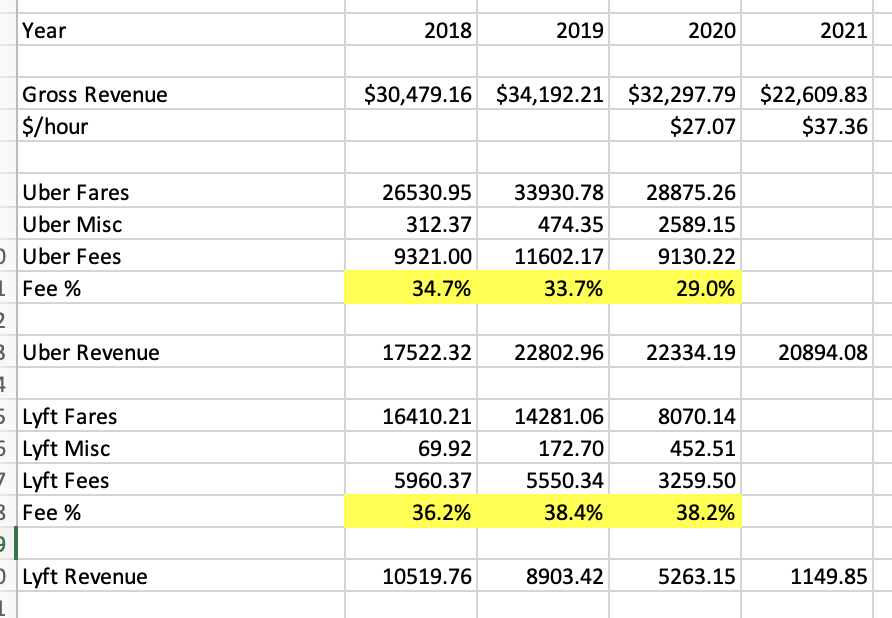
However, the model has become considerably more opaque and dynamic. Uber increasingly utilizes a “dynamic pricing” model where the rider’s fare is calculated independently of the driver’s pay. This means that while a rider might pay a significant amount for a trip, especially during surge pricing, the driver’s earnings for that same trip might be based on a per-minute and per-mile rate, plus a small base fare, which doesn’t always scale proportionally with the rider’s cost. Uber’s “service fee” or “booking fee” charged to the rider often goes entirely to Uber and is not part of the base fare from which the driver’s percentage is calculated. This creates a significant gap between what a rider pays and what a driver receives, making a straightforward “percentage” calculation from the total fare difficult and often misleading. The actual percentage Uber takes from the total money collected can sometimes exceed 40-50% on certain rides, especially shorter ones, leaving drivers with a smaller percentage of the total transaction value.
The Driver’s Take-Home: Gross vs. Net Earnings
To grasp what Uber drivers truly make, it’s essential to distinguish between gross earnings and net earnings. Gross earnings represent the total amount Uber pays out to the driver before any personal expenses or taxes are considered. This includes the per-mile and per-minute rates, any base fares, and importantly, incentives. Uber frequently offers various incentives designed to encourage drivers to be on the road during peak times or to complete a certain number of trips. These can include:
- Surge Pricing: Multipliers applied to fares during periods of high demand, significantly boosting gross earnings for specific trips.
- Quests: Bonuses for completing a set number of trips within a defined timeframe (e.g., “complete 20 trips for an extra $100”).
- Boosts: Guaranteed fare multipliers in specific high-demand areas at certain times.
- Referral Bonuses: Rewards for bringing new drivers or riders to the platform.
While these incentives can substantially increase a driver’s gross income, they are unpredictable and require strategic driving. The real challenge, and the true measure of a driver’s earnings, comes when we subtract the considerable operational expenses from the gross income, leading to the net earnings – the money a driver actually takes home. This transition from gross to net is where the concept of “what percentage drivers make” truly takes shape, as the percentage must account for all costs associated with providing the service.
The Financial Landscape: Expenses That Eat Into Profit
The biggest misconception about Uber driving is often the failure to account for the substantial and varied expenses involved. These costs, often overlooked by new drivers, significantly diminish the take-home percentage, transforming what might look like decent gross earnings into a much more modest net profit. Understanding and meticulously tracking these expenses is paramount for any driver serious about optimizing their income and making Uber driving financially viable. This is where prudent financial management, a core “Money” principle, becomes crucial.
Vehicle-Related Costs
The primary tool for an Uber driver is their car, and using it for commercial purposes incurs a heavy toll. These vehicle-related expenses are a constant drain on earnings:
- Fuel: This is often the largest recurring expense. Driving extensively, especially in stop-and-go city traffic, leads to high fuel consumption. Prices fluctuate, making budgeting difficult, and efficient route planning becomes critical to mitigate this cost.
- Maintenance and Repairs: Uber driving puts immense wear and tear on a vehicle. Routine maintenance (oil changes, tire rotations, brake pads, filters) becomes more frequent and costly. Unexpected repairs (transmission issues, engine problems, suspension wear) can quickly wipe out weeks of earnings. Tires, in particular, wear out much faster than with typical personal use.
- Depreciation: This is the silent killer of profitability. Every mile driven for Uber reduces the car’s resale value. While not a direct cash outflow, it’s a very real financial loss that impacts the long-term asset value of the vehicle. A car used for ridesharing ages faster and loses value more rapidly than one used for personal commuting.
- Insurance: Standard personal auto insurance policies typically do not cover commercial ridesharing activities. Drivers usually need a rideshare endorsement, a specific commercial policy, or a policy from an insurer that explicitly covers gig work. These policies are often more expensive, adding another significant recurring cost.
- Cleaning: Maintaining a clean and presentable vehicle is crucial for good ratings and driver success. This means frequent car washes, interior detailing, and supplies like air fresheners, which are direct operational expenses.
Operational and Business Costs
Beyond the vehicle itself, there are several other operational costs that chip away at a driver’s percentage:
- Self-Employment Taxes: Perhaps the most significant overlooked expense. As independent contractors, Uber drivers are responsible for paying self-employment taxes (Social Security and Medicare), along with federal, state, and local income taxes. This can easily amount to 25-40% or more of net profits, depending on total income and deductions. Many new drivers fail to budget for this, leading to nasty surprises at tax time.
- Smartphone Data Plan: The Uber Driver app relies heavily on GPS and real-time data. A robust data plan is essential, and excessive usage can push drivers into higher-cost tiers or lead to overage charges. The phone itself also experiences accelerated wear and tear.
- Supplies for Riders: While optional, many drivers provide water, snacks, phone chargers, or other amenities to enhance the rider experience and improve ratings/tips. These small costs add up.
- Licensing and Permits: Some cities or states require specific commercial licenses, permits, or background checks beyond Uber’s requirements, incurring additional fees.
- Accounting and Expense Tracking Tools: While not always a direct cash outlay for an app, the time and effort required to meticulously track mileage, fuel, and other expenses for tax purposes are a real cost. Investing in an expense tracking app (like Everlance or Stride) can save time and ensure accurate deductions, but often comes with a subscription fee.
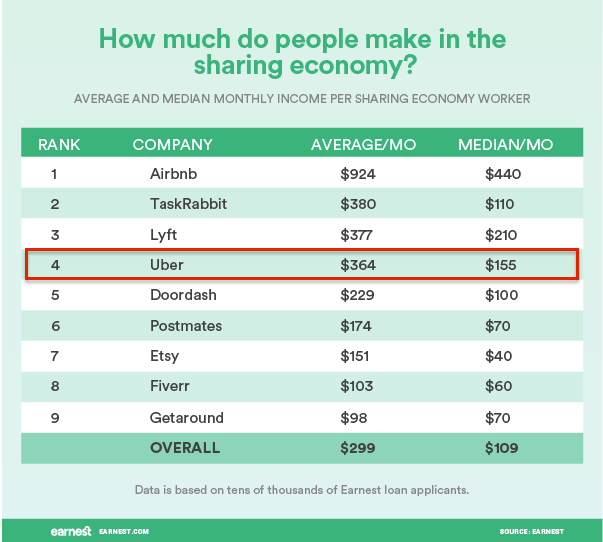
When all these expenses are factored in, the initial gross percentage of a fare can dwindle dramatically, sometimes leaving drivers with a net take-home percentage that feels alarmingly low. It’s not uncommon for drivers to find that, after all costs, their hourly wage is barely above, or sometimes even below, the local minimum wage, especially if they are not strategic about their driving.
Leveraging Technology and Branding for Better Returns
While the expenses are substantial, smart drivers leverage both technology and personal branding to optimize their earnings and maximize their effective take-home percentage. These elements, rooted in the “Tech” and “Brand” pillars of our discussion, are crucial differentiators in the competitive gig economy.
Tech Tools for Optimization and Efficiency
Technology isn’t just the platform itself; it’s a suite of tools that drivers can deploy to gain an edge:
- Navigation Apps (Waze, Google Maps): Beyond Uber’s in-app navigation, using advanced mapping apps can provide real-time traffic updates, suggest optimal routes to avoid congestion, and help drivers learn their service area more efficiently. This directly translates to saving fuel and time, increasing the number of trips possible in an hour, and improving customer experience through faster arrivals.
- Expense and Mileage Tracking Apps (Everlance, Stride): These dedicated apps automatically track mileage, categorize expenses, and help drivers understand their true profitability. They simplify tax preparation by generating detailed reports, ensuring drivers claim all eligible deductions, which directly impacts their net income by reducing their tax burden. For an independent contractor, diligent record-keeping is a financial superpower.
- Fuel Price Comparison Apps: Apps like GasBuddy help drivers locate the cheapest fuel prices in their vicinity, leading to significant savings over time on their largest variable expense.
- Uber Driver App Features: Understanding and utilizing features within the Uber Driver app itself, such as destination filters (to get rides heading towards a specific area), heat maps (to identify surge zones), and earning summaries, allows drivers to strategize their driving and maximize high-paying opportunities.
- Vehicle Diagnostics Tools: OBD-II scanners (on-board diagnostics) that connect to a smartphone can help drivers monitor their car’s health, identify potential issues early, and understand fuel efficiency, potentially saving on repair costs and optimizing driving habits.
These technological aids transform driving from a passive activity into a data-driven enterprise, enabling drivers to make informed decisions that directly boost their effective earnings percentage.
Personal Branding in the Gig Economy
In a crowded market, a driver’s “brand” can be as important as their vehicle. While Uber provides the platform, the driver provides the unique service experience. This personal branding directly impacts ratings, tips, and ultimately, earning potential:
- The Power of Driver Ratings: High ratings are paramount. A consistently high rating (e.g., 4.9 stars out of 5) grants drivers access to better opportunities, ensures they remain active on the platform, and subtly communicates reliability and quality to riders. Poor ratings can lead to deactivation, entirely cutting off income.
- Exceptional Customer Service: This is the core of personal branding for an Uber driver. It encompasses:
- Cleanliness and Comfort: A spotless car, free from odors, with a comfortable interior, is fundamental. Providing amenities like phone chargers, water, or pleasant music (at an appropriate volume) elevates the experience.
- Professional Demeanor: Being polite, friendly, and respectful creates a positive atmosphere. Engaging in appropriate conversation or respecting a rider’s desire for silence are key.
- Safe and Smooth Driving: This builds trust and ensures a stress-free journey.
- Communication: Confirming destinations or advising on potential delays contributes to a professional image.
- Impact on Tips: While not guaranteed, excellent service and a positive “brand” directly correlate with higher tips. Tips, which are 100% retained by the driver, significantly boost the overall net earnings percentage and can make a substantial difference to daily income. A driver who consistently earns tips effectively increases their percentage take-home above what Uber’s base pay offers.
- Differentiating from the Competition: In a market with many drivers, those who go the extra mile to provide a superior experience stand out. This can lead to more consistent positive reviews, potentially even rider requests for specific drivers (though rare on Uber, it happens on some platforms), and a more enjoyable work experience.
By actively cultivating a positive personal brand, drivers transform their service into an experience, influencing rider satisfaction and, critically, their financial outcomes.
The Broader Economic Picture: Is It Worth It?
Ultimately, the question of “what percentage do Uber drivers make” boils down to whether the endeavor is financially worthwhile. This requires looking beyond simple percentages to evaluate the true hourly wage equivalent and weigh it against the inherent flexibility.
The Hourly Wage Equivalent: A More Realistic Metric
Instead of focusing on the abstract percentage Uber takes or even the percentage of the gross fare a driver receives, a more pragmatic approach is to calculate the effective hourly wage after all expenses and taxes. This provides a clearer picture of the actual economic benefit. Many studies and driver accounts suggest that after deducting fuel, maintenance, insurance, depreciation, and taxes, the net hourly wage can range widely, often landing between $8-$15 per hour in many markets, before accounting for busy periods or exceptional strategies. This figure is highly variable based on:
- Market Demand: Densely populated urban areas with high demand generally offer better earning potential than suburban or rural ones.
- Time of Day/Week: Driving during peak hours (commutes, weekend evenings) and during surge pricing events maximizes income.
- Driver Strategy: Efficient routing, accepting profitable rides, and working during optimal times are critical.
- Vehicle Efficiency: A fuel-efficient car will yield a higher net hourly wage.
When compared to traditional employment, this hourly wage can be competitive for some, especially for those seeking supplementary income. However, for those attempting to make a full-time living, it often requires long hours and meticulous financial management to achieve a sustainable income, and it certainly comes without traditional benefits like health insurance, paid time off, or retirement contributions.
Flexibility vs. Financial Stability
The primary selling point of Uber driving remains its unparalleled flexibility. Drivers can set their own hours, work when it suits them, and take breaks as needed. This autonomy is invaluable for students, parents, retirees, or individuals juggling multiple commitments. It allows them to earn income on a schedule that traditional jobs simply cannot accommodate.
However, this flexibility often comes at the cost of financial stability. Income can be unpredictable, fluctuating with demand, weather, local events, and the number of other drivers on the road. There’s no guaranteed minimum income, no unemployment benefits during slow periods, and the steady erosion of vehicle value creates a hidden long-term financial risk. For some, the freedom and autonomy outweigh the financial uncertainty, making Uber driving a perfect side hustle. For others, particularly those attempting to rely on it as their sole income, the low net percentage and variable hourly wage can lead to significant financial stress if not managed with extreme diligence and strategic planning.
In conclusion, there is no single, simple percentage that Uber drivers “make.” The actual take-home is a complex calculation influenced by Uber’s dynamic payment model, a host of often-underestimated operating expenses, and the driver’s own strategy in leveraging technology and personal branding. While Uber’s official commission structure might suggest a certain percentage of the gross fare goes to the driver, a realistic assessment must deduct all costs – from fuel and maintenance to depreciation and self-employment taxes – to arrive at a true net percentage. For many, this net figure, when translated into an hourly wage, is often modest. Success in the gig economy, particularly with Uber, hinges on understanding these multifaceted financial dynamics, employing technological tools for efficiency, cultivating a strong personal brand for higher tips and ratings, and meticulously managing expenses to maximize the net percentage retained. It’s a venture that rewards strategic thinking, financial discipline, and a proactive approach to what is undeniably a demanding form of independent contracting.
aViewFromTheCave is a participant in the Amazon Services LLC Associates Program, an affiliate advertising program designed to provide a means for sites to earn advertising fees by advertising and linking to Amazon.com. Amazon, the Amazon logo, AmazonSupply, and the AmazonSupply logo are trademarks of Amazon.com, Inc. or its affiliates. As an Amazon Associate we earn affiliate commissions from qualifying purchases.