
In the modern industrial and automotive landscape, few technical terms have carried as much weight—or caused as much controversy—as NOx emissions. Standing for various nitrogen oxides, primarily nitrogen dioxide (NO2) and nitric oxide (NO), NOx represents a significant challenge for engineers, software developers, and environmental technologists. As global regulations tighten, the technological response has evolved from simple mechanical filters to complex, AI-driven systems designed to neutralize these pollutants at the molecular level.
To understand what NOx emissions are from a technical perspective, one must look beyond the exhaust pipe and into the sophisticated ecosystem of sensors, chemical processors, and digital management systems that define modern combustion technology.
The Science and Sensors of Nitrogen Oxides
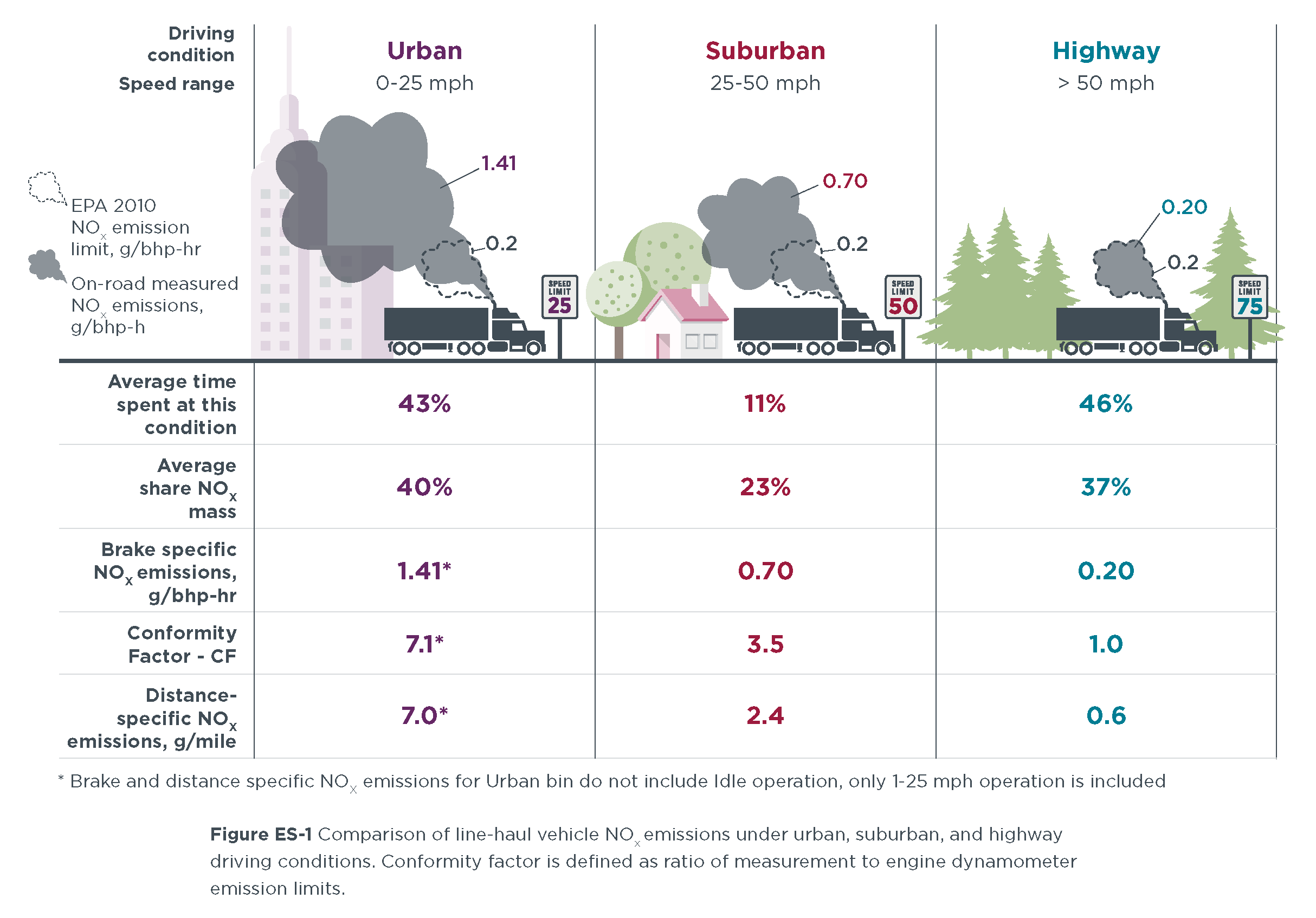
At its core, the production of NOx is an engineering paradox. These gases are primarily formed during high-temperature combustion when nitrogen and oxygen—both abundant in the air—react with one another. Paradoxically, the more efficient an engine is at burning fuel (higher temperatures), the more NOx it tends to produce. This creates a technical tug-of-war between fuel efficiency and emission purity.
Defining NOx in a Technical Context
Nitrogen oxides are byproduct gases that result from the high-pressure, high-heat environment of internal combustion engines, particularly diesel engines, as well as industrial boilers and power plants. From a technical standpoint, managing NOx is about controlling the chemical reaction kinetics within the combustion chamber. Tech firms and automotive engineers focus on “thermal NOx,” which accounts for the majority of emissions. By manipulating the timing of fuel injection and the air-to-fuel ratio, engineers attempt to find the “sweet spot” where power is maximized and pollutants are minimized.
The Role of Gas Sensors and IoT Monitoring
The first line of defense in the tech stack against NOx is the sensor array. Modern vehicles and industrial stacks are equipped with high-precision electrochemical and ceramic sensors capable of measuring gas concentrations in parts per million (ppm).
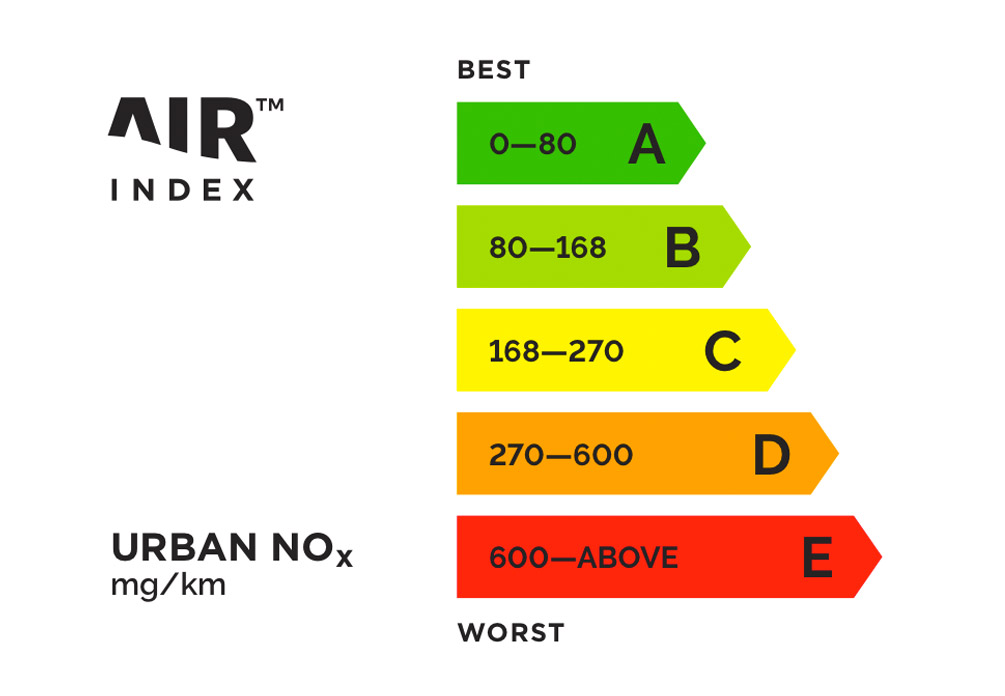
These sensors do not merely report data to a dashboard; they are integral components of an Internet of Things (IoT) ecosystem. In smart cities, localized NOx sensors are deployed across urban grids to provide real-time air quality data. This data is fed into cloud-based platforms that can predict “pollution hotspots” using machine learning, allowing city planners to adjust traffic flow via smart signaling to reduce idling and, consequently, NOx concentration.
Engineering Solutions for Emission Control
When the hardware cannot prevent the formation of NOx during combustion, the focus shifts to “after-treatment” technologies. This is where mechanical engineering meets chemical processing.
Selective Catalytic Reduction (SCR) Systems
SCR is arguably the most significant technological leap in NOx reduction. The system works by injecting a liquid reductant—usually a high-purity urea solution known as AdBlue—into the exhaust stream. When this solution hits the hot exhaust, it decomposes into ammonia. This ammonia then reacts with NOx over a catalyst, converting the harmful gases into harmless nitrogen and water vapor.
The technical complexity of SCR lies in the dosing logic. If too little urea is injected, NOx levels remain high. If too much is injected, “ammonia slip” occurs, releasing a different pollutant. Therefore, SCR systems rely on complex algorithms that account for engine load, exhaust temperature, and ambient humidity to calculate the precise milligram of fluid required for every second of operation.
Exhaust Gas Recirculation (EGR) Hardware
Before the exhaust even reaches the SCR, many engines utilize Exhaust Gas Recirculation (EGR). This technology works by looping a portion of the engine’s exhaust back into the combustion chambers. Because this recirculated gas is inert and displaces some of the oxygen-rich fresh air, it lowers the peak combustion temperature. Since NOx formation is temperature-dependent, this cooling effect significantly reduces the initial volume of pollutants. The engineering challenge here involves cooling the recirculated gas via heat exchangers and ensuring the engine remains stable despite the lower oxygen levels.

The Digital Intelligence of Emission Management
Hardware alone is no longer sufficient to meet modern standards. The “brains” behind emission control are found in the Electronic Control Unit (ECU) and the sophisticated software layers that govern mechanical behavior.
ECU Mapping and Real-time Optimization
Modern engine management is a software-defined process. The ECU runs thousands of calculations per second, adjusting fuel rail pressure, turbocharger geometry, and injection timing. These “maps” are essentially high-dimensional data tables that tell the engine how to behave under any given circumstance.
The software must balance conflicting goals: performance, fuel economy, and emission compliance. In the wake of the “Dieselgate” scandal, where software was used to detect testing conditions and lower emissions only during audits, the tech industry has pivoted toward more transparent, “always-on” emission logic. Current software architectures are designed to be “tamper-proof,” utilizing encrypted bootloaders to ensure that emission-control parameters cannot be bypassed by third-party tuning.
AI and Predictive Maintenance for Emission Control
Artificial Intelligence is now being integrated into the lifecycle of emission tech. Predictive maintenance algorithms analyze sensor data to detect when a catalyst is degrading or when a NOx sensor is beginning to drift out of calibration. By identifying these issues before they result in a “Check Engine” light or an emission failure, fleet operators can maintain peak efficiency.
Furthermore, deep learning models are being used to simulate combustion cycles in a virtual environment. This “Digital Twin” technology allows engineers to test thousands of variations in piston head design and spray patterns to minimize NOx formation before a physical prototype is even built, drastically reducing R&D cycles.
Future Tech: Beyond Combustion and the Transition to Zero
As the world pivots toward electrification, the technical discussion around NOx is shifting. While battery electric vehicles (BEVs) eliminate tailpipe NOx entirely, the transition period involves “transitional technologies” that still require rigorous emission management.
Hydrogen Combustion and NOx Challenges
One of the most exciting frontiers in green tech is hydrogen combustion. While burning hydrogen produces no CO2, it still produces NOx because it burns at incredibly high temperatures in the presence of nitrogen (from the air). Engineers are currently developing specialized “lean-burn” hydrogen engines and advanced water-injection systems to quench the heat and eliminate NOx. This represents the next great hurdle for internal combustion tech—achieving truly zero-impact power.
Smart City Infrastructure and Emission Tracking
The future of NOx management is not just inside the vehicle, but in the infrastructure itself. We are seeing the rise of “Digital Twins” for entire cities. By combining satellite data, ground-level sensors, and traffic flow software, tech platforms can create a real-time 3D map of NOx dispersion.
This leads to the concept of “Geofencing.” Modern plug-in hybrid vehicles can be programmed via GPS to automatically switch to pure-electric mode when they enter a high-pollution “Low Emission Zone” (LEZ). This seamless integration of geospatial data and vehicle control systems is the pinnacle of current emission technology, ensuring that NOx is reduced exactly where it does the most harm to human health.
Conclusion
What are NOx emissions? In the context of the technology industry, they are a problem-set that has sparked some of the most ingenious engineering and software developments of the 21st century. From the chemical elegance of Selective Catalytic Reduction to the predictive power of AI-driven sensor networks, the “Tech” of NOx is a testament to human ingenuity.
As we move toward a future defined by smart infrastructure and carbon neutrality, the lessons learned in controlling nitrogen oxides—managing complex data, perfecting sensor precision, and integrating hardware with software—will form the foundation of our next generation of clean energy solutions. The goal is no longer just to “filter” our impact on the world, but to use digital intelligence to design systems that are inherently clean from the first spark to the final mile.
aViewFromTheCave is a participant in the Amazon Services LLC Associates Program, an affiliate advertising program designed to provide a means for sites to earn advertising fees by advertising and linking to Amazon.com. Amazon, the Amazon logo, AmazonSupply, and the AmazonSupply logo are trademarks of Amazon.com, Inc. or its affiliates. As an Amazon Associate we earn affiliate commissions from qualifying purchases.