
In the rapidly evolving world of digital assets, the question of “what network is XRP on” is more than a technical inquiry; it is a fundamental starting point for understanding one of the most significant innovations in the financial technology sector. Unlike many popular cryptocurrencies that operate on the foundations of Bitcoin or Ethereum, XRP operates on its own purpose-built, open-source blockchain known as the XRP Ledger (XRPL).
For investors, financial institutions, and fintech enthusiasts, understanding the architecture and the specific network of XRP is crucial. The XRP Ledger was designed with a specific commercial goal in mind: to facilitate the seamless, low-cost, and instantaneous transfer of value across borders. This focus on financial utility distinguishes it from other networks that prioritize decentralized applications or store-of-value narratives.
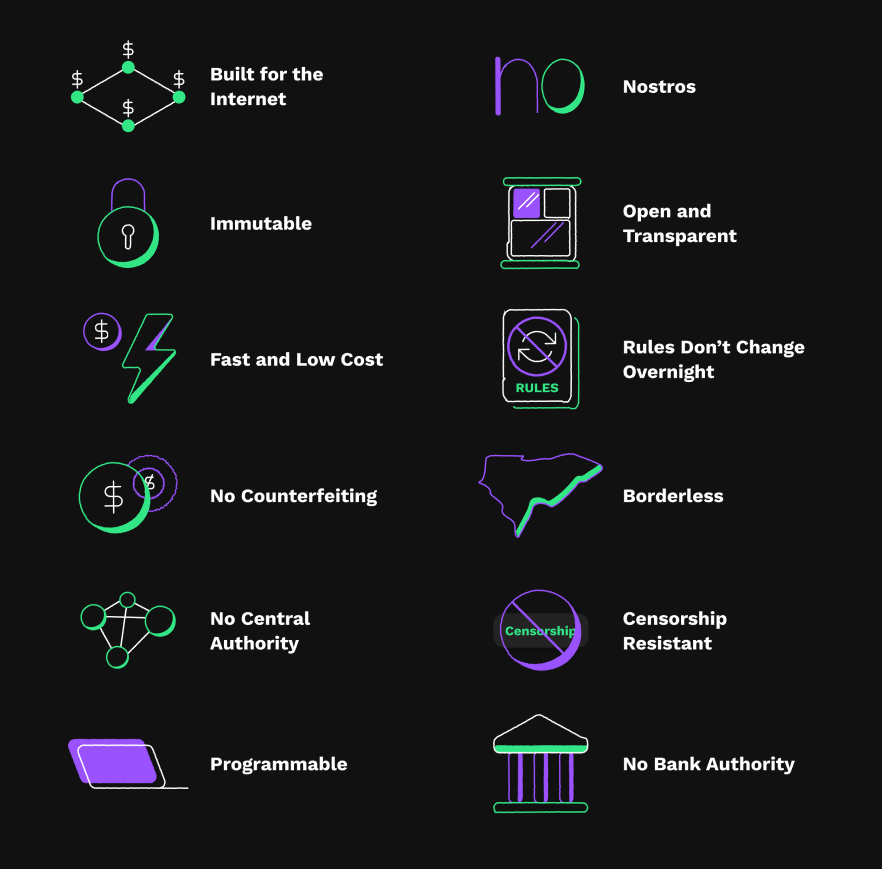
The Architecture of the XRP Ledger (XRPL)
To understand what network XRP is on, one must first look at the XRP Ledger. Launched in 2012 by Arthur Britto, Jed McCaleb, and David Schwartz, the XRPL was built to improve upon the perceived limitations of Bitcoin—specifically its energy consumption and slow transaction speeds.
Decentralization and the Consensus Protocol
At the heart of the XRP Ledger is a unique consensus mechanism known as the XRP Ledger Consensus Protocol. Unlike Bitcoin, which relies on Proof-of-Work (PoW), or newer networks that use Proof-of-Stake (PoS), the XRPL uses a federated consensus model. In this system, designated servers known as “validators” agree on which transactions are valid and should be added to the ledger.
From a financial perspective, this architecture is highly efficient. Because there is no “mining” involved, the cost of securing the network is negligible. This allows the XRPL to process transactions in 3 to 5 seconds, a stark contrast to the minutes or hours required by older blockchain networks. For a business or a bank, this speed is the difference between a real-time settlement and a delayed liability.
How XRPL Differs from Proof-of-Work and Proof-of-Stake
In the world of personal finance and investing, the “how” of a network often dictates its long-term viability. Proof-of-Work networks require massive amounts of electricity, which has led to environmental concerns and high transaction fees during periods of congestion. Proof-of-Stake, while more efficient, can sometimes lead to wealth concentration, where those with the most capital have the most control over the network.
The XRP Ledger’s consensus protocol avoids both pitfalls. It is carbon-neutral and does not reward validators with newly minted tokens. Instead, validators are motivated by the health and stability of the network itself. For the institutional investor, this provides a predictable, stable environment that is less prone to the “gas fee” spikes seen on the Ethereum network.
The Financial Utility of XRP as a Settlement Asset
While the network itself is the XRPL, the primary asset utilized on this network is XRP. In the context of global finance, XRP serves as a bridge currency. The network was engineered to solve the “pre-funding” problem that plagues the current international banking system.
Bridging Currencies in Cross-Border Payments
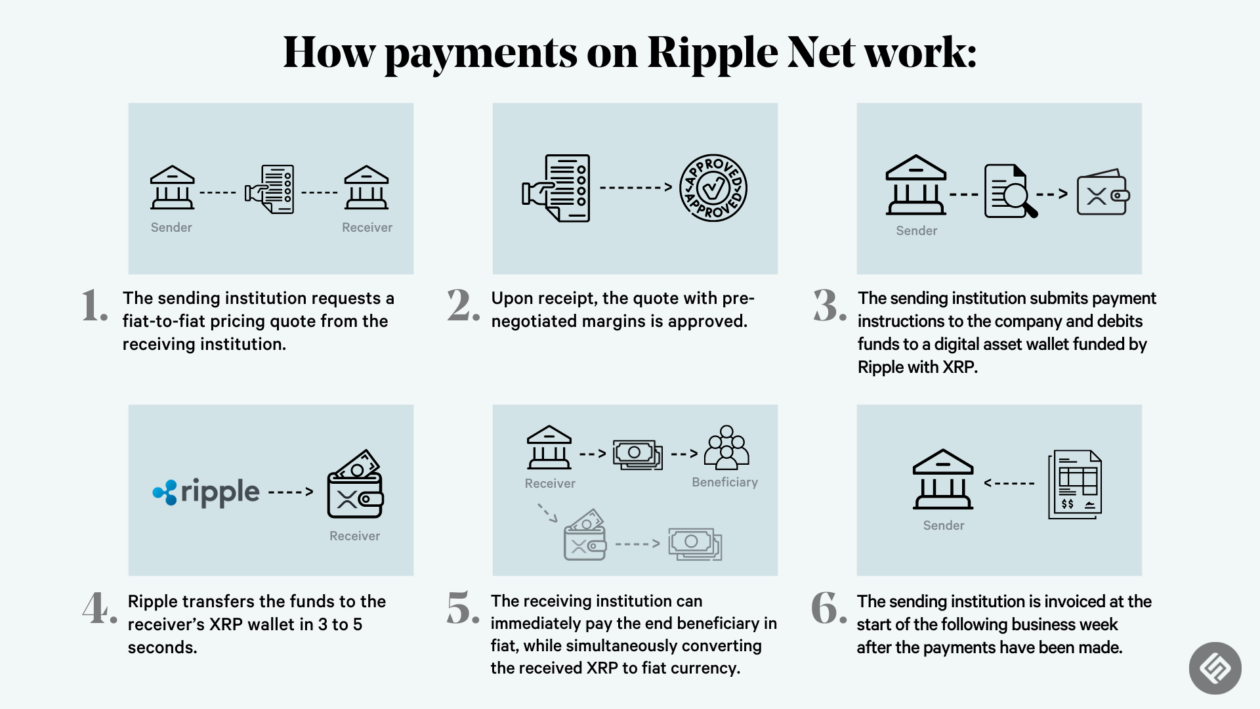
Currently, if a bank in the United States wants to send money to a bank in Southeast Asia, they must maintain “Nostro/Vostro” accounts filled with local currency in that region. This traps trillions of dollars in stagnant accounts globally. The XRP network offers a solution to this through its ability to act as a universal bridge.
By using the XRP Ledger, a financial institution can convert USD into XRP, send that XRP across the globe in seconds, and have it converted into the destination currency (such as the Philippine Peso or the Euro) instantly. This eliminates the need for pre-funded accounts, freeing up capital that businesses can use for expansion, research, or dividends.
On-Demand Liquidity (ODL) and Institutional Adoption
One of the most significant financial tools built on the XRP network is Ripple’s On-Demand Liquidity (ODL) service. It is important to distinguish between Ripple (the company) and the XRP Ledger (the network). Ripple is a major contributor to the ledger and uses it to provide liquidity solutions to global financial institutions.
For an investor looking at the “money” aspect of XRP, ODL is the primary driver of utility. When a payment provider uses ODL, they are buying and selling XRP on the open market in real-time to facilitate a transfer. This creates organic demand for the asset based on its utility as a financial tool rather than purely on speculative trading.

XRP in the Broader Investment Landscape
When discussing what network XRP is on, one cannot ignore its position in the global market. As one of the top digital assets by market capitalization, XRP has become a staple in many diversified portfolios. However, the financial implications of its network design go beyond just price action.
Market Position and Liquidity Trends
XRP is known for having some of the highest liquidity in the digital asset space. This is a direct result of the XRP Ledger’s design, which includes a built-in decentralized exchange (DEX). The XRPL was actually the first blockchain to feature a DEX, allowing users to trade XRP for other “issued currencies” (such as stablecoins or tokenized gold) directly on the ledger without needing a centralized intermediary.
For the savvy investor, this built-in liquidity means that the network is highly resilient. Large transactions can be absorbed with minimal “slippage,” making it an attractive network for institutional-grade wealth management.
Regulatory Environments and Their Impact on Value
The financial journey of XRP has been closely tied to regulatory developments, particularly in the United States. The SEC’s scrutiny of XRP and Ripple has been a focal point for investors for several years. The core of this debate often centers on whether the distribution of XRP on its network constituted an investment contract.
From a financial strategy perspective, the clarity provided by legal rulings in these cases is paramount. As the network gains more regulatory certainty, it becomes more attractive to conservative financial institutions that require a clear legal framework before integrating blockchain technology into their settlement layers.
The Future of the XRP Network: CBDCs and DeFi
As we look toward the future of money, the XRP Ledger is positioning itself as a foundational layer for the next generation of financial products. This includes the rise of Central Bank Digital Currencies (CBDCs) and the expansion of Decentralized Finance (DeFi).
Central Bank Digital Currencies on a Private Ledger
Many central banks are currently exploring how to digitize their national currencies. While the public XRP Ledger is open to everyone, the technology behind it can be used to create “CBDC Private Ledgers.” These are sidechains that provide central banks with the privacy and control they require, while still being able to interoperate with the public XRP Ledger for international settlements.
For the global economy, this represents a shift toward a more integrated financial system where the “silos” of national banking are connected by a high-speed, low-cost digital network. This increases the velocity of money—a key metric in economic growth.
The Evolution of Decentralized Finance (DeFi) on XRPL
While Ethereum and Solana are often the first names mentioned in DeFi, the XRP Ledger is making significant strides in this area. With the introduction of “Hooks” (smart contract functionality) and the Automated Market Maker (AMM) protocol, the XRPL is evolving into a hub for sophisticated financial instruments.
Investors are now looking at the XRP network for opportunities in lending, borrowing, and yield farming, but with the added benefits of the XRPL’s speed and low cost. In a world where an Ethereum transaction can cost $50 in fees, a network where the same transaction costs a fraction of a cent is a compelling financial proposition.
Conclusion: The Strategic Value of the XRPL
In summary, when we ask “what network is XRP on,” the answer is the XRP Ledger—a sophisticated, fast, and environmentally friendly blockchain designed for the global financial industry. From its unique consensus protocol to its role in bridging global currencies through On-Demand Liquidity, the XRPL is far more than just a host for a digital coin.
For those focused on the “Money” niche, XRP represents the intersection of traditional banking and the future of decentralized finance. Its ability to solve real-world liquidity problems and its growing role in the development of CBDCs make the XRP Ledger a critical piece of infrastructure in the modern financial landscape. As the network continues to evolve with new DeFi capabilities and regulatory clarity, its role as a cornerstone of digital value transfer is likely to only grow stronger. Understanding this network is not just a technical necessity; it is a strategic advantage in the world of modern investing.
aViewFromTheCave is a participant in the Amazon Services LLC Associates Program, an affiliate advertising program designed to provide a means for sites to earn advertising fees by advertising and linking to Amazon.com. Amazon, the Amazon logo, AmazonSupply, and the AmazonSupply logo are trademarks of Amazon.com, Inc. or its affiliates. As an Amazon Associate we earn affiliate commissions from qualifying purchases.