
Ronald Reagan’s journey from Hollywood actor to two-term President of the United States is one of the most remarkable transformations in American history. While his political achievements often overshadow his earlier career, his time in cinema was not merely a prelude but a foundational chapter in building the powerful personal brand that would eventually propel him to the White House. Understanding “what movies Ronald Reagan played in” isn’t just a historical curiosity; it’s an insightful case study into how a public persona is crafted, refined, and ultimately leveraged across vastly different domains. This article will explore Reagan’s acting career through the lens of personal branding, examining how his film roles, screen presence, and off-screen activities forged an identity that resonated deeply with the American public, setting the stage for his unparalleled political ascent.

The Crafting of a Persona: Reagan’s Early Hollywood Brand Identity
From his debut in 1937 to his final film in 1964, Ronald Reagan starred in over 50 motion pictures. His early career at Warner Bros. saw him quickly establish a distinct screen persona. He wasn’t typically cast as the brooding anti-hero or the dashing romantic lead, but rather as the dependable, amiable, and often optimistic “guy next door.” This archetype, while seemingly humble, was a powerful branding tool, fostering trust and relatability with audiences.
Early Roles and the “All-American” Archetype
Reagan’s initial films, such as Love Is on the Air (1937) and Brother Rat (1938), often cast him in roles where he embodied wholesome, aspirational American values. He played straightforward characters, often with a moral compass, who represented the common man striving for success. This consistency in character type began to solidify his public image. He was perceived as trustworthy, articulate, and inherently good-natured—qualities that would prove invaluable later in his political life. His clear diction, natural smile, and engaging gaze were not just acting attributes; they were components of a nascent brand identity centered on approachability and integrity.
The Development of a Relatable Screen Image
Reagan’s brand wasn’t built on dramatic intensity but on affability and conviction. Even in supporting roles, he projected an earnestness that made him memorable. Films like Dark Victory (1939), where he played a secondary love interest to Bette Davis, showcased his ability to convey warmth and sincerity. This consistent portrayal helped audiences connect with him on a personal level. His brand wasn’t just about the characters he played, but the underlying essence he brought to each performance: a sense of grounded realism and an innate belief in American exceptionalism. This laid the groundwork for a public persona that felt authentic and aspirational, a classic example of personal branding through consistent narrative and emotional connection.
From Screen Idol to Spokesperson: Leveraging the “Brand” Beyond Film
Reagan’s acting career took a significant turn in the post-war era. While he continued to appear in films, his roles became less prominent, and the studio system that had nurtured his career began to decline. It was during this period that Reagan ingeniously pivoted, demonstrating a masterful understanding of how to adapt and extend a personal brand into new arenas.
The Transition to Television and Union Leadership
As the Golden Age of Hollywood waned, Reagan transitioned to television, hosting General Electric Theater from 1954 to 1962. This weekly prime-time show not only kept him in the public eye but allowed him to interact directly with audiences as himself, serving as both host and occasional actor. This was a crucial evolution for his brand; he moved from portraying characters to embodying the voice of a major American corporation. His engaging delivery and clear articulation, honed over decades in film, made him a credible and persuasive pitchman for American industry and values.
Simultaneously, Reagan’s leadership within the Screen Actors Guild (SAG) further solidified his image as a principled and capable leader. Serving multiple terms as president of SAG (1947–1952, 1959–1960), he navigated complex labor disputes, combatted communist infiltration, and articulated the rights of actors. This experience provided him with practical leadership skills and a platform to exercise his persuasive abilities, demonstrating that his “all-American” brand extended beyond the screen to real-world advocacy. He was no longer just an actor; he was a leader, a negotiator, and a public speaker, attributes that subtly but powerfully enriched his personal brand for future endeavors.
How On-Screen Traits Translated to Political Appeal
The qualities Reagan cultivated in Hollywood—his clear communication style, his ability to project optimism and strength, and his relatable demeanor—were not merely acting talents; they were the bedrock of his emerging political brand. When he began delivering speeches on behalf of conservative causes and candidates, he did so with the polished delivery of a seasoned performer, but with the conviction of a genuine advocate. His ability to connect with an audience, to articulate complex ideas simply, and to inspire hope were all direct legacies of his time in front of the camera. The narrative of the “citizen-actor” moving into public service resonated with an electorate hungry for authentic leadership, perfectly aligning his carefully cultivated personal brand with the needs of the political landscape.
Defining Roles: Key Films and Their Branding Impact
While Reagan’s entire filmography contributed to his personal brand, certain roles stood out, becoming iconic touchstones that profoundly shaped public perception and inadvertently provided political capital.
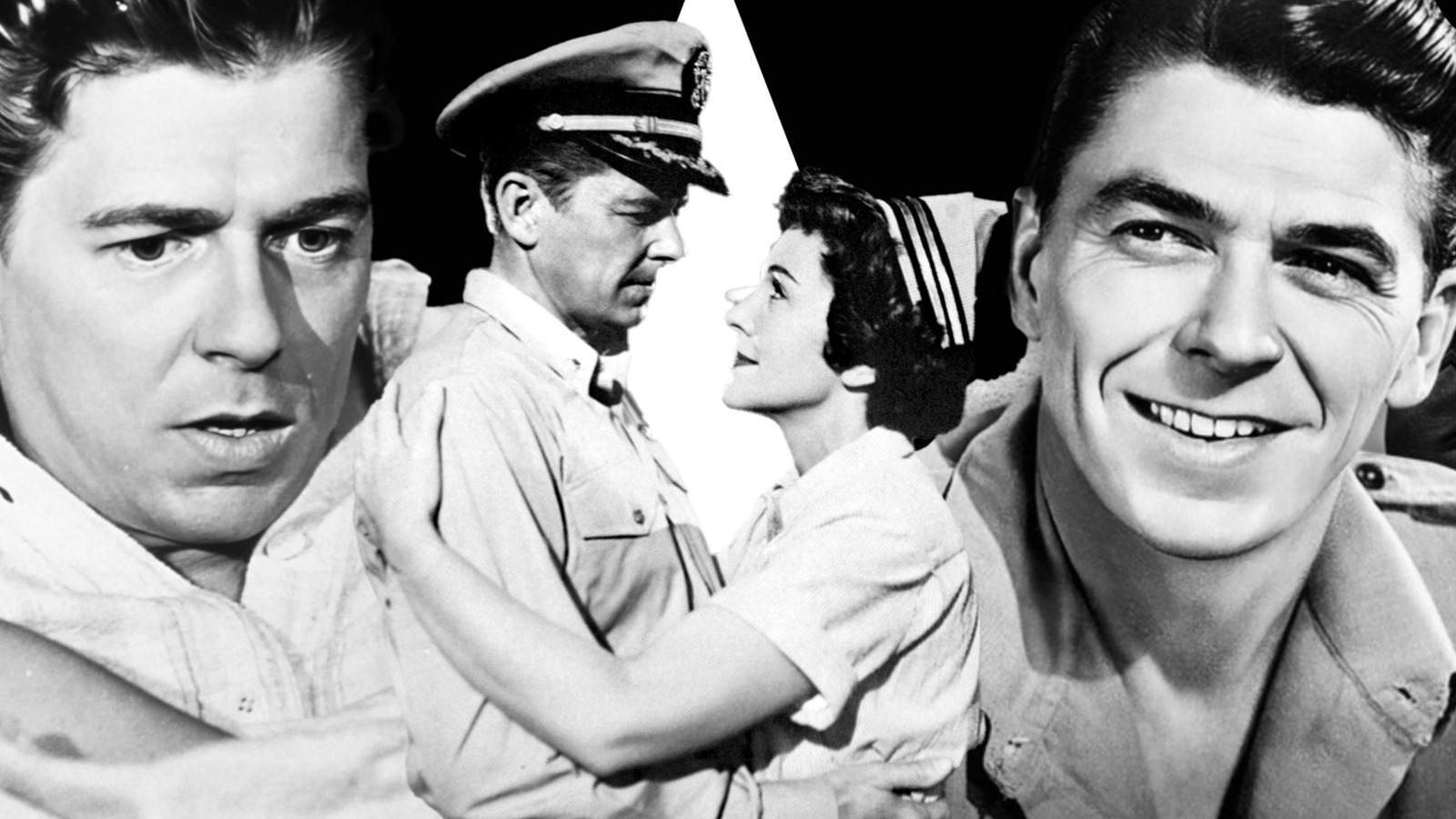
“Knute Rockne, All American” and the Enduring “Gipper” Myth
Perhaps no film had a greater and more lasting impact on Ronald Reagan’s personal brand than Knute Rockne, All American (1940). In this biographical drama, Reagan played George Gipp, the legendary Notre Dame football player who famously urged his team, “Win one for the Gipper!” from his deathbed. Reagan’s portrayal of Gipp was heroic, tragic, and quintessentially American. The role cemented his image as a symbol of courage, sacrifice, and team spirit.
The “Gipper” moniker became synonymous with Reagan throughout his political career, invoked by supporters and even used by Reagan himself. It wasn’t just a nickname; it was a potent brand association that evoked patriotism, determination, and a never-say-die attitude. This single role provided Reagan with an enduring and powerful brand narrative that transcended cinema, connecting him to a heroic mythos that resonated deeply with the American psyche. It showcased the profound power of a well-chosen role to define a public figure’s legacy and influence their future trajectory.
Other Notable Roles and Their Contribution to Public Image
Beyond “The Gipper,” other films contributed to the multifaceted nature of Reagan’s brand:
- King’s Row (1942): Often cited as his most critically acclaimed performance, Reagan played Drake McHugh, a young man who loses his legs in a tragic accident. His delivery of the line, “Where’s the rest of me?”, became iconic and demonstrated his capacity for dramatic acting. This role showcased a vulnerability and resilience that added depth to his otherwise wholesome brand, proving he could handle more complex emotions. It subtly hinted at a capacity for overcoming adversity, a theme he would later embrace in his political messaging.
- This Is the Army (1943): During World War II, Reagan served in the Army Air Forces’ First Motion Picture Unit, making training films. His appearance in this popular patriotic musical, playing a soldier, reinforced his image as a dutiful and patriotic American. It aligned his personal brand with national service and unity during a critical time, further embedding him in the national consciousness as a symbol of American strength and resolve.
- Bedtime for Bonzo (1951): While later frequently used by political opponents to mock his acting career, this lighthearted comedy where he co-starred with a chimpanzee actually played a role in maintaining his brand’s accessibility and good humor. It reinforced his image as a likable and unpretentious figure, capable of self-deprecating humor. While a perceived weakness by some, it spoke to a wider audience’s appreciation for simple, wholesome entertainment, reinforcing his everyman appeal.
Each of these roles, regardless of their individual critical reception, contributed layers to Reagan’s evolving personal brand, demonstrating versatility while maintaining a core identity of optimism, resilience, and American values.
The Strategic Narrative: Reagan’s Hollywood Legacy as Political Capital
Ronald Reagan possessed an acute understanding of storytelling and narrative, skills honed during his years in Hollywood. He intuitively understood that a compelling story was essential, not just for a successful film, but for a successful political campaign. His Hollywood past provided him with an unparalleled library of experiences and anecdotes, which he skillfully wove into his political speeches and persona.
Crafting a Story of American Optimism
Reagan’s brand was deeply intertwined with a narrative of American optimism and exceptionalism. His speeches, often drawing on his own life story and the values portrayed in his films, painted a picture of a hopeful future grounded in traditional American strengths. He understood that people don’t just vote for policies; they vote for a vision and a feeling. His “happy warrior” image, cultivated over decades, was a brand asset that allowed him to articulate a positive vision for the country, even in challenging times. This was the ultimate payoff of his sustained personal branding effort: the ability to translate an entertainment persona into profound political influence, speaking to the hopes and aspirations of millions.
The Actor’s Voice in Political Discourse
The power of Reagan’s personal brand in politics lay in his ability to communicate with unparalleled effectiveness. His experience as an actor gave him a natural stage presence, perfect timing, and the ability to deliver lines with sincerity and conviction. He mastered the art of simplified messaging, distilling complex issues into easily digestible and emotionally resonant narratives. This was not mere showmanship; it was the application of sophisticated branding principles to political discourse. He built a brand that felt authentic, despite its careful construction, because it was consistent, emotionally intelligent, and deeply rooted in a relatable American narrative. The transition from delivering lines written by screenwriters to delivering speeches he largely crafted himself was seamless because the underlying brand – the confident, optimistic, principled American – remained consistent.
Enduring Lessons in Personal Branding from Ronald Reagan
Ronald Reagan’s career offers invaluable lessons for anyone seeking to build a strong personal brand, whether in business, leadership, or public life.
Consistency in Messaging and Persona
Reagan’s success highlights the importance of consistency. From his early roles as the dependable leading man to his later political rhetoric, there was a core essence that remained constant: optimism, conviction, and a belief in American values. This consistency built trust and predictability, making his brand easily recognizable and deeply impactful. Audiences and voters knew what to expect from “The Gipper.”
The Power of Perceived Authenticity
While strategically crafted, Reagan’s brand always felt authentic. He was perceived as genuine, a trait that allowed him to connect deeply with people. This “authenticity” was a product of aligning his public image with his personal values and beliefs, creating a seamless narrative between his on-screen persona and his off-screen convictions. For any personal brand, perceived authenticity is crucial for long-term engagement and influence.

Long-Term Brand Building and Strategic Pivots
Reagan’s journey demonstrates that personal branding is a long game. It involves continuous refinement, adaptation, and strategic pivots. Moving from film to television, and then to union leadership and ultimately politics, Reagan consistently found new platforms to reinforce and evolve his brand, demonstrating an astute understanding of how to leverage accumulated goodwill and reputation across different spheres. His entire career was a masterclass in building a versatile, resilient, and enduring personal brand that could transcend specific industries and achieve monumental influence.
aViewFromTheCave is a participant in the Amazon Services LLC Associates Program, an affiliate advertising program designed to provide a means for sites to earn advertising fees by advertising and linking to Amazon.com. Amazon, the Amazon logo, AmazonSupply, and the AmazonSupply logo are trademarks of Amazon.com, Inc. or its affiliates. As an Amazon Associate we earn affiliate commissions from qualifying purchases.