
In the modern corporate landscape, the traditional levers of employee motivation—compensation and benefits—are no longer sufficient to secure long-term engagement. As the global workforce shifts toward a value-driven mindset, the concept of “what motivates employees” has migrated from the human resources department to the core of brand strategy. Motivation is no longer a transactional exchange of labor for capital; it is a psychological alignment between an individual’s identity and a company’s brand ethos.
When a brand’s external promise to its customers aligns seamlessly with its internal culture, it creates a powerful ecosystem of motivation. This synergy is known as Employer Branding. It is the practice of applying brand-building principles to the employee experience, ensuring that the people behind the products feel as inspired as the consumers who buy them.
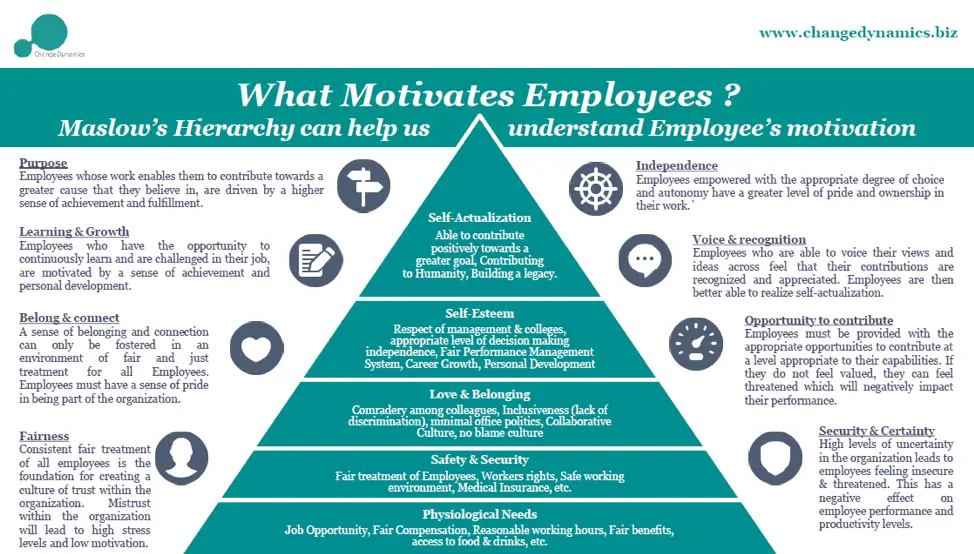
The Shift from Transactional to Transformational Branding
For decades, employee motivation was viewed through a functional lens. Companies focused on “The Golden Handcuffs”—using competitive salaries and bonuses to keep talent in place. However, in an era defined by the “Great Reshuffle” and a demand for meaningful work, motivation has become transformational. It is about how an employee perceives their place within the brand’s narrative.
Defining the Employee Value Proposition (EVP)
A brand’s Employee Value Proposition (EVP) is the cornerstone of its internal motivation strategy. Much like a Unique Selling Proposition (USP) attracts customers, an EVP outlines the unique set of associations and offerings provided by an organization in return for the skills, capabilities, and experiences an employee brings.
A strong EVP goes beyond perks; it articulates the brand’s soul. It answers the fundamental question: “Why should a talented professional choose to build their legacy here?” When the EVP is authentic and clearly communicated, it acts as a constant motivational North Star. Employees are motivated when they feel they are part of an “elite” or “meaningful” group that shares a common brand identity.
Beyond the Logo: Internal Culture as Brand Reality
Brand strategy is often mistaken for visual identity—logos, colors, and slogans. However, for an employee, the brand is the daily reality of the culture. If a brand claims to be “innovative” in its marketing but maintains a rigid, bureaucratic internal structure, a motivational disconnect occurs.
To motivate employees, the brand must be lived internally. This means the brand’s core values—such as transparency, agility, or sustainability—must dictate how meetings are run, how feedback is given, and how successes are celebrated. When the internal culture mirrors the external brand, employees feel a sense of integrity and pride, which are the primary drivers of intrinsic motivation.
Building a Mission-Driven Identity
Modern professionals, particularly Millennials and Gen Z, are increasingly looking for “Ikigai”—a sense of purpose. They are motivated by the feeling that their work contributes to something larger than the quarterly earnings report. This is where brand strategy becomes a motivational powerhouse. By positioning the company as a mission-driven entity, leaders can tap into a deep reservoir of human energy.
Aligning Personal Values with Corporate Vision
The most motivated employees are those whose personal values overlap with the brand’s vision. Strategic branding involves articulating a “Why” that resonates on a human level. Whether it is Tesla’s mission to accelerate the world’s transition to sustainable energy or Patagonia’s commitment to saving the home planet, these brand missions provide a “reason for being” that transcends daily tasks.
When an employee sees their personal identity reflected in the brand’s mission, their work becomes an act of self-expression. They are no longer just “coding software” or “managing accounts”; they are “building the future of finance” or “democratizing information.” This alignment transforms a job into a calling.
The Role of Social Responsibility in Retention
Corporate Social Responsibility (CSR) is no longer just a PR tactic; it is a vital component of the brand’s internal appeal. Employees are highly motivated by brands that take a stand on social, environmental, and ethical issues.
When a brand invests in community initiatives or sustainable sourcing, it reinforces to the employees that they are working for a “force for good.” This moral pride is a significant motivational factor. It creates a “halo effect” around the workplace, where employees feel that their labor is indirectly contributing to positive global change. A brand that stands for nothing will find it difficult to motivate a workforce that cares about everything.

Empowering the Employee as a Brand Ambassador
One of the most effective ways to motivate employees is to treat them as stakeholders in the brand’s success. When employees are viewed not just as workers but as brand ambassadors, their level of psychological ownership increases. This shift in perspective empowers them, and empowerment is one of the most potent motivators in the professional world.
Cultivating Authentic Advocacy
Brand advocacy occurs when employees are so motivated and engaged that they voluntarily promote the company to their own networks. This cannot be forced; it must be cultivated through a positive brand experience.
When a company invests in its internal brand, employees become the most credible voices for the organization. This advocacy creates a feedback loop of motivation. As employees share their positive experiences on platforms like LinkedIn or at industry conferences, they receive social validation that reinforces their commitment to the brand. They become “owners” of the brand story, and people are naturally more motivated to protect and grow something they feel they own.
Professional Development as a Brand Investment
A brand that values its reputation for excellence must necessarily value the excellence of its people. From a branding perspective, professional development is not just a “benefit”—it is an investment in the brand’s human capital.
When a company provides clear paths for growth, mentorship, and continuous learning, it sends a message: “Our brand is only as strong as your expertise.” This motivates employees by signaling that the company is committed to their long-term value. In this context, motivation is fueled by the brand’s commitment to the employee’s personal “Brand of One.” By helping employees build their own professional brands, the organization fosters a culture of mutual growth and loyalty.
Measuring the Impact of Brand-Led Motivation
In the world of brand strategy, what gets measured gets managed. To understand if a brand is successfully motivating its workforce, leadership must look beyond traditional output metrics and analyze the health of the internal brand ecosystem.
Retention Rates and Talent Acquisition
High employee turnover is often a symptom of a “broken” brand. If employees are leaving, it usually means the internal brand experience did not live up to the promise made during the recruitment phase. Conversely, a brand that successfully motivates its employees will see high retention rates and a steady stream of high-quality “organic” applicants.
When employees are motivated by the brand, they become stayers. They are less likely to be swayed by a slightly higher salary elsewhere because they value the brand equity they have built within their current organization. In this sense, a strong brand acts as a moat, protecting the company from talent poaching.
The Link Between Internal Engagement and Customer Satisfaction
There is a direct, measurable correlation between employee motivation and customer experience. In brand theory, this is often called the “Service-Profit Chain.” Motivated employees, who believe in the brand’s mission, deliver better service and create higher-quality products.
Customers can sense when an employee is genuinely proud of their brand. This authenticity builds trust and brand loyalty among consumers. Therefore, “what motivates employees” is not just an internal HR concern; it is a critical factor in the brand’s market performance. A motivated workforce is the most effective marketing engine a company can possess.
Conclusion: The Future of Motivation is Branded
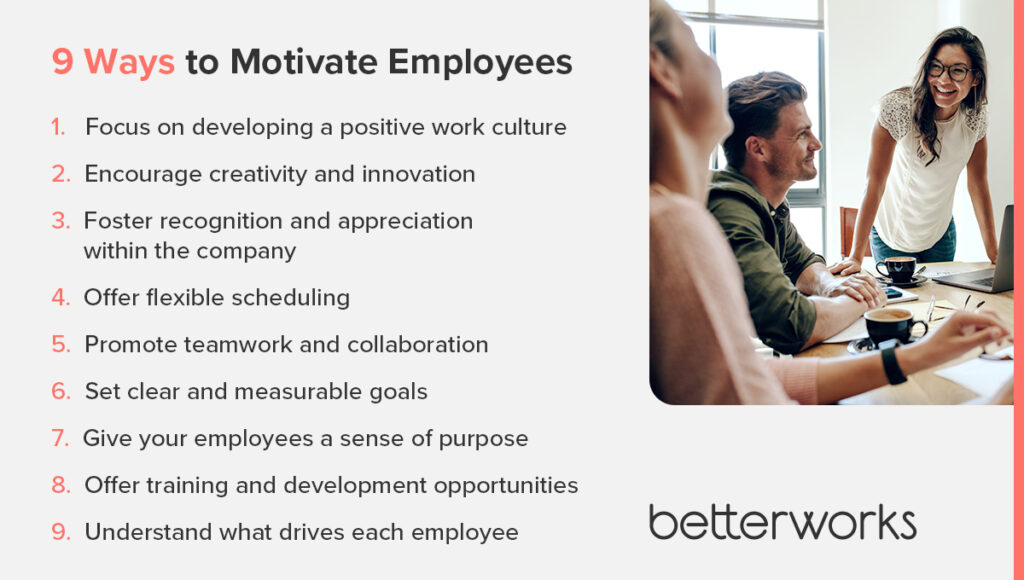
As we look toward the future of work, it is clear that the brands that win will be those that treat their employees with the same strategic focus as their customers. Motivation is the byproduct of a well-executed brand strategy that offers purpose, identity, and a sense of belonging.
By moving beyond the transactional and focusing on the transformational, organizations can build a brand that does more than just sell products—it inspires the people who create them. When an employee can look at their company’s logo and see a reflection of their own values and aspirations, motivation becomes effortless. The brand becomes the fuel, the mission becomes the map, and the employees become the champions of a shared vision. In the end, what motivates employees is the opportunity to be part of a story worth telling.
aViewFromTheCave is a participant in the Amazon Services LLC Associates Program, an affiliate advertising program designed to provide a means for sites to earn advertising fees by advertising and linking to Amazon.com. Amazon, the Amazon logo, AmazonSupply, and the AmazonSupply logo are trademarks of Amazon.com, Inc. or its affiliates. As an Amazon Associate we earn affiliate commissions from qualifying purchases.