
For many travelers, sinking into a plush hotel bed after a long day is one of the most anticipated moments of a trip. The comfort and serenity of a truly exceptional hotel mattress can elevate a stay from good to unforgettable, often leaving guests wondering, “What is that mattress, and how can I get one for my own home?” Marriott International, a global hospitality giant, understands this desire intimately. Their commitment to guest comfort is not accidental; it’s a meticulously crafted strategy that weaves together brand identity, technological innovation, and shrewd financial planning. The choice of mattress is far more than a simple purchasing decision; it’s a cornerstone of their guest experience, reflecting a deep understanding of what travelers seek.
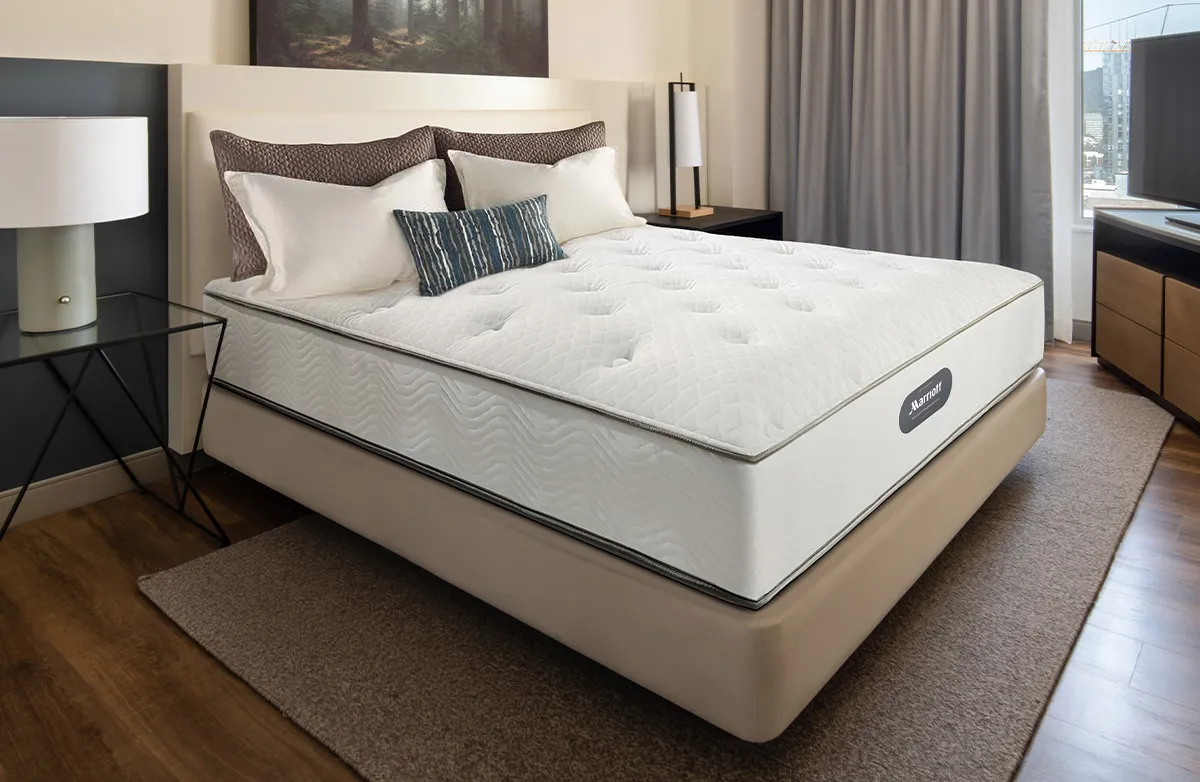
The Marriott brand portfolio is vast, encompassing a wide array of properties from luxurious full-service hotels to extended-stay accommodations, each designed to cater to specific traveler needs and expectations. While the exact mattress specifications might vary slightly across these different brands (e.g., The Ritz-Carlton will offer a different sleep experience than a Courtyard by Marriott), a consistent theme of quality, support, and durability underpins all their selections. In essence, Marriott doesn’t just buy a mattress; they invest in a sleep solution designed to reinforce their brand promise, leveraging advancements in material science and strategic partnerships to deliver a consistently superior slumber, all while making sound business decisions that impact their bottom line and even create new revenue streams.
The Marriott Sleep Experience: A Brand Cornerstone
At its core, a hotel like Marriott sells an experience. While amenities, service, and location are crucial, the quality of sleep ranks incredibly high on a guest’s priority list. This makes the mattress a silent, yet powerful, ambassador of the Marriott brand. The sensation of a truly comfortable bed directly influences guest satisfaction, their likelihood of returning, and the positive word-of-mouth that drives reputation.
Decoding Marriott’s Mattress Philosophy
Marriott’s approach to mattress selection is deeply rooted in its brand strategy. It’s about creating a distinctive “sleep experience” that guests associate uniquely with Marriott. This isn’t just about softness or firmness; it’s about consistency, durability, and a subtle sense of luxury that permeates the stay. For a brand with thousands of properties worldwide, consistency is paramount. Guests expect a certain level of comfort whether they are in London, New York, or Shanghai. To achieve this, Marriott often collaborates directly with leading mattress manufacturers to design bespoke sleep systems that meet their exacting specifications.
Historically, Marriott has been known to partner with manufacturers like Sealy or Serta, but not for their standard retail models. Instead, these partnerships result in proprietary mattress designs often referred to as the “Marriott Bed.” These beds are engineered to provide optimal spinal alignment, pressure relief, and temperature regulation, catering to a diverse range of sleepers. The emphasis is on a universally appealing comfort level that avoids being too firm or too soft for the majority of guests. This meticulous attention to detail ensures that the mattress reinforces the brand’s promise of comfort and quality, becoming a tangible element of their corporate identity and reputation. It’s a marketing play where the product itself becomes a key selling point, enhancing guest loyalty and fostering a positive brand image.
The Specifics: Marriott’s Signature Mattresses
While “Marriott Bed” is a blanket term, there are specific characteristics guests can expect. Across many full-service Marriott Hotels & Resorts properties, guests often encounter an innerspring or hybrid mattress featuring a significant pillow-top layer. This design choice aims to provide an initial plush, cloud-like feel, while the underlying coil system offers robust support and limits motion transfer. The pillow-top is crucial for that immediate “ahhh” moment, contributing significantly to the perception of luxury and pampering.
For instance, the signature Marriott Bed is often described as a custom-designed mattress, typically a 9-inch high mattress with a 2-inch foam topper or an integrated pillow-top. These mattresses are built to withstand the rigors of hotel use – constant cleaning, diverse body weights, and frequent turnover – while maintaining their structural integrity and comfort over a longer period than a typical residential mattress. The materials used, from the coil gauge to the foam density, are selected not just for comfort but for their ability to endure, reflecting a savvy intersection of design and practical requirements. Different Marriott sub-brands may feature variations, perhaps a slightly firmer bed for properties catering to business travelers, or an even more luxurious, multi-layered hybrid for high-end brands like The Ritz-Carlton, which might incorporate advanced memory foam or latex layers for unparalleled contouring and support. The overarching goal remains consistent: to deliver a sleep experience that is not just good, but exceptional, making the bed a silent, yet powerful, testament to the Marriott brand.
The Intersection of Tech and Sleep: Modern Hotel Mattresses
The evolution of the hotel mattress is intrinsically linked to advancements in material science and manufacturing technology. What once was a simple coil and padding system has transformed into a sophisticated sleep engineering marvel, driven by continuous innovation in the “Tech” sphere. Marriott, like other leading hospitality brands, leverages these technological trends to enhance guest comfort, improve durability, and even explore future possibilities for smart sleep.
Beyond Coils: Material Science and Smart Sleep Tech

Modern mattresses, including those chosen by Marriott, are beneficiaries of significant technological progress. The days of basic innerspring beds are being supplemented, if not outright replaced, by innovative designs that incorporate a range of advanced materials.
- Advanced Materials: Many Marriott mattresses now feature sophisticated hybrid constructions. This means combining traditional innerspring coils with layers of memory foam, high-density polyfoam, or even gel-infused foams. Memory foam, originally developed by NASA, contours to the body, providing exceptional pressure relief and personalized support. Gel infusions help dissipate heat, addressing a common complaint about traditional memory foam. Latex, another popular material, offers a responsive bounce and natural hypoallergenic properties. These material innovations contribute to mattresses that are not only more comfortable but also more durable and adaptable to different body types and sleeping positions. The choice of fire-retardant materials and eco-friendly components also showcases the technological and ethical considerations in modern mattress design.
- Durability and Maintenance Tech: For a hotel, durability is paramount. Mattresses are subjected to far more wear and tear than those in a typical home. Technology plays a crucial role in creating mattresses that can withstand this environment. Reinforced edge support systems prevent sagging and provide a stable surface, extending the life of the mattress. Advanced coil systems, like individually pocketed coils, reduce motion transfer and maintain structural integrity over years of use. Furthermore, mattress covers are often treated with stain-resistant, antimicrobial, or hypoallergenic technologies, making them easier to clean, more hygienic, and beneficial for guests with allergies. This focus on long-term performance directly impacts operational efficiency and reduces replacement costs.
- Future Trends and Smart Sleep: While not widely implemented in standard hotel rooms yet, the “Tech” landscape suggests a future where mattresses might be even more integrated with digital solutions. Imagine mattresses with embedded sensors that track sleep patterns, adjust firmness levels based on biometric data, or even gently wake guests with subtle vibrations. While currently more prevalent in consumer markets, hotels like Marriott are undoubtedly monitoring these “AI Tools” and “Gadgets” for potential integration into ultra-luxury suites or personalized wellness offerings. Such innovations could offer a new frontier in personalized guest experience, leveraging data to optimize comfort and rest for individual travelers, perhaps through companion apps or in-room smart systems.
Data-Driven Comfort and Guest Feedback
The selection and refinement of Marriott’s mattress choices aren’t static; they evolve, often influenced by data and guest feedback. While hotels might not employ complex AI algorithms solely for mattress selection, they certainly use more conventional “Software” and data analysis to understand guest preferences and satisfaction.
- Feedback Loops: Marriott actively collects guest feedback through surveys, online reviews, and direct comments. Specific mentions of bed comfort (both positive and negative) are invaluable data points. When a particular mattress type consistently receives high praise across different properties, it reinforces that choice. Conversely, if widespread complaints emerge about firmness or sagging, it triggers an investigation and potential revision of mattress specifications. This ongoing feedback loop, facilitated by digital “Software” and CRM systems, allows Marriott to make data-informed decisions about their sleep offerings, ensuring they remain aligned with guest expectations and evolving preferences.
- Performance Monitoring: Beyond comfort, hotels monitor the performance and longevity of their mattresses. Data on replacement cycles, warranty claims, and maintenance issues for different mattress types provide crucial insights into their real-world durability and cost-effectiveness. This “Productivity” aspect, supported by internal “Software” for asset management, helps Marriott optimize their investment and ensure that the mattresses chosen are not only comfortable but also robust and economically viable for a high-traffic environment. This blend of guest satisfaction data and operational performance metrics helps Marriott continually refine its sleep experience.
The Financial Equation: Investing in the Guest Experience
Behind every plush pillow-top and supportive coil lies a significant financial investment. For a global brand like Marriott, the decision of “what mattress to use” is not just about comfort; it’s a complex “Money” matter involving substantial capital outlay, long-term operational costs, and even new revenue streams. Understanding this financial equation reveals the strategic depth behind their commitment to the guest experience.
Cost vs. Value: A Strategic Investment
Investing in high-quality mattresses for thousands of rooms represents a considerable capital expenditure for Marriott. A single premium hotel-grade mattress can cost hundreds, if not thousands, of dollars. Multiplying that by the sheer number of rooms across their portfolio yields a staggering figure. However, this is viewed not as an expense, but as a strategic investment.
- Initial Outlay vs. Long-term ROI: While the upfront cost is high, the return on investment (ROI) is tangible. Superior comfort translates directly into enhanced guest satisfaction. Satisfied guests are more likely to become repeat customers, recommend Marriott to others, and leave positive online reviews. This boosts occupancy rates, allows for competitive pricing, and strengthens the brand’s market position – all directly impacting “Business Finance” and profitability. A truly comfortable bed can be the differentiating factor that makes a guest choose Marriott over a competitor. The long-term value generated through increased loyalty and reputation far outweighs the initial investment.
- Durability and Replacement Cycles: Marriott’s choice of durable, custom-engineered mattresses is also a smart “Financial Tool.” While these mattresses may cost more initially than standard retail options, their superior construction means they last significantly longer under heavy use. Extending the replacement cycle by even a year or two across thousands of rooms can result in massive savings in the long run. Less frequent purchasing, reduced labor costs for swapping out old mattresses, and less disposal expense all contribute to a more favorable “Business Finance” outcome. The decision is therefore a careful balance between upfront cost, expected lifespan, and the consistent delivery of comfort.
- Bulk Purchasing and Supplier Relationships: Leveraging its immense scale, Marriott engages in bulk purchasing agreements with mattress manufacturers. This allows them to negotiate favorable pricing and secure consistent supply chains for their custom-designed mattresses. These strong, long-term supplier relationships are a critical aspect of “Business Finance,” ensuring quality control, reliability, and cost efficiency across their global operations.

The “Hotel Bed” Market: An Online Income Stream & Side Hustle for Brands
Perhaps one of the most innovative financial strategies born from the “What mattress does Marriott use?” phenomenon is the creation of a direct-to-consumer retail market for hotel beds and bedding.
- From Asset to Retail Product: Marriott, recognizing the immense popularity and desire among guests to replicate their hotel sleep experience at home, has effectively turned a brand asset into a retail product. Through dedicated online stores, guests can purchase the exact mattresses, pillows, duvets, and linens used in Marriott properties. This represents a significant “Online Income” stream and a clever “Side Hustle” for the brand. It leverages their existing “Brand” equity and the positive guest experience to generate additional revenue beyond room nights.
- Reinforcing Brand Loyalty and Lifestyle: Selling their “Marriott Bed” components directly to consumers not only generates revenue but also deepens brand loyalty. Guests who bring the Marriott sleep experience into their homes become even more connected to the brand. It transforms the hotel stay from a temporary luxury into a purchasable lifestyle choice, constantly reminding them of the comfort and quality associated with Marriott. This direct-to-consumer model is a masterclass in brand extension and strategic merchandising, allowing Marriott to monetize its reputation for comfort long after a guest checks out. It also provides an additional touchpoint for customers, keeping the brand top-of-mind.
In conclusion, the question of “what mattress does Marriott use?” unravels into a fascinating exploration of interconnected strategies. It’s a testament to how a seemingly simple operational choice is, in fact, a sophisticated blend of brand philosophy, technological innovation, and astute financial management. From meticulously designing a sleep experience that reinforces their global brand identity, to leveraging advanced materials for comfort and durability, and ultimately turning that desirability into a profitable retail venture, Marriott’s approach to their mattresses is anything but superficial. It’s a cornerstone of their value proposition, delivering not just a place to sleep, but an unforgettable experience, underpinned by smart strategic decisions across technology, brand, and money.
aViewFromTheCave is a participant in the Amazon Services LLC Associates Program, an affiliate advertising program designed to provide a means for sites to earn advertising fees by advertising and linking to Amazon.com. Amazon, the Amazon logo, AmazonSupply, and the AmazonSupply logo are trademarks of Amazon.com, Inc. or its affiliates. As an Amazon Associate we earn affiliate commissions from qualifying purchases.