
Owning a car is both a convenience and a significant financial commitment. Beyond the initial purchase price, fuel, and insurance, there lies a critical, often underestimated, ongoing expense: maintenance. Far from being a mere mechanical chore, car maintenance is an indispensable aspect of sound personal financial management. Neglecting it doesn’t just put your vehicle at risk; it directly threatens your financial stability, turning minor issues into exorbitant repairs and accelerating the depreciation of one of your most valuable assets. Understanding what maintenance your car needs, and more importantly, why it needs it from a financial standpoint, is crucial for any car owner looking to protect their investment, optimize their budget, and avoid unforeseen financial pitfalls.
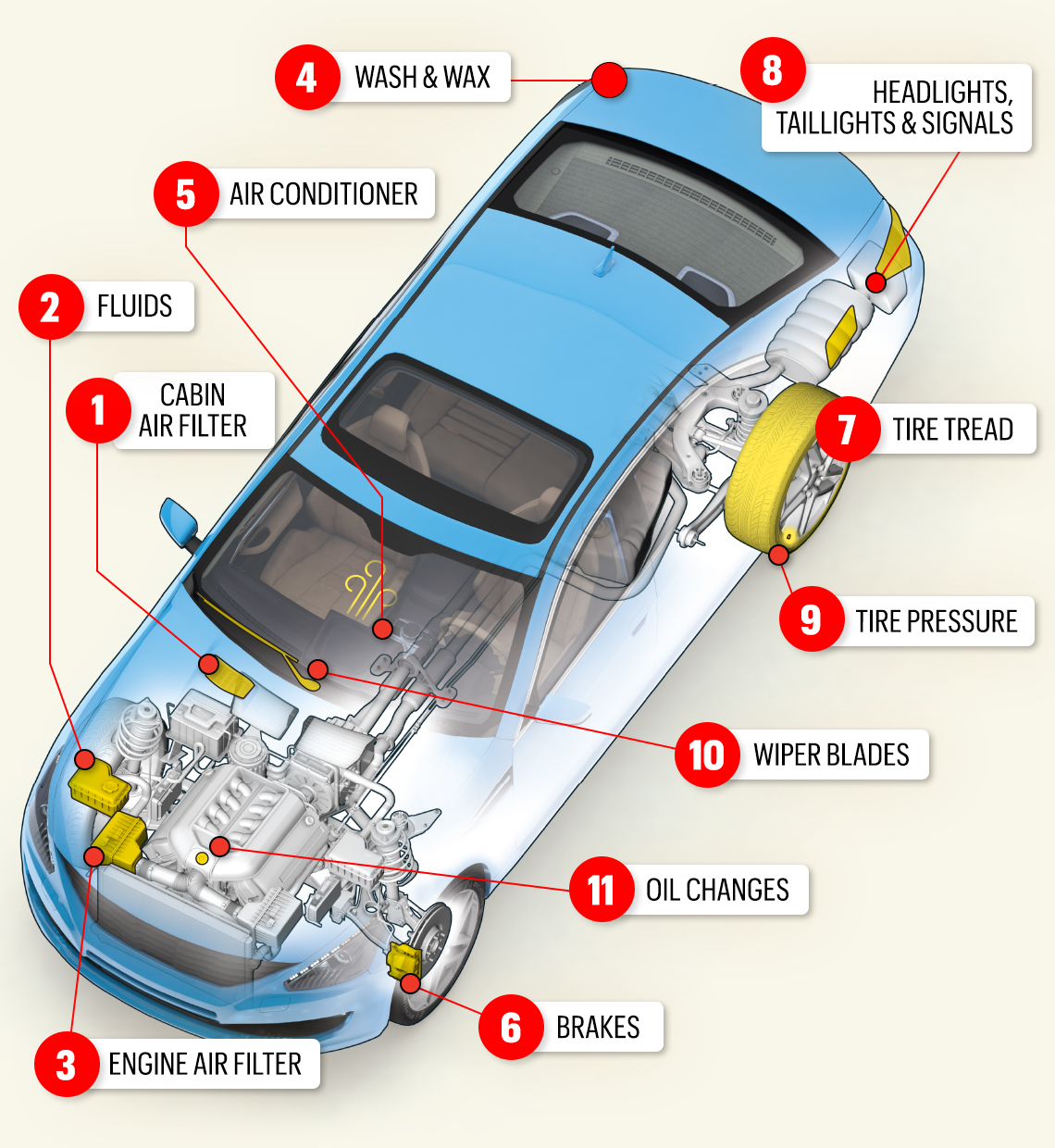
This article delves into the essential maintenance requirements for a car, reframing them through the lens of personal finance. We’ll explore how proactive care can save you thousands in the long run, enhance your vehicle’s value, and contribute significantly to your overall financial well-being.
The Financial Imperative of Regular Car Maintenance
Many car owners view maintenance as an irritating expense, a drain on their monthly budget. However, a shrewd financial perspective reveals it to be a crucial investment. Regular upkeep isn’t about spending money needlessly; it’s about strategic spending that prevents larger, more catastrophic financial losses down the road.
Protecting Your Investment
For most individuals, a car is the second-largest purchase they will make after a home. While cars are depreciating assets, their rate of depreciation can be significantly mitigated through diligent maintenance. A well-maintained vehicle retains more of its value, making it more attractive to potential buyers when it comes time to sell or trade it in. Detailed service records demonstrating consistent care can add hundreds, if not thousands, to a vehicle’s resale value, directly impacting your net financial position. Conversely, a car with a spotty maintenance history or visible signs of neglect will suffer accelerated depreciation, representing a substantial financial loss.
Avoiding Costly Future Repairs
This is perhaps the most direct financial benefit of regular maintenance. Proactive maintenance is almost invariably cheaper than reactive repairs. A simple oil change, for instance, costs a fraction of the price of rebuilding or replacing an engine seized due to oil starvation. Similarly, rotating tires regularly extends their life, delaying the expensive purchase of a new set. Failing to replace an inexpensive air filter can lead to reduced fuel efficiency and, over time, increased wear on critical engine components that are costly to repair. Identifying and addressing minor issues – like a squealing belt or a worn brake pad – before they escalate into major failures can save thousands of dollars, preventing unexpected financial shocks that can derail budgets and savings goals.
Enhancing Fuel Efficiency and Performance
Fuel is a recurring and substantial expense for car owners. Many maintenance tasks directly impact a vehicle’s fuel efficiency, offering immediate and tangible financial savings. Properly inflated tires reduce rolling resistance, leading to better mileage. Clean air filters ensure the engine gets optimal air-fuel mixture, preventing it from working harder and consuming more fuel. Regular spark plug replacement ensures efficient combustion. Keeping your engine properly tuned and fluids topped up can collectively improve your miles per gallon (MPG) by a significant margin. Over the lifetime of a vehicle, these small, consistent savings on fuel can add up to hundreds or even thousands of dollars, directly impacting your disposable income.
Ensuring Safety and Preventing Accidents
While less directly a “maintenance expense” in the traditional sense, the financial implications of safety cannot be overstated. Properly maintained brakes, tires, lights, and steering components are vital for safe operation. An accident, even a minor one, can incur significant financial costs: insurance deductibles, increased premiums, potential legal fees, medical expenses, and lost income due to injuries. The ultimate cost of an accident – both human and financial – far outweighs the relatively modest cost of ensuring your car’s safety-critical systems are in optimal working order through regular inspections and maintenance. Investing in safety is investing in financial security and peace of mind.
Essential Maintenance Tasks and Their Financial Implications
Understanding which specific maintenance tasks are critical, and recognizing their financial importance, is key to smart car ownership. These are not merely recommendations; they are financially prudent actions.
Routine Fluid Checks and Changes
The lifeblood of your vehicle, fluids, demand consistent attention.
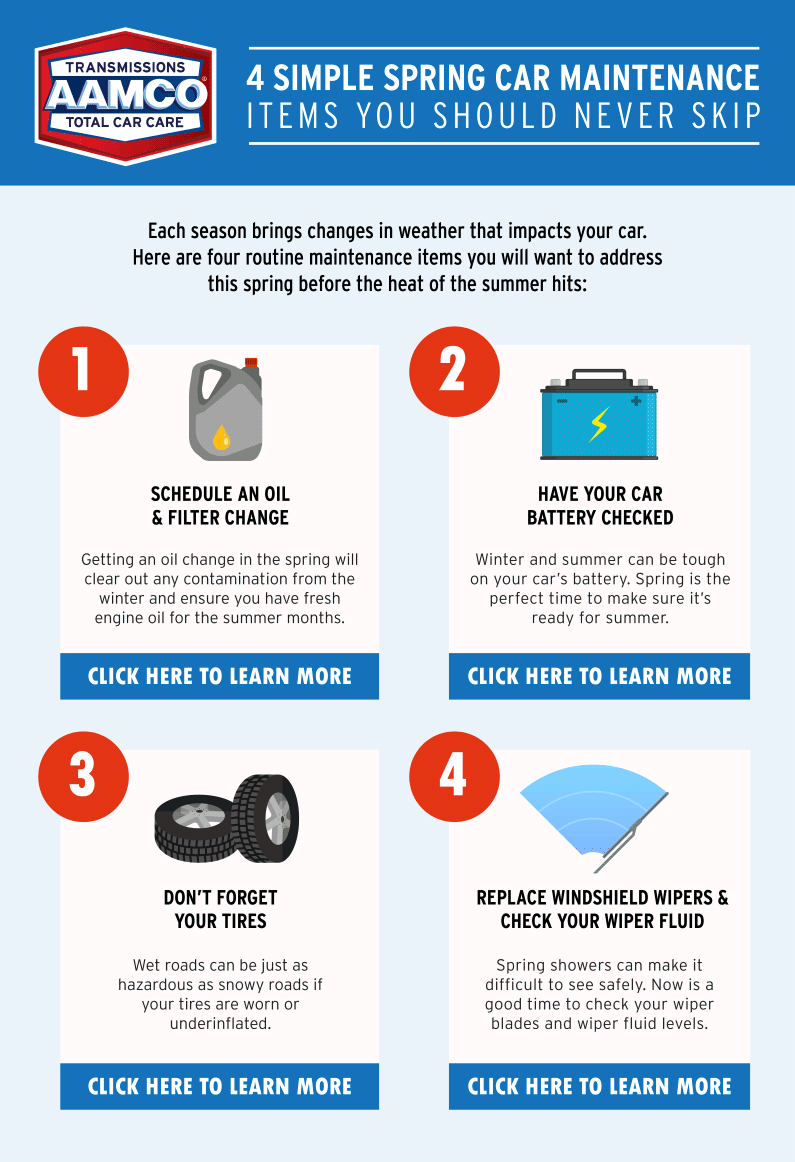
- Engine Oil: The most critical fluid. Regular oil changes (every 3,000 to 10,000 miles, depending on the car and oil type) prevent engine friction, wear, and overheating. Neglecting this leads to sludge buildup, engine damage, and eventually, a prohibitively expensive engine replacement.
- Transmission Fluid: Ensures smooth gear shifts and prolongs the life of your transmission. A transmission replacement can easily cost $3,000-$7,000 or more.
- Brake Fluid: Essential for brake system integrity. Contaminated or old brake fluid compromises braking performance, potentially leading to accidents and costly repairs to the braking system.
- Coolant (Antifreeze): Prevents the engine from overheating and freezing. Overheating can warp engine components, leading to head gasket failure or engine seizure, costing thousands.
- Power Steering Fluid: Ensures easy steering. Low fluid can damage the power steering pump, a costly repair.
The cost of a fluid change is minimal compared to the repair costs associated with fluid neglect.
Tire Care: Rotation, Balancing, and Replacement
Tires are your car’s only contact with the road, affecting safety, fuel efficiency, and handling.
- Rotation and Balancing: Regularly rotating tires (every 5,000-8,000 miles) ensures even wear, extending their lifespan by thousands of miles. Balancing prevents vibration and uneven wear. These simple services cost less than a single new tire.
- Tire Pressure: Crucial for safety and fuel economy. Underinflated tires reduce MPG and wear out faster. Checking pressure takes minutes and costs nothing.
- Replacement: When tread depth is insufficient (typically 4/32nds of an inch or less), or tires show signs of age/damage, replacement is mandatory. While an upfront cost, new tires prevent hydroplaning, improve braking, and contribute to overall driving safety. Budgeting for new tires every 4-6 years is a wise financial move.
Brake System Inspection and Service
Your brakes are critical for safety. Regular inspection (at least annually or with every oil change) allows for early detection of worn pads, rotors, or calipers. Replacing brake pads when they are thin is a routine expense ($150-$350 per axle). Waiting until they wear completely can damage rotors, calipers, and other components, dramatically increasing repair costs (easily $500-$1000+ per axle) and compromising safety.
Battery Health and Replacement
Car batteries typically last 3-5 years. Regular testing can predict when a battery is failing, allowing for proactive replacement (around $100-$250) rather than being stranded and paying for a tow and emergency service. Modern cars rely heavily on electrical systems, and a weak battery can strain other components.
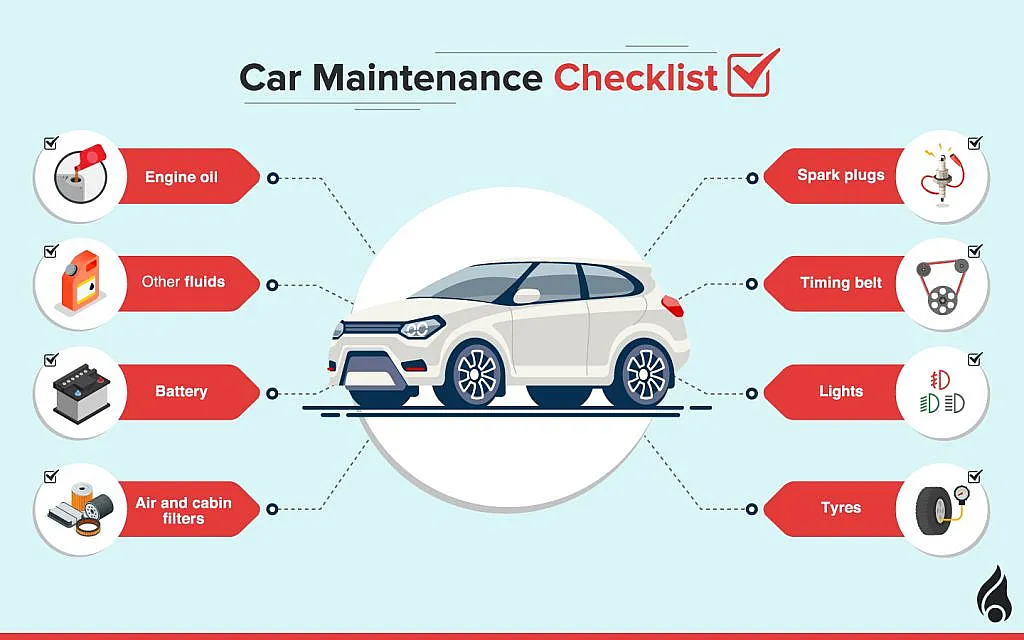
Filter Replacements (Air, Cabin, Fuel)
Filters are inexpensive but vital:
- Engine Air Filter: Prevents dirt and debris from entering the engine. A clogged filter reduces engine performance and fuel efficiency.
- Cabin Air Filter: Improves air quality inside the car and prolongs the life of the HVAC system.
- Fuel Filter: Protects the fuel injectors and engine from contaminants in the fuel. A clogged fuel filter can lead to poor engine performance and potentially costly fuel system repairs.
These filters are generally easy and inexpensive to replace, offering significant returns in performance, efficiency, and component longevity.
Budgeting for Car Maintenance: A Smart Financial Strategy
Proactive budgeting transforms car maintenance from a series of unwelcome surprises into a manageable, predictable expense. This approach is fundamental to sound personal finance.
Establishing a Dedicated Maintenance Fund
The most effective way to manage car maintenance costs is to budget for them. A common rule of thumb is to set aside approximately $50-$100 per month for car maintenance, or about 1% of the car’s original purchase price annually. This money should be put into a separate savings account, accessible only for car-related expenses. This dedicated fund ensures that when major service or an unexpected repair arises, you have the funds available without dipping into emergency savings or going into debt.
Understanding Manufacturer-Recommended Schedules
Your car’s owner’s manual contains a detailed maintenance schedule provided by the manufacturer. This schedule is not arbitrary; it’s based on extensive engineering and testing to optimize your vehicle’s lifespan and performance. Adhering to these recommendations provides a solid baseline for budgeting and planning. Major services, such as timing belt replacement or transmission service, are typically scheduled at higher mileage intervals (e.g., 60,000, 90,000, 120,000 miles) and should be anticipated and budgeted for well in advance.
DIY vs. Professional Service: Cost-Benefit Analysis
For some, performing basic maintenance tasks like oil changes, air filter replacements, or tire rotations themselves can offer significant financial savings. If you have the tools, the space, the knowledge, and the time, DIY can cut labor costs and provide a sense of accomplishment. However, for more complex repairs or those requiring specialized tools and diagnostic equipment, professional service is almost always the safer and more cost-effective option in the long run. Attempting a repair beyond your skill level can lead to further damage, negating any potential savings and adding to the overall cost. Weigh the financial savings against the risks and your own expertise.
The Role of Warranties and Service Plans
New cars often come with a factory warranty that covers certain repairs for a specified period or mileage. Understanding what your warranty covers and when it expires is crucial. Extended warranties or pre-paid service plans can seem attractive, but their financial value varies widely. Carefully evaluate the cost, coverage, deductible, and your driving habits. For reliable vehicles, an extended warranty might be an unnecessary expense, as the likelihood of major failures might be low. However, for some, they offer peace of mind and protection against large, unexpected repair bills, provided the cost doesn’t outweigh the potential benefits.
Maximizing Value Through Smart Maintenance Choices
Beyond just performing the maintenance, how you approach it can also have a significant financial impact.
Choosing Reputable Mechanics and Fair Pricing
The choice of where to get your car serviced is paramount. Seek out reputable mechanics and service centers with certified technicians (e.g., ASE certified), transparent pricing, and good customer reviews. Get multiple quotes for major repairs and don’t be afraid to ask for explanations of recommended services. Avoiding “dealership only” mindsets for routine maintenance can often save money, but ensure any independent shop uses OEM-equivalent parts and follows manufacturer specifications to maintain warranty validity and vehicle integrity. Developing a trusting relationship with a good mechanic is an investment in itself.
Tracking Maintenance Records
Keep meticulous records of all maintenance performed, whether DIY or professional. This includes dates, mileage, what was done, and the cost. A well-organized maintenance history demonstrates diligent care, which is invaluable when selling your car. It reassures potential buyers of the vehicle’s condition and can significantly boost its resale value, making it easier to command a higher price. These records also help you keep track of upcoming service needs and can aid mechanics in diagnosing future issues.
Understanding Your Car’s Specific Needs
Different cars have different needs. A high-performance luxury vehicle will likely have more expensive and frequent maintenance requirements than a compact economy car. Older vehicles may require more frequent inspections and proactive replacement of age-related components. Familiarize yourself with the nuances of your specific make and model. Joining owner forums or consulting specialized resources can provide insights into common issues or specific maintenance recommendations for your vehicle.
Leveraging Technology for Maintenance Reminders
Modern cars often have onboard maintenance reminder systems. Additionally, numerous apps and online tools can help you track your service history, schedule appointments, and receive alerts for upcoming maintenance. Utilizing these tools ensures you don’t miss critical service intervals, helping you stay proactive and financially organized.
Conclusion
Car maintenance is more than just a series of tasks to keep your vehicle running; it’s a fundamental pillar of sound personal financial management. By understanding “what maintenance a car needs” through a financial lens, you transform what might seem like a burden into a strategic investment. Protecting your asset, avoiding costly future repairs, enhancing fuel efficiency, ensuring safety, and budgeting proactively all contribute to a healthier financial outlook. Embracing a proactive, informed approach to vehicle care not only extends the life and value of your car but also provides significant long-term savings and invaluable peace of mind, allowing you to drive confidently down the road to financial stability.
aViewFromTheCave is a participant in the Amazon Services LLC Associates Program, an affiliate advertising program designed to provide a means for sites to earn advertising fees by advertising and linking to Amazon.com. Amazon, the Amazon logo, AmazonSupply, and the AmazonSupply logo are trademarks of Amazon.com, Inc. or its affiliates. As an Amazon Associate we earn affiliate commissions from qualifying purchases.