
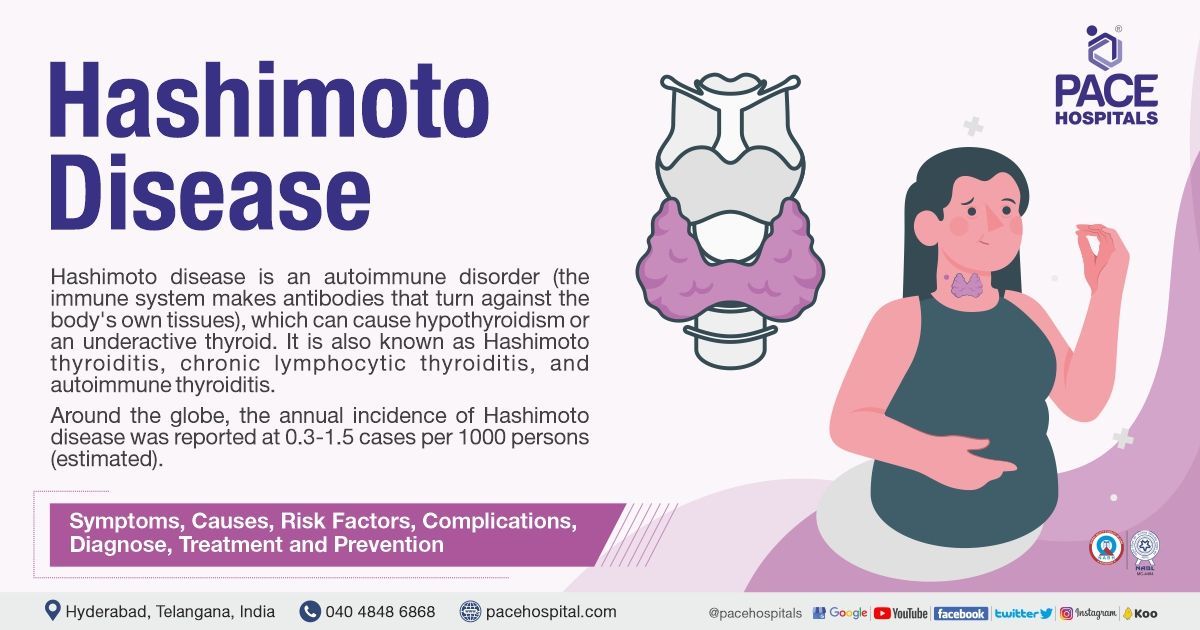
Hashimoto’s thyroiditis, an autoimmune disorder where the immune system mistakenly attacks the thyroid gland, presents a complex challenge for both patients and healthcare providers. While the underlying mechanism is biological, the modern landscape of diagnosing, monitoring, and managing this condition is increasingly intertwined with technological advancements. Understanding “what kind of doctor treats Hashimoto’s disease” takes on a new dimension when viewed through the lens of how technology is revolutionizing patient care, enabling more precise diagnostics, personalized treatment plans, and proactive health management.
The traditional answer points to endocrinologists, who specialize in hormonal disorders. However, a comprehensive approach to Hashimoto’s often involves a multidisciplinary team, and the tools and techniques these specialists employ are deeply rooted in technological innovation. From advanced imaging and sophisticated lab testing to AI-powered diagnostic aids and wearable health trackers, technology is not just augmenting, but fundamentally transforming, how we approach thyroid health. This article delves into the technological frontiers of Hashimoto’s disease treatment, exploring how innovations are empowering patients and physicians alike.
The Technological Foundation of Diagnosis: Precision and Early Detection
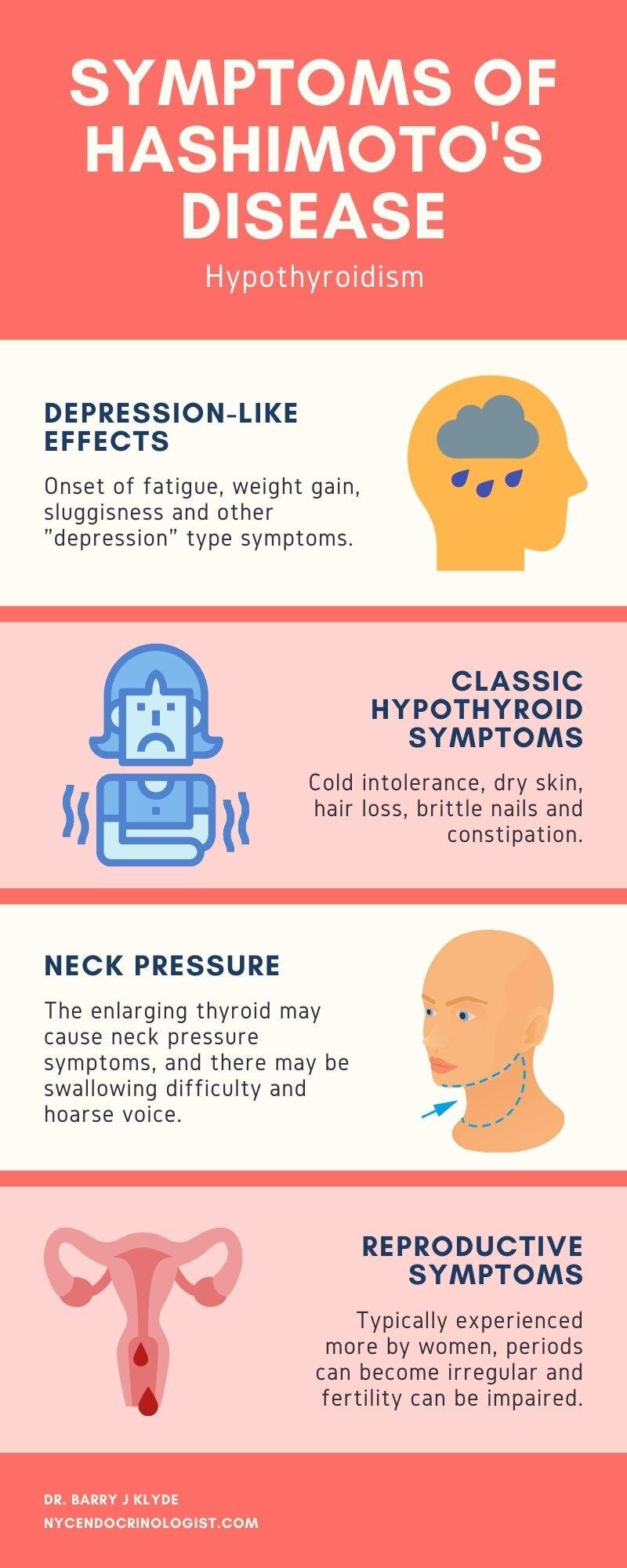
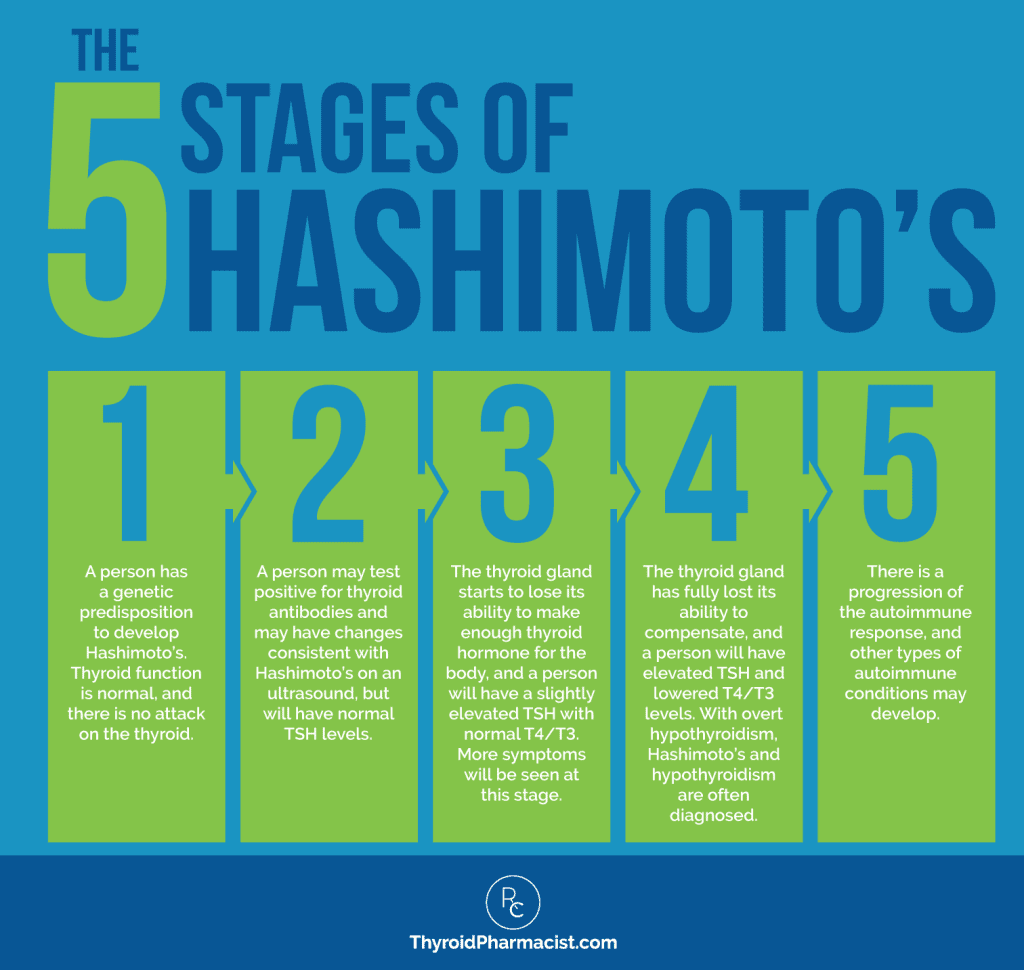
The first crucial step in treating Hashimoto’s disease is accurate and timely diagnosis. Gone are the days of purely clinical suspicion; modern diagnostics rely heavily on sophisticated technological tools that provide objective data and allow for earlier and more precise identification of the disease. This technological underpinning is essential for initiating effective treatment and preventing long-term complications.
Advanced Laboratory Diagnostics: Beyond Basic TSH
The cornerstone of diagnosing Hashimoto’s remains laboratory testing, but the scope and accuracy of these tests have been dramatically enhanced by technological progress. While a simple TSH (thyroid-stimulating hormone) test is often the initial screening tool, a more in-depth understanding requires a panel of antibodies, which are now reliably detected through highly sensitive immunoassay techniques.
- Antibody Assays: The most critical tests for confirming Hashimoto’s are for thyroid peroxidase antibodies (TPOAb) and thyroglobulin antibodies (TgAb). Modern immunoassay platforms, such as ELISA (enzyme-linked immunosorbent assay) and chemiluminescence immunoassays, employ advanced automation and detection systems to quantify these antibodies with remarkable precision. These technologies minimize human error and allow for the detection of even low levels of antibodies, crucial for early diagnosis.
- Molecular Diagnostics: While not yet routine for Hashimoto’s, the field of molecular diagnostics is poised to play a larger role. Technologies like polymerase chain reaction (PCR) can detect genetic predispositions or subtle changes in thyroid cells that might indicate an increased risk or early autoimmune activity. As our understanding of the genetic components of autoimmune diseases grows, these advanced molecular tools will become increasingly vital.
- Automated Lab Systems: The sheer volume of blood work processed by laboratories necessitates sophisticated automation. Robotic systems handle sample preparation, reagent addition, and data analysis, ensuring consistency, speed, and accuracy. This technological integration allows endocrinologists and other physicians to receive reliable results quickly, facilitating prompt treatment initiation.
Imaging Technologies: Visualizing Thyroid Health
Beyond blood tests, imaging plays a significant role in assessing the thyroid gland’s structural integrity and identifying any abnormalities associated with Hashimoto’s. These non-invasive techniques provide visual confirmation and can help differentiate Hashimoto’s from other thyroid conditions.
- Ultrasound Technology: Thyroid ultrasound is a primary imaging modality. High-frequency ultrasound transducers produce detailed images of the thyroid gland’s size, echogenicity, and the presence of nodules. Advanced ultrasound machines incorporate Doppler technology to assess blood flow patterns within the gland, which can be altered in autoimmune thyroiditis. Features like a heterogeneous echotexture and hypoechoic areas are characteristic findings that technology enables physicians to identify.
- Scintigraphy (Radioactive Iodine Uptake Scan): While less common for routine Hashimoto’s diagnosis, thyroid scintigraphy can be used in specific scenarios. This technique involves administering a small amount of radioactive iodine and then imaging the thyroid gland to assess its ability to take up iodine. In Hashimoto’s, the uptake may be reduced or uneven due to the inflammatory process. The imaging equipment, including gamma cameras, has become increasingly sophisticated, providing higher resolution and faster scan times.
- AI-Assisted Image Analysis: The burgeoning field of Artificial Intelligence (AI) is beginning to impact medical imaging. Algorithms are being developed to analyze ultrasound images of the thyroid, identifying subtle patterns that might be missed by the human eye. These AI tools can aid in lesion characterization, nodule classification, and even predict the likelihood of malignancy, though their primary role in Hashimoto’s diagnosis is currently focused on refining the assessment of thyroid morphology.
The Evolving Role of Technology in Treatment and Management
Once Hashimoto’s disease is diagnosed, the focus shifts to managing the condition and mitigating its symptoms. Here too, technology is not just an aid but a driver of more personalized and effective therapeutic strategies.
Precision Medicine and Personalized Dosing
Hashimoto’s disease management is inherently personalized, as individual responses to thyroid hormone replacement therapy can vary significantly. Technology is enabling a more precise approach to these treatments.
- Advanced Pharmacogenomics: While still in its early stages for Hashimoto’s, pharmacogenomics – the study of how genes affect a person’s response to drugs – holds immense promise. By analyzing an individual’s genetic makeup, physicians could potentially predict how they will metabolize and respond to different thyroid hormone formulations (e.g., levothyroxine, liothyronine, or natural desiccated thyroid). This would allow for more tailored dosing from the outset, reducing the trial-and-error period and minimizing side effects.
- Smart Drug Delivery Systems: While not yet mainstream for thyroid hormone replacement, the concept of smart drug delivery systems is an area of active research. These could involve technologies that release medication at optimal times or in response to physiological cues, further fine-tuning hormone levels.
- Data Analytics for Treatment Optimization: Electronic health records (EHRs) integrated with sophisticated data analytics platforms allow physicians to track patient outcomes on a large scale. By analyzing vast datasets, researchers and clinicians can identify patterns in treatment response, discover optimal dosing strategies for specific patient profiles, and refine guidelines based on real-world evidence.
Digital Health Tools for Patient Empowerment and Monitoring
The proliferation of digital health tools has placed unprecedented power in the hands of patients, enabling them to become active participants in their own care. For individuals with chronic conditions like Hashimoto’s, these tools are invaluable for day-to-day management and symptom tracking.
- Wearable Health Trackers: Wearable devices like smartwatches and fitness trackers can continuously monitor physiological parameters such as heart rate, sleep patterns, and activity levels. While not directly measuring thyroid hormones, these metrics can serve as indirect indicators of how well the thyroid condition is being managed. For instance, persistent fatigue or disturbed sleep patterns detected by a wearable could prompt a patient to consult their doctor, potentially indicating a need for medication adjustment.
- Mobile Health (mHealth) Apps: A plethora of mHealth apps are available for managing chronic conditions. For Hashimoto’s, these apps can facilitate:
- Symptom Logging: Patients can meticulously record their symptoms, energy levels, mood fluctuations, and any side effects from medication. This detailed diary provides a rich source of information for the physician.
- Medication Reminders: Ensuring consistent intake of thyroid hormone is critical. Apps can provide timely reminders, reducing the risk of missed doses.
- Dietary Tracking: Many individuals with Hashimoto’s explore dietary interventions. Apps allow for easy logging of food intake, helping to identify potential triggers or dietary patterns that impact well-being.
- Educational Resources: Reputable apps can provide access to evidence-based information about Hashimoto’s, empowering patients with knowledge.
- Telemedicine Platforms: The rise of telemedicine has dramatically improved access to healthcare, especially for individuals in remote areas or those with mobility issues. Virtual consultations with endocrinologists or thyroid specialists allow for regular check-ins, medication reviews, and the management of minor concerns without the need for an in-person visit. This is particularly beneficial for ongoing monitoring of a chronic condition like Hashimoto’s.
- Patient Portals and Secure Messaging: Secure online patient portals allow patients to access their lab results, communicate directly with their care team, request prescription refills, and schedule appointments. This digital connectivity streamlines communication and fosters a more collaborative patient-physician relationship.
The Future of Hashimoto’s Treatment: AI, Big Data, and Predictive Analytics
The trajectory of healthcare is undeniably towards greater reliance on data-driven insights and artificial intelligence. For Hashimoto’s disease, this translates to a future where diagnosis is even more precise, treatments are hyper-personalized, and interventions can be proactive rather than reactive.
AI in Diagnostic Imaging and Pathology
As mentioned earlier, AI is already making inroads into analyzing medical images. Beyond identifying abnormalities in ultrasound scans, AI algorithms can analyze microscopic pathology slides of thyroid tissue with remarkable accuracy, potentially aiding in the early detection of subtle changes indicative of autoimmune infiltration or dysplasia. This can complement the expertise of pathologists and improve diagnostic consistency.
Big Data for Uncovering Complex Mechanisms
The sheer volume of health data being generated – from EHRs, wearable devices, and genetic sequencing – represents a goldmine of information. Big data analytics, powered by advanced computational techniques, can sift through this data to identify correlations and patterns that are not apparent through traditional research methods. For Hashimoto’s, this could lead to:
- Identifying Novel Biomarkers: Discovering new indicators of disease progression or treatment response beyond current antibody tests.
- Understanding Disease Heterogeneity: Recognizing distinct subtypes of Hashimoto’s that may require different therapeutic approaches.
- Predicting Autoimmune Triggers: Uncovering environmental or genetic factors that contribute to the onset and progression of the disease.
Predictive Analytics for Proactive Healthcare
Predictive analytics uses statistical algorithms and machine learning techniques to forecast future events. In the context of Hashimoto’s, this means moving towards a model of proactive healthcare:
- Risk Stratification: Identifying individuals at higher risk of developing Hashimoto’s based on their genetic predispositions, lifestyle factors, and existing health conditions, allowing for targeted preventative strategies.
- Forecasting Disease Flares: Predicting periods of increased autoimmune activity or symptom exacerbation, enabling patients and physicians to take preemptive measures to manage these episodes.
- Personalized Treatment Trajectories: Developing dynamic treatment plans that adapt over time based on an individual’s ongoing physiological data and predicted responses.
In conclusion, while the doctor who treats Hashimoto’s disease is often an endocrinologist, the technological landscape is profoundly reshaping how this condition is managed. From the advanced laboratory and imaging technologies that form the bedrock of diagnosis to the digital health tools that empower patients and the AI and big data analytics that promise a future of precision and prediction, technology is an indispensable partner in the journey towards optimal thyroid health. Patients navigating Hashimoto’s should engage with healthcare providers who embrace these technological advancements, fostering a collaborative and data-informed approach to their care.
aViewFromTheCave is a participant in the Amazon Services LLC Associates Program, an affiliate advertising program designed to provide a means for sites to earn advertising fees by advertising and linking to Amazon.com. Amazon, the Amazon logo, AmazonSupply, and the AmazonSupply logo are trademarks of Amazon.com, Inc. or its affiliates. As an Amazon Associate we earn affiliate commissions from qualifying purchases.