
In an increasingly digital world, the way we consume entertainment, particularly television, has undergone a revolutionary transformation. The monolithic reign of traditional cable and satellite providers, once an undisputed staple in most households, has steadily given way to a more agile, personalized, and internet-centric approach. At the forefront of this paradigm shift stands YouTube TV, a live TV streaming service that has redefined the concept of television for a new generation of viewers. Far from merely being an extension of the ubiquitous YouTube video platform, YouTube TV is a comprehensive technological solution designed to replicate and surpass the traditional cable experience, delivering a robust package of live channels, on-demand content, and advanced DVR capabilities directly to your connected devices. It represents a significant leap in broadcasting technology, integrating the flexibility of internet streaming with the immediacy of live television.

The Evolution of Television Consumption
The journey from bulky cathode-ray tube televisions to sleek, internet-connected smart screens has been swift and profound. This technological progression has profoundly influenced consumer expectations, fostering a demand for convenience, choice, and control that traditional broadcasting models often struggled to meet.
The Decline of Traditional Cable
For decades, the cable television model was king. Subscribers paid for vast bundles of channels, often including many they never watched, delivered via coaxial cables. While this offered a wide array of content, it came with significant drawbacks: rigid programming schedules, expensive long-term contracts, bulky set-top boxes, and a lack of flexibility regarding viewing location. The rise of high-speed internet began to chip away at this foundation, first with on-demand video services like Netflix, and later with more sophisticated solutions that mimicked live TV. Consumers became increasingly frustrated with the “cord” that tethered them to a specific provider and viewing setup, leading to the phenomenon known as “cord-cutting.”
The Rise of Live TV Streaming
Enter live TV streaming services, a direct answer to the limitations of traditional cable. These platforms leverage the internet to deliver real-time broadcasts of popular networks, sports, news, and entertainment channels. They offer the familiar structure of linear television while embedding it with the inherent advantages of digital technology: no contracts, lower monthly costs (often), portability across devices, and enhanced features like cloud-based recording. YouTube TV emerged as a prominent player in this burgeoning market, combining Google’s immense technological infrastructure with its deep understanding of video content delivery to create a compelling alternative. It capitalized on the growing desire for an all-encompassing, yet flexible, television experience that could be accessed anywhere with an internet connection.
YouTube TV: A Deep Dive into its Core Offering
At its heart, YouTube TV is an over-the-top (OTT) streaming service that provides live television from major broadcast and cable networks. But its appeal goes far beyond simply delivering channels; it’s the intelligent integration of advanced features and a user-centric design that truly sets it apart as a technological marvel in the streaming landscape.
Comprehensive Channel Lineup
One of YouTube TV’s primary strengths lies in its extensive channel offering. Subscribers gain access to a broad spectrum of popular networks, including major local affiliates (ABC, CBS, FOX, NBC, CW) in most markets, along with a vast array of cable channels covering sports (ESPN, Fox Sports, CBS Sports Network), news (CNN, Fox News, MSNBC), entertainment (FX, TNT, TBS, AMC), and family programming. This wide selection aims to replicate the diversity of a traditional cable package, ensuring viewers don’t feel deprived of their favorite shows or live events. The channel delivery system relies on robust content delivery networks (CDNs) and adaptive bitrate streaming technology, ensuring a stable and high-quality viewing experience even under varying internet conditions.
Unlimited Cloud DVR Functionality
Perhaps the most celebrated technological feature of YouTube TV is its truly unlimited cloud Digital Video Recorder (DVR). Unlike traditional DVRs which are limited by physical storage space, YouTube TV’s cloud-based system allows users to record as many shows, movies, and live events as they wish, simultaneously, with no storage caps. Recordings are stored in the cloud for nine months, accessible from any device connected to the user’s account. This functionality represents a significant technological advantage, eliminating the need for expensive hardware and offering unparalleled flexibility. The underlying architecture for this system involves massive data storage solutions and sophisticated indexing algorithms to manage and serve user-specific recordings seamlessly.
Multi-User Experience and Device Compatibility
YouTube TV is designed for modern households. A single subscription allows for up to six individual accounts, each with its own personalized library, recommendations, and DVR recordings. This multi-user functionality is powered by robust backend account management systems, ensuring privacy and customization for each family member. Furthermore, the service boasts impressive cross-platform compatibility. It supports a wide array of devices, including smart TVs (Samsung, LG, Vizio, etc.), streaming media players (Roku, Apple TV, Amazon Fire TV, Chromecast with Google TV), gaming consoles (Xbox, PlayStation), smartphones, tablets, and web browsers. This broad device support is a testament to the service’s commitment to accessibility, requiring extensive development and optimization for diverse operating systems and hardware configurations.
Add-Ons and Premium Content
Beyond its core offering, YouTube TV provides options to enhance the viewing experience through various add-on packages and premium channels. These can include specialized sports packages, movie channels like Showtime and Starz, or international content. This modular approach allows users to tailor their subscription to their specific interests, further personalizing the television experience and providing a financial model that is more flexible than traditional bundles. The integration of these add-ons requires complex API management and rights management systems to ensure smooth delivery and billing.
The Technology Underpinning YouTube TV
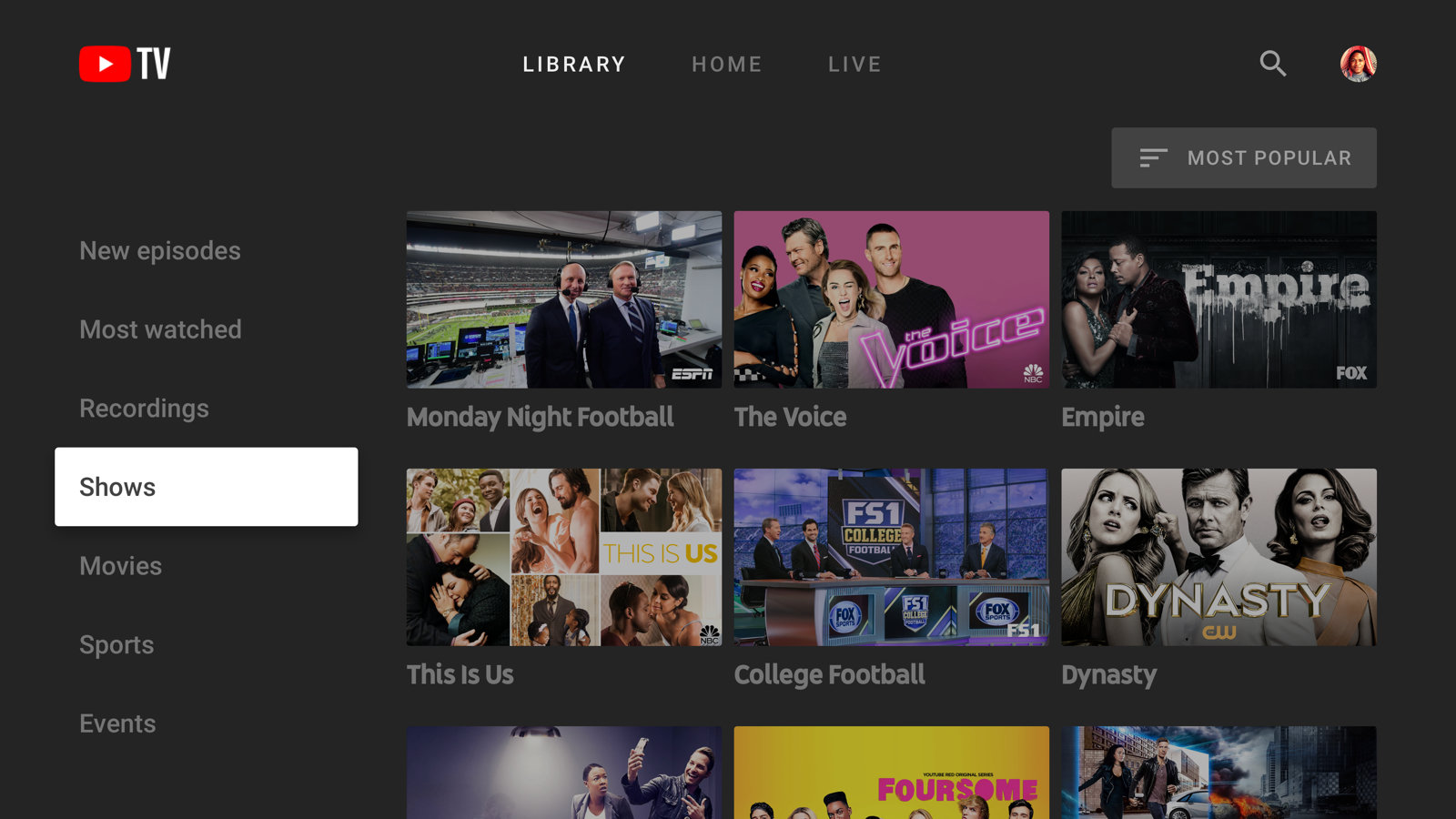
The seamless experience of YouTube TV is not magic; it’s the result of sophisticated technological infrastructure and continuous innovation. From video compression to user interface design, every aspect is engineered for optimal performance and user satisfaction.
Seamless Streaming and Adaptive Bitrate
At the core of any successful streaming service is its ability to deliver high-quality video efficiently. YouTube TV utilizes advanced video compression techniques (e.g., H.264/AVC, H.265/HEVC) and leverages a vast global content delivery network (CDN) to minimize latency and buffering. Critically, it employs adaptive bitrate (ABR) streaming technology. ABR constantly monitors the user’s internet connection speed and device capabilities, dynamically adjusting the video quality (bitrate) in real-time. This ensures that the stream remains smooth and uninterrupted, whether you’re on a fast fiber connection or a slower mobile network, providing the best possible picture quality given the current network conditions without manual intervention from the user.
User Interface and Experience (UI/UX)
A critical component of YouTube TV’s appeal is its intuitive and user-friendly interface. Designed for ease of navigation, the UI prioritizes discoverability and accessibility. Channels are clearly organized, a robust search function allows users to find specific shows or movies, and the live guide mimics traditional TV schedules while offering modern enhancements like quick jumps and personalized recommendations. The user experience (UX) is refined through constant A/B testing and user feedback, ensuring that features are not just functional but genuinely enhance viewing pleasure. Google’s expertise in minimalist design and powerful search algorithms is evident, creating an experience that is both familiar and cutting-edge.
AI-Powered Recommendations and Personalization
Leveraging Google’s formidable capabilities in artificial intelligence and machine learning, YouTube TV offers a highly personalized experience. The platform tracks viewing habits, search history, and DVR selections to generate tailored content recommendations. These AI algorithms analyze vast amounts of data to predict what users are most likely to enjoy, surfacing new shows, movies, or live events that align with their preferences. This personalization extends to the “Library” section, making it easy to pick up where you left off or discover related content, further enhancing engagement and making the service feel uniquely attuned to each individual user.
Cross-Platform Accessibility and Synchronization
The ability to start watching a show on your smart TV, pause it, and then seamlessly resume on your smartphone during your commute is a testament to YouTube TV’s robust synchronization technology. User data, including watch history, DVR recordings, and preferences, are stored in the cloud and synced across all logged-in devices. This ubiquitous accessibility is enabled by a sophisticated backend infrastructure that manages user sessions, authentication, and data persistence across diverse operating systems and device types, ensuring a consistent and uninterrupted viewing experience regardless of where or how you’re watching.
Benefits and Considerations for Tech-Savvy Consumers
For individuals and households evaluating modern entertainment solutions, YouTube TV presents a compelling proposition, albeit with its own set of technological implications and requirements.
Flexibility and Portability
The primary technological advantage of YouTube TV is its unparalleled flexibility. It liberates viewers from the constraints of traditional broadcasting infrastructure. There are no installation appointments, no physical equipment beyond an internet-connected device, and no geographical limitations (within the U.S. and respecting local market programming). The entire service is portable, allowing users to stream live TV or their DVR library from anywhere with an internet connection – whether at home, on vacation, or during a commute. This level of freedom is a direct result of cloud computing and widespread internet access.
Internet Bandwidth Requirements
While flexible, YouTube TV is entirely reliant on a stable, high-speed internet connection. To stream in HD (1080p), YouTube TV recommends a minimum sustained download speed of 7 Mbps for a single stream, with higher speeds (25+ Mbps) advisable for multiple simultaneous streams or 4K content. Buffering, pixelation, and dropped connections are directly correlated with insufficient bandwidth or network congestion. Tech-savvy consumers must ensure their home network infrastructure (router, Wi-Fi signal, internet plan) can adequately support the demands of consistent, high-quality video streaming, especially in multi-device households.
Feature Comparisons with Competitors
In the competitive landscape of live TV streaming, YouTube TV stands out with its unique technological advantages, such as the unlimited cloud DVR and Google’s integrated AI for recommendations. Competitors like Hulu + Live TV, Sling TV, and FuboTV offer similar channel lineups but often differ in DVR storage limits, simultaneous streams, and premium add-ons. Tech enthusiasts often compare these services based on interface responsiveness, streaming quality, platform stability, and the specific feature sets that align with their viewing habits. YouTube TV’s deep integration with the Google ecosystem often provides an edge for users already invested in Google devices and services.
Looking Ahead: The Future of Live Streaming and YouTube TV’s Role
The streaming landscape is dynamic, constantly evolving with new technologies and shifting consumer demands. YouTube TV, backed by Google’s massive R&D capabilities, is well-positioned to remain at the forefront of this evolution.
Innovation in Streaming Technology
The future of live streaming will undoubtedly focus on enhanced immersion, higher fidelity, and greater interactivity. Expect advancements in 4K and eventually 8K streaming, requiring more efficient compression algorithms and even more robust internet infrastructure. Spatial audio and virtual reality (VR) integration could offer new ways to experience live events, particularly sports and concerts. YouTube TV’s ongoing experimentation with features like “multiview” for sports (allowing viewers to watch multiple games simultaneously) hints at a future where interactive elements and personalized viewing experiences become standard. The underlying AI will become even more sophisticated, predicting not just what you want to watch, but also how you want to watch it.

The Convergence of Content Platforms
The trend towards content convergence suggests that the lines between traditional live TV, on-demand libraries, and user-generated content will continue to blur. YouTube TV, by virtue of its connection to the broader YouTube platform, is uniquely positioned to capitalize on this. Imagine seamlessly transitioning from a live news broadcast to a YouTube explainer video on the same topic, or from a network show to behind-the-scenes content produced by the show’s creators on YouTube. This integration could create a more holistic and interconnected entertainment ecosystem, where all forms of video content are accessible from a single, intelligent interface. YouTube TV is not just a cable replacement; it is a vision of integrated digital entertainment, constantly adapting and innovating to meet the demands of the connected age.
aViewFromTheCave is a participant in the Amazon Services LLC Associates Program, an affiliate advertising program designed to provide a means for sites to earn advertising fees by advertising and linking to Amazon.com. Amazon, the Amazon logo, AmazonSupply, and the AmazonSupply logo are trademarks of Amazon.com, Inc. or its affiliates. As an Amazon Associate we earn affiliate commissions from qualifying purchases.