
WSS, an acronym for “Warehouse Shoe Sale,” is more than just a retail chain; it’s a deeply ingrained cultural touchstone, particularly within diverse urban and suburban communities across the United States. Founded in Southern California in 1984, WSS has strategically carved out a distinctive niche in the highly competitive footwear and apparel market. Unlike many of its counterparts, WSS has consistently prioritized accessibility, community engagement, and a curated selection of leading athletic and lifestyle brands, positioning itself as a trusted neighborhood destination rather than just another transactional retail outlet. At its core, WSS embodies a brand identity built on authenticity, connection, and a keen understanding of its customers’ needs and aspirations, making it a powerful example of community-centric retail branding.

The Genesis and Evolution of WSS
The journey of WSS from a single store to a significant retail presence is a testament to a clear vision and strategic adaptability. Its foundation lies in recognizing an underserved market and building a brand that resonates deeply with its target demographic.
Humble Beginnings and Core Vision
WSS began its operations with a straightforward yet powerful premise: to provide brand-name athletic and casual footwear and apparel at competitive prices to communities that often felt overlooked by mainstream retailers. The initial stores were designed to be welcoming, accessible, and stocked with products relevant to the local culture and lifestyle. This wasn’t about imposing a brand; it was about integrating into the existing fabric of a community and serving its genuine needs. The founders understood that for many, a pair of new sneakers wasn’t just a purchase; it was a statement, a necessity for sports, or a connection to wider cultural trends. By offering a wide selection of popular brands like Nike, Adidas, Puma, Vans, and Converse, alongside excellent customer service, WSS quickly established itself as a reliable source for quality footwear. This foundational commitment to value, authenticity, and community respect laid the groundwork for its enduring brand appeal. The “Warehouse Shoe Sale” moniker itself, while later condensed to WSS, hinted at the brand’s early promise of offering value and a broad selection, appealing directly to consumers looking for quality without exorbitant prices.
Strategic Expansion and Market Penetration
From its Southern California roots, WSS embarked on a deliberate expansion strategy, primarily focusing on high-density urban and suburban areas with diverse populations. This wasn’t a haphazard growth plan; each new location was chosen with a deep understanding of its potential customer base, aiming to become an integral part of the local landscape. The brand’s success wasn’t solely about opening new doors; it was about replicating its core values and community-centric approach in every new market. By maintaining consistent branding – both in terms of store layout and product offerings – WSS ensured that its identity remained cohesive while adapting slightly to local nuances. This strategy allowed WSS to penetrate markets where customers valued strong brands but also appreciated retailers who understood their unique preferences and economic realities. Their growth illustrated a sophisticated understanding of localized marketing and the power of building brand loyalty through genuine engagement rather than simply broad-stroke advertising. The company’s ability to scale while preserving its intimate, neighborhood store feel is a significant branding achievement, demonstrating that large-scale retail can still maintain a personal touch.
WSS’s Unique Brand Identity and Market Positioning
The distinctiveness of the WSS brand lies not just in what it sells, but in how it positions itself within the market and the communities it serves. It has meticulously cultivated an identity that transcends typical retail operations.
More Than Just Shoes: Community Hub
WSS has deliberately cultivated an image as a community hub, a place where people don’t just shop but connect. This aspect is central to its brand identity. Stores are often designed to be vibrant, welcoming spaces, reflecting the energy of their neighborhoods. Beyond the transactional exchange, WSS often hosts or participates in local events, back-to-school drives, holiday promotions, and community health initiatives. This engagement fosters a sense of belonging and loyalty, transforming the store into a trusted neighbor. For instance, sponsoring local sports teams, contributing to community clean-up efforts, or organizing meet-and-greets with local influencers or athletes reinforces its role as a supportive community partner. This strategy builds emotional connections with customers, turning casual shoppers into brand advocates who view WSS as more than a store – it’s a part of their community’s infrastructure and cultural life. This deep integration is a powerful differentiator in a retail landscape often criticized for its impersonality.
Bridging Culture and Commerce
WSS excels at bridging the gap between commerce and contemporary culture, particularly within the realms of street fashion, sports, and music. The brand’s product selection is always acutely attuned to current trends and what resonates with its diverse customer base. This means stocking the latest sneaker drops, sought-after apparel collaborations, and essential athletic gear that reflects current popular culture. The brand doesn’t just sell products; it curates experiences and offers items that help customers express their identity and stay connected to cultural movements. This cultural sensitivity is reflected in their marketing campaigns, which often feature relatable local personalities, artists, or athletes, further embedding the brand within the cultural narrative of its communities. By understanding and embracing the cultural nuances of its target audience, WSS transcends a purely commercial role to become a cultural facilitator, strengthening its brand appeal and relevance. This keen understanding of its audience’s cultural touchpoints allows WSS to maintain a vibrant and always-relevant brand image that speaks directly to the aspirations and lifestyles of its customers.
The Product Portfolio: Curated for the Customer
The strength of the WSS brand is also underpinned by its carefully curated product portfolio. While offering major global brands, WSS ensures that its inventory reflects the specific demands and preferences of its local clientele. This means a broad assortment of athletic footwear, including running shoes, basketball sneakers, and skate shoes, alongside casual and lifestyle options. Apparel ranges from athletic wear to streetwear, catering to various fashion sensibilities. Crucially, WSS often features exclusive releases, limited editions, and sought-after colorways, creating excitement and drawing customers eager for the latest trends. The emphasis is on providing options that combine style, comfort, and performance, all within an accessible price range. This balance of premium brands and value-driven pricing, coupled with a deep understanding of what its customers genuinely want, solidifies WSS’s reputation as a reliable and desirable retail destination. The ability to offer a diverse range that appeals to different age groups and style preferences, while maintaining competitive pricing, is a key element of its enduring brand strength and market positioning.
The WSS Customer Experience and Engagement Strategy
The consistent and positive customer experience is a cornerstone of the WSS brand, meticulously crafted through in-store interactions, digital outreach, and active community involvement.
In-Store Experience: Authenticity and Approachability
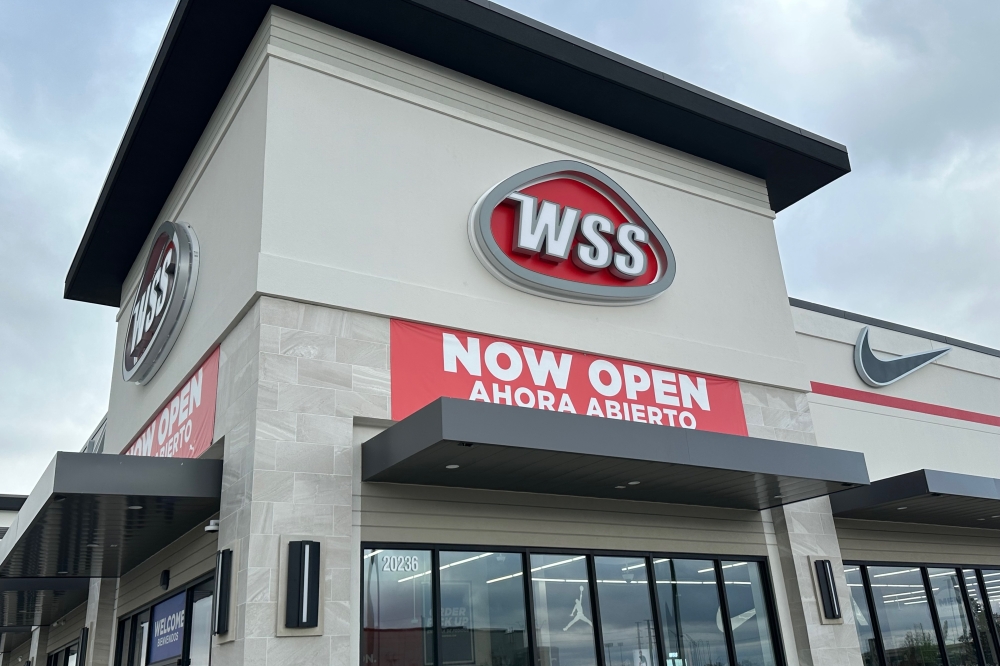
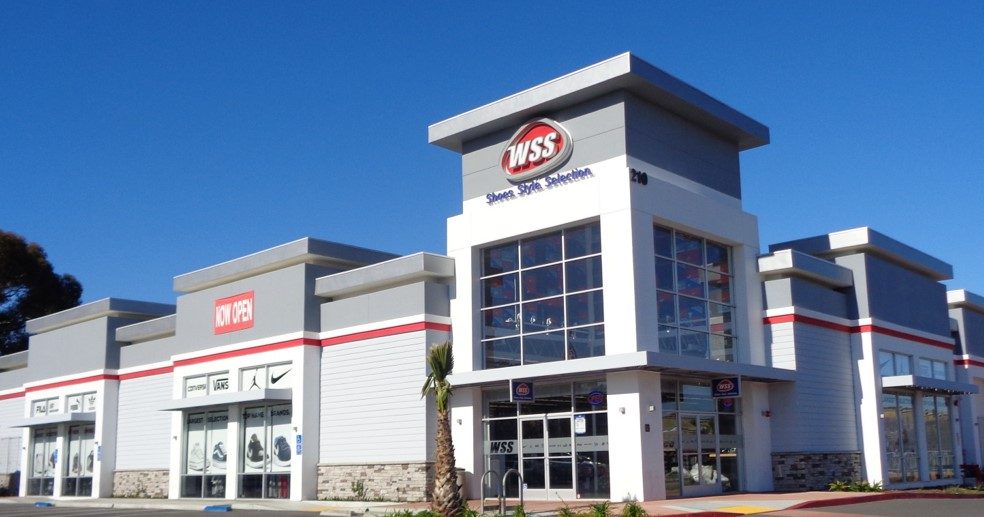
The in-store experience at WSS is designed to be authentic, approachable, and focused on the customer. Stores are typically spacious, well-lit, and organized, making it easy for customers to browse and find what they’re looking for. However, it’s the human element that truly distinguishes WSS. Staff members are often local residents, fostering a sense of familiarity and trust. They are trained not just in sales, but in product knowledge and customer service that reflects the brand’s community-first ethos. This means attentive, helpful interactions without high-pressure sales tactics. The atmosphere is generally lively and welcoming, encouraging customers to take their time and feel comfortable. This emphasis on genuine connection and knowledgeable assistance helps to build repeat business and solidify brand loyalty. The physical store acts as the primary touchpoint for the brand’s promise of community connection and accessible style, making the in-store experience critical to the overall brand perception.
Digital Presence and Omni-Channel Approach
In an increasingly digital world, WSS has effectively expanded its brand presence beyond brick-and-mortar stores. Its website serves as a crucial extension of the in-store experience, offering a broader selection, online exclusives, and convenient shopping options. Social media platforms are leveraged to engage with customers, announce new product drops, run contests, and share lifestyle content that resonates with its audience. This digital strategy ensures that WSS remains relevant to younger, tech-savvy consumers while also providing convenience for all customers. The brand has adopted an omni-channel approach, seamlessly integrating its online and offline experiences. Customers can research products online, check availability at their local store, and make purchases both virtually and in person. This flexibility reinforces WSS’s commitment to meeting customers wherever they are, enhancing the overall brand experience and driving engagement across multiple touchpoints.
Community Initiatives and Social Responsibility
WSS consistently reinforces its brand values through robust community initiatives and social responsibility programs. This isn’t merely about good public relations; it’s an authentic extension of its brand identity. By actively investing in the communities it serves, WSS demonstrates a commitment that goes beyond profit. Programs might include shoe donation drives, sponsoring local youth sports leagues, partnering with educational institutions, or supporting local charities. These initiatives build immense goodwill and reinforce the brand’s image as a responsible and caring corporate citizen. For many customers, knowing that a brand actively gives back to their community is a powerful factor in their purchasing decisions, fostering a deeper, more meaningful connection. This dedication to social impact is a critical component of the WSS brand strategy, differentiating it from competitors and cementing its status as a beloved neighborhood fixture.
The Impact and Future Trajectory of the WSS Brand
WSS has not only established a strong retail presence but has also significantly influenced the communities it serves and the broader retail landscape. Its future trajectory will depend on its ability to maintain its core identity while adapting to dynamic market forces.
Shaping Retail and Community Landscapes
WSS has had a tangible impact on both the retail landscape and the communities it inhabits. Economically, its stores often anchor shopping centers and provide employment opportunities for local residents. Culturally, WSS has become a symbol of accessible fashion and a reliable source for trending footwear, helping to define the style and identity of its customers. By consistently providing access to desirable brands and fostering a sense of belonging, WSS has contributed to the vitality and unique character of many urban and suburban neighborhoods. Its model demonstrates that a retail brand can be both commercially successful and deeply rooted in social responsibility, challenging the notion that these two aspects are mutually exclusive. This dual impact underscores the power of a brand built on purpose and authenticity.
Adapting to Evolving Consumer Behavior
The retail industry is in constant flux, driven by technological advancements, shifting consumer preferences, and evolving economic conditions. For WSS to sustain its relevance and growth, it must continually adapt. This involves closely monitoring trends in e-commerce, mobile shopping, and personalized experiences. While its brick-and-mortar presence is a core strength, enhancing its digital capabilities, optimizing supply chain logistics for faster fulfillment, and leveraging data analytics for more personalized marketing will be crucial. Furthermore, as consumer preferences shift towards sustainability and ethical sourcing, WSS may need to evolve its product offerings and communication strategies to align with these values, ensuring its brand remains appealing to conscious consumers. The challenge will be to innovate and modernize without diluting the authentic, community-focused brand identity that has been its hallmark.
Sustaining Brand Relevance and Growth
The enduring appeal of the WSS brand lies in its unwavering commitment to its foundational values: community, accessibility, and a curated selection of popular brands. To sustain relevance and fuel future growth, WSS will likely continue to expand into new geographical markets that align with its demographic focus, while simultaneously deepening its engagement within existing communities. This could involve exploring new formats, such as smaller concept stores or pop-ups, or further enhancing its event-based marketing to draw in new generations of customers. By consistently delivering on its brand promise – providing great products with a genuine connection to its community – WSS is well-positioned to maintain its influential status and continue its trajectory as a beloved and impactful retail brand for years to come. Its success serves as a powerful case study for how a brand, by understanding its core audience and staying true to its mission, can achieve both commercial prosperity and significant cultural resonance.
aViewFromTheCave is a participant in the Amazon Services LLC Associates Program, an affiliate advertising program designed to provide a means for sites to earn advertising fees by advertising and linking to Amazon.com. Amazon, the Amazon logo, AmazonSupply, and the AmazonSupply logo are trademarks of Amazon.com, Inc. or its affiliates. As an Amazon Associate we earn affiliate commissions from qualifying purchases.