
In the hyper-competitive landscape of the global beauty and personal care industry—a market valued at over $500 billion—the power of a single word can redefine a company’s trajectory. Within the hair extension and wig sector, that word is “virgin.” To the uninitiated, the phrase “what is virgin hair” might seem like a simple inquiry into product specifications. However, from a brand strategy and corporate identity perspective, “virgin hair” represents one of the most successful exercises in premium market positioning in modern history.
For entrepreneurs and brand architects, virgin hair is more than just raw material; it is a brand promise. It signifies a product that is chemically untouched, structurally sound, and biologically superior. This article explores how the concept of virgin hair serves as the foundation for brand authority, consumer trust, and the construction of a luxury corporate identity in a crowded digital marketplace.

The Anatomy of a Premium Label: Virgin Hair as Brand Positioning
In branding, the “Product Core” is what the item does, but the “Augmented Product” is the set of attributes that make it desirable. When a company uses the term “virgin hair,” they are not just selling human hair; they are selling the concept of purity and longevity.
Defining the Value Proposition
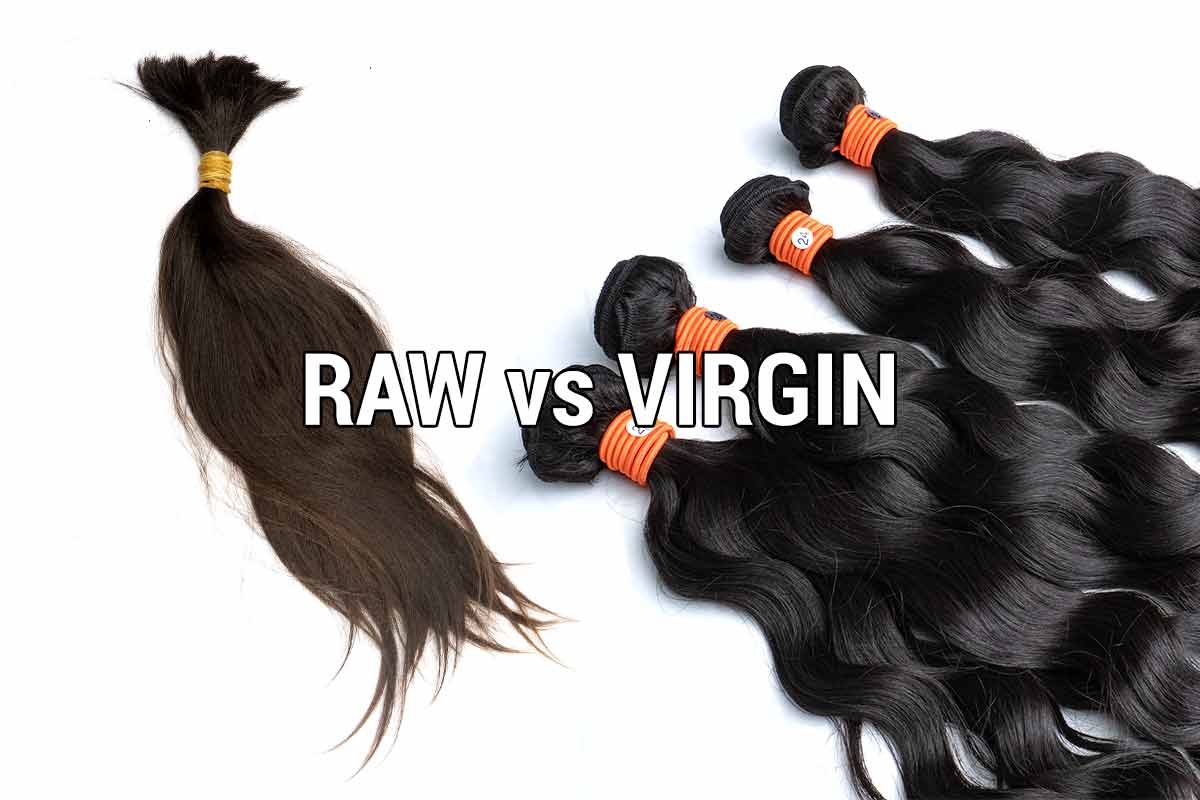
From a branding standpoint, virgin hair is defined as human hair that has never been chemically processed. This means no perms, no bleaches, no color treatments, and no harsh washes. For a brand, this lack of intervention is a powerful selling point. It positions the product as “nature’s finest,” allowing the brand to command a price point significantly higher than competitors selling “Remy” or non-Remy hair. By adopting the virgin label, a brand immediately signals to the consumer that they are operating in the luxury or “prosumer” tier of the market.
Establishing the “Gold Standard” Identity
Successful brands like Great Lengths or Indique have built their corporate identities around the integrity of their sourcing. When a brand defines its inventory as “virgin,” it creates an exclusionary zone. It tells the customer: “We do not compromise.” This helps in crafting a brand voice that is authoritative and uncompromising. The “virgin” label acts as a shorthand for quality assurance, reducing the cognitive load on the consumer and streamlining the path to purchase.
Emotional Branding and the Purity Narrative
The term “virgin” carries heavy semantic weight. In marketing, words are chosen for their psychological impact. By labeling hair as virgin, brands tap into the consumer’s desire for something “unspoiled” and “authentic.” This emotional resonance is a key component of brand strategy, moving the conversation away from a transactional purchase toward an investment in one’s personal image and self-worth.
Authenticity as a Competitive Advantage: Building Trust in a Saturated Market
One of the greatest challenges in brand management is maintaining authenticity in an industry rife with counterfeits. The hair industry is notorious for mislabeling. To a brand strategist, the question “what is virgin hair” is actually a question of “how do we prove our product is real?”
Transparency as a Brand Pillar
In the digital age, transparency is no longer optional; it is a core brand requirement. Brands that successfully dominate the virgin hair space do so by opening the curtain on their supply chain. They use “Brand Storytelling” to show the journey of the hair from the donor to the final bundle. This transparency builds a “Trust Moat” around the brand, making it difficult for low-quality competitors to compete on anything other than price.
The Role of Certification and Quality Control
To solidify a brand’s identity as a purveyor of authentic virgin hair, many companies have implemented proprietary grading systems or internal certifications. While there is no universal industry standard for hair grading (e.g., 8A, 10A, etc.), a brand that defines and sticks to its own rigorous standards creates a sense of reliability. This consistency is the bedrock of brand equity. When a customer knows that “Brand X’s” virgin hair will consistently last for two years, the brand has successfully converted a one-time buyer into a lifetime advocate.
Combatting “Brand Dilution”
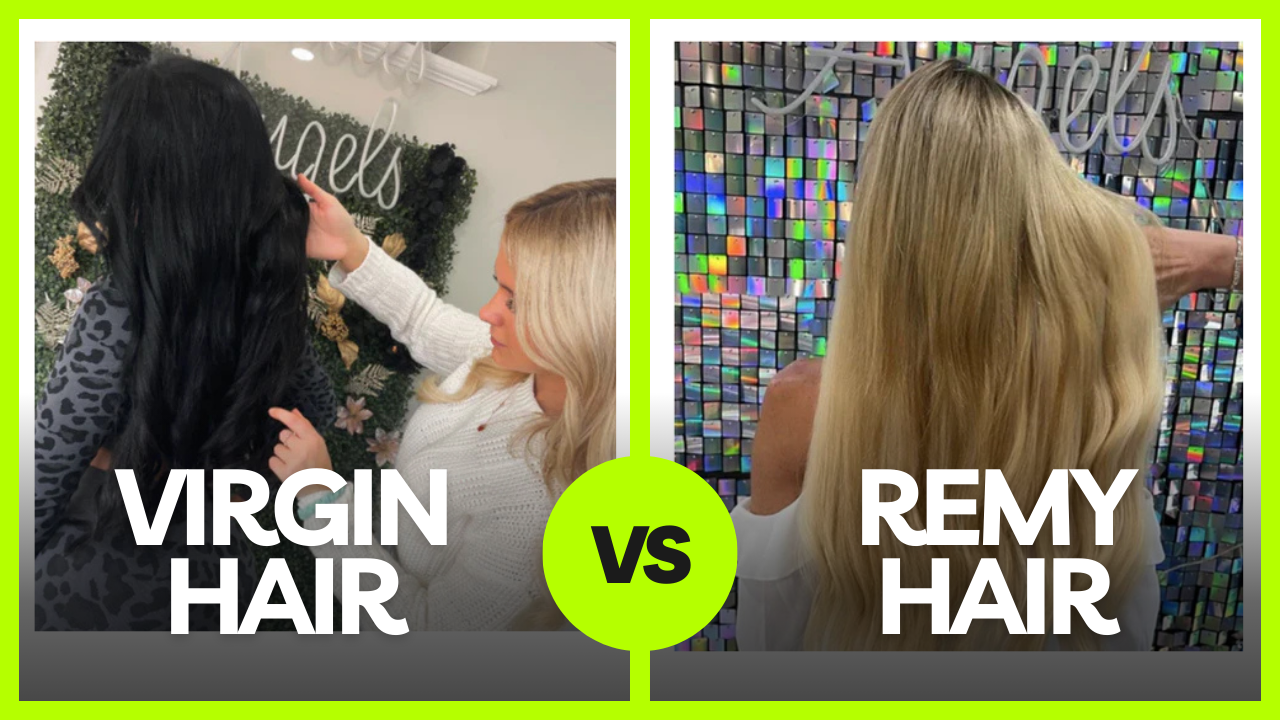
The term “virgin hair” has become so popular that many low-tier suppliers use it to describe chemically treated hair. For a high-end brand, this creates the risk of brand dilution. To counter this, savvy marketers focus on education. They create content—blogs, videos, and tutorials—that teach consumers how to distinguish real virgin hair (e.g., the “smoke test” or the “cuticle rub test”). By positioning the brand as an educator, the company gains “Thought Leadership,” which is one of the most valuable assets in brand strategy.
The Marketing of Provenance: Sourcing, Ethics, and Global Identity
In luxury branding, where a product comes from is often as important as what it is. Virgin hair brands heavily leverage geography to create distinct brand identities.
Regional Branding: Brazilian, Indian, and Malaysian
A significant part of the virgin hair brand strategy involves regional categorization. For instance:
- Indian Virgin Hair: Often marketed as the “versatile” brand choice, known for its natural wave and thickness.
- Brazilian Virgin Hair: Branded as the “glamour” choice, synonymous with high volume and bounce.
- European Virgin Hair: Positioned as the “ultra-exclusive” tier due to its rarity and fine texture.
These regional labels are marketing constructs that help segment the audience. A brand can choose to specialize in one region (niche branding) or offer a global portfolio (conglomerate branding), depending on its target demographic.
Ethical Sourcing as a Corporate Identity
Modern brand strategy must account for Corporate Social Responsibility (CSR). The sourcing of virgin hair has often faced ethical scrutiny. Brands that want to build a sustainable, long-term corporate identity are now focusing on “Ethical Virgin Hair.” This involves ensuring donors are compensated fairly and that the hair is sourced voluntarily. By integrating ethics into the brand DNA, a company can appeal to the socially conscious Gen Z and Millennial demographics, who are increasingly making purchasing decisions based on a company’s values.
The Power of the “Single Donor” Claim
A sub-niche of the virgin hair market is “Single Donor” hair. From a branding perspective, this is the “Single Malt Scotch” of the hair world. It implies that every strand in a bundle came from one individual, ensuring perfect cuticle alignment and color consistency. Brands that market single-donor virgin hair are targeting the top 1% of the market, using “Scarcity Branding” to justify premium price points.
Scaling a Luxury Hair Brand: From Product Quality to Customer Loyalty
Once the definition of “virgin hair” is established within the brand’s framework, the focus shifts to scaling the business and ensuring long-term loyalty.
Developing a Signature Customer Experience
A brand is more than a product; it is the sum of all interactions a customer has with a company. In the virgin hair space, this means luxury packaging, concierge-style customer service, and a seamless unboxing experience. Because virgin hair is a high-ticket item, the branding must reflect that value at every touchpoint. This “Experience Design” is what separates a fly-by-night Instagram vendor from a multi-million dollar corporate entity.
Influencer Marketing and Brand Ambassadorship
The hair industry was one of the first to truly master influencer marketing. For a virgin hair brand, the choice of ambassadors is a critical strategic decision. A brand must align with influencers who embody the quality and prestige of the product. When a high-profile stylist or celebrity vouches for the “virginity” and longevity of the hair, it provides “Social Proof” that no amount of paid advertising can replicate.
Retention Through Education and Community
The final stage of a robust brand strategy is community building. Brands that succeed in the long term don’t just sell hair; they provide a lifestyle. They offer maintenance guides on how to care for virgin hair, host webinars on installation techniques, and create forums for stylists to share their work. This fosters a “Brand Community” where customers feel valued and supported, leading to high retention rates and a lower “Customer Acquisition Cost” (CAC) over time.
Conclusion: The Strategic Future of Virgin Hair Branding
In conclusion, “what is virgin hair” is a question that sits at the intersection of biological reality and strategic marketing. For a brand, it represents the ultimate tool for differentiation in a market that is increasingly commoditized. By understanding that virgin hair is a symbol of purity, authenticity, and luxury, companies can build a corporate identity that transcends the physical product.
The future of the virgin hair brand will be defined by even greater transparency, technological integration (such as blockchain for sourcing verification), and a deeper commitment to ethical practices. As the beauty industry continues to evolve, those who can master the art of branding the “untouched” will remain the leaders of the pack. Whether through regional storytelling, ethical promises, or uncompromising quality control, the “virgin” label remains the most potent weapon in the beauty brand strategist’s arsenal.
aViewFromTheCave is a participant in the Amazon Services LLC Associates Program, an affiliate advertising program designed to provide a means for sites to earn advertising fees by advertising and linking to Amazon.com. Amazon, the Amazon logo, AmazonSupply, and the AmazonSupply logo are trademarks of Amazon.com, Inc. or its affiliates. As an Amazon Associate we earn affiliate commissions from qualifying purchases.