
In the rapidly shifting landscape of the 21st century, the term “universalist” has migrated from the realms of philosophy and theology into the core of the technology sector. In a tech context, a universalist approach refers to the design, development, and strategic implementation of tools and systems that are intentionally built to be accessible, interoperable, and functional across every conceivable platform, demographic, and use case. As we move deeper into the era of Artificial Intelligence (AI) and the Internet of Things (IoT), being a “universalist” is no longer just a design preference—it is a technical necessity for survival.
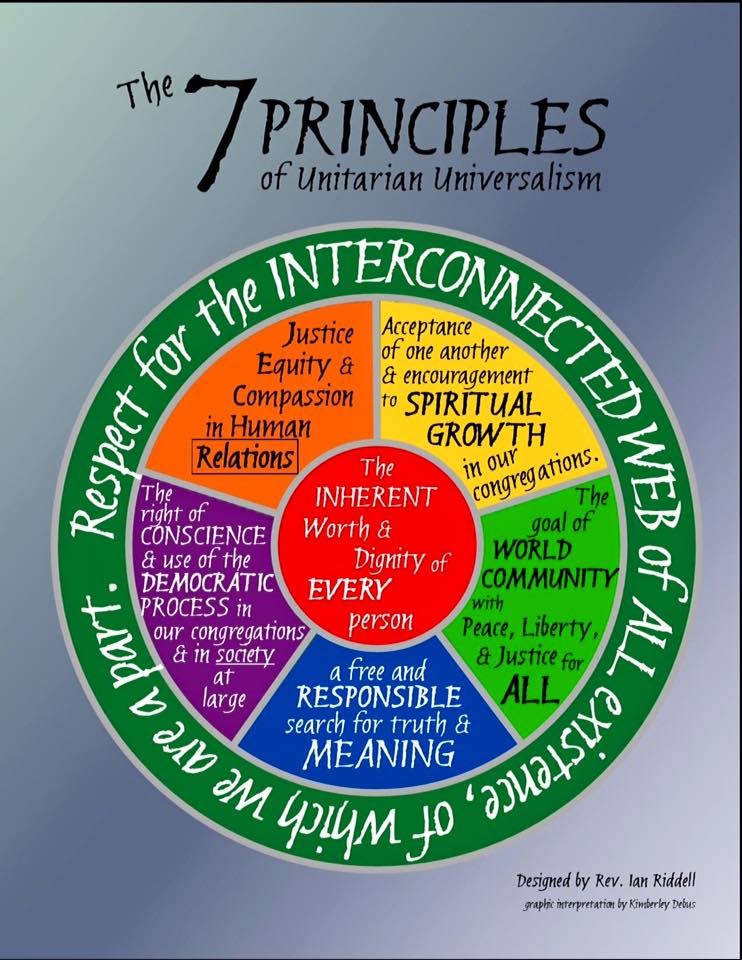
The Philosophy of Universalism in Modern Software and Design
At its core, universalism in technology is the antithesis of the “walled garden.” It is the architectural philosophy that software should not be tethered to a single operating system, and hardware should not be restricted to a proprietary ecosystem. This movement has gained significant momentum as users demand seamless transitions between their mobile devices, desktop environments, and smart home interfaces.
The Principles of Universal Design (UD)
Universal Design is a framework that aims to create products and environments that are usable by all people, to the greatest extent possible, without the need for adaptation or specialized design. In tech, this means moving beyond simple “accessibility features” and making inclusivity the default.
A universalist designer asks: “How can this interface remain intuitive for a blind user, a non-native speaker, and a power user simultaneously?” By adhering to the seven principles of Universal Design—such as equitable use, flexibility in use, and low physical effort—tech companies are creating software that transcends cultural and physical barriers. This shift is visible in the evolution of voice-to-text technologies and gesture-based navigation, which began as niche accessibility tools but have now become universal standards for efficiency.
The Rise of Universal Applications: Write Once, Run Everywhere
One of the most significant technical manifestations of universalism is the “Universal App.” Historically, developers had to write separate codebases for iOS, Android, Windows, and macOS. This created fragmented experiences and delayed updates.
The universalist solution came in the form of frameworks like Flutter, React Native, and Microsoft’s Universal Windows Platform (UWP). These tools allow developers to maintain a single codebase that adapts its UI/UX dynamically based on the device it is running on. This “Universalist” approach to coding reduces technical debt, ensures feature parity across platforms, and allows startups to scale at a fraction of the previous cost.
The Universalist Professional: Why Generalists are Dominating the Tech Landscape
For decades, the tech industry preached the gospel of hyper-specialization. Engineers were encouraged to become the world’s leading expert in a single, narrow niche. However, the rise of AI tools and automated low-code/no-code platforms has inverted this hierarchy. Today, the “Universalist” professional—a high-level generalist with a broad understanding of multiple tech stacks—is becoming the most valuable asset in the workforce.
The End of Hyper-Specialization in the AI Era
Artificial Intelligence has effectively democratized specialized knowledge. An AI can now write complex SQL queries, debug Python code, or generate CSS frameworks in seconds. This shift has diminished the market value of the “pure specialist” whose only skill is syntax or rote execution.
In contrast, the Universalist developer understands the “big picture.” They know how the front-end interacts with the back-end, how the database architecture affects user experience, and how cloud security protocols impact deployment speed. Because they possess a broad horizontal knowledge base, they can use AI to bridge the gaps in their specialized skills, effectively acting as a “one-person tech department.”
Core Skills of the Universalist Tech Leader
The modern tech leader must be a universalist by trade. This requires a unique blend of technical literacy and systems thinking. Key competencies include:
- Full-Stack Awareness: Even if they don’t code daily, they understand the entire lifecycle of a request.
- Data Literacy: The ability to interpret analytics across different platforms to drive product decisions.
- Security-First Mindset: Integrating digital security into every stage of development rather than treating it as a final checklist item.
- Adaptability: The “universalist” is comfortable switching from a legacy system to a cutting-edge AI framework without a steep learning curve.
Universal Systems, Interoperability, and Digital Security

Universalism isn’t just about how software looks or who builds it; it’s about how systems talk to each other. In an increasingly fragmented digital world, the demand for universal standards has never been higher. This is the realm of interoperability—the ability of different systems and organizations to work together (inter-operate).
The Role of Universal APIs and Open Standards
Application Programming Interfaces (APIs) are the glue of the modern internet. A universalist approach to API design focuses on “Open Standards.” Instead of creating proprietary protocols that force users into a specific ecosystem, universalist companies use RESTful APIs, JSON, and OAuth standards.
This interoperability allows for the “Universal Identity”—using a single secure protocol (like “Sign in with Apple” or Google, but ideally decentralized versions like Web3 wallets) to access a multitude of disparate services. By embracing universal standards, tech companies foster an environment where innovation happens through collaboration rather than isolation.
Security Implications of Universal Connectivity
While universalism promotes ease of use, it also introduces unique challenges in digital security. If a system is designed to be “universally accessible,” it also becomes a broader target for cyberattacks. The “Universalist” approach to security is the “Zero Trust” architecture.
Zero Trust operates on the principle of “never trust, always verify.” In a universalized ecosystem where devices from different manufacturers are all connected to the same network, traditional perimeter security is insufficient. Universalist security protocols ensure that every access request, regardless of its origin or the device’s “brand,” is authenticated, authorized, and encrypted. This is the only way to maintain the benefits of a universalized tech stack without sacrificing the integrity of sensitive data.
Future Trends: AI as the Ultimate Universalist Tool
As we look toward the future, the trend of universalism is only accelerating. The catalyst for this acceleration is Generative AI. We are moving away from a world of “apps” and toward a world of “agents” and “universal interfaces.”
Multimodal AI: The Universal Interface
The next phase of universalism is the disappearance of the traditional user interface (UI). Multimodal AI—AI that can process text, images, video, and audio simultaneously—is creating a “Universal Interface.”
In this future, a user doesn’t need to learn how to navigate a complex software menu. They simply communicate their intent through voice, sight, or text, and the AI handles the execution across various platforms. This is the pinnacle of the universalist vision: technology that conforms to the human experience, rather than forcing the human to conform to the machine’s requirements.
Building for a Global Audience: Universal Accessibility
Finally, the “Universalist” trend is pushing tech tools to be globally aware. This includes real-time translation, localized data privacy (adhering to both GDPR and CCPA automatically), and low-bandwidth optimization for developing regions.
Technology is no longer being built just for Silicon Valley; it is being built for the “Next Billion Users.” A universalist tech strategy ensures that an app developed in Tokyo is just as functional and intuitive for a user in Nairobi or New York. This global mindset is what separates the legacy software companies from the tech giants of the next decade.

Conclusion: Embracing the Universalist Mindset
To ask “what is universalist?” in the context of technology is to ask how we can make our digital world more cohesive, inclusive, and resilient. It is a move away from the “siloed” thinking of the past and toward a future where software, hardware, and human intelligence work in a unified, platform-agnostic harmony.
Whether you are a developer learning to use AI to expand your capabilities, a designer focusing on universal accessibility, or a business leader implementing open API standards, the message is clear: the future belongs to the generalists, the connectors, and those who build for everyone. By embracing a universalist approach, we don’t just build better gadgets; we build a more accessible and efficient digital civilization.
aViewFromTheCave is a participant in the Amazon Services LLC Associates Program, an affiliate advertising program designed to provide a means for sites to earn advertising fees by advertising and linking to Amazon.com. Amazon, the Amazon logo, AmazonSupply, and the AmazonSupply logo are trademarks of Amazon.com, Inc. or its affiliates. As an Amazon Associate we earn affiliate commissions from qualifying purchases.