
The concept of a “universal theme” often conjures images of profound, timeless ideas that resonate across cultures and generations. While the term itself might seem broad, in the realm of Brand strategy, understanding and leveraging universal themes is a cornerstone of building lasting connections and a powerful corporate identity. It’s about tapping into fundamental human truths and aspirations that transcend specific demographics, product features, or fleeting trends. This exploration will delve into what constitutes a universal theme within branding, how it’s identified and applied, and the significant advantages it offers to businesses striving for enduring relevance and impact.
The Essence of Universal Themes in Branding
At its core, a universal theme in branding is an underlying concept or idea that speaks to a fundamental aspect of the human experience. These are not superficial messages but rather deep-seated emotions, desires, values, or challenges that are shared by people regardless of their background, location, or time. Think of concepts like:
- Love and Connection: The innate human need to form bonds, experience intimacy, and feel a sense of belonging.
- Growth and Self-Improvement: The drive to learn, evolve, overcome obstacles, and reach one’s potential.
- Security and Stability: The desire for safety, predictability, and a sense of being protected.
- Freedom and Autonomy: The aspiration for independence, self-determination, and the ability to make choices.
- Purpose and Meaning: The search for significance, a reason for being, and contributing to something larger than oneself.
- Joy and Fulfillment: The pursuit of happiness, contentment, and a sense of accomplishment.
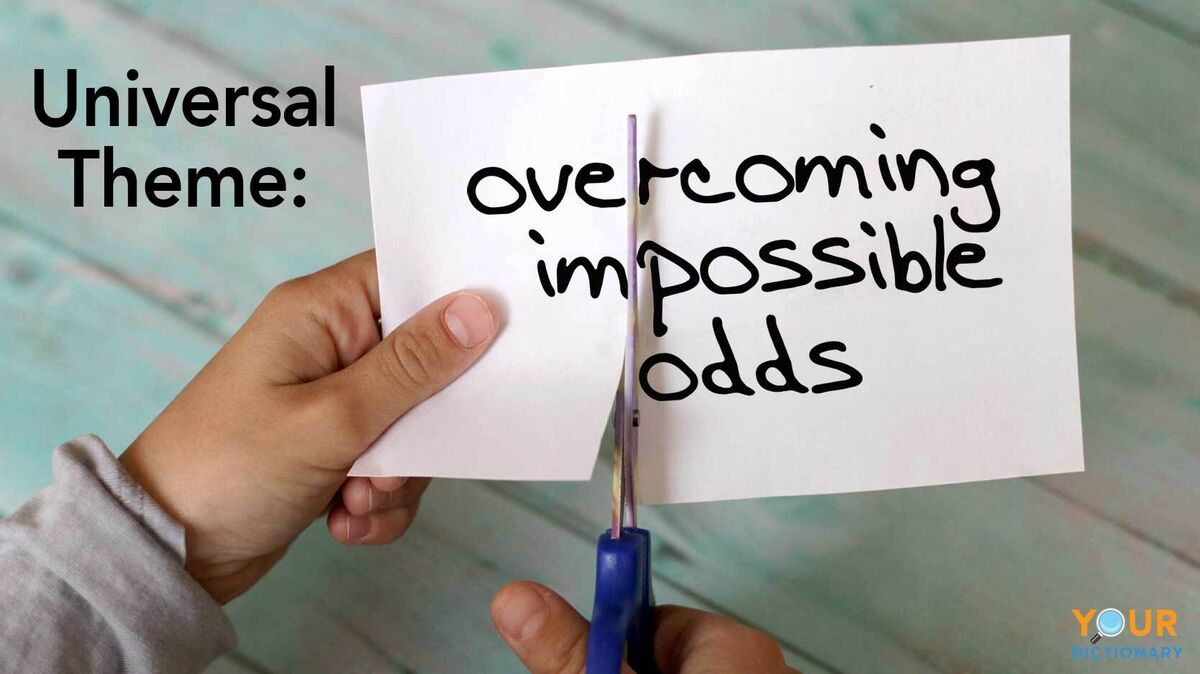
- Overcoming Adversity: The resilience of the human spirit in facing challenges and finding strength in difficult times.
These themes are universal because they are woven into the fabric of human psychology and societal structures. They are the bedrock upon which stories are told, art is created, and indeed, brands are built. A brand that successfully taps into a universal theme connects with its audience on an emotional level, fostering a sense of understanding and empathy that goes beyond a transactional relationship.
Distinguishing Universal Themes from Trends
It’s crucial to differentiate universal themes from fleeting trends. Trends are often superficial, time-bound, and driven by external factors like popular culture, technological advancements, or economic shifts. While brands can certainly capitalize on trends, relying solely on them for your core message is a precarious strategy. Trends fade, but universal themes endure.
For instance, a trend might be the latest social media challenge or a specific aesthetic. A universal theme, however, might be the human desire for connection that underlies why people participate in those challenges or are drawn to certain aesthetics. A brand that focuses on the trend of a specific app might be forgotten when that app loses popularity. A brand that focuses on the universal theme of connection through that app – facilitating friendships, family communication, or community building – will likely have a more sustained and meaningful impact.
The longevity of a brand is often directly correlated with its ability to anchor itself in something that is inherently and consistently important to people. Universal themes provide that enduring foundation.
The Role of Emotion in Universal Themes
Universal themes are intrinsically linked to emotion. They are the sparks that ignite feelings of joy, hope, comfort, ambition, or even a shared sense of struggle. In branding, evoking the right emotions can create powerful associations with a company or product.
Consider the theme of “belonging.” A brand that authentically champions this theme might not explicitly talk about “belonging” in its advertising, but its messaging, imagery, and customer experience might consistently foster a sense of inclusion, community, and shared identity among its customers. This emotional resonance creates a deep connection that advertising alone cannot achieve. It transforms customers into a community, united by a shared experience facilitated by the brand.
Identifying and Harnessing Universal Themes for Brand Strategy
Identifying the right universal theme for your brand is a strategic imperative. It requires introspection, deep audience understanding, and a clear vision for what your brand stands for beyond its products or services.
Uncovering Your Brand’s Authentic Resonance
The process of identifying a universal theme begins with a thorough understanding of your brand’s core purpose, values, and the unique problems it solves. Ask yourself:
- What is the ultimate benefit our brand offers, not just in terms of function, but in terms of human impact?
- What are the deepest aspirations or unmet needs of our target audience that our brand addresses?
- What are the core values that guide our company’s actions and decisions?
- What kind of emotional response do we want our brand to consistently evoke?
By digging into these questions, you can start to uncover the universal themes that naturally align with your brand’s DNA. For example, a financial planning service might initially focus on “security” and “wealth accumulation.” However, if you delve deeper, you might discover that what people truly seek is the “freedom” that financial stability provides – the freedom to pursue dreams, spend time with loved ones, or retire with peace of mind. Shifting the narrative to “freedom through financial empowerment” can be far more compelling.
Authenticity as the Guiding Principle
The key to successful universal theme integration is authenticity. Consumers are increasingly discerning and can detect insincerity. A brand that adopts a universal theme purely for marketing gain, without genuinely embodying it, will ultimately fail.
Authenticity means:
- Living the values: The theme should be reflected in the company culture, employee interactions, and leadership decisions.
- Consistent messaging: The theme must be present across all communication channels, from advertising and social media to customer service and product development.
- Genuine commitment: The brand must demonstrate a true understanding and dedication to the human truth it is addressing.
A brand that genuinely champions “innovation” as a universal theme will not only develop cutting-edge products but will also foster a culture of experimentation, encourage employee creativity, and publicly support advancements in its industry. This holistic approach builds trust and reinforces the brand’s commitment to the theme.
Integrating Themes Across Brand Touchpoints
Once a universal theme is identified and deemed authentic, it needs to be strategically woven into every aspect of the brand experience:
Storytelling and Narrative
The most powerful way to communicate a universal theme is through compelling narratives. These stories should illustrate the theme in action, showcasing how the brand or its products/services help individuals or communities experience it. This could be through customer testimonials, brand films, blog posts, or even the characters in advertising campaigns.
For a brand focused on “adventure,” the narrative might revolve around individuals pushing their boundaries, exploring the unknown, and experiencing the thrill of discovery, often with the brand’s gear or support as a silent enabler.
Visual Identity and Design
The visual elements of a brand – its logo, color palette, typography, and imagery – should subtly or overtly communicate the chosen universal theme. For example, a brand focused on “nurturing” might use soft, warm colors, organic shapes, and imagery of growth and care.
Marketing and Advertising Campaigns
Advertising is an obvious platform for theme integration. Campaigns should be designed to evoke the desired emotions and illustrate the theme. This could involve showcasing relatable human experiences, aspirational scenarios, or highlighting how the product or service facilitates the theme.
A campaign for a car brand that emphasizes “reliability” would likely feature stories of journeys completed, families kept safe, and the peace of mind that comes from dependable transportation, rather than just focusing on horsepower or design.
Product Development and Innovation
The universal theme should ideally inform product development. How can your offerings help customers better experience or achieve this theme? For a brand focused on “simplification,” this might mean designing intuitive interfaces, streamlining processes, or offering bundled solutions.
Customer Experience and Service
The way customers interact with your brand is a critical touchpoint. A supportive and empathetic customer service team, personalized interactions, and a user-friendly purchasing process can all contribute to reinforcing a theme of “care” or “empowerment.”
The Strategic Advantages of Embracing Universal Themes
Brands that effectively leverage universal themes gain a significant competitive edge. These advantages extend beyond mere sales figures to encompass brand equity, customer loyalty, and long-term sustainability.
Building Deeper Customer Loyalty
When a brand connects with a customer on a universal, emotional level, it fosters a bond that is far more resilient than one based solely on product features or price. Customers who feel that a brand understands and supports their fundamental human needs and aspirations are more likely to remain loyal, even in the face of competitive offerings. They become advocates, not just consumers.
For example, a brand that champions “community” and actively facilitates connections among its users will cultivate a loyal following that feels a sense of belonging. This shared identity transcends the transactional nature of purchasing goods or services.
Enhancing Brand Differentiation and Memorability
In crowded marketplaces, universal themes offer a powerful way to stand out. While competitors might offer similar products or services, the emotional resonance and inherent human relevance of a well-executed universal theme can make a brand uniquely memorable and desirable. It shifts the focus from “what it does” to “what it means.”
A brand that focuses on “empowerment” can differentiate itself by showing how its offerings enable individuals to achieve their goals, overcome limitations, and take control of their lives. This is a more profound and lasting message than simply highlighting the features of a product.
Driving Meaningful Brand Positioning
Universal themes provide a strong foundation for brand positioning. They help define what the brand represents in the minds of consumers and guide all strategic decisions. This clarity of purpose resonates with consumers who are increasingly seeking brands that align with their values and offer a sense of meaning.
A brand positioned around the theme of “sustainability” is not just selling eco-friendly products; it is championing a larger cause and appealing to consumers who share that concern for the planet. This clear positioning attracts a like-minded audience and builds a reputation as a responsible and forward-thinking entity.

Fostering Adaptability and Long-Term Relevance
While trends come and go, universal themes are remarkably enduring. Brands that are anchored in these fundamental human truths possess an inherent adaptability. As societal norms and technologies evolve, the expression of a universal theme might change, but the underlying human need or desire remains constant. This allows brands to evolve their messaging and offerings without losing their core identity.
Consider the universal theme of “progress.” A brand that embodies this might have historically promoted technological advancement. In a new era, that same brand can adapt to champion progress in areas like social equity or environmental innovation, still tapping into the core human drive for betterment. This ensures long-term relevance and resilience in a dynamic world.
In conclusion, understanding and strategically applying universal themes is not merely a marketing tactic; it’s a fundamental aspect of building a strong, enduring, and meaningful brand. By tapping into the shared human experience, brands can forge deeper connections, differentiate themselves effectively, and create a lasting impact that resonates across generations. The pursuit of a universal theme is, in essence, the pursuit of timeless relevance and profound human connection.
aViewFromTheCave is a participant in the Amazon Services LLC Associates Program, an affiliate advertising program designed to provide a means for sites to earn advertising fees by advertising and linking to Amazon.com. Amazon, the Amazon logo, AmazonSupply, and the AmazonSupply logo are trademarks of Amazon.com, Inc. or its affiliates. As an Amazon Associate we earn affiliate commissions from qualifying purchases.