
In the vast and ever-evolving landscape of digital applications, connecting directly with the platforms we use daily can often feel like navigating a labyrinth. For a juggernaut like TikTok, a global phenomenon that has redefined social media engagement, the question “what is TikTok email?” isn’t merely a query about a contact address. It’s a fundamental question rooted in the tech sphere, encompassing everything from user support and digital security to data privacy and corporate communication. In an era where apps are integral to our daily lives, understanding the precise, tech-driven channels for interaction with a platform like TikTok is crucial for both individual users and larger entities.
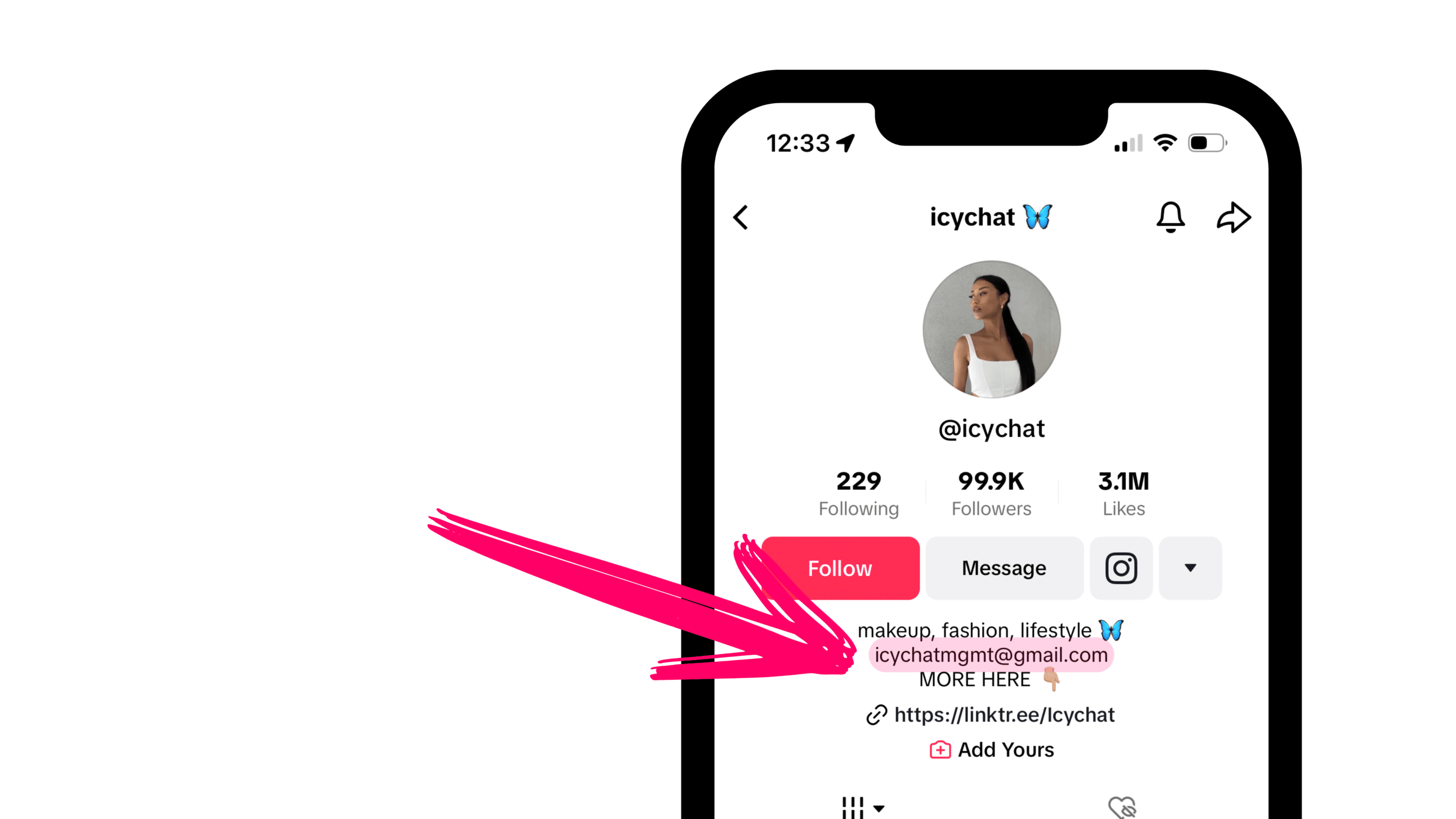
While many might instinctively reach for an email address, the reality for modern tech giants is far more nuanced. Companies like TikTok employ sophisticated, multi-layered communication strategies designed to efficiently handle an astronomical volume of inquiries, ranging from minor technical glitches to critical security vulnerabilities. This article delves into the technological infrastructure and best practices surrounding communication with TikTok, exploring why direct email contact might be elusive, what specialized email addresses exist for specific, high-stakes scenarios, and how the broader tech ecosystem shapes our interaction with such a prominent app.
The Evolving Landscape of Digital Communication with Tech Giants
The days when a single, catch-all “info@company.com” email address sufficed for customer service are largely behind us, particularly for global tech platforms managing hundreds of millions, if not billions, of users. The sheer scale of operations necessitates a shift towards more structured, efficient, and often automated support systems. This evolution is driven by technological advancements and the complex demands of a digital-first world.
The Shift from Traditional Email to Integrated Support Systems
Modern tech companies, including TikTok, invest heavily in developing integrated support systems. These systems often begin with robust, searchable help centers and FAQs (Frequently Asked Questions) designed to empower users to self-serve. Beyond self-help, these platforms typically feature in-app support portals, chatbots powered by artificial intelligence, and ticketing systems that route inquiries to specialized teams. This approach offers several advantages: it reduces the burden on human support staff, provides immediate answers for common issues, and ensures that complex problems are directed to the most appropriate technical experts. For instance, a bug report about a video upload feature would ideally go to a product development team, while an account security concern would be escalated to a cybersecurity division. This sophisticated routing is far more efficient than a single email inbox.
Why Direct Email Addresses Remain Crucial for Specific Queries
Despite the prevalence of integrated support, direct email addresses haven’t disappeared entirely. Instead, their purpose has become more specialized and, in many cases, more critical. For issues that transcend standard user support—such as legal disputes, press inquiries, reporting severe security vulnerabilities, or making data privacy requests under regulations like GDPR or CCPA—a direct, verifiable email channel is indispensable. These are situations that often require formal documentation, secure communication, and direct access to specific departments (e.g., Legal, PR, Security, Data Protection Officers). In such instances, the precision and formality of email provide a necessary, direct line of communication that integrated in-app support systems are not always designed to handle.
Identifying the Right TikTok Communication Channel
Given TikTok’s multi-faceted approach to user and external communication, the key lies in identifying the most appropriate channel for your specific need. Relying solely on a generic “TikTok email” search might lead to outdated, unofficial, or even malicious contact information, posing potential security risks.
In-App Support: Your First Port of Call for User-Specific Issues
For the vast majority of user-related issues—troubleshooting app functionalities, reporting content, account recovery, payment issues, or managing privacy settings—the in-app support feature is the most efficient and secure starting point. Within the TikTok app, navigating to your profile and then to “Settings and privacy” typically reveals options like “Report a problem” or “Help Center.” This direct channel allows TikTok to gather essential account and device information automatically, streamlining the diagnostic process and ensuring your query is linked directly to your user profile. This integrated approach also offers better security against phishing attempts compared to external email communication.
The TikTok Help Center: A Repository of Solutions
The official TikTok Help Center, accessible both within the app and via their website, is an extensive knowledge base designed to answer a broad spectrum of questions. It features articles, tutorials, and FAQs covering everything from basic account management to advanced content creation tips and policy guidelines. Before attempting to reach out directly, exploring the Help Center can often provide immediate answers or guide you to the correct internal process for your query, such as submitting an appeal for a video removal or understanding advertising policies.
Specialized Email Addresses for Unique Needs (Press, Legal, Privacy, Security)
While a general user support email is rare, TikTok, like other major tech companies, maintains distinct email channels for highly specific, non-user-facing concerns. These are typically published on their corporate websites or within their privacy policies and terms of service. Examples include:
- Press/Media Inquiries: For journalists and media outlets seeking official statements or information.
- Legal Inquiries: For law enforcement requests, subpoenas, or intellectual property (IP) infringement claims (e.g., DMCA notices).
- Privacy & Data Protection Officers (DPOs): For formal requests regarding user data, data access, erasure, or specific privacy concerns, especially under regulations like GDPR, CCPA, or other regional data protection laws.
- Security Vulnerability Reporting (Bug Bounty Programs): For cybersecurity researchers or ethical hackers to responsibly disclose security flaws discovered in TikTok’s platform. These are critical for maintaining the app’s digital security posture.
Finding these specialized addresses usually involves navigating to the “About Us,” “Contact Us,” “Legal,” or “Privacy Policy” sections of TikTok’s corporate website. They are typically not prominently displayed within the user-facing app itself.
Leveraging Social Media for Tech Support and General Inquiries
In some cases, TikTok’s official social media accounts (e.g., Twitter, Facebook) might serve as an informal, public-facing channel for general queries or to draw attention to unresolved issues. While not a primary method for detailed technical support or confidential matters, publicly tagging or messaging an official account can sometimes prompt a response or direct you to the correct private channel, especially for trending issues or widespread outages. However, exercising caution is vital, as sharing personal account details on public social media is a security risk.
Diving Deeper into Specific TikTok Email Categories (and How to Find Them)
Understanding the types of email addresses TikTok maintains is more insightful than seeking a single “TikTok email.” Each serves a distinct, tech-related purpose, and knowing where to look for them is key.
General Support & User Feedback: When All Else Fails
For standard user support that can’t be resolved through the Help Center or in-app tools, some tech companies offer a fallback email. However, TikTok heavily emphasizes its in-app “Report a Problem” feature, which includes options for feedback and technical support. If an email is provided, it would be within the context of their official Help Center articles, often as a last resort when automated or in-app solutions are exhausted. The aim here is to centralize and process a high volume of structured requests efficiently.
Privacy & Data Protection Concerns: GDPR and CCPA Requests

For users concerned about their data privacy, especially those in regions covered by stringent regulations like GDPR (Europe) and CCPA (California), specific contact points are legally mandated. TikTok’s privacy policy will typically list an email address for their Data Protection Officer (DPO) or a dedicated privacy team. These emails are critical for submitting formal requests such as:
- Data Access Requests: To obtain a copy of all personal data TikTok holds about you.
- Data Erasure Requests (“Right to be Forgotten”): To request the deletion of your personal data.
- Data Rectification Requests: To correct inaccurate personal data.
These are highly sensitive, legally binding interactions requiring a formal, secure communication channel, which email provides.
Security Vulnerabilities & Bug Reporting: Responsible Disclosure
For cybersecurity professionals and ethical hackers, finding the correct channel to report security vulnerabilities is paramount for responsible disclosure. Many tech companies, including TikTok, operate bug bounty programs or have dedicated security email addresses (e.g., security@tiktok.com, though this is illustrative and not an officially confirmed address). These channels are for reporting technical flaws that could lead to data breaches, unauthorized access, or other security incidents. Using the correct, official channel ensures that the vulnerability is escalated to TikTok’s security engineering teams promptly, allowing them to patch issues before malicious actors exploit them.
Legal & Copyright Infringement: DMCA Notices and More
TikTok, as a platform hosting vast amounts of user-generated content, frequently deals with legal matters, particularly those concerning intellectual property rights. Its legal pages will provide specific email addresses or web forms for submitting Digital Millennium Copyright Act (DMCA) takedown notices or other intellectual property infringement claims. These are formalized legal processes requiring documentation and a direct line to TikTok’s legal department to ensure compliance with international copyright laws and swift action against infringing content.
Business & Partnership Inquiries: Expanding Collaborations
For businesses looking to partner with TikTok, advertise on the platform, or explore enterprise solutions, dedicated business development or marketing email addresses are usually provided on their corporate business sites. These channels are distinct from user support and are designed for formal business proposals, media buying inquiries, or strategic collaboration discussions with TikTok’s business development teams.
Best Practices for Effective Communication with TikTok’s Tech Teams
When you do find the appropriate channel, how you communicate can significantly impact the speed and effectiveness of TikTok’s response. This is particularly true when dealing with technical issues or sensitive security concerns.
Crafting Clear and Concise Messages
Whether you’re using an in-app report form or a specialized email, clarity is king.
- Subject Line (for email): Make it descriptive and to the point (e.g., “Account Security Issue: Unauthorized Login Attempt,” “Bug Report: Video Upload Failure on Android 13”).
- Body: Start with a brief summary of the issue.
- Language: Use clear, simple language, avoiding jargon where possible unless it’s a technical report to a technical team.
Providing Essential Information for Quicker Resolutions
The more relevant information you provide upfront, the faster TikTok’s teams can diagnose and resolve the issue.
- Account Details: Your TikTok username, email associated with the account, and any relevant user IDs.
- Device Information: Type of device (iPhone, Android, PC), operating system version (iOS 17, Android 13), and TikTok app version.
- Steps to Reproduce: For bugs, provide a step-by-step guide on how the issue can be replicated.
- Timestamps: When the issue occurred, or when you noticed it.
- Screenshots/Screen Recordings: Visual evidence is often invaluable for technical troubleshooting. For security issues, logs can also be crucial.
Understanding Response Times and Escalation Paths
Due to the immense volume of inquiries, response times can vary significantly. Be patient. For critical issues, understand if there’s an escalation path (e.g., a specific security vulnerability might have a dedicated triage team with faster response SLAs). Following up politely after a reasonable waiting period is acceptable, but avoid spamming.
Protecting Your Account During the Communication Process
Always prioritize digital security.
- Verify Authenticity: Ensure you are communicating with official TikTok channels. Be wary of phishing emails or websites pretending to be TikTok support. Official emails will come from TikTok domains.
- Do Not Share Passwords: Legitimate support staff will never ask for your password.
- Use Strong, Unique Passwords: Especially for the email account you use to communicate sensitive issues.
- Enable Two-Factor Authentication (2FA): On both your TikTok account and the email account used for communication.
The Broader Implications: Digital Security, Data Privacy, and User Trust
The way a tech company like TikTok manages its communication channels is not merely a logistical challenge; it has profound implications for digital security, data privacy, and ultimately, user trust.
The Role of Accessible Support in Mitigating Online Risks
Clearly defined and accessible communication channels are a critical component of a robust digital security infrastructure. When users can easily and securely report phishing attempts, account compromises, or privacy breaches, TikTok can react swiftly to protect its user base. A convoluted or non-existent contact process can leave users vulnerable and delay critical interventions, potentially leading to widespread security incidents. It acts as an early warning system for the platform’s security teams.
Empowering Users Through Transparent Communication Channels
Transparency in communication empowers users to take control of their digital footprint. Knowing exactly where to direct a data erasure request or a query about privacy settings builds confidence. It shows that the platform respects user rights and is committed to facilitating their ability to manage their personal information, adhering to global privacy regulations which are inherently tech-driven in their implementation.

Building and Maintaining Trust in a Global Digital Ecosystem
In an era of increasing scrutiny over data practices and platform accountability, the clarity and efficiency of a tech company’s communication channels are directly linked to its brand reputation and user trust. A well-organized, responsive, and secure support system reassures users that their concerns are taken seriously, fostering a sense of reliability and integrity. For an app like TikTok, which thrives on community and engagement, maintaining this trust is paramount to its continued success and growth in the global digital ecosystem.
In conclusion, the question “what is TikTok email?” opens a window into the complex, technologically advanced world of modern app support and communication. While a single, universal email address may be a relic of the past, TikTok provides a sophisticated network of specific channels—from in-app support and extensive help centers to specialized email addresses for legal, privacy, and security matters. Understanding these diverse pathways, and adopting best practices for engaging with them, is essential for any user navigating the intricacies of one of the world’s most influential digital platforms, ensuring both effective problem resolution and robust digital security.
aViewFromTheCave is a participant in the Amazon Services LLC Associates Program, an affiliate advertising program designed to provide a means for sites to earn advertising fees by advertising and linking to Amazon.com. Amazon, the Amazon logo, AmazonSupply, and the AmazonSupply logo are trademarks of Amazon.com, Inc. or its affiliates. As an Amazon Associate we earn affiliate commissions from qualifying purchases.