
When most people ask “what is there to do in Anchorage, Alaska,” they are searching for hiking trails or glacier tours. However, from a financial and professional perspective, the answer is far more complex and lucrative. Anchorage serves as the economic engine of the Last Frontier, offering a unique intersection of global logistics, resource management, and a tax environment that is arguably the most favorable in the United States. For the investor, entrepreneur, or career professional, Anchorage is not just a destination for leisure—it is a frontier of untapped fiscal potential.

The Foundations of the Anchorage Economy: Diversifying Beyond Oil
To understand the financial opportunities in Anchorage, one must first understand the pillars that support its GDP. While Alaska is synonymous with oil, Anchorage has strategically diversified its economic base to insulate itself from the volatility of crude prices.
The Global Logistics Powerhouse
Anchorage is home to the Ted Stevens Anchorage International Airport (ANC), which consistently ranks among the top five busiest cargo airports in the world by tonnage. Because of its location—equidistant from Tokyo, Frankfurt, and New York—it serves as the “crossroads of the world” for global air freight. For those looking at “what to do” in terms of investment, the logistics and supply chain sector offers massive opportunities in warehousing, cold storage, and last-mile delivery services.
Healthcare and Regional Services
As the primary service hub for the entire state, Anchorage hosts the most advanced medical facilities in the Arctic. The healthcare sector is a primary employer and a stable driver of the local economy. For those interested in business finance, the demand for specialized medical billing, healthcare technology, and private practice management remains high, regardless of broader national economic downturns.
The Military-Industrial Presence
With Joint Base Elmendorf-Richardson (JBER) located within the city limits, the federal government is a significant contributor to the local economy. This presence creates a constant demand for defense contracting, local service providers, and residential real estate tailored to military families. This creates a predictable “recessions-proof” layer to the city’s financial ecosystem.
Investment Opportunities in the “Gateway to the North”
For the savvy investor, Anchorage offers a landscape that is fundamentally different from the saturated markets of the Lower 48. The “barrier to entry” in many Alaskan sectors is higher due to geography, but the lack of competition often results in higher margins.
Real Estate: Navigating High Barriers and High Returns
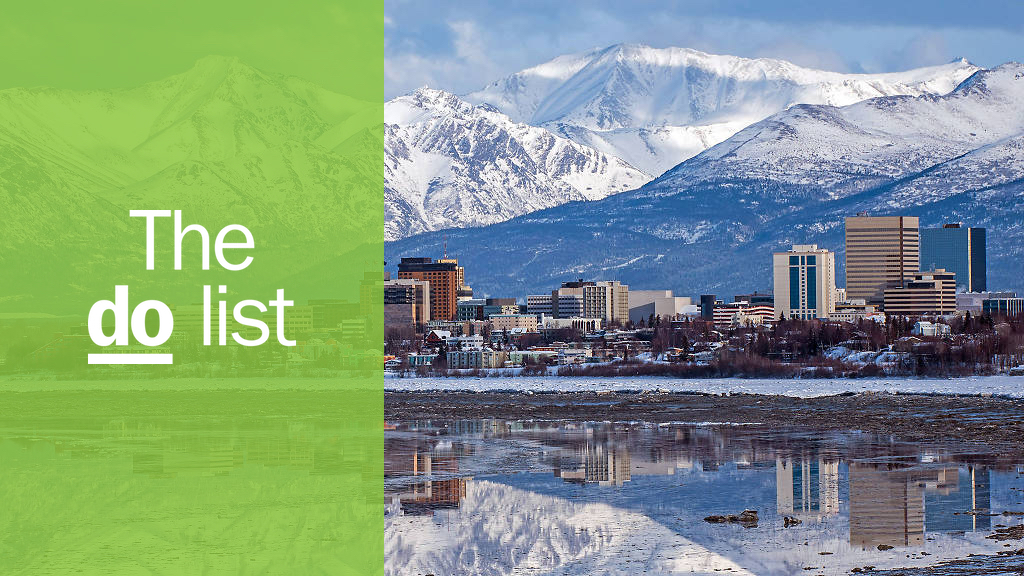
The Anchorage real estate market is defined by limited land availability. Flanked by the Chugach Mountains and the Cook Inlet, the city has a finite amount of developable space. This geographic constraint creates a natural “floor” for property values. What is there to do for the real estate investor? The focus is currently shifting toward high-density urban infill and multi-family units to accommodate a workforce that is increasingly seeking walkable urban environments. Furthermore, the short-term rental market (Airbnb/VRBO) thrives during the summer months, often yielding annual returns in just 90 days of peak tourism.
Tourism Infrastructure and Experiential Capital
While tourism is often viewed through a “travel” lens, it is a high-growth asset class in Anchorage. The city is the primary gateway for over two million visitors annually. There is significant room for “money” to be made in high-end hospitality, boutique adventure agencies, and infrastructure that supports the cruise ship industry. Investing in tourism in Anchorage is an investment in the global demand for “bucket list” experiences, which has shown remarkable resilience in the post-pandemic economy.
Renewable Energy and Arctic Technology
Alaska’s high energy costs are a challenge, but they also represent a financial opportunity. Anchorage is becoming a testing ground for micro-grid technology and renewable energy solutions that can survive extreme climates. Venture capital is increasingly flowing into Alaskan startups that solve “cold-weather” problems—solutions that can eventually be exported to other northern latitudes in Canada, Scandinavia, and beyond.
Navigating the Unique Financial Incentives of Alaska
One of the most compelling reasons to do business or manage money in Anchorage is the state’s radical approach to fiscal policy. For those focused on personal finance and wealth preservation, the “Anchorage advantage” is clear.
The Permanent Fund Dividend (PFD) and Consumer Spending
Alaska is unique in that it distributes a portion of its mineral wealth directly to its residents. Every eligible resident of Anchorage receives an annual PFD check. While the amount fluctuates based on the performance of the Alaska Permanent Fund, this creates a predictable annual infusion of hundreds of millions of dollars into the local retail and investment economy. Savvy business owners time their marketing and sales cycles to coincide with the PFD distribution in October.
A Tax-Advantaged Haven
Alaska has no state income tax and no state sales tax. While the Municipality of Anchorage has its own property taxes, the lack of state-level taxation makes it one of the most attractive places for high-earning professionals and business owners to establish residency. When calculating the “net” return on a career move or a business venture, the tax savings in Anchorage can effectively represent a 5% to 10% “raise” compared to states like California or New York.
Grants and Business Development Incentives
Because the state is eager to diversify its economy, there are numerous grants and low-interest loan programs available through the Alaska Industrial Development and Export Authority (AIDEA) and the Small Business Administration (SBA). These financial tools are designed to offset the higher costs of doing business in the North, providing a safety net for new ventures in manufacturing, technology, and resource development.
Entrepreneurship and the Rise of “Northward” Side Hustles
In a city where the “frontier spirit” is part of the corporate identity, side hustles and small-scale entrepreneurship are not just common—they are often essential components of a diversified income stream.
Specialized Logistics and “Bush” E-commerce
What is there to do for the digital entrepreneur in Anchorage? The city serves as the hub for dozens of rural communities accessible only by air. This creates a niche market for specialized e-commerce platforms and logistics consultants who understand how to navigate the “last mile” of the Arctic. Businesses that can bridge the gap between global supply chains and remote Alaskan villages are highly profitable.
The Digital Nomad in the Arctic
With the expansion of high-speed fiber and satellite internet (such as Starlink), Anchorage has become a viable home base for tech-enabled “digital nomads.” The cost of living is comparable to mid-sized mainland cities, but the “lifestyle ROI” is unparalleled. Professional consultants in fields like digital security, software development, and brand strategy can live in Anchorage while serving a global client base, leveraging the time zone difference to provide “overnight” turnaround for East Coast firms.
Sustainable Resource Management
As the world moves toward a circular economy, Anchorage offers opportunities in specialized recycling and resource recovery. Because it is expensive to ship waste out of the state, there is a growing financial incentive for local businesses that can process glass, plastic, or organic waste into usable local products. This “green” entrepreneurship is supported by both local demand and federal environmental grants.
Long-term Wealth Building in the 49th State
Anchorage is a market for those who play the “long game.” It requires a different approach to risk management and a deep understanding of cyclical economic patterns.
Risk Management in an Extreme Climate
From a financial perspective, operating in Anchorage requires higher insurance premiums and more robust contingency funds. Whether you are managing a commercial fleet or a real estate portfolio, the physical environment introduces variables that aren’t present in the Lower 48. Professional financial planning in Anchorage must account for higher-than-average maintenance costs and the logistical complexities of the “Alaskan tax”—the added cost of shipping everything into the state.
Diversification and Future Outlook
The future of Anchorage’s wealth lies in its role as an Arctic leader. As Arctic shipping lanes open and global interest in northern resources intensifies, Anchorage is positioned to be the “Singapore of the North.” Investors who establish a foothold now in infrastructure, professional services, and logistics are positioning themselves for a generational shift in global trade.
In conclusion, when asking “what is there to do in Anchorage, Alaska,” the answer for the financially minded is: “build.” Whether it is building a diversified investment portfolio, a tech-enabled startup, or a career in a tax-advantaged environment, Anchorage provides a unique frontier for financial growth. It is a city that rewards those who look past the scenery and see the structural economic advantages of the North. For the professional who is willing to navigate the challenges of the Arctic, the financial rewards of the 49th State are as vast as the landscape itself.
aViewFromTheCave is a participant in the Amazon Services LLC Associates Program, an affiliate advertising program designed to provide a means for sites to earn advertising fees by advertising and linking to Amazon.com. Amazon, the Amazon logo, AmazonSupply, and the AmazonSupply logo are trademarks of Amazon.com, Inc. or its affiliates. As an Amazon Associate we earn affiliate commissions from qualifying purchases.