
When the topic of mold arises, immediate concerns often gravitate towards health risks and structural damage. While these are undoubtedly critical considerations, there’s an equally insidious dimension that often goes unaddressed until it’s too late: the profound financial impact. For homeowners, real estate investors, and business owners, certain types of mold represent not just an aesthetic blight or a health hazard, but a significant financial liability that can erode wealth, devalue assets, and incur astronomical remediation costs. Understanding “the worst type of mold” through a financial lens is crucial for protecting your investments and managing your financial future.
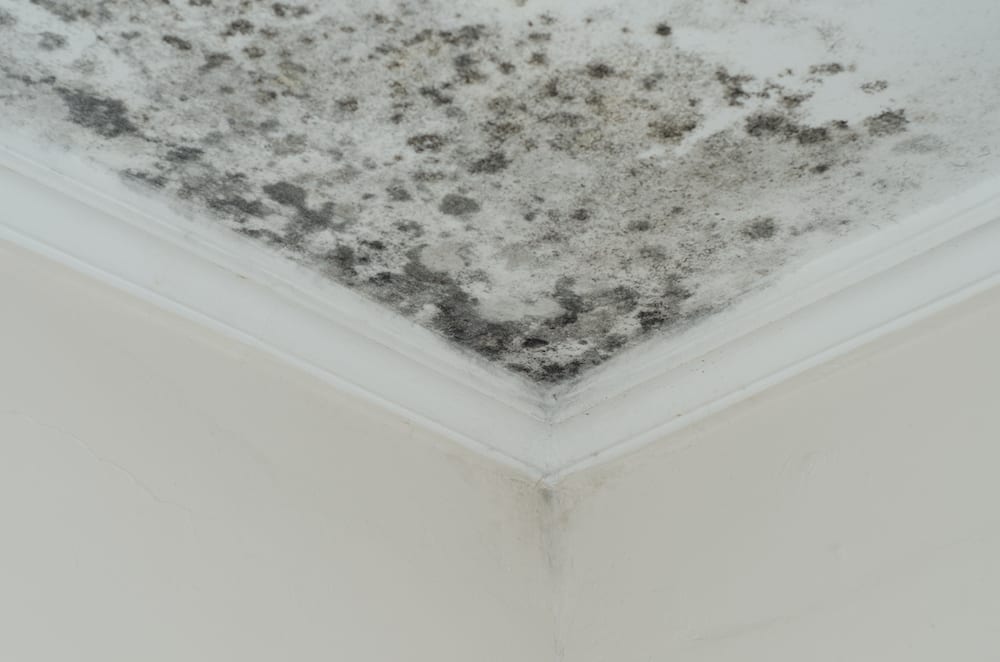
Beyond the Spores: The Financial Burden of Mold Infestation
Mold, in its most innocuous forms, is a natural part of our ecosystem. However, when it takes root indoors, particularly in hidden areas, it transforms into a silent economic threat. The financial burden associated with mold infestation extends far beyond the immediate clean-up, permeating various aspects of personal and business finance. It’s not just about the cost of hiring a remediation specialist; it’s about a cascading series of expenses, lost opportunities, and diminished asset value.
Understanding the Direct and Indirect Costs
The financial implications of mold can be categorized into direct and indirect costs, both of which can significantly impact an individual’s or entity’s bottom line.
- Direct Costs: These are the most obvious expenses incurred due to mold. They include professional mold inspection and testing fees, which can range from hundreds to thousands of dollars depending on the scope. Remediation services, involving specialized equipment and labor, are often the largest direct cost, potentially escalating to tens of thousands of dollars for severe infestations or those requiring extensive demolition and rebuilding. Additionally, the cost of temporary relocation during remediation, replacement of damaged belongings (furniture, clothing, electronics), and increased utility bills from running dehumidifiers all contribute to the direct financial drain.
- Indirect Costs: These are often overlooked but can be just as, if not more, damaging. For homeowners, mold can drastically reduce property value, making it difficult to sell or secure refinancing. For landlords and real estate investors, it can lead to vacant units, lost rental income, and even legal battles with tenants over uninhabitable conditions. Businesses facing mold issues might experience operational disruptions, inventory damage, loss of revenue, and severe reputational harm that takes years to repair. Moreover, the stress and time spent managing a mold problem can detract from income-generating activities or professional responsibilities, representing a form of opportunity cost.
The financial narrative of mold is complex, revealing that what initially appears as a minor biological nuisance can quickly evolve into a major fiscal catastrophe if left unchecked or improperly managed.
Identifying High-Risk Molds: The Costliest Culprits
While all types of mold require attention, certain species are notorious for their aggressive growth patterns, destructive capabilities, and the difficulty—and thus expense—involved in their eradication. From a purely financial standpoint, these are the “worst” types of mold because they present the highest risk of significant financial outlay and asset depreciation.
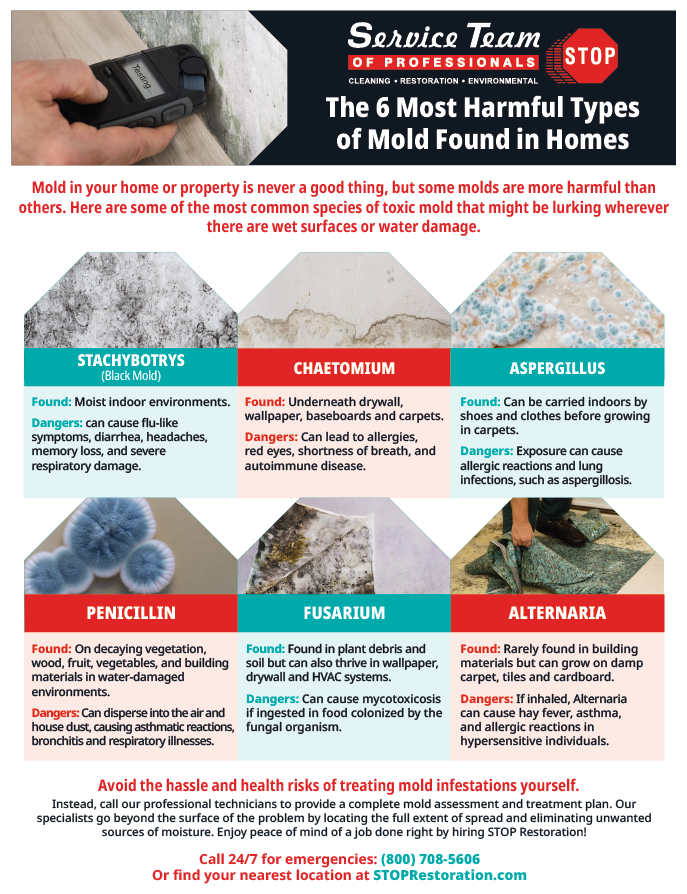
Stachybotrys Chartarum (Black Mold)
Often dubbed “black mold,” Stachybotrys chartarum is perhaps the most infamous financially devastating mold. While not all black molds are Stachybotrys, this particular species is notorious for thriving in continuously damp, cellulose-rich materials like drywall, wood, and insulation. Its presence usually indicates a long-standing and significant water issue, such as a burst pipe, chronic leaks, or severe flooding.
- Financial Impact: Remediation of Stachybotrys is typically among the most expensive due to its deep penetration into building materials. It often necessitates extensive demolition of affected structures (walls, flooring, ceilings), specialized containment procedures to prevent spore spread, and thorough professional cleaning. The structural damage it can cause also adds to reconstruction costs, making it a leading cause of extensive insurance claims and property value depreciation. The perception of “toxic black mold” also makes properties infested with Stachybotrys particularly challenging to sell, even after remediation, often requiring full disclosure and potentially lowering market price.
Aspergillus and Penicillium Species
Aspergillus and Penicillium are common molds found both indoors and outdoors. While some species are used in food production and medicine, many others are highly problematic when they colonize indoor environments. They are particularly prevalent after water damage events and can grow on a wide variety of surfaces.
- Financial Impact: These molds spread rapidly and can infest large areas quickly if moisture issues persist. While their remediation might not always be as structurally invasive as Stachybotrys, their widespread nature often leads to significant costs. They can penetrate porous materials, requiring removal and replacement of contaminated items. For businesses, contamination of inventory, particularly food products or pharmaceuticals, can lead to massive losses, recalls, and regulatory fines. In residential settings, extensive growth of Aspergillus or Penicillium can still necessitate broad-spectrum professional remediation, which carries a hefty price tag.
Chaetomium Species
Chaetomium is another type of mold that thrives in prolonged water-damaged environments, often found in conjunction with Stachybotrys. It commonly grows on cellulose-rich materials like gypsum board, wood, and baseboards, often indicating a hidden and persistent moisture problem.
- Financial Impact: Similar to Stachybotrys, Chaetomium often signifies a severe and long-term water intrusion, leading to significant structural damage. Its remediation typically involves extensive removal of affected building materials and rigorous drying protocols, all of which contribute to high costs. Its presence can also complicate insurance claims, as insurers may differentiate between sudden accidental water damage (covered) and long-term neglect (often not covered), which is frequently indicated by Chaetomium growth.
The common thread among these “costliest culprits” is their affinity for severe and prolonged moisture, leading to extensive structural damage and requiring comprehensive, expensive remediation efforts.
The Ripple Effect: How Mold Impacts Property Value and Investments
The presence of mold, especially the high-risk types, creates a far-reaching ripple effect across various financial domains. From residential property values to commercial real estate investments, and even the nuances of personal finance, mold acts as a destructive force that undermines asset stability and generates unforeseen liabilities.
Devaluing Real Estate Assets
For property owners, mold is a tangible threat to their largest asset. A disclosed mold problem, even if remediated, can lead to a significant drop in property value. Buyers are often wary of properties with a history of mold, fearing lingering issues or future recurrences. This apprehension translates into lower offers, longer selling times, or in extreme cases, an inability to sell the property at all without substantial price reductions.
- Homeowners: A home is often a family’s primary financial asset. Mold can wipe out equity, turning a valuable asset into a financial burden. The costs of remediation, coupled with a diminished market value, can negate years of mortgage payments and home improvements.
- Real Estate Investors: For those investing in properties for rental income or flipping, mold poses an immediate and substantial threat to ROI. Remediation costs cut directly into profits, while tenant dissatisfaction can lead to vacancies and legal disputes. A history of mold can also make it difficult to secure financing or insurance for future investment properties.
Impact on Insurance and Financing
The relationship between mold and insurance is complex and often contentious. While some insurance policies cover mold damage if it stems from a sudden and accidental event (e.g., a burst pipe), many policies exclude coverage for mold resulting from long-term neglect or maintenance issues. This distinction often places the full financial burden of extensive mold remediation squarely on the property owner.
- Increased Premiums and Denied Claims: A history of mold claims can lead to higher insurance premiums or even policy cancellations. If a claim is denied, the property owner is left to cover all costs out-of-pocket, which can be financially ruinous.
- Mortgage and Loan Implications: Lenders may be hesitant to finance properties with known mold issues due to the inherent risks. If mold is discovered during an appraisal or inspection, it can jeopardize a loan approval, forcing buyers to walk away or current owners to face a difficult financial situation.
Business Interruption and Litigation Risks
For businesses, particularly those operating in commercial spaces, mold can trigger a cascade of financial disasters. Operational downtime for remediation means lost revenue and potential client loss. Damage to inventory or equipment can be substantial. Beyond direct costs, businesses face the risk of costly litigation from employees or customers alleging health issues or property damage due to mold exposure. The damage to a brand’s reputation, especially for businesses in hospitality or healthcare, can be immeasurable and have long-term financial consequences.
Navigating the Remediation Minefield: Costs, Insurance, and Legalities
Confronting a mold problem requires more than just knowing “what is the worst type of mold.” It necessitates a strategic understanding of the financial landscape surrounding remediation, insurance coverage, and potential legal ramifications. Navigating this minefield effectively can significantly mitigate financial losses.
Budgeting for Remediation and Reconstruction
Professional mold remediation is not cheap, and costs vary widely based on the extent of the infestation, the type of mold, and the accessibility of the affected areas. Small, localized issues might cost a few hundred to a couple of thousand dollars. However, widespread infestations, particularly those involving high-risk molds that have penetrated structural components, can easily exceed $10,000 to $30,000, with some extreme cases reaching six figures.
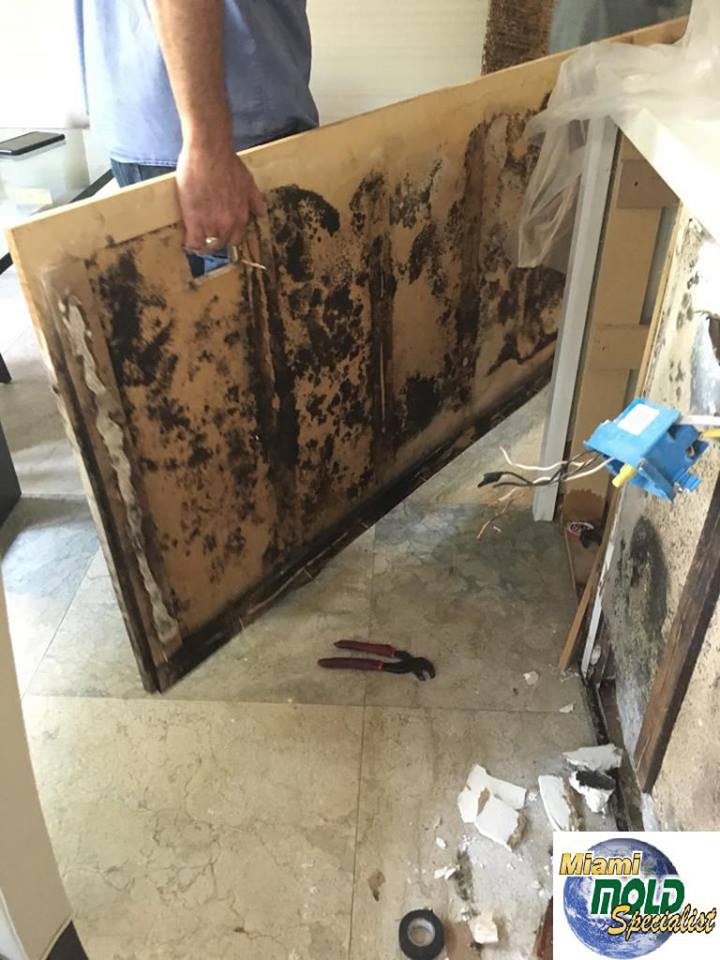
- Beyond Remediation: It’s crucial to budget not only for the mold removal itself but also for the subsequent reconstruction. Removing mold often involves tearing out drywall, flooring, insulation, and sometimes even structural wood. These materials then need to be replaced and refinished, adding substantially to the overall expense.
- Hidden Costs: Don’t forget potential costs like temporary housing, storage for unaffected belongings, and increased utility bills from drying equipment. A comprehensive financial plan needs to account for all these variables.
Understanding Your Insurance Policy
The fine print of your property insurance policy is paramount when mold is discovered. Most standard homeowner’s policies have specific clauses regarding mold, often with limited coverage or exclusions.
- “Sudden and Accidental” vs. Neglect: Insurance typically covers mold damage that results from a “sudden and accidental” event, such as a burst pipe, severe storm damage, or vandalism. However, mold stemming from long-term neglect, poor maintenance, or continuous leaks that should have been addressed is usually not covered. This distinction is often the source of disputes between policyholders and insurers.
- Mold Riders and Limits: Some policies offer optional mold riders that provide additional coverage, often up to a certain financial limit. It’s vital to review your policy annually and consider adding such a rider if your property is prone to moisture issues.
- Documentation is Key: In case of a claim, meticulous documentation (photos, inspection reports, remediation quotes, receipts) is essential for a successful outcome.
Legal Implications and Disclosure Requirements
Mold can quickly escalate into legal disputes, especially in real estate transactions or landlord-tenant relationships.
- Seller Disclosure: Most jurisdictions require sellers to disclose known mold issues when selling a property. Failure to disclose can lead to costly lawsuits for misrepresentation, even if the mold has been remediated. This legal obligation further underscores the financial importance of addressing mold thoroughly.
- Landlord-Tenant Law: Landlords have a legal obligation to provide habitable living conditions. Mold infestations can render a property uninhabitable, leading to tenants breaking leases, withholding rent, or suing for damages, lost belongings, and health impacts. Such legal battles can be protracted and incredibly expensive.
- Expert Testimony: In complex legal cases involving mold, expert witnesses (mold assessors, industrial hygienists, medical professionals) may be required, adding significant legal costs.
A proactive and well-informed approach to managing the financial, insurance, and legal aspects of mold is essential to minimize its devastating economic fallout.
Proactive Measures: Investing in Prevention and Mitigation
The most financially prudent strategy for dealing with mold is prevention. Investing in proactive measures and immediate mitigation efforts can save property owners tens of thousands of dollars in remediation, repairs, and potential devaluation. From a financial management perspective, prevention is not an expense but a critical investment in asset protection.
Prioritizing Moisture Control
Mold cannot thrive without moisture. Therefore, controlling indoor humidity and promptly addressing any water intrusion are the cornerstones of mold prevention. This represents a foundational financial investment in maintaining property integrity.
- Regular Inspections and Maintenance: Routinely inspect roofs, basements, attics, plumbing, and appliance hoses for leaks. Repair drips, cracks, and condensation issues immediately. The small cost of a plumber or a DIY repair pales in comparison to full-scale mold remediation.
- Adequate Ventilation: Ensure bathrooms, kitchens, and laundry areas have proper ventilation to exhaust moisture outdoors. Running exhaust fans during and after showers or cooking significantly reduces humidity levels.
- Dehumidifiers: In damp basements or humid climates, investing in a good quality dehumidifier can maintain indoor humidity levels below 60%, ideally between 30-50%, making it difficult for mold to grow. This small utility cost is a wise investment against future mold problems.
- Proper Grading and Drainage: Ensure landscaping slopes away from the foundation to prevent water from pooling around the house. Clean gutters and downspouts regularly to direct rainwater away from the building. These exterior measures are crucial for protecting interior spaces from water damage.
The Value of Professional Assessment and Early Detection
While DIY solutions can manage small surface mold, professional assessment is invaluable for larger or recurring issues. Investing in an expert opinion can save significant money in the long run.
- Professional Inspections: If you suspect a hidden water leak or have experienced a significant water event, a professional mold inspection can identify problems before they become widespread and costly. These experts can pinpoint moisture sources and hidden mold colonies using specialized equipment.
- Immediate Action: If water damage occurs, act swiftly. Dry out affected areas within 24-48 hours to prevent mold growth. This immediate financial outlay for professional drying services or extensive dehumidifier rentals can prevent exponentially higher remediation costs later.
- Smart Home Technology: Consider investing in smart home technology that monitors water leaks (e.g., smart water sensors) or humidity levels. These devices can provide early warnings, allowing for prompt intervention and preventing extensive damage. This technological investment can pay dividends by averting major financial setbacks.
Creating an Emergency Fund for Property Maintenance
Finally, from a personal finance perspective, maintaining an emergency fund specifically for home or property repairs is a wise strategy. This fund can provide the necessary capital for immediate interventions, whether it’s fixing a sudden leak or addressing a nascent mold issue, without dipping into long-term investments or incurring high-interest debt.
By strategically investing in prevention, maintaining vigilance, and understanding the financial tools available, property owners can effectively insulate themselves from the significant monetary fallout that “the worst type of mold” can otherwise unleash. While the health and structural concerns are real, approaching mold from a proactive financial management stance is arguably the most impactful way to mitigate its overall impact.