
The United Nations Human Rights Council (UNHRC) stands as a pivotal institution on the global stage, representing humanity’s collective aspiration for dignity, equality, and justice. More than just a bureaucratic body, the UNHRC functions as a vital global entity with a distinct institutional identity, a powerful mission, and a public image that is constantly shaped by its actions, achievements, and challenges. To truly grasp “what is the UNHRC” requires delving into its foundational “brand,” exploring its core purpose, its operational framework, and its enduring efforts to advocate for human rights worldwide.
At its essence, the UNHRC is the principal intergovernmental body within the United Nations system responsible for strengthening the promotion and protection of human rights globally. Established in 2006 as a successor to the UN Commission on Human Rights, it brought with it a renewed mandate and a commitment to address past criticisms and enhance effectiveness. Its creation underscored a global recognition that human rights are not merely an abstract ideal but a fundamental bedrock of international peace and security, requiring a dedicated and robust institutional brand to champion them.

Defining the UNHRC’s Core Brand Identity
Every influential organization, whether commercial or political, possesses a core identity that defines its existence and guides its operations. For the UNHRC, this identity is rooted deeply in its mandate, structure, and foundational principles, collectively forming its institutional brand promise to the world.
Mission and Mandate: The Brand Promise
The UNHRC’s most critical brand asset is its overarching mission: “responsible for strengthening the promotion and protection of human rights around the globe and for addressing situations of human rights violations and making recommendations on them.” This succinct statement serves as the organization’s central brand promise, articulating its commitment to upholding universal human rights for all individuals, without distinction.
This promise is further elaborated through a detailed mandate that includes:
- Promoting universal respect for the protection of all human rights and fundamental freedoms: This speaks to its role in advocating for the inherent dignity of every person and ensuring that international human rights law is recognized and applied universally.
- Addressing situations of violations of human rights: The Council is tasked with identifying, investigating, and responding to human rights abuses wherever they occur, acting as a global watchdog.
- Contributing through dialogue and cooperation: It emphasizes engagement with states, civil society, and other stakeholders, fostering a collaborative approach to human rights issues rather than purely punitive measures. This cooperative spirit is a key differentiator in its institutional branding, aiming for sustainable change.
- Developing international human rights law: Through its work, the UNHRC plays a role in shaping and refining the international legal framework that underpins human rights.
These elements collectively define the UNHRC’s brand proposition: a dedicated, authoritative, and collaborative global body committed to ensuring human rights are respected and protected everywhere.
Structure and Governance: The Organizational Architecture
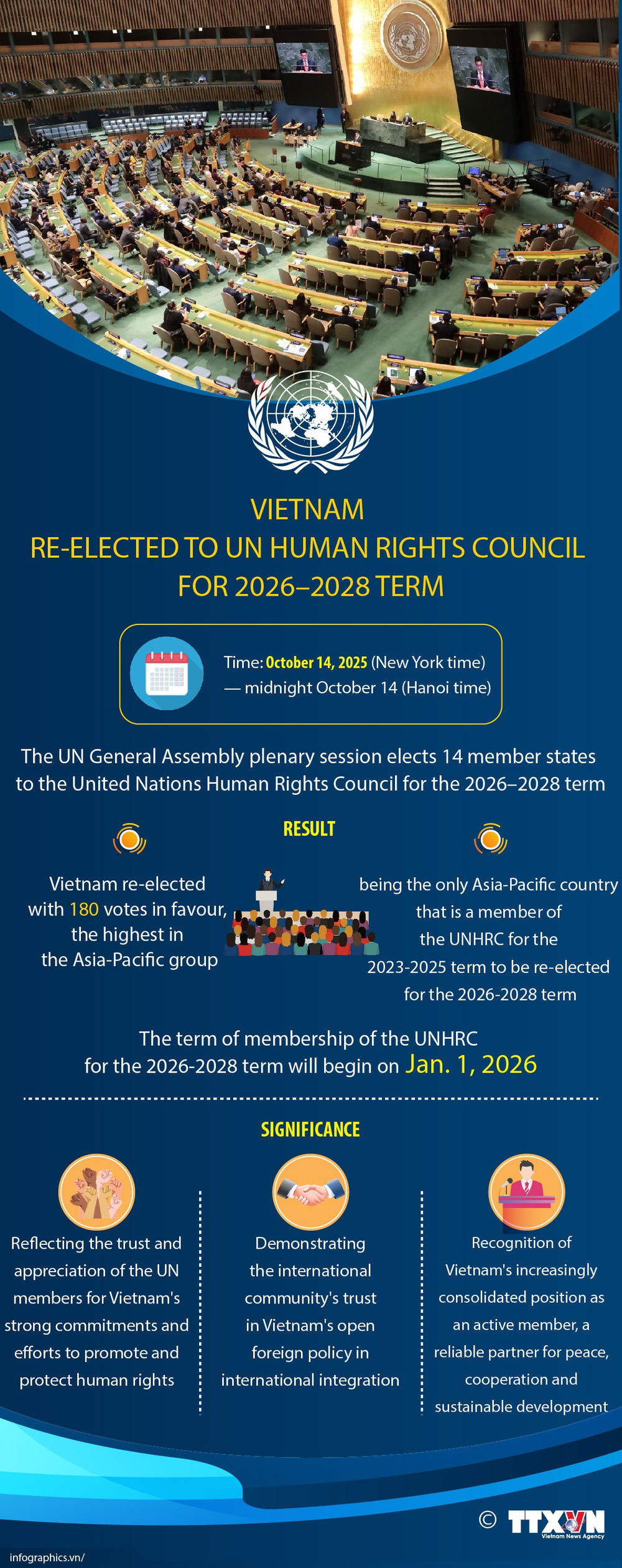
The credibility and effectiveness of any brand are heavily reliant on its internal structure and governance. For the UNHRC, its architectural design is crucial for delivering on its brand promise. It comprises 47 Member States, elected by the UN General Assembly for staggered three-year terms, ensuring diverse geographical representation. This rotational membership is intended to foster broader ownership and accountability across the international community.
Key structural elements include:
- Regular Sessions: The Council meets at least three times a year, totaling a minimum of ten weeks, to deliberate on pressing human rights issues, review country situations, and adopt resolutions. These sessions are highly visible platforms, akin to a brand’s major product launches or annual reports, where its work is showcased and scrutinized.
- Special Sessions: These can be convened to address urgent human rights crises, demonstrating the Council’s ability to respond dynamically and decisively when its brand promise is most tested.
- Subsidiary Bodies and Mechanisms: These include expert committees, working groups, and Special Procedures (independent human rights experts like Special Rapporteurs and Independent Experts). These mechanisms are the operational arms of the UNHRC’s brand, carrying out investigative, monitoring, and advisory functions on thematic issues (e.g., freedom of expression, torture) or country-specific situations. They embody the brand’s commitment to in-depth analysis and expert-driven advocacy.
This intricate structure underscores the UNHRC’s commitment to a systematic, multilateral approach to human rights, providing the operational backbone necessary to support its global brand identity.
Shaping Public Perception and Global Influence: The UNHRC’s Brand Image
Beyond its internal identity, an organization’s brand is also defined by how it is perceived by its stakeholders and the wider public. The UNHRC actively shapes its global image through various mechanisms, aiming to build trust, authority, and influence.
Monitoring and Reporting: Upholding Brand Standards
A critical component of the UNHRC’s brand strategy is its rigorous monitoring and reporting functions. These mechanisms are designed to uphold international human rights standards and demonstrate the Council’s commitment to accountability.
- Universal Periodic Review (UPR): This unique process reviews the human rights records of all 193 UN Member States every four to five years. The UPR is a powerful tool for peer review, where states openly discuss their human rights achievements and challenges, receive recommendations, and commit to improving their records. This process is a testament to the UNHRC’s brand standard of universal scrutiny and mutual accountability, enhancing its legitimacy by applying the same review process to all nations, including its own members.
- Special Procedures: As mentioned, these independent experts investigate, monitor, and report on specific human rights issues or country situations. Their findings and recommendations often form the basis for international pressure and policy changes. These experts serve as the “voice” of the UNHRC’s brand on specific issues, providing authoritative, impartial analysis that underpins its advocacy efforts.
- Complaint Procedure: This mechanism allows individuals and groups to bring consistent patterns of gross and reliably attested violations of all human rights and all fundamental freedoms to the Council’s attention, even when local remedies have been exhausted. This provides a direct channel for victims and advocates, reinforcing the UNHRC’s brand as a last resort for justice.
Through these systematic processes, the UNHRC consistently demonstrates its dedication to identifying and addressing human rights violations, thereby reinforcing its brand image as a vigilant and impartial guardian of human rights.
Advocacy and Engagement: Brand Storytelling and Outreach
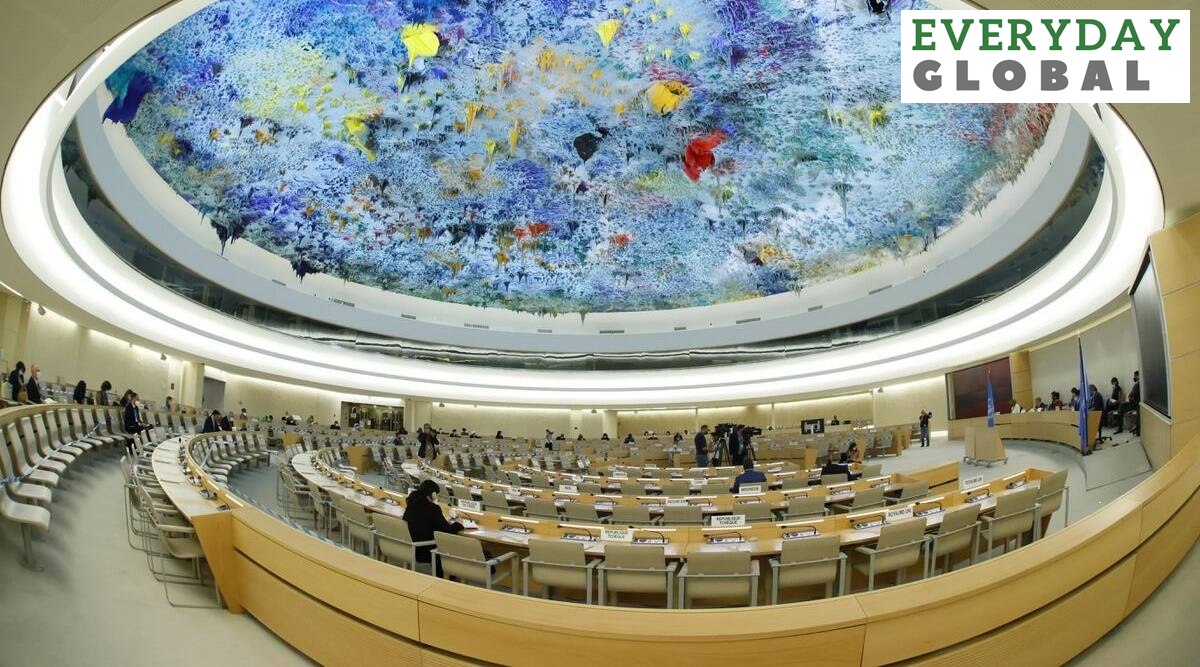
Effective branding involves compelling storytelling and strategic outreach. The UNHRC engages in extensive advocacy and engagement to communicate its mission, highlight human rights issues, and mobilize action.
- Dialogue with States and Civil Society: The Council serves as a crucial platform for dialogue between states, civil society organizations, national human rights institutions, and other stakeholders. This continuous engagement builds consensus, shares best practices, and fosters a collaborative environment for human rights protection. It’s a way for the UNHRC to build its network and amplify its message through diverse voices.
- Public Awareness Campaigns: The UNHRC, often in collaboration with the wider UN system, participates in and spearheads campaigns to raise public awareness about human rights issues, international days, and specific violations. These campaigns are vital for educating the global populace and garnering support, effectively serving as its public relations and marketing initiatives.
- Media Engagement: Through press releases, briefings, and publications, the UNHRC actively communicates its findings, concerns, and recommendations to global media. This strategic communication is essential for shaping public opinion, influencing policy, and ensuring accountability, projecting its brand message to a wider audience.
By actively engaging with diverse stakeholders and leveraging various communication channels, the UNHRC effectively tells its brand story, emphasizing the urgency and universality of human rights, and galvanizing action across the globe.
Navigating Challenges and Building Brand Equity
Even the most revered institutions face criticism and challenges that can impact their brand equity. The UNHRC, operating in a complex geopolitical landscape, is no exception. How it addresses these issues is crucial for maintaining its long-term credibility and influence.
Criticisms and Controversies: Threats to Brand Reputation
The UNHRC has, throughout its existence, faced significant criticisms that threaten its brand reputation and perceived impartiality. These include:
- Political Polarization: Decisions and resolutions within the Council are often influenced by geopolitical alliances and national interests, leading to accusations of selective targeting or protection of certain states. This politicization can undermine the UNHRC’s brand image of impartiality and universality.
- Membership Issues: The election of states with questionable human rights records to the Council has frequently sparked controversy, raising concerns about the body’s integrity and its ability to hold all states equally accountable. Such members can detract from the UNHRC’s brand authority.
- Effectiveness and Impact: Skeptics sometimes question the tangible impact of the Council’s resolutions and recommendations, particularly when states defy its calls for action. This challenges the “return on investment” of its brand efforts, demanding demonstrable results.
These criticisms highlight the continuous effort required for the UNHRC to manage its brand reputation, emphasizing transparency, consistency, and a steadfast commitment to its core principles despite external pressures.
Adaptability and Resilience: Evolving the Brand Narrative
To maintain relevance and build enduring brand equity, the UNHRC must demonstrate adaptability and resilience. It continuously seeks to refine its methods and engage with emerging human rights challenges.
- Addressing New Challenges: From climate change’s impact on human rights to digital rights in an increasingly connected world, the UNHRC has shown a willingness to adapt its focus and develop new frameworks to address contemporary issues. This demonstrates its brand’s agility and foresight.
- Strengthening Working Methods: The Council frequently reviews and seeks to improve its internal working methods, aiming to enhance efficiency, reduce politicization, and increase the impact of its work. This self-assessment is key to maintaining a strong, credible brand.
- Collaboration and Partnerships: Recognizing that no single entity can tackle global human rights challenges alone, the UNHRC actively fosters partnerships with regional organizations, civil society, and other UN agencies. This collaborative approach enhances its reach and strengthens its brand’s collective impact.
By continually evolving its approach and demonstrating a commitment to self-improvement, the UNHRC endeavors to strengthen its brand narrative and ensure its continued relevance in a dynamic global environment.
The UNHRC’s Enduring Legacy: A Global Brand of Human Dignity
Ultimately, the UNHRC’s legacy will be defined by its impact and its ability to serve as a beacon for human dignity. Its ongoing existence reinforces the idea that human rights are a universal language and a shared responsibility.
Measuring Impact: Brand Performance and Value
Assessing the UNHRC’s brand performance involves looking at its contributions to international human rights law, its role in preventing atrocities, and its influence on state behavior. While challenging to quantify precisely, its impact is evident in:
- Development of Norms: The Council plays a crucial role in developing and clarifying international human rights standards through resolutions and the work of its expert mechanisms, contributing to the evolving legal framework.
- Early Warning and Prevention: Its monitoring and reporting mechanisms often serve as early warning systems, drawing international attention to potential crises and sometimes leading to preventive diplomatic action.
- Advocacy and Accountability: By consistently shining a spotlight on violations, the UNHRC provides a platform for victims, mobilizes public opinion, and exerts pressure on states to uphold their obligations, fostering a culture of accountability, even if imperfect.
- Institutional Memory: It serves as a repository of knowledge and an institutional voice for human rights issues, ensuring that past lessons are learned and future challenges are addressed with a historical perspective.
These contributions underscore the tangible value of the UNHRC’s brand in fostering a more just and equitable world.
Future of the UNHRC Brand: Sustaining Relevance in a Changing World
The future of the UNHRC brand hinges on its ability to sustain its relevance and effectiveness amidst escalating global challenges—from resurgent nationalism and authoritarianism to complex humanitarian crises and the rapid pace of technological change. To remain a potent force, the Council must continue to:
- Reinforce Impartiality: Double down on efforts to overcome politicization and ensure its actions are perceived as consistently guided by human rights principles alone.
- Enhance Accessibility and Inclusivity: Continue to ensure that the voices of victims, marginalized communities, and civil society are central to its deliberations.
- Strengthen Implementation: Focus not just on resolutions, but on supporting states in implementing recommendations and demonstrating real-world improvements.
- Proactively Address Emerging Threats: Remain agile in identifying and responding to new forms of human rights challenges, ensuring its brand remains forward-looking and adaptive.
Conclusion
“What is the UNHRC?” is a question that reveals an institution striving to define, communicate, and uphold its powerful brand as the world’s leading intergovernmental forum for human rights. It is an organization whose identity is built on a universal promise, supported by a structured architecture, projected through consistent monitoring and advocacy, and continuously refined through resilience in the face of scrutiny. While navigating the complex tides of international politics, the UNHRC remains a critical global brand—a constant reminder of the shared human commitment to dignity, justice, and the fundamental freedoms that underpin all truly prosperous and peaceful societies. Its ongoing journey is a testament to the enduring power of a mission-driven institution dedicated to a cause greater than any single nation.
aViewFromTheCave is a participant in the Amazon Services LLC Associates Program, an affiliate advertising program designed to provide a means for sites to earn advertising fees by advertising and linking to Amazon.com. Amazon, the Amazon logo, AmazonSupply, and the AmazonSupply logo are trademarks of Amazon.com, Inc. or its affiliates. As an Amazon Associate we earn affiliate commissions from qualifying purchases.