
Understanding the economic landscape of the United States often involves delving into the intricacies of income distribution. When we talk about “the top 10% income,” we’re not just discussing a static figure; we’re exploring a dynamic threshold that reflects economic growth, inflationary pressures, and the evolving structure of the American workforce. This segment of the population, earning incomes that place them among the highest, often represents a combination of specialized skills, strategic career choices, entrepreneurial ventures, and sometimes, inherited wealth or advantageous market positions. Examining this tier provides critical insights into financial well-being, economic mobility, and the broader implications of income disparity across the nation.
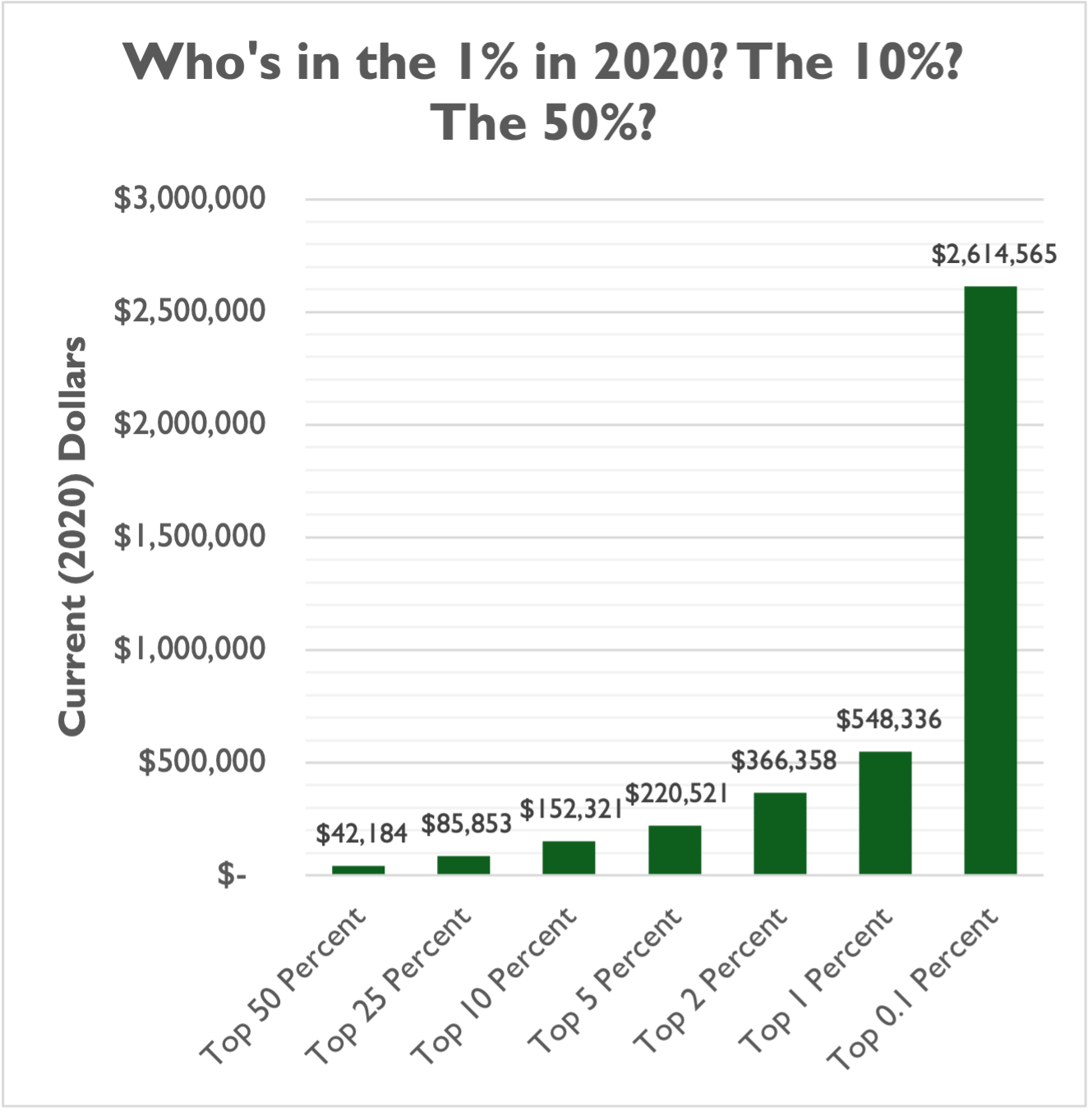
The pursuit of understanding what constitutes “top income” is more than mere curiosity; it’s fundamental to discussions about taxation, social programs, wealth creation, and the American dream itself. For individuals, knowing these benchmarks can inform career planning, financial goals, and investment strategies. For policymakers, it helps in crafting regulations that aim to foster economic growth while addressing equity concerns. This article will dissect the concept of top incomes in the US, explore the factors contributing to these earnings, and discuss their broader impact on society and personal finance.
Understanding Income Brackets and Wealth Disparity
To grasp what it means to be in the top 10% of earners, it’s crucial to first establish a clear understanding of how income is categorized and how it relates to the broader issue of wealth disparity. Income and wealth, while related, are distinct concepts, and a nuanced view of both is essential for a comprehensive picture.
Defining “Top Income”: Percentiles vs. Absolute Figures
When financial institutions or government agencies discuss income, they often refer to it in terms of percentiles. A percentile indicates the percentage of a population whose income falls below a certain amount. For instance, being in the top 10% means that your income is higher than 90% of the rest of the population. This method provides a relative measure, highlighting one’s position within the overall distribution rather than just an absolute dollar amount.
The absolute dollar figures for these percentiles are dynamic, shifting annually due to inflation, economic growth, and changes in employment patterns. What qualified as a top 10% income a decade ago would likely not hold that distinction today. This continuous adjustment underscores the importance of consulting recent data when attempting to pinpoint these thresholds. It also highlights that achieving a certain nominal income doesn’t guarantee a consistent percentile ranking over time.
The Ever-Shifting Landscape of American Income
The economic environment in the US is far from static. Factors like technological advancements, globalization, shifts in industry dominance, and government policies continuously reshape the income landscape. For example, the rise of the tech sector has created new high-paying jobs, while the decline of traditional manufacturing has impacted other segments of the workforce. Similarly, periods of high inflation can erode the purchasing power of even high incomes, while robust economic growth can push percentile thresholds upward.
This fluidity means that an income level that once signified affluence might, over time, simply represent a comfortable middle-class living. Understanding these shifts is vital for anyone tracking their financial progress or analyzing economic trends. It also influences discussions about the “middle class squeeze” and the growing gap between the highest earners and the rest of the population.
The Broader Context: Income vs. Wealth
It’s critical to distinguish between income and wealth. Income refers to the money earned or received over a period (e.g., salary, wages, dividends, rental income). Wealth, on the other hand, is the total value of all assets owned (e.g., real estate, stocks, savings, retirement accounts) minus liabilities (e.g., debts, mortgages). An individual can have a high income but relatively low wealth if they spend lavishly or have significant debts. Conversely, someone might have a modest income but substantial wealth accumulated over decades through prudent saving and investing.
The top 10% of income earners are often, but not always, also among the wealthiest. High incomes provide a greater capacity to save and invest, accelerating wealth accumulation. However, true wealth often takes generations to build or requires significant entrepreneurial success and strategic financial management beyond just earning a high salary. Understanding this distinction is key to a holistic view of financial standing in the US.
The Financial Thresholds: What It Takes to Be in the Top 10%
Pinpointing the exact income required to be in the top 10% of earners in the US is a complex task, as figures vary based on the data source (e.g., IRS, Census Bureau), the year of data collection, and whether we consider individual or household income. However, we can look at recent trends to provide a realistic estimate.
Current Data: A Look at Recent Income Benchmarks
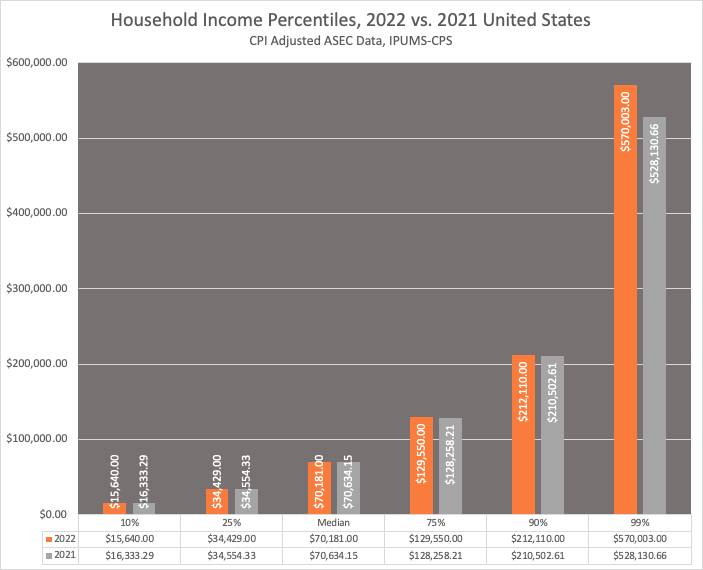
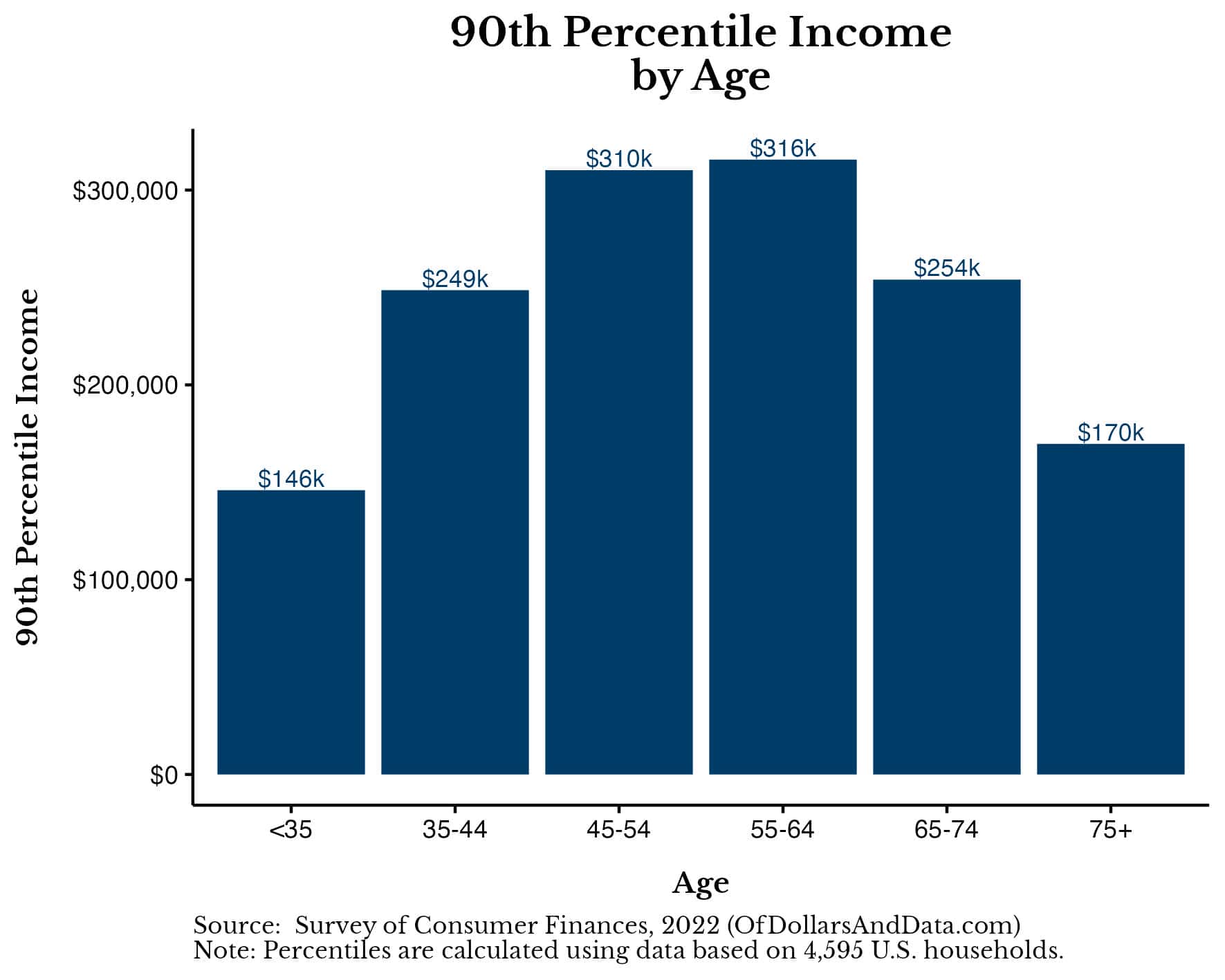
Based on recent economic data (e.g., from sources like the IRS or the US Census Bureau), the threshold for entering the top 10% of household incomes in the United States typically hovers around $175,000 to $200,000 per year. For individual income, this figure is generally lower, often ranging from $120,000 to $150,000 annually to be in the top 10%. It is important to note these figures are illustrative and can fluctuate year by year due to economic factors and data collection methodologies.
These figures represent gross income before taxes. After taxes, healthcare costs, and other essential expenses, the disposable income for even top earners can be significantly reduced. Moreover, these averages mask significant variations across different demographic groups and geographic locations. For instance, the income required to be in the top 10% in a high-cost-of-living area like Manhattan or Silicon Valley would be considerably higher than in a more affordable region of the Midwest or South.
Individual vs. Household Income: A Critical Distinction
The difference between individual and household income is paramount when discussing income tiers. Household income often includes earnings from multiple individuals (e.g., two working spouses, or other adult earners living together). Naturally, combining incomes makes the household threshold for the top 10% higher than that for a single individual.
For many families, achieving a high household income is a collective effort, leveraging the combined skills and earning potential of its members. This distinction is crucial because a family with a single earner making $150,000 might struggle more in a high-cost area than a two-earner household making the same total income, especially when considering benefits like dual healthcare plans or tax implications. Analyzing these figures without specifying individual versus household context can lead to misleading conclusions about financial well-being.
Geographical Nuances: Where Your Income Goes Further
The purchasing power of any given income level, including those in the top 10%, varies dramatically across the United States. A $200,000 household income in San Francisco, for example, might provide a lifestyle equivalent to a $100,000 income in a smaller city like Kansas City due to differences in housing costs, local taxes, and the general cost of living.
Major metropolitan areas with robust job markets in high-paying sectors (like technology, finance, and specialized healthcare) tend to have significantly higher income thresholds for their respective top percentiles. Conversely, rural areas or regions with lower economic dynamism will have lower benchmarks. This geographical disparity means that while someone might technically be in the top 10% nationally, their lived experience and financial comfort can differ widely depending on where they reside. This factor is critical for individuals considering relocation for career advancement and for policymakers designing economic development strategies.
Key Drivers of High Income in the US
Attaining a top income level in the US is rarely a matter of chance; it’s typically the result of a combination of strategic decisions, inherent abilities, and market dynamics. Several key factors consistently emerge as primary drivers of high earnings.
Education and Specialized Skills: The Premium on Expertise
A strong correlation exists between higher levels of education and higher earnings. Advanced degrees, particularly in fields like medicine, law, engineering, and business (e.g., MBAs from top institutions), often open doors to lucrative professions. Beyond degrees, the acquisition of specialized skills is paramount. Proficiency in cutting-edge technologies (AI, cybersecurity, data science), complex financial modeling, or advanced surgical techniques commands a premium in the labor market.
Employers are willing to pay top dollar for individuals who possess unique expertise that is scarce, in high demand, and directly contributes to profitability or innovation. This continuous pursuit of learning and skill enhancement, often through certifications, professional development, and practical experience, is a hallmark of many high-income earners.
Industry and Sector Influence: High-Growth, High-Pay Fields
Certain industries are inherently more lucrative than others, driven by market demand, technological advancement, and profitability. Sectors such as finance (investment banking, hedge funds), technology (software development, executive leadership in tech companies), healthcare (specialized physicians, medical researchers), and specific areas of law (corporate law, intellectual property) consistently feature a higher concentration of top earners.
These industries often benefit from high barriers to entry, significant capital investment, and the ability to generate substantial revenue or value. Choosing a career path within a high-growth, high-paying sector significantly increases an individual’s potential to reach the top income tiers, even within entry-level or mid-career positions compared to other industries.
Entrepreneurship and Investment: Beyond Traditional Employment
While a substantial number of top earners are employees in corporate structures, a significant portion achieve high incomes through entrepreneurship and strategic investment. Successful business owners, founders of startups, and self-employed professionals often have the potential for unlimited earning capacity, directly tied to the success and scale of their ventures. The risks are higher, but so are the rewards.
Similarly, income derived from investments—such as dividends from stocks, rental income from real estate, capital gains, or interest from bonds—can significantly augment or even surpass earned income from employment. Many high-income individuals actively manage substantial investment portfolios, allowing their capital to generate additional income, thus accelerating their financial ascent. This diversification of income sources is a common strategy for long-term wealth building and income stability.
Experience and Professional Networks: Compounding Value
As professionals gain more experience, especially in leadership or highly specialized roles, their value to organizations typically increases, leading to higher compensation. Seasoned executives, senior engineers, and experienced consultants command higher salaries due to their proven track record, ability to navigate complex challenges, and mentorship capabilities.
Furthermore, a robust professional network can be an invaluable asset. Connections can lead to lucrative job opportunities, strategic partnerships, investment prospects, and access to crucial information or resources. Networking effectively allows individuals to tap into a wider pool of opportunities and influences, which can directly translate into higher earning potential and career advancement.
The Implications of Income Inequality
The existence of a top 10% income bracket inherently points to a broader landscape of income inequality. This disparity has significant implications, extending beyond individual financial status to influence economic mobility, market dynamics, and societal well-being.
Economic Mobility and Social Stratification
A wide gap between the top earners and the rest of the population can impact economic mobility – the ability of individuals to move up or down the economic ladder. When the top tier captures an increasingly larger share of income growth, it can become more challenging for those in lower and middle-income brackets to improve their financial standing significantly. This can lead to increased social stratification, where economic classes become more entrenched, and opportunities for advancement are perceived as limited, potentially reducing intergenerational mobility. Debates about “fairness” and “opportunity” often center around these trends.
Consumer Behavior and Market Dynamics
Income inequality also shapes consumer behavior and market dynamics. High earners contribute disproportionately to the demand for luxury goods and services, influencing specific market segments. Simultaneously, if the majority of the population experiences stagnant or declining real incomes, overall consumer spending, which is a significant driver of economic growth, can be constrained. Businesses may cater more to the affluent, potentially neglecting the needs and purchasing power of the broader population. This can lead to a bifurcated economy, where some sectors thrive while others struggle, reflecting the unequal distribution of wealth.
Policy Debates and Societal Well-being
The issue of income inequality consistently features in policy debates, influencing discussions on taxation, social safety nets, education funding, and economic regulation. Advocates for progressive taxation argue that higher earners should contribute more to public services to fund programs that benefit everyone, especially lower-income groups, and to help redistribute wealth. Opponents raise concerns about the impact of high taxes on economic incentives and investment. Beyond economics, significant income disparities can contribute to social unrest, health inequalities, and decreased overall societal well-being, as access to quality healthcare, education, and safe living environments often correlates with income level.
Strategies for Aspiring to Higher Income Tiers
For those aspiring to move into the higher income brackets, a combination of strategic career planning, continuous personal development, and astute financial management is typically required. It’s a multi-faceted approach that extends beyond simply earning a higher salary.
Continuous Learning and Skill Development
In a rapidly evolving global economy, the most valuable asset an individual can possess is adaptability and a commitment to continuous learning. This means actively seeking out new knowledge, mastering emerging technologies, and developing skills that are in high demand and difficult to automate. Investing in certifications, advanced degrees, workshops, and even self-study can significantly enhance earning potential. The goal is to cultivate a unique skill set that differentiates you in the labor market and provides a competitive edge, allowing you to command a higher premium for your expertise.
Strategic Career Planning and Negotiation
High earners don’t typically drift into their positions; they plan their careers strategically. This involves identifying high-growth industries and companies, seeking roles with clear paths for advancement, and building a strong professional reputation. Critically, it also involves developing strong negotiation skills. From salary and benefits at the outset of a job to raises, promotions, and equity options later on, effective negotiation can significantly impact lifelong earnings. Understanding your market value, articulating your contributions, and confidently advocating for your compensation are essential steps.
Diversifying Income Streams: Side Hustles and Investments
Relying solely on a single income source, no matter how high, can be precarious. Many top earners diversify their income streams. This might involve engaging in profitable side hustles—consulting, freelance work, creating digital products—that leverage existing skills or develop new ones. Equally important is generating passive income through investments. Building a robust investment portfolio that includes stocks, bonds, real estate, or business ventures can provide significant additional income, accelerate wealth accumulation, and offer financial security that is not tied to active employment.
Financial Literacy and Prudent Money Management
Earning a high income is only half the battle; managing it effectively is the other. Financial literacy—understanding budgeting, saving, investing, and debt management—is crucial. High earners often work with financial advisors to develop comprehensive financial plans that include tax optimization strategies, retirement planning, estate planning, and risk management. Prudent money management ensures that a high income translates into increased wealth, financial freedom, and the ability to maintain a desired lifestyle over the long term, rather than being eroded by excessive spending or poor financial decisions.
In conclusion, the top 10% income in the US represents a significant financial achievement, reflecting a confluence of education, skill, industry choice, and strategic financial acumen. While the specific monetary threshold fluctuates, the underlying drivers and the broader implications for individuals and society remain consistent. Aspiring to these income tiers requires diligence, foresight, and a commitment to continuous growth and smart financial practices.
aViewFromTheCave is a participant in the Amazon Services LLC Associates Program, an affiliate advertising program designed to provide a means for sites to earn advertising fees by advertising and linking to Amazon.com. Amazon, the Amazon logo, AmazonSupply, and the AmazonSupply logo are trademarks of Amazon.com, Inc. or its affiliates. As an Amazon Associate we earn affiliate commissions from qualifying purchases.