
The human emotional landscape is rich, complex, and often elusive, even to ourselves. When we speak of “anger,” we touch upon a vast spectrum of feelings, from mild irritation to explosive rage. Linguistically, we have an arsenal of words to describe these varying shades: annoyance, frustration, indignation, resentment, fury, wrath, exasperation, and many more. But beyond mere vocabulary, these synonyms carry distinct connotations, intensities, and contextual nuances that human communicators instinctively grasp. For artificial intelligence, particularly in the realm of natural language processing (NLP) and affective computing, understanding “what is the synonym of anger” transcends a simple dictionary lookup; it’s a critical challenge at the heart of building truly intelligent and empathetic systems.
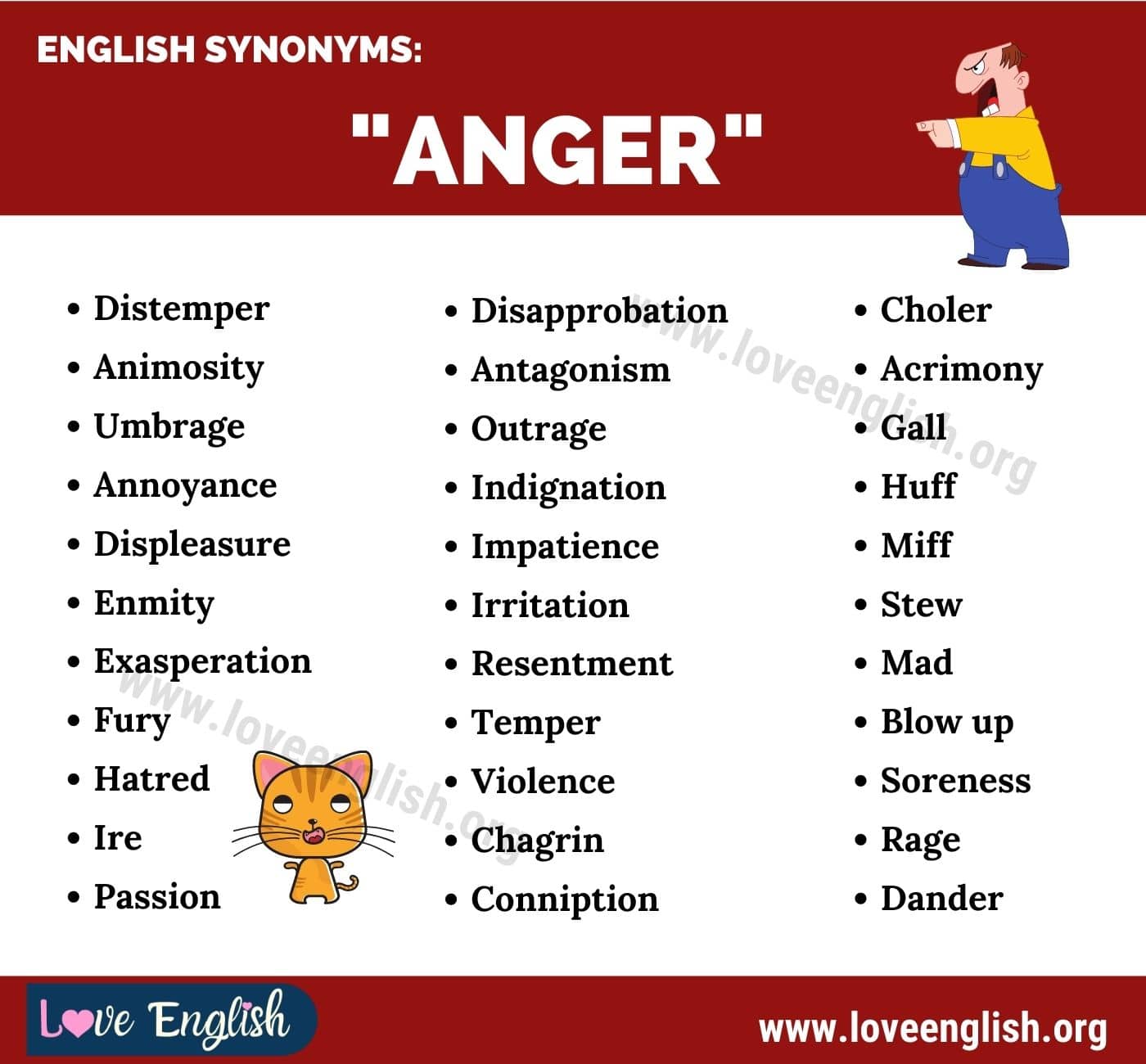
In an increasingly digital world, where interactions are often mediated by text and algorithms, the ability of AI to accurately perceive, interpret, and respond to human emotions, especially negative ones like anger, is paramount. From customer service chatbots to social media monitoring tools, the technological imperative to distinguish between a user who is “annoyed” versus one who is “enraged” has profound implications for user experience, brand reputation, and even digital safety. This article delves into how AI, through sophisticated NLP techniques, is striving to decode the multifaceted nature of anger and its linguistic siblings, transforming how machines interact with the complex tapestry of human emotion.
Deconstructing “Anger”: A Linguistic and Computational Challenge
To understand why AI cares about the synonyms of anger, we must first appreciate the depth of this emotion. Anger is not a monolithic state; it’s a dynamic, often reactive emotion that manifests in diverse forms, each with its own triggers, intensity, and potential consequences.
The Human Spectrum of Anger: More Than Just One Word
Consider the difference between being “annoyed” by a slow internet connection, “frustrated” by a complex technical issue, “indignant” at an injustice, “resentful” over a past slight, or “furious” at a significant betrayal. Each of these terms signifies a distinct emotional state, a different level of arousal, and often implies varying courses of action or desired resolutions. “Annoyance” might lead to a polite complaint, “frustration” to persistent troubleshooting, while “fury” could provoke an aggressive outburst. These aren’t just interchangeable words; they are precise descriptors that reflect the subtle intricacies of human psychological experience.
Humans instinctively understand these differences, often picking up on non-verbal cues, tone of voice, and extensive contextual information. We can infer the intensity of anger, its likely cause, and anticipate its trajectory. For example, a “grumpy” customer might just need a cheerful greeting, whereas a “rage-filled” one requires immediate, de-escalating intervention. The ability to distinguish these shades is crucial for effective human communication and problem-solving.
Why Simple Synonyms Fall Short for Machines
Traditional computational approaches, relying on basic keyword matching or pre-defined lexicons, often struggle with this subtlety. A simple lookup for “anger” might return “rage,” “fury,” and “irritation” as synonyms, but it won’t distinguish their hierarchical intensity or contextual appropriateness. If an AI system treats “irritation” and “fury” as identical manifestations of “anger,” its responses could be wildly inappropriate, leading to further user dissatisfaction or even system failure.
Machines need to move beyond merely identifying the presence of a negative emotion. They need to understand:
- Intensity: Is it mild, moderate, or severe?
- Specificity: Is it annoyance, frustration, or a deeper form of anger?
- Context: What caused this emotion? What are its likely implications?
- Connotation: Are there subtle negative undertones not explicitly stated?
This deep understanding is not just about linguistics; it’s about enabling AI to interact with humans in a more nuanced, empathetic, and ultimately effective manner.
AI’s Pursuit of Affective Understanding: The Role of NLP
The quest for AI to understand emotions, including the varied expressions of anger, largely falls under the umbrella of Natural Language Processing (NLP) and a specialized field known as Affective Computing.
Natural Language Processing (NLP) as the Foundation
NLP is the branch of AI that enables computers to understand, interpret, and generate human language. It’s the engine behind voice assistants, machine translation, and spam filters. For emotion detection, NLP moves beyond simple word recognition to semantic analysis, aiming to grasp the meaning and sentiment conveyed within text. Early NLP systems might have just flagged keywords like “angry” or “mad.” Modern NLP, however, employs sophisticated algorithms to analyze sentence structure, grammatical relationships, and broader discourse to infer emotional states.
The evolution of NLP from rule-based systems to statistical models and, more recently, to deep learning architectures has significantly enhanced AI’s ability to process and interpret human language with greater accuracy and nuance. This progression is vital for tackling the complexities of emotional language.
Sentiment Analysis and Emotion Detection: The First Steps
Sentiment analysis is often the entry point for AI into emotional understanding. It classifies the emotional tone of text as positive, negative, or neutral. While useful for broad-stroke assessments (e.g., “customers are generally negative about this product”), it lacks the granularity to distinguish between different negative emotions.
Emotion detection, a more advanced form of sentiment analysis, attempts to classify specific emotions, such as anger, joy, sadness, fear, surprise, and disgust. This is where the understanding of anger’s synonyms becomes critical. Instead of just flagging “negative,” an emotion detection model trained on diverse linguistic data can differentiate between:
- “I’m annoyed by the wait.”
- “This frustrates me endlessly.”
- “I’m absolutely furious about the service.”
These systems often leverage machine learning techniques, where models are trained on large datasets of text manually labeled with specific emotions. They learn patterns, word associations, and contextual cues that signal particular feelings. Deep learning models, with their ability to process complex hierarchical features, are particularly adept at this, moving beyond explicit emotional words to infer emotions from subtle linguistic patterns.
Leveraging Large Language Models (LLMs) for Nuance
The advent of Large Language Models (LLMs) like OpenAI’s GPT series or Google’s LaMDA has dramatically elevated AI’s capacity for emotional understanding. Trained on vast corpora of text from the internet, these models develop an unprecedented ability to comprehend context, semantic relationships, and the subtle interplay of words.
LLMs don’t just “know” synonyms; they understand the relationships between them. They can infer the intensity of a negative emotion based on the surrounding vocabulary, the sentence structure, and even the implied intent. For instance, an LLM might identify “seething with rage” as a much stronger expression of anger than “slightly miffed,” even if both convey a negative sentiment. Their advanced natural language understanding allows them to:
- Infer intensity: By analyzing word choice, modifiers, and idiomatic expressions.
- Grasp subtle connotations: Recognizing that “resentment” implies a prolonged, internal form of anger distinct from immediate “frustration.”
- Handle sarcasm and irony: Although still a challenging area, LLMs are improving in their ability to detect non-literal expressions of anger or dissatisfaction.
This sophisticated grasp of linguistic nuance is what enables LLMs to process the multifaceted nature of anger’s synonyms, offering a more human-like interpretation of emotional text.

Practical Tech Applications: Where Understanding Anger’s Synonyms Matters
The ability of AI to accurately discern between the various shades of anger and its synonyms has moved beyond academic research into a wide array of practical applications, significantly impacting how businesses operate and how individuals interact with technology.
Enhancing Customer Service and Support
One of the most critical applications is in customer service. AI-powered tools can analyze incoming customer communications (emails, chat transcripts, voice calls converted to text) to detect emotional states. Differentiating between a customer expressing “irritation” and one showing “fury” allows for a tailored response:
- Priority Routing: Calls or messages from “enraged” customers can be immediately escalated to senior agents or specialized teams, bypassing queues.
- Proactive Intervention: AI can flag early signs of escalating frustration (“annoyed” evolving to “disgruntled”), allowing agents to intervene before the situation spirals into full-blown anger.
- Empathetic Chatbots: Next-generation chatbots are designed to detect user emotional states and adapt their responses, perhaps offering a more apologetic tone or suggesting immediate human assistance when intense anger is detected. This prevents further exasperation and improves satisfaction.
Social Media Monitoring and Brand Reputation Management
For brands, understanding public sentiment on social media is vital. AI tools continuously scan platforms to identify mentions of a brand or product and analyze the emotional tone. By distinguishing between types of negative feedback:
- Early Warning Systems: Detecting an uptick in “disappointment” or “frustration” can signal an emerging issue before it becomes a widespread “outrage.”
- Crisis Management: During a public relations crisis, AI can pinpoint the exact nature and intensity of negative sentiment, helping companies craft targeted responses and assess the effectiveness of their communications.
- Targeted Feedback: Understanding if users are “annoyed” by a specific feature versus “angry” at a policy change allows for more precise issue resolution.
User Experience (UX) and Product Development
User feedback is a goldmine for product teams, but sifting through mountains of reviews and comments can be overwhelming. AI-powered sentiment and emotion analysis can:
- Pinpoint Pain Points: Automatically identify aspects of a product or service that consistently elicit “frustration” or “annoyance,” guiding development priorities.
- Prioritize Bugs: Distinguish between minor software “glitches” that cause slight irritation and critical “bugs” that lead to user rage, ensuring that high-impact issues are addressed first.
- Iterative Design: By continuously monitoring emotional responses to new features or updates, teams can quickly iterate on designs to improve user satisfaction and minimize negative emotional triggers.
Content Moderation and Digital Security
In the fight against harmful online content, AI plays a crucial role. Detecting abusive language, hate speech, and cyberbullying often involves identifying text imbued with anger or aggression.
- Identifying Harmful Intent: AI can differentiate between strong criticism (“indignation”) and outright malicious intent (“rage,” “threat”), helping content moderators prioritize and act on genuinely harmful content.
- De-escalation: Some platforms use AI to detect escalating aggressive language in real-time, potentially flagging it for review or even suggesting a “cooling off” period before a comment can be posted.
- Protection Against Threats: By understanding the nuances of anger, AI can help identify potential threats or signs of emotional distress that warrant intervention from human safety teams.
The Road Ahead: Challenges and Ethical Considerations
Despite significant advancements, AI’s complete understanding of human emotion, particularly the subtleties of anger and its synonyms, still faces considerable challenges. These hurdles also bring forth critical ethical considerations that must be addressed as AI becomes more integrated into our emotional lives.
Contextual Ambiguity and Irony
One of the biggest obstacles is the inherent ambiguity of human language. Sarcasm, irony, and cultural nuances can completely reverse the apparent meaning of words, making it incredibly difficult for AI to accurately infer true emotional intent. A phrase like “Oh, I just love waiting on hold for an hour” is clearly sarcastic, conveying frustration or annoyance, but a literal AI might interpret “love” as a positive emotion. Similarly, cultural differences can dictate how anger is expressed, with directness in some cultures being perceived as overly aggressive in others. Developing AI that can reliably navigate these layers of meaning requires ever more sophisticated contextual understanding and vast, culturally diverse training data.
Data Bias and Ethical AI
The performance of emotion detection AI is heavily dependent on the quality and representativeness of its training data. If this data contains human biases—for example, associating certain demographic groups with particular emotional expressions—the AI can perpetuate and even amplify these biases. An AI might misinterpret an assertive tone from a minority individual as “anger” while perceiving the same tone from a majority individual as “firmness.” This can lead to unfair treatment, discrimination, and a breakdown of trust.
Ethical considerations extend to the very act of machines interpreting human emotions. Who owns this emotional data? How is it stored and used? Is it ethical for an AI to manipulate human emotions based on its detection? Ensuring transparency, fairness, and accountability in emotional AI systems is paramount to prevent misuse and protect individual privacy and autonomy.
Multimodal Emotion Recognition
While text-based analysis of anger’s synonyms is powerful, human emotion is multimodal. Our tone of voice, facial expressions, body language, and even physiological responses all contribute to how we convey and perceive anger. The next frontier for AI in emotional understanding involves integrating these various data streams. By combining NLP with audio analysis (to detect vocal pitch, speed, and prosody) and visual analysis (to detect facial micro-expressions), AI could achieve a much more holistic and accurate understanding of an individual’s emotional state. This “multimodal emotion recognition” offers the promise of a truly comprehensive affective AI, but also magnifies the complexity of data collection and ethical concerns.
Empowering Human-AI Collaboration for Emotional Intelligence
The future of AI’s engagement with human emotion is not about machines replacing human empathy, but rather about empowering human capabilities through intelligent assistance. Understanding “what is the synonym of anger” and its deeper implications allows AI to serve as a powerful tool in navigating the emotional complexities of the digital age.
AI as an Assistant, Not a Replacement
AI’s role in understanding emotions is best envisioned as an augmentative one. It can highlight potential emotional states, flag communication that requires human attention, and provide data-driven insights into sentiment trends. However, the nuanced judgment, contextual wisdom, and inherent empathy required to truly respond to complex human emotions remain firmly in the human domain. An AI might detect “rage,” but a human agent is needed to genuinely de-escalate, empathize, and find a resolution that addresses the underlying issue. The most effective systems will be those that foster seamless human-AI collaboration, where AI handles the data analysis and pattern recognition, freeing humans to apply their unique emotional intelligence.

Designing Empathetic AI Systems
As our understanding of AI’s emotional capabilities grows, so too does the imperative to design AI systems that are not just intelligent but also empathetic. This means developing conversational AI that can adapt its tone and recommendations based on perceived user emotion, offer supportive language, and even express appropriate “virtual” empathy. It involves creating user interfaces that are sensitive to user frustration, providing help proactively rather than waiting for explicit complaints.
The journey to fully unravel the linguistic and emotional tapestry of “anger” and its many synonyms for AI is ongoing. Yet, the progress already made showcases AI’s transformative potential to enhance communication, improve services, and build more emotionally intelligent digital environments. By meticulously dissecting the nuances of human language, AI is not just learning to speak our words, but beginning to understand our feelings, paving the way for a future where technology is more attuned to the human heart.
aViewFromTheCave is a participant in the Amazon Services LLC Associates Program, an affiliate advertising program designed to provide a means for sites to earn advertising fees by advertising and linking to Amazon.com. Amazon, the Amazon logo, AmazonSupply, and the AmazonSupply logo are trademarks of Amazon.com, Inc. or its affiliates. As an Amazon Associate we earn affiliate commissions from qualifying purchases.