
The stock market is often described as the heartbeat of the global economy. To the uninitiated, it may seem like a chaotic whirl of flickering green and red numbers, complex jargon, and high-stakes gambling. However, in its purest form, the stock market today is a sophisticated, highly regulated, and essential mechanism for wealth creation and capital allocation. Understanding what the stock market is—and how it functions in the 21st century—is the first step toward achieving financial independence and navigating the complexities of personal finance.
At its core, the stock market is a collection of exchanges where shares of publicly held companies are issued, bought, and sold. It is the intersection where businesses looking for capital meet investors looking for a return on their savings. Whether you are a retail investor using a mobile app or a billionaire hedge fund manager, the stock market provides the infrastructure necessary to participate in the growth of the world’s most innovative corporations.
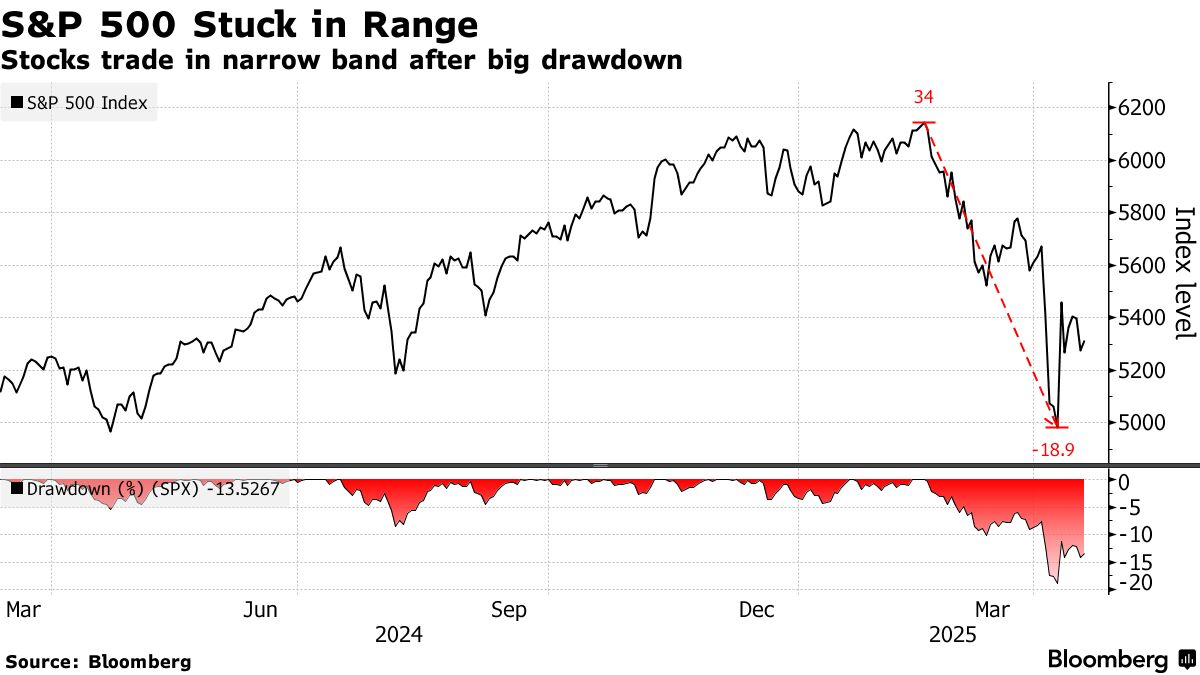
Decoding the Mechanics of the Modern Stock Market
To understand the market today, one must first understand its foundational structures. It is not a single entity but a network of various marketplaces, each serving a specific purpose in the lifecycle of a security.
Primary vs. Secondary Markets
The journey of a stock begins in the primary market. This is where a private company decides to “go public” through an Initial Public Offering (IPO). During an IPO, the company creates new shares and sells them directly to institutional investors to raise capital for expansion, research, or debt repayment.
Once those shares are issued, they move to the secondary market. This is what most people refer to when they talk about “the stock market.” In the secondary market, investors trade shares among themselves. The company that issued the stock does not receive money from these trades; instead, the profit or loss stays with the individual or institutional buyers and sellers.
The Role of Major Exchanges
In the United States, the two most prominent exchanges are the New York Stock Exchange (NYSE) and the NASDAQ. The NYSE, located on Wall Street, is the world’s largest stock exchange by market capitalization and historically featured a physical trading floor. The NASDAQ, on the other hand, was the world’s first electronic exchange and is home to many of the world’s leading technology giants. These exchanges act as the facilitators of liquidity, ensuring that there is always a platform where a buyer can find a seller at a transparent price.
Why the Market Fluctuates: Understanding Today’s Volatility
A common question among new investors is: “Why did my portfolio drop today even though the company is doing well?” The stock market is a forward-looking mechanism. It doesn’t just reflect what is happening now; it reflects what investors expect will happen in the future.
Macroeconomic Indicators and Central Banks
One of the most significant drivers of market movement today is the “macro” environment. This includes inflation rates, employment data, and, most importantly, the actions of central banks like the Federal Reserve. When the Fed raises interest rates to combat inflation, it becomes more expensive for companies to borrow money, and the “discount rate” used to value future profits increases. This often leads to a contraction in stock prices, particularly for high-growth companies. Conversely, lower interest rates generally act as a tailwind for the market.
Corporate Earnings and Forward Guidance
Every quarter, public companies release earnings reports. These documents provide a snapshot of a company’s financial health, including its revenue, net income, and debt levels. However, the market’s reaction often hinges on “guidance”—the company’s prediction of its future performance. If a company beats its profit goals but warns of a slowdown in the coming months, its stock price may fall. Investors are constantly recalibrating their expectations based on these updates.
Geopolitical Sentiment and “Black Swan” Events
The stock market does not exist in a vacuum. Political instability, trade wars, and global health crises can create sudden and intense volatility. These are often referred to as “Black Swan” events—unpredictable occurrences that have severe consequences. While these events can cause short-term panic, history has shown that the market tends to be resilient over the long term, eventually pricing in the new reality and finding a path forward.
Strategic Investing in the 21st Century
Investing in the stock market today is vastly different than it was thirty years ago. The barrier to entry has never been lower, but the sheer volume of information can be overwhelming. Developing a clear strategy is essential for long-term success.

Passive vs. Active Management
There are two primary schools of thought in investing: active and passive. Active management involves picking individual stocks or timing the market to “beat” the average return. This requires significant research and emotional discipline.
Passive management, popularized by the late John Bogle, involves buying the entire market through index funds or Exchange-Traded Funds (ETFs). Instead of trying to find the next “winner,” passive investors are content to capture the overall growth of the economy. For the majority of individual investors, a passive approach—specifically through low-cost S&P 500 index funds—has historically proven to be more effective than active trading.
The Power of ETFs and Diversification
ETFs have revolutionized the way people build wealth. An ETF is a basket of securities that trades on an exchange just like a single stock. By purchasing an ETF, an investor can gain exposure to hundreds of companies across different sectors (Technology, Healthcare, Energy) with a single transaction. This provides instant diversification, which is the most effective way to reduce “unsystematic risk”—the risk that a single company’s failure will ruin your entire portfolio.
Dollar-Cost Averaging
In a volatile market, “timing the market” is a fool’s errand. Even professional traders struggle to predict short-term bottoms and tops. A more prudent strategy is Dollar-Cost Averaging (DCA). This involves investing a fixed amount of money at regular intervals, regardless of the price. When the market is down, your fixed investment buys more shares; when it is up, it buys fewer. Over time, this lowers your average cost per share and removes the emotional stress of trying to time your entry perfectly.
Navigating the Digital Shift: Financial Tools and Platforms
The democratization of the stock market is largely due to the technological revolution in financial services, often referred to as Fintech. Today’s investor has a suite of tools that were once reserved for the elite.
The Rise of Commission-Free Trading
The landscape of personal finance was permanently altered by the shift to zero-commission trading. Major brokerages now allow users to buy and sell stocks and ETFs without paying a transaction fee. While this has made the market more accessible, it has also increased the temptation for “over-trading.” It is vital for investors to remember that just because it is free to trade does not mean it is wise to trade frequently.
Robo-Advisors and Automated Wealth
For those who prefer a hands-off approach, robo-advisors have become a popular tool. These platforms use algorithms to build and rebalance a portfolio based on an individual’s risk tolerance and financial goals. They offer features like tax-loss harvesting and automatic dividend reinvestment, which can significantly enhance long-term returns without requiring constant oversight from the investor.
Building a Long-Term Financial Legacy
The stock market is not a “get-rich-quick” scheme; it is a “get-rich-slowly” engine. The most successful investors are not those with the best tips, but those with the most patience and the strongest stomachs.
Compound Interest: The Eighth Wonder of the World
Albert Einstein reportedly called compound interest the eighth wonder of the world. In the stock market, compounding occurs when your investments generate earnings, and those earnings are reinvested to generate their own earnings. Over decades, this creates an exponential growth curve. The “stock market today” may look volatile, but when viewed through a twenty-year lens, the fluctuations of a single day become mere noise in a much larger upward trend.
Emotional Discipline and Market Cycles
The greatest enemy of the investor is often their own reflection. Behavioral finance teaches us that humans are hardwired to feel the pain of a loss twice as much as the joy of a gain. This leads many to sell their stocks at the bottom of a market cycle out of fear and buy at the top out of greed.
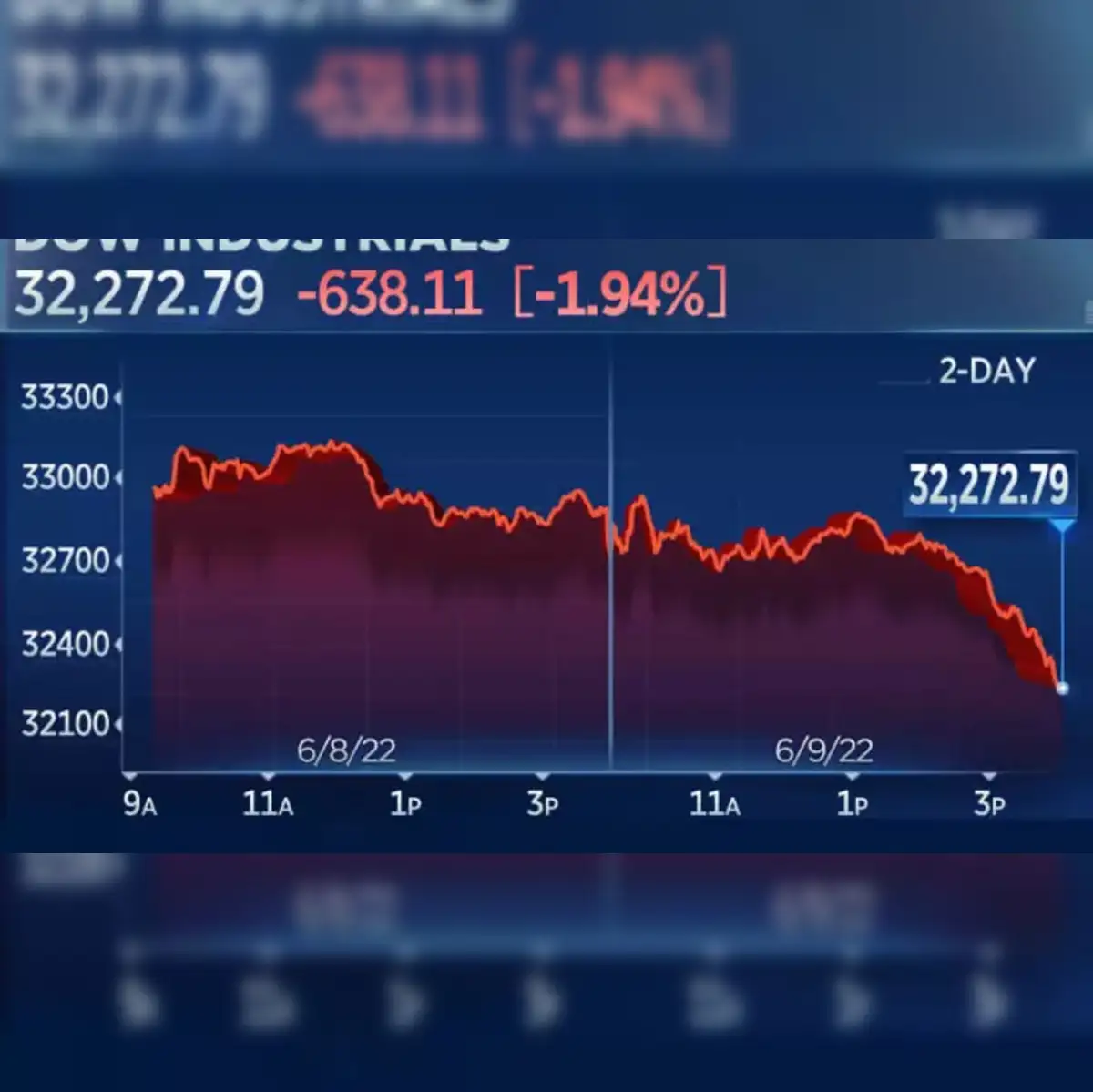
Understanding that market cycles—bull markets (rising) and bear markets (falling)—are a natural and necessary part of the financial ecosystem is crucial. Staying the course during a downturn is often the difference between those who build lasting wealth and those who fall short of their financial goals.
Conclusion
The stock market today is a powerful tool for personal empowerment. It provides a platform where anyone with a small amount of capital and a long-term perspective can own a piece of the world’s most successful enterprises. While the headlines may focus on daily fluctuations and economic uncertainty, the underlying principles of the market remain unchanged: it rewards those who provide capital to productive businesses and have the patience to let that capital grow. By understanding the mechanics, managing risks through diversification, and maintaining emotional discipline, you can harness the power of the stock market to secure your financial future.
aViewFromTheCave is a participant in the Amazon Services LLC Associates Program, an affiliate advertising program designed to provide a means for sites to earn advertising fees by advertising and linking to Amazon.com. Amazon, the Amazon logo, AmazonSupply, and the AmazonSupply logo are trademarks of Amazon.com, Inc. or its affiliates. As an Amazon Associate we earn affiliate commissions from qualifying purchases.