
Embarking on the journey of personal financial management can feel daunting, much like standing at the foot of a towering mountain without a clear path. With countless strategies, tools, and philosophies vying for attention, it’s easy to become overwhelmed before even taking the first step. Yet, every successful financial journey, whether it leads to early retirement, debt freedom, or simply peace of mind, begins with a fundamental understanding and a deliberate action. So, what exactly is this critical starting point?
The true genesis of effective personal financial management isn’t a complex investment strategy or a high-tech budgeting app. Instead, it’s a profound, honest assessment of where you stand right now, coupled with a clear vision of where you want to go. It’s about self-awareness, introspection, and establishing a foundational understanding of your current financial landscape before you can even begin to chart a course for the future. Without this initial grounding, any subsequent financial efforts are akin to building a house on sand – impressive perhaps, but ultimately unstable.
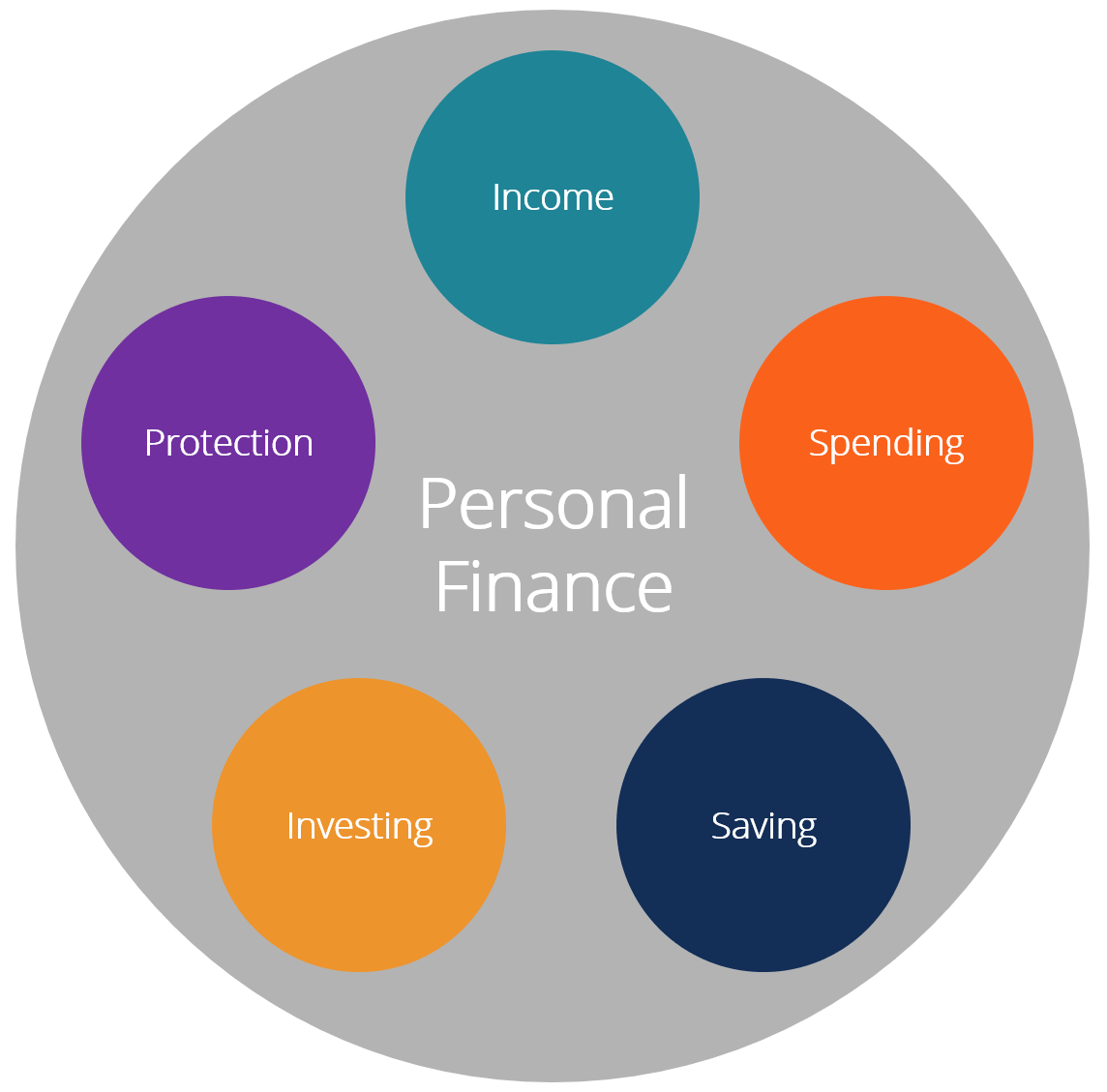
This article will break down the essential components of identifying your financial starting point, setting the stage for a sustainable and successful approach to managing your money.
I. The Foundation: Understanding Your Current Financial Landscape
Before you can make any meaningful changes or set future goals, you must first gain absolute clarity on your current financial situation. This isn’t just about knowing your bank balance; it’s a comprehensive look under the hood of your entire financial life.
Assessing Your Net Worth: A Snapshot in Time
Your net worth is a simple yet powerful indicator of your financial health. It’s calculated by subtracting your total liabilities (what you owe) from your total assets (what you own).
- Assets: These include cash in bank accounts, investments (stocks, bonds, mutual funds), real estate (primary residence, investment properties), vehicles, retirement accounts, and other valuables.
- Liabilities: This category encompasses credit card debt, student loans, car loans, mortgages, personal loans, and any other outstanding debts.
Calculating your net worth provides a baseline. It shows you the true value of your financial position at a specific moment, giving you a tangible number to track over time. A positive net worth is desirable, but even a negative net worth is simply a starting point from which to grow. The key is knowing it.
Tracking Income and Expenses: Where Does Your Money Truly Go?
This is arguably the most crucial, and often the most revealing, step. Many people have a general idea of their income, but a surprisingly small percentage can accurately account for all their expenses.
- Income: Document all sources of income – salary, freelance work, side hustles, rental income, dividends, etc. Ensure you’re looking at your net income (what you actually receive after taxes and deductions).
- Expenses: This is where the real detective work begins. Categorize every single outflow of money for at least one to three months. Use banking apps, spreadsheets, budgeting software, or even a simple notebook. Be meticulous. Differentiate between fixed expenses (rent/mortgage, loan payments, insurance premiums) and variable expenses (groceries, dining out, entertainment, clothing).
This exercise illuminates your spending habits, often uncovering “money leaks” – small, regular expenses that add up significantly over time. Understanding precisely where your money comes from and where it goes is the bedrock of creating an effective budget and making informed financial decisions. Without this data, any attempt at budgeting or saving is based on guesswork, not reality.
Evaluating Your Financial Habits and Mindset
Beyond the numbers, your starting point also includes an honest assessment of your relationship with money.
- Spending Triggers: What prompts you to spend impulsively? Is it stress, boredom, social pressure, or advertising?
- Financial Knowledge Gaps: What areas of personal finance do you feel least confident about? Investing, debt management, retirement planning, insurance?
- Beliefs About Money: Do you view money as a tool for freedom, a source of stress, something to be hoarded, or something to be spent freely? Your underlying beliefs heavily influence your financial behaviors.
Recognizing these patterns and attitudes is vital. Changing your financial trajectory often requires a shift in mindset and a conscious effort to break ingrained habits.
II. Setting Clear, Achievable Financial Goals
Once you understand your current position, the next critical step in personal financial management is defining where you want to go. Without clear goals, your financial efforts lack direction and motivation. This is where aspiration meets practicality, transforming vague desires into concrete objectives.
Defining Short-Term Goals (1-3 Years)
These are immediate, actionable targets that build momentum and provide quick wins.
- Emergency Fund: Aim to save 3-6 months’ worth of essential living expenses in an easily accessible, high-yield savings account. This is non-negotiable for financial security.
- High-Interest Debt Repayment: Prioritize paying off credit card debt or other loans with high interest rates.
- Specific Purchases: Saving for a new appliance, a vacation, or a down payment on a car.
Achieving short-term goals provides a powerful psychological boost, demonstrating that you can take control of your money and build confidence for larger aspirations.
Crafting Mid-Term Objectives (3-10 Years)
Mid-term goals require more planning and sustained effort, bridging the gap between immediate needs and long-range dreams.
- Down Payment on a Home: A significant financial undertaking that requires consistent saving.
- Funding Higher Education: Saving for a child’s college education or your own continued learning.
- Significant Debt Reduction: Paying off student loans or a substantial portion of a mortgage.
- Starting a Small Business: Accumulating the initial capital required to launch an entrepreneurial venture.
These goals often involve a blend of saving and strategic investing, pushing you to develop more sophisticated financial habits.
Envisioning Long-Term Aspirations (10+ Years)
Long-term goals are the guiding stars of your financial journey, often representing significant life milestones and true financial independence.
- Retirement Planning: Building a substantial nest egg to ensure a comfortable future without relying solely on employment income.
- Financial Independence/Early Retirement: The ultimate goal for many, allowing you to live off investment income without active employment.
- Wealth Building: Growing your assets through diversified investments to create a lasting legacy or significant financial flexibility.
- Philanthropy: Planning for charitable giving or establishing foundations.
These objectives necessitate consistent contributions, smart investment choices, and a long-term perspective on compounding returns.
The SMART Framework for Goal Setting
To ensure your goals are effective and achievable, apply the SMART framework:
- Specific: Clearly define what you want to achieve (e.g., “Save $10,000 for an emergency fund” instead of “Save money”).
- Measurable: Quantify your goals with numbers (e.g., “$10,000” or “Reduce credit card debt by 50%”).
- Achievable: Set realistic goals that challenge you without being impossible given your current circumstances.
- Relevant: Ensure your goals align with your personal values and overall life plan.
- Time-bound: Assign a deadline to each goal (e.g., “by December 31st, next year”).
SMART goals transform abstract desires into concrete action plans, providing clarity and a roadmap for your financial journey.
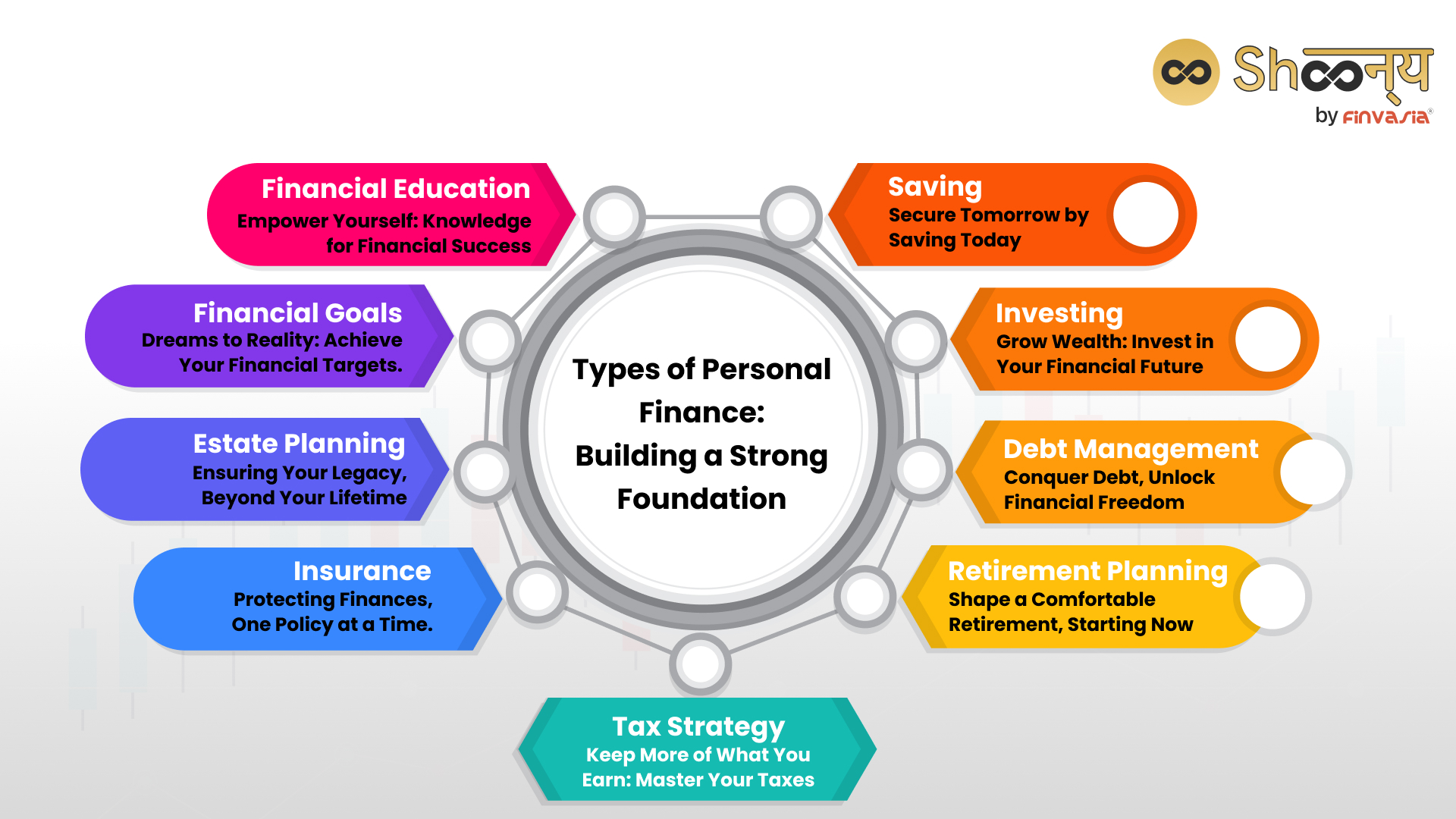
III. Building Your Financial Toolkit and Mindset
With a clear picture of your financial present and a map to your desired future, the next phase involves assembling the practical tools and cultivating the mental fortitude required to navigate your financial path. This combination of practical strategies and a resilient mindset forms the core of ongoing personal financial management.
Crafting a Realistic and Dynamic Budget
Your budget is not a straitjacket; it’s a financial blueprint that directs your money where you want it to go.
- Choose a Method: Explore different budgeting approaches like the 50/30/20 rule (50% needs, 30% wants, 20% savings/debt), zero-based budgeting (every dollar has a job), or the envelope system (cash for variable expenses). The best budget is one you can stick to.
- Be Realistic: Don’t cut out all enjoyable expenses. Allocate funds for occasional indulgences to prevent burnout.
- Automate Savings: Set up automatic transfers from your checking to your savings or investment accounts immediately after payday. “Pay yourself first” is a cornerstone of consistent saving.
- Regular Review: A budget is a living document. Review and adjust it monthly or quarterly to reflect changes in income, expenses, or goals.
Establishing an Emergency Fund: Your Financial Safety Net
Often mentioned as a short-term goal, an emergency fund warrants its own focus due to its critical importance. It’s the buffer that protects you from life’s inevitable surprises – job loss, medical emergencies, unexpected home or car repairs – preventing you from falling into high-interest debt when disaster strikes. Aim for 3-6 months of essential living expenses, kept in a separate, easily accessible, but distinct account (not your primary checking).
Tackling Debt Strategically
Debt can be a significant impediment to financial progress. A strategic approach is crucial.
- High-Interest First (Debt Avalanche): Prioritize paying off debts with the highest interest rates first. This saves you the most money in interest over time.
- Smallest Balance First (Debt Snowball): Focus on paying off the smallest debt first, then rolling that payment into the next smallest. This method provides psychological wins and maintains motivation.
- Consolidation/Refinancing: For high-interest debts, consider options like personal loans with lower interest rates or balance transfer credit cards, but exercise caution and ensure you understand the terms.
Cultivating Financial Literacy: The Power of Knowledge
Personal finance is a lifelong learning endeavor. Your initial starting point is merely the beginning of your education.
- Read Books and Blogs: Immerse yourself in reputable financial literature.
- Follow Experts: Learn from trusted financial advisors and educators.
- Take Courses: Many online platforms offer free or affordable courses on investing, budgeting, and retirement planning.
- Stay Informed: Understand economic trends, inflation, and how current events might impact your financial plans.
The more you know, the better equipped you are to make informed decisions and adapt to changing circumstances.
IV. The Ongoing Journey: Monitoring, Adapting, and Growing
Personal financial management isn’t a one-time setup; it’s an ongoing process of monitoring, adjusting, and continuously striving for improvement. The initial starting point gives you direction, but sustained effort and adaptability are what truly drive long-term success.
Regular Reviews and Adjustments
Life is dynamic, and so should be your financial plan.
- Monthly Check-ins: Reconcile your budget with actual spending, review account balances, and track progress toward short-term goals.
- Quarterly/Annual Deep Dives: Conduct a more comprehensive review of your net worth, investment performance, insurance coverage, and long-term goals. Adjust your budget, savings rates, or investment strategy as needed to reflect changes in income, expenses, family situation, or market conditions.
- Life Events: Major life events—marriage, children, job changes, divorce, inheritance—demand immediate financial reassessment and adaptation.
Strategic Investing for the Future
Once your emergency fund is solid and high-interest debt is under control, investing becomes a primary engine for wealth creation.
- Understand Risk Tolerance: Determine how much risk you’re comfortable taking, as this will guide your investment choices.
- Diversification: Spread your investments across different asset classes (stocks, bonds, real estate) and geographies to minimize risk.
- Compound Interest: Harness the power of compound interest by starting early and investing consistently. Time is your greatest ally in investing.
- Retirement Accounts: Maximize contributions to tax-advantaged accounts like 401(k)s, IRAs, and HSAs.
- Long-Term Mindset: Avoid emotional reactions to market fluctuations. Investing is a marathon, not a sprint.
Protecting Your Assets and Planning for the Unexpected
Financial management isn’t just about accumulation; it’s also about protection.
- Insurance: Adequate insurance coverage (health, life, disability, home, auto) acts as a critical safety net against unforeseen circumstances that could otherwise devastate your financial plan.
- Estate Planning Basics: While often considered a task for later in life, basic estate planning (a will, power of attorney, healthcare directives) ensures your wishes are respected and your loved ones are protected should the unthinkable happen.
- Digital Security: Protect your financial information from cyber threats. Use strong passwords, two-factor authentication, and monitor your accounts for suspicious activity.
Seeking Professional Guidance
While much of personal finance can be self-managed, there are times when professional expertise is invaluable.
- Complex Situations: If you have significant assets, a complex business, or unique financial challenges, a certified financial planner can provide tailored advice.
- Investment Strategy: A financial advisor can help you create a diversified investment portfolio aligned with your goals and risk tolerance.
- Accountability: Some people benefit from the external accountability and structured guidance a professional offers.
Ensure you choose a fee-only fiduciary advisor who legally must act in your best interest.
Conclusion
The starting point of personal financial management is not a single action but a crucial two-pronged approach: a thorough self-assessment of your current financial reality and the establishment of clear, inspiring financial goals. This initial phase provides the context and the direction necessary to move forward with purpose.
From this solid foundation, you can then build a robust financial toolkit, cultivate enduring habits, and embark on a lifelong journey of learning, adapting, and growing. It requires discipline, patience, and a willingness to confront financial truths, but the rewards—financial freedom, security, and peace of mind—are immeasurable. Don’t let the complexity of the future paralyze your present. Start here, today, by understanding where you are and deciding where you want to go. The most empowering step in your financial journey is always the first one, taken with clarity and intent.
aViewFromTheCave is a participant in the Amazon Services LLC Associates Program, an affiliate advertising program designed to provide a means for sites to earn advertising fees by advertising and linking to Amazon.com. Amazon, the Amazon logo, AmazonSupply, and the AmazonSupply logo are trademarks of Amazon.com, Inc. or its affiliates. As an Amazon Associate we earn affiliate commissions from qualifying purchases.