
When we discuss the leadership of the United States, the conversation usually revolves around policy, geopolitics, and legislative victories. However, from a purely financial perspective, the role of the President of the United States is one of the most unique positions in the global labor market. It is a role that combines a fixed government salary with an extraordinary suite of untaxed benefits, followed by a post-tenure earning potential that ranks among the highest in the world.
For those interested in personal finance, executive compensation, and the mechanics of government spending, understanding what the President actually “makes” requires looking far beyond the headline salary figure.
The Fixed Compensation: Breakdown of the Base Salary and Statutory Allowances
The base salary of the President is set by Congress and is governed by Title 3 of the U.S. Code. While many high-level corporate roles see annual bonuses or cost-of-living adjustments, the presidential salary is remarkably static, requiring an act of Congress to change.
The $400,000 Figure: A Historical Context
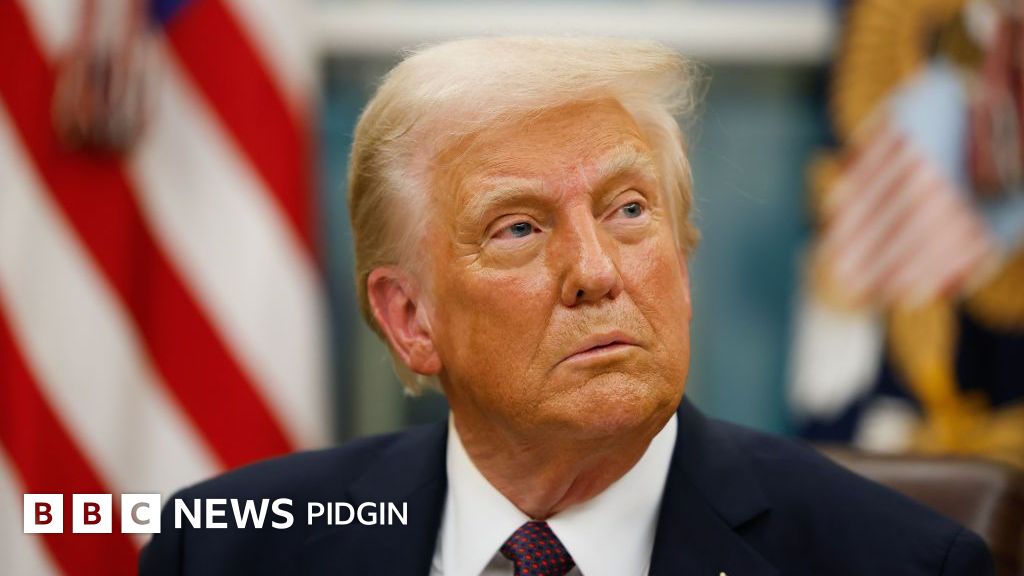
Currently, the President of the United States earns a base salary of $400,000 per year. This figure was established in 2001, when Congress doubled the previous salary of $200,000 (which had been in place since 1969). If we look at this through the lens of inflation, the $400,000 salary has actually lost significant purchasing power over the last two decades. In today’s economy, that same $400,000 from 2001 would be worth significantly more, yet the nominal figure remains unchanged.
The salary is paid monthly and is considered taxable income. Unlike some international heads of state who may have opaque financial arrangements, the U.S. President’s salary is a matter of public record and is subject to federal and state income taxes.
Expense Accounts and Supplemental Allowances
Beyond the base salary, the President receives several supplemental allowances designed to cover the costs of the office. These are not technically “income” in the sense that they cannot be pocketed as profit, but they represent a massive reduction in the President’s personal cost of living:
- $50,000 Annual Expense Account: This is intended to cover official expenses. Any unused portion of this account reverts to the Treasury.
- $100,000 Nontaxable Travel Account: This covers the costs of official travel.
- $19,000 Entertainment Allowance: Dedicated to official hosting and social functions.
While these numbers may seem high to the average earner, in the context of business finance, they are relatively modest operating budgets for a world leader.
Beyond the Paycheck: The Valuation of Non-Monetary Executive Benefits
To truly understand the “wealth” associated with the presidency, one must calculate the value of the perks. If a private-sector executive were to pay for the lifestyle of a President out of pocket, they would need an annual income in the tens of millions of dollars.
Housing and Staffing: The White House Ecosystem
The most famous “perk” is, of course, the White House. But from a financial standpoint, this is more than just a house; it is a full-service luxury estate. The President and their family live rent-free in a 55,000-square-foot facility with 132 rooms.
However, the real value lies in the staffing. The White House maintains a permanent staff of nearly 100 people, including chefs, groundskeepers, florists, and housekeepers. The President also has access to a $100,000 budget just for redecorating the residence upon moving in, ensuring the transition meets their personal and professional standards.
Health, Security, and Lifetime Protection
From a personal finance perspective, insurance and security are major “hidden” costs. The President receives premium healthcare from the White House Medical Unit. Furthermore, the security detail provided by the Secret Service is an invaluable benefit. In the private sector, high-net-worth individuals spend millions annually on personal security details; the President receives the most sophisticated security apparatus on the planet, funded entirely by the taxpayer, both during and after their term.
Comparing the Presidential Salary to Corporate CEO and Financial Leaders
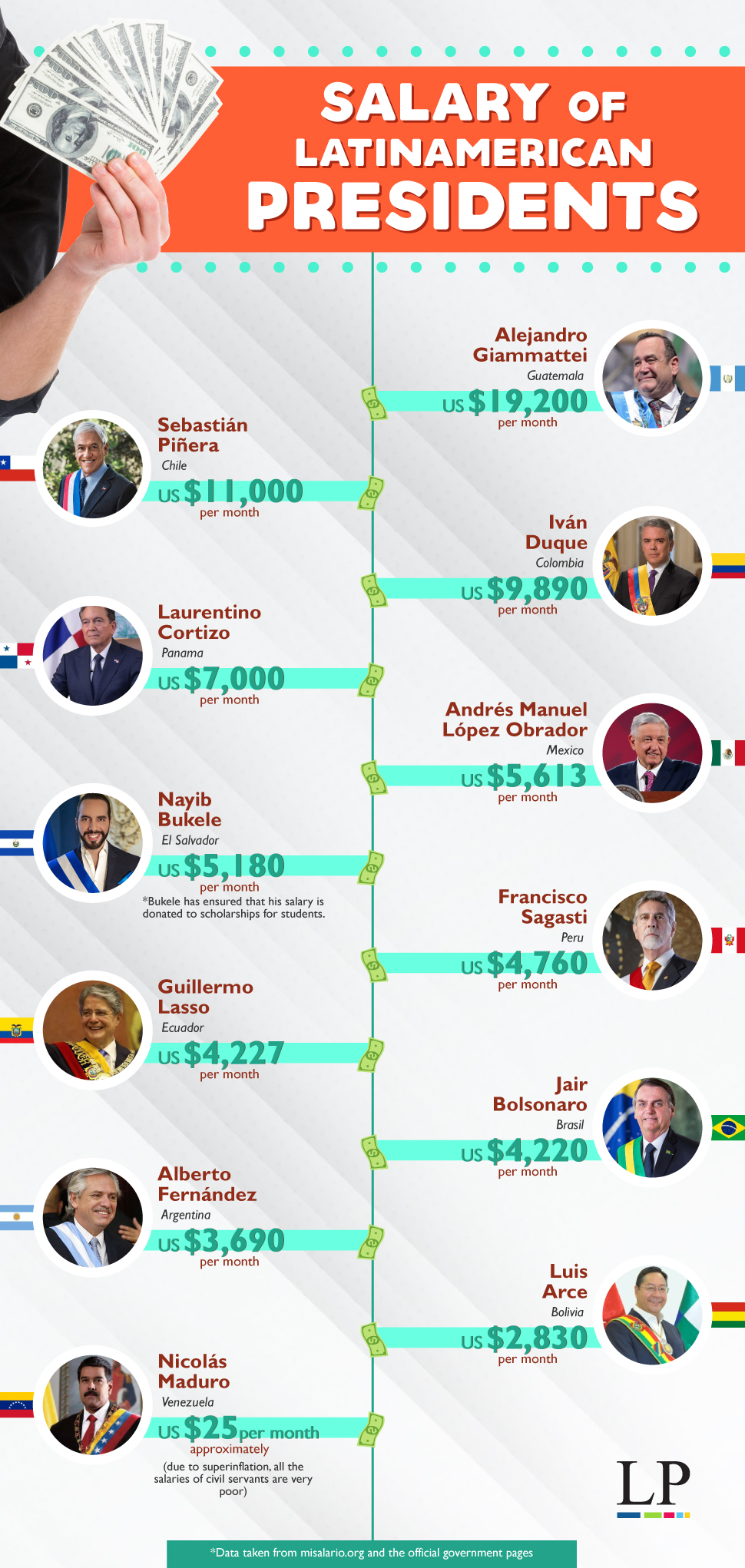
When we place the $400,000 presidential salary alongside the compensation packages of S&P 500 CEOs, a staggering disparity emerges. This raises important questions about the “market value” of the presidency.
The Disparity Between Public Service and Private Enterprise
The average CEO of a major American corporation earns approximately $15 million to $20 million annually when factoring in stock options and bonuses. Even mid-level executives at major tech firms or hedge funds often outearn the Commander-in-Chief.
From a business finance perspective, the President is the “CEO” of the world’s largest economy and the head of an organization with millions of employees. By any corporate metric—responsiveness, responsibility, or risk—the President is technically “underpaid.” However, the role is defined as public service, not a profit-seeking venture, which is why the salary remains fixed regardless of the nation’s economic performance.
Is the President “Underpaid” from a Business Perspective?
Some financial analysts argue that a lower salary ensures that only those motivated by service (or those who are already independently wealthy) seek the office. Others suggest that the “low” salary is a misnomer because the real financial gain happens after the term ends. In this view, the four or eight years in the White House are a “loss leader” for the massive wealth-building opportunities that follow.
Post-Presidency Wealth: The Transition to High-Net-Worth Status
The conclusion of a presidential term marks the beginning of a new financial chapter. For modern presidents, the “real” money is made in the private sector following their departure from the Oval Office.
The Former Presidents Act (FPA) Pensions
Established in 1958, the Former Presidents Act ensures that former leaders do not face financial hardship. As of 2024, a former President receives an annual pension of approximately $220,000 to $230,000 (matching the salary of a Cabinet Secretary).
Additionally, the government provides:
- Office Space and Staffing: Funding for a private office and a small staff.
- Medical Benefits: Continued access to government health plans.
- Secret Service Protection: Lifetime security for the former President and their spouse.
Monetizing the Brand: Speaking Engagements and Book Deals
The true “upside” of the presidency lies in the “Brand Value.” A former President is one of the most sought-after speakers in the world. It is common for former presidents to command between $200,000 and $500,000 for a single one-hour keynote address at a corporate event or financial conference.
Furthermore, book deals have become a primary source of generational wealth. Recent former presidents and their spouses have signed multi-book deals valued in the tens of millions of dollars. When you combine speaking fees, memoirs, and consulting roles, a former President can easily transition from a $400,000-a-year salary to a net worth exceeding $100 million within a decade of leaving office.
The Role of Personal Wealth and Ethics in Presidential Finance
Finally, we must consider the financial status of the individuals who enter the office. The presidency is rarely a “rags-to-riches” story in the traditional sense; most candidates are already financially successful.
Managing Personal Assets While in Office
Managing personal investments while holding the highest office in the land presents significant ethical and financial challenges. To avoid conflicts of interest, many presidents choose to place their assets in a blind trust. This means an independent trustee manages their investments without the President’s knowledge of which specific stocks or assets are being bought or sold.
For presidents with complex business empires, this process is much more difficult. The financial scrutiny involved requires a massive team of accountants and lawyers, often costing the President significant personal funds just to ensure compliance with federal ethics laws.
The Impact of Financial Disclosures on Public Trust
In the interest of transparency, the President is required to file annual financial disclosure forms. These documents provide a window into their assets, liabilities, and outside income. From a personal finance standpoint, these disclosures are a lesson in diversification. Most presidents hold a mix of real estate, Treasury bonds, and diversified index funds—assets that prioritize stability over high-risk speculation.
Conclusion
The salary of the President of the United States—$400,000—is a modest figure when compared to the weight of the responsibilities and the compensation found in the private sector. However, the true “compensation package” is a multi-layered financial structure. It includes a lifetime of security, a robust pension, and an unparalleled platform to generate wealth in the private sector after the term ends.
Ultimately, the presidency is not a job one takes for the immediate paycheck. It is a high-stakes role where the financial rewards are deferred, and the “brand equity” earned in the Oval Office becomes the foundation for significant financial success in the years that follow. Understanding these numbers offers a clearer picture of the intersection between public service and the modern financial landscape.
aViewFromTheCave is a participant in the Amazon Services LLC Associates Program, an affiliate advertising program designed to provide a means for sites to earn advertising fees by advertising and linking to Amazon.com. Amazon, the Amazon logo, AmazonSupply, and the AmazonSupply logo are trademarks of Amazon.com, Inc. or its affiliates. As an Amazon Associate we earn affiliate commissions from qualifying purchases.