
In the dynamic and often tumultuous world of technology, where innovation is constant and market demands shift at lightning speed, the concept of a “roadmap” stands as a beacon of clarity. Far from being a mere project plan or a static list of features, a technology roadmap is a strategic artifact that communicates the vision, direction, and priorities of a product, platform, or even an entire organization’s technological evolution over time. It is the connective tissue between a company’s overarching strategy and the daily work of development teams, providing a shared understanding of where we are going, why it matters, and how we intend to get there. Without a well-defined roadmap, tech companies risk drifting aimlessly, squandering resources, and failing to capitalize on opportunities. This article delves into the essence of what a roadmap truly is in the tech sphere, its indispensable value, how to construct one effectively, and the future trends shaping its evolution.
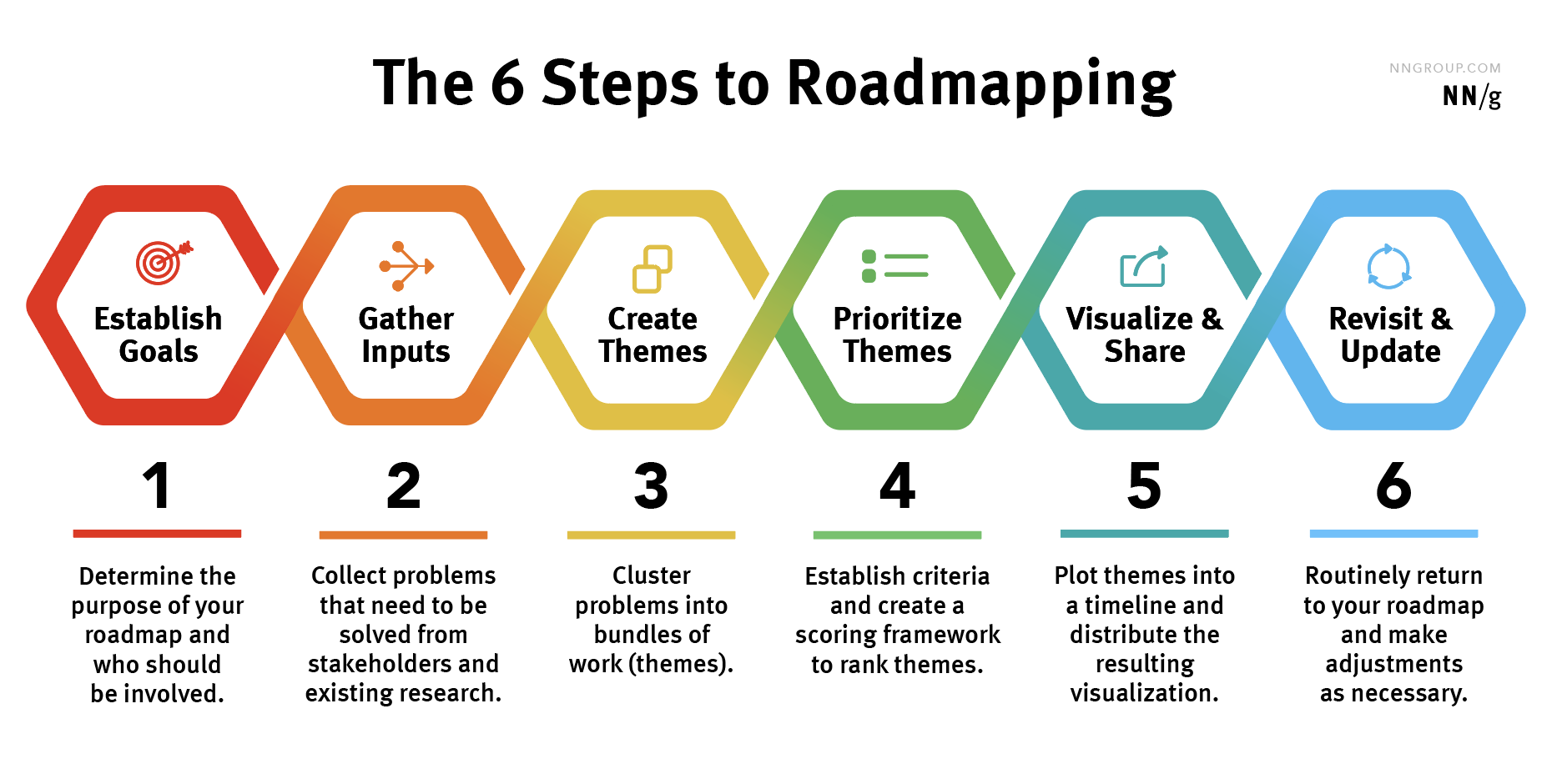
Defining the Technology Roadmap: A Strategic Compass
At its core, a technology roadmap is a high-level visual summary that maps out the strategic direction and evolution of a technological offering. It’s a living document that guides stakeholders, from engineers to executives, on the journey ahead.
Beyond a Mere Feature List: Vision and Direction
It’s crucial to distinguish a roadmap from a backlog or a release plan. While a backlog is a detailed list of tasks and features, and a release plan outlines specific deliverables for upcoming sprints, a roadmap operates at a higher strategic altitude. It focuses on outcomes rather than just outputs. A good roadmap communicates the “why” behind the “what,” articulating the problems it aims to solve for users and the business goals it seeks to achieve. It paints a picture of the future, aligning everyone around a common vision and strategic intent, ensuring that development efforts are purposeful and impactful.
The Core Purpose: Aligning Vision with Execution
The primary purpose of a technology roadmap is to foster alignment. It serves as a central reference point that harmonizes the efforts of various departments—product, engineering, marketing, sales, and executive leadership—towards shared strategic objectives. By clearly articulating the strategic themes, key initiatives, and anticipated milestones, a roadmap minimizes misunderstandings, reduces internal friction, and ensures that all resources are directed towards the most impactful areas. It transforms abstract corporate goals into tangible technological milestones.
Diverse Roadmaps in Tech: Product, Technology, and Digital Transformation
Within the vast tech landscape, roadmaps manifest in various forms, each serving a distinct but related purpose:
- Product Roadmap: This is perhaps the most common type, focusing on the evolution of a specific product. It outlines the strategic themes, epics, and sometimes key features planned for future releases, emphasizing customer value and market impact. It’s the story of how a product will grow and adapt to meet user needs and business objectives.
- Technology Roadmap: Distinct from a product roadmap, a technology roadmap focuses on the underlying technological infrastructure, platforms, and capabilities. It details the planned adoption of new technologies, architectural improvements, security enhancements, or migration strategies that enable future product innovation and operational efficiency. For example, migrating to a new cloud provider or integrating a novel AI framework would appear on a technology roadmap.
- Digital Transformation Roadmap: For larger organizations undergoing significant change, a digital transformation roadmap charts the strategic initiatives and technological investments required to modernize processes, enhance customer experiences, and leverage data more effectively across the entire enterprise. It’s a high-level plan for adopting digital capabilities to achieve broader business objectives.
Each of these roadmaps, while specialized, is interconnected, contributing to the overall technological prowess and strategic direction of an organization.
The Indispensable Value of a Well-Crafted Roadmap
A meticulously designed roadmap is more than just a planning document; it’s a powerful strategic tool that delivers multifaceted benefits to tech organizations. Its value permeates every layer of the business, from top-level strategy to day-to-day execution.
Driving Strategic Alignment and Stakeholder Buy-in
One of the most critical functions of a roadmap is to create a shared understanding and foster alignment across diverse stakeholders. In complex tech environments, different departments often have competing priorities. The roadmap acts as a unifying document, clearly demonstrating how each piece of work contributes to larger strategic goals. By providing a transparent view of future initiatives, it facilitates crucial conversations, helps garner executive sponsorship, and secures buy-in from all relevant parties, ensuring everyone is pulling in the same direction. This alignment is vital for avoiding siloing and maximizing organizational synergy.
Prioritization and Resource Allocation Efficiency
Tech companies operate with finite resources – limited time, budget, and engineering talent. A roadmap provides the framework for strategic prioritization, allowing teams to make informed decisions about what to build next and, equally important, what not to build. By mapping initiatives against strategic themes and expected business impact, product and engineering leaders can allocate resources effectively, ensuring that high-value projects receive the necessary attention. This prevents diluted efforts, reduces wasted investment, and optimizes the return on development.
Fostering Innovation and Adaptability
While roadmaps provide direction, they also create space for innovation. By articulating clear strategic goals, teams are empowered to explore creative solutions to achieve those outcomes. A good roadmap is not rigid; it anticipates change and builds in flexibility. It allows organizations to be proactive in adapting to market shifts, technological advancements, and evolving customer needs, rather than reactively chasing trends. It encourages a culture of continuous learning and iteration, where plans are regularly reviewed and adjusted based on new information and insights.
Enhancing Communication and Transparency
Transparency is a cornerstone of effective collaboration, and the roadmap is its primary vehicle. It offers a clear, accessible overview of future plans to internal teams, external partners, and sometimes even customers. For internal teams, it demystifies decision-making and provides context for their daily tasks. For sales and marketing, it offers insights into upcoming features, enabling them to prepare campaigns and articulate future value propositions. For customers, a public roadmap can build excitement, manage expectations, and solicit valuable feedback, strengthening loyalty and engagement.
Building an Effective Tech Roadmap: A Step-by-Step Guide
Crafting a compelling and actionable tech roadmap requires a structured approach that moves from high-level vision to detailed planning, all while maintaining flexibility.
Phase 1: Vision, Research, and Discovery (Market, User, Business Goals)
The foundational step involves deep introspection and external exploration. Begin by clearly defining the product vision and how it aligns with the overall company strategy. What core problems are you solving? What is the ultimate impact you want to make?
Next, conduct thorough market research to understand the competitive landscape, emerging trends, and technological shifts. Simultaneously, engage in robust user research to uncover unmet needs, pain points, and desires of your target audience. Use techniques like interviews, surveys, usability testing, and data analytics.
Finally, clearly articulate the business goals (e.g., revenue growth, market share, customer retention, operational efficiency) that the roadmap is designed to achieve. These goals will serve as the north star for all subsequent prioritization.
Phase 2: Strategy and Prioritization (Goals, Themes, Metrics, Trade-offs)
With a clear vision and solid research, the next step is to translate these insights into a strategic framework.
- Define Strategic Themes/Objectives: Group related initiatives under overarching strategic themes. These themes represent significant areas of focus, such as “Enhance User Engagement,” “Improve Platform Scalability,” or “Expand into New Markets.” Each theme should directly support your product vision and business goals.
- Identify Key Initiatives/Epics: For each theme, outline the major initiatives or epics that will contribute to its achievement. These are high-level descriptions of significant work items, not granular features.
- Establish Key Performance Indicators (KPIs) and Metrics: For each theme and initiative, define measurable outcomes. How will you know if you’ve succeeded? This moves the roadmap from output-focused to outcome-focused, enabling objective evaluation.
- Prioritization Frameworks and Trade-offs: Employ prioritization frameworks (e.g., RICE, WSJF, MoSCoW) to objectively evaluate and rank initiatives based on impact, effort, risk, and strategic alignment. This phase inevitably involves making tough trade-offs, deciding what to build now, later, or not at all. Transparency in these decisions is crucial.
Phase 3: Communication and Iteration (Visualizing, Sharing, Feedback Loops)
A roadmap’s value is realized through its communication.
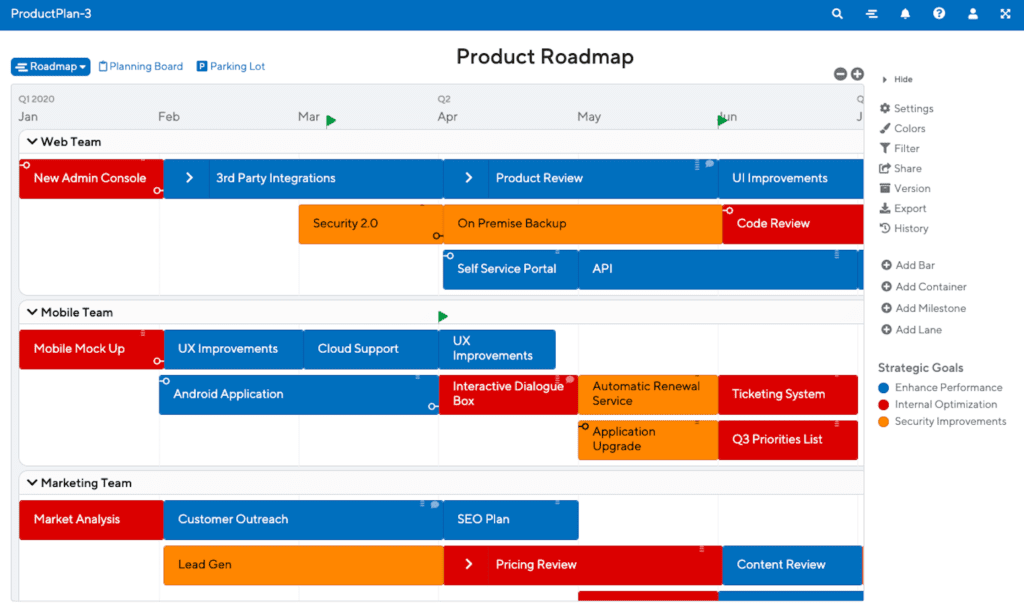
- Visualizing the Roadmap: Choose a clear and concise format. Many roadmaps are visual, using swimlanes for themes over time horizons (e.g., now, next, later, or Q1, Q2, Q3). Tools range from simple spreadsheets and slide decks to specialized roadmap software. Focus on readability and accessibility.
- Sharing and Storytelling: Present the roadmap to all stakeholders, articulating the narrative behind the decisions. Explain the vision, the problems being solved, and the expected outcomes. Facilitate discussions to gather feedback and address concerns.
- Feedback Loops and Continuous Updates: A roadmap is a living document. Establish a regular cadence for reviewing and updating it (e.g., quarterly). Solicit continuous feedback from development teams, sales, marketing, and customers. Be prepared to adapt to new information, market changes, or unexpected challenges. This iterative process is vital for its continued relevance and accuracy.
Tools and Methodologies: From Kanban to Agile Frameworks
Modern roadmapping is deeply intertwined with agile methodologies. Tools like Jira, Asana, Productboard, Aha!, and even Trello or dedicated roadmap software facilitate the creation, visualization, and management of roadmaps. Agile frameworks like Scrum or Kanban, while focusing on execution, inform the iterative nature of roadmapping, promoting continuous discovery and delivery. The roadmap provides the “why” and “what,” while agile sprints focus on the “how.”
Navigating Challenges and Embracing Agility
Building and maintaining an effective tech roadmap is not without its hurdles. Organizations must be prepared to address common pitfalls and cultivate an agile mindset.
Common Pitfalls: The Fixed Plan Fallacy and Scope Creep
One of the most dangerous traps is treating the roadmap as a rigid, unchangeable contract. The “fixed plan fallacy” assumes that initial plans will remain valid indefinitely, ignoring the inherent uncertainties of technology development and market evolution. This leads to broken promises, demotivated teams, and missed opportunities. Another prevalent issue is scope creep, where new features or requests are continually added without corresponding adjustments to timelines or resources, leading to project delays and resource exhaustion. Both pitfalls stem from a lack of flexibility and an inability to say “no” or re-prioritize.
The Agile Roadmap: Embracing Flexibility and Continuous Learning
In response to these challenges, the concept of an “agile roadmap” has emerged as best practice. An agile roadmap is less about precise dates and specific features, and more about strategic themes, desired outcomes, and time-boxed exploration. It acknowledges that the future is uncertain and embraces flexibility. Instead of committing to a year’s worth of detailed features, an agile roadmap might define themes for the next quarter, broader objectives for the next two quarters, and a high-level vision beyond that. This approach allows teams to adapt to new information, pivot when necessary, and respond rapidly to market changes without losing sight of the strategic destination. It fosters a culture of continuous discovery and validated learning.
Measuring Success and Adapting to Change
The efficacy of a roadmap isn’t measured by how accurately it predicted future features, but by how well it guided the organization towards its strategic outcomes. Regularly reviewing the roadmap against established KPIs and business goals is paramount. Are the initiatives delivering the expected value? Are market conditions still the same? Are users’ needs evolving? A robust feedback loop ensures that the roadmap remains a living document, constantly refined and adapted based on data, user insights, and business performance. This adaptability is the hallmark of a successful tech organization.
The Future of Roadmapping in a Rapidly Evolving Tech Landscape
As technology continues its relentless march forward, the practice of roadmapping is also evolving, driven by advancements in data science, artificial intelligence, and a greater emphasis on outcomes over outputs.
AI-Powered Insights and Predictive Roadmapping
The advent of sophisticated AI and machine learning tools is set to transform how roadmaps are constructed and managed. AI can analyze vast datasets—market trends, user behavior, competitor activities, internal development metrics—to identify patterns, predict future needs, and even suggest optimal prioritization. Predictive analytics could help product leaders anticipate risks, forecast resource requirements more accurately, and model the potential impact of different strategic choices. This allows for more data-driven roadmapping, reducing reliance on intuition alone and increasing the likelihood of success.
Emphasizing Outcomes Over Outputs
The shift from output-driven to outcome-driven roadmapping will continue to gain momentum. Future roadmaps will increasingly focus on the measurable impact and value created for users and the business, rather than just listing features delivered. This means defining clear KPIs for each strategic theme and initiative, and continuously measuring progress against those outcomes. This approach ensures that teams are not just building things, but building the right things that genuinely move the needle for the organization. This fosters greater accountability and a stronger connection between development efforts and business success.
The Rise of Platform and Ecosystem Roadmaps
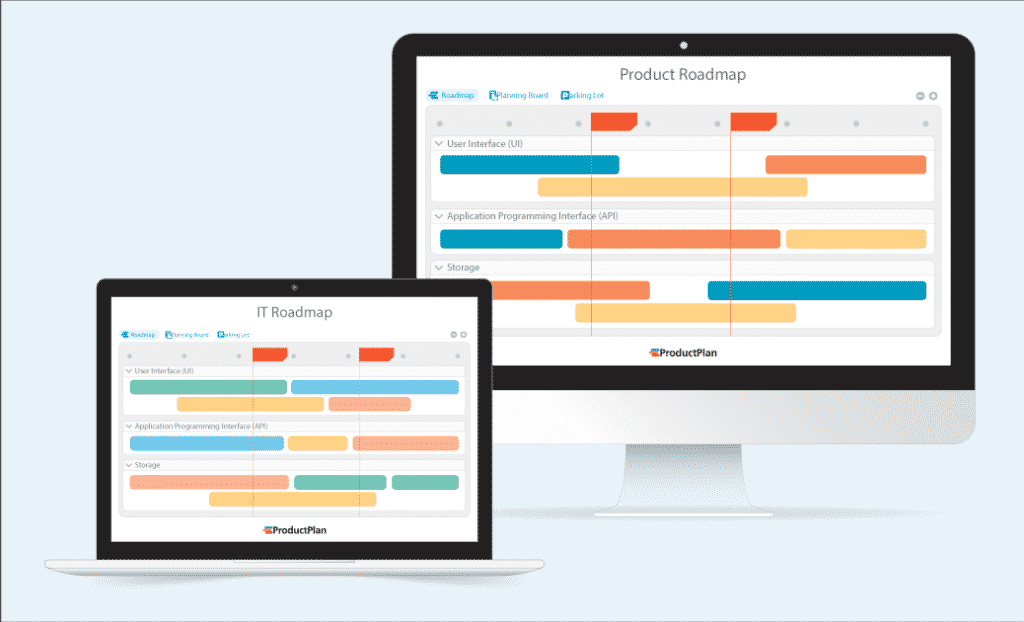
As technology ecosystems become more interconnected, with companies building on and integrating with multiple platforms, the concept of a single product roadmap will broaden. We will see a greater emphasis on platform roadmaps that detail the evolution of underlying services and APIs, enabling third-party developers and partners. Furthermore, ecosystem roadmaps will emerge, outlining how multiple products, services, and partnerships within a broader ecosystem will evolve synergistically to deliver comprehensive solutions. This holistic view will be crucial for companies operating in complex digital environments, ensuring interoperability, scalability, and a unified customer experience across diverse offerings.
In conclusion, the roadmap in technology is much more than a project schedule; it is a strategic narrative, a collaborative tool, and a living guide. It navigates the complexities of innovation, aligns diverse teams, and adapts to the ever-changing digital frontier. By embracing its strategic intent, committing to continuous iteration, and leveraging emerging tools, tech organizations can harness the power of the roadmap to drive meaningful progress and secure their place in the future.
aViewFromTheCave is a participant in the Amazon Services LLC Associates Program, an affiliate advertising program designed to provide a means for sites to earn advertising fees by advertising and linking to Amazon.com. Amazon, the Amazon logo, AmazonSupply, and the AmazonSupply logo are trademarks of Amazon.com, Inc. or its affiliates. As an Amazon Associate we earn affiliate commissions from qualifying purchases.