
In an increasingly digitized and high-stress world, individuals are constantly seeking innovative solutions to enhance their well-being, improve sleep quality, and manage anxiety. While many focus on digital apps, smart wearables, or advanced biofeedback devices, one seemingly simple yet profoundly effective “wellness gadget” has garnered significant attention: the weighted blanket. Far from being a mere comfort item, the weighted blanket is a precisely engineered therapeutic tool, designed to harness the power of deep pressure stimulation (DPS) to deliver a multitude of physiological and psychological benefits. Understanding its purpose requires a dive into its mechanics, design principles, and its role as a non-pharmacological intervention in modern wellness.

At its core, the purpose of a weighted blanket is to provide a consistent, evenly distributed pressure across the body, mimicking the sensation of a gentle hug or swaddle. This deliberate application of pressure is not arbitrary; it’s a calculated design choice that triggers specific biological responses intended to soothe the nervous system, reduce stress, and promote a state of calm. In this article, we will explore the intricate workings and profound benefits of this fascinating piece of wellness technology, dissecting its functional purpose, the engineering behind its efficacy, and its place in a holistic approach to mental and physical health.
The Core Mechanism: Deep Pressure Stimulation (DPS)
The primary purpose of a weighted blanket is rooted in its ability to deliver Deep Pressure Stimulation (DPS). This isn’t a new concept; it has been utilized therapeutically for decades, particularly in occupational therapy settings. However, its application in an accessible home product has revolutionized personal wellness. Understanding DPS is key to grasping the weighted blanket’s fundamental utility.
Mimicking a Gentle Embrace: How DPS Works
Deep Pressure Stimulation involves applying firm but gentle pressure to the body. Imagine the comforting feeling of being held, hugged, or swaddled. A weighted blanket meticulously replicates this sensation across a larger surface area. The “tech” here lies in the consistent distribution of weight, typically achieved through pockets filled with various materials like glass beads, plastic pellets, or sand. This even distribution ensures that the pressure is perceived as grounding and secure, rather than restrictive or claustrophobic.
When the body receives this consistent pressure, it triggers a cascade of neurochemical responses. The blanket acts as a constant, non-threatening stimulus, signaling safety and comfort to the brain. This engagement with the somatosensory system helps to override less desirable sensations, such as restlessness or heightened anxiety, by providing a strong, positive input. It’s a form of bio-hacking for relaxation, using a physical input to elicit a desired neurological output.
Physiological Responses: Calming the Nervous System
The most significant physiological purpose of DPS, as delivered by a weighted blanket, is its profound calming effect on the autonomic nervous system. Specifically, it helps to shift the body from a state of sympathetic nervous system dominance (the “fight or flight” response) to parasympathetic nervous system dominance (the “rest and digest” response).
This shift is mediated by several key neurochemicals. The pressure is believed to stimulate the production of serotonin, a neurotransmitter crucial for mood regulation and feelings of well-being. Serotonin is also a precursor to melatonin, the hormone responsible for regulating sleep-wake cycles. By boosting serotonin, weighted blankets indirectly aid in natural melatonin production, promoting sleep readiness. Furthermore, DPS has been shown to reduce levels of cortisol, the body’s primary stress hormone, leading to a decrease in overall anxiety and tension. The gentle pressure also increases the release of oxytocin, often called the “love hormone,” which fosters feelings of attachment, trust, and calmness. These combined neurochemical changes underpin the weighted blanket’s efficacy as a powerful, non-invasive tool for stress reduction and improved sleep.
Design and Engineering for Optimal Impact
The effectiveness of a weighted blanket is not just about having weight; it’s about intelligent design and precise engineering. Like any well-designed gadget, its internal components and external structure are meticulously crafted to fulfill its intended purpose effectively and safely.
Material Science and Weight Distribution
The engineering behind a weighted blanket focuses heavily on material science and the mechanics of weight distribution. The primary challenge is to create a product that is heavy enough to be therapeutic but also comfortable, breathable, and safe. The choice of filler material is critical. Options range from micro glass beads, which offer a fine, sand-like distribution and a sleek profile, to plastic poly-pellets, which are more common but can sometimes feel bulkier. Advanced designs might even incorporate natural fillers like rice or beans, though these come with their own considerations regarding washability and longevity.
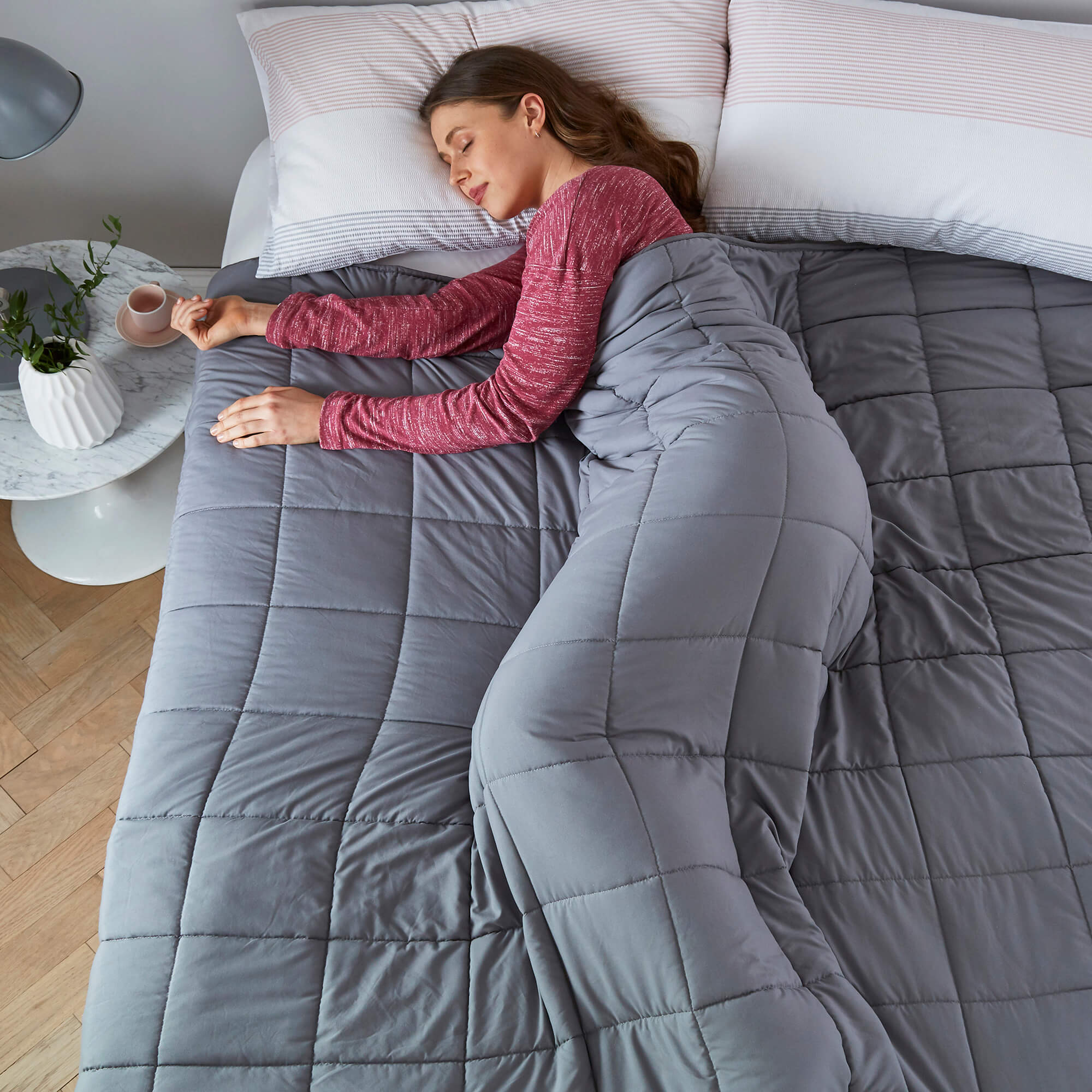
The blanket’s internal structure is equally important. Most high-quality weighted blankets feature a quilted or compartmentalized design. This stitching prevents the weighted filler from clumping in one area, ensuring that the pressure remains evenly distributed across the user’s body. Without this sophisticated internal engineering, the blanket would be an inconsistent, ineffective, and potentially uncomfortable tool. This methodical compartmentalization is a key design feature that elevates a simple heavy blanket to a purposeful therapeutic device.
The Role of Fillers: From Glass Beads to Poly-Pellets
The type of filler material directly impacts the user experience and the blanket’s overall performance as a therapeutic gadget.
- Glass beads: These are tiny, smooth, sand-like beads. Their primary advantage is their density, allowing for a heavier blanket with a thinner profile. They also distribute weight very evenly, creating a consistent deep pressure sensation. This makes them a premium choice for those seeking a less bulky feel.
- Plastic Poly-pellets: These are small, rounded plastic pellets. They are a more cost-effective option and are generally safe and durable. However, they are less dense than glass beads, meaning a blanket of equivalent weight will be thicker. Some users might find their texture slightly less uniform.
- Other innovations: Some manufacturers experiment with natural alternatives or even combinations of fillers to achieve specific weights, textures, and thermal properties. The engineering challenge is always to balance weight, comfort, noise (some fillers can rustle), and breathability, ensuring the “tech” delivers on its therapeutic promise without compromising user comfort.
Smart Design for Breathability and Comfort
A common misconception about weighted blankets is that they are inherently hot. However, intelligent design addresses this directly. Many manufacturers employ smart material choices and structural innovations to ensure breathability. Outer fabrics often include bamboo, cotton, or specialized cooling blends that wick away moisture and allow for airflow. Some designs incorporate channels or specific weaving patterns to further enhance ventilation.
The goal is to create a therapeutic device that can be used year-round, without causing overheating or discomfort. This involves careful consideration of the fabric layers, the density of the quilting, and the interaction between the filler and the outer shell. The purpose of these design choices is to maximize the therapeutic benefits of deep pressure while minimizing any potential drawbacks, such as excessive heat, ensuring a truly comfortable and sustainable user experience.
Beyond Comfort: Targeted Therapeutic Applications
While the calming comfort of a weighted blanket is universally appreciated, its purpose extends into specific therapeutic applications, making it a valuable non-pharmacological tool in managing various conditions. Its role as a “wellness tech” solution is increasingly recognized by health professionals.
Addressing Anxiety and Stress: A Calming Companion
Perhaps the most widely recognized therapeutic purpose of a weighted blanket is its effectiveness in alleviating symptoms of anxiety and stress. For individuals experiencing generalized anxiety disorder, panic attacks, or even everyday stress, the deep pressure provides a grounding sensation that can interrupt anxious thought patterns. The blanket acts as a physical anchor, helping to tether the mind to the present moment and reduce feelings of being overwhelmed.
By promoting the shift to the parasympathetic nervous system and increasing serotonin and oxytocin levels, the blanket creates an internal environment conducive to relaxation. Many users describe it as feeling like a continuous, comforting hug, providing a sense of security that can be particularly beneficial during periods of heightened emotional distress. It’s a passive yet powerful intervention that empowers users to self-regulate their stress responses, serving as an accessible piece of personal wellness tech for managing mental load.
Enhancing Sleep Quality: Reaching Deeper Rest States
Another significant purpose of weighted blankets is their ability to enhance sleep quality. Sleep disturbances, whether difficulty falling asleep, frequent waking, or restless sleep, are common issues. By inducing a state of calm and reducing physiological arousal, weighted blankets prepare the body for sleep. The increased production of serotonin, which converts to melatonin, naturally signals to the body that it’s time to rest.
Users often report falling asleep faster, experiencing fewer awakenings throughout the night, and achieving deeper, more restorative sleep cycles. For those who toss and turn due to restlessness, the gentle weight can help to keep them still, contributing to an uninterrupted sleep experience. In essence, the weighted blanket acts as a sleep-optimization gadget, providing a non-pharmacological pathway to improved nocturnal rest, a critical component of overall health.
Supporting Neurodevelopmental Conditions: Sensory Integration Aid
Weighted blankets have a long-standing history in occupational therapy, particularly for individuals with neurodevelopmental conditions such as Autism Spectrum Disorder (ASD), Attention-Deficit/Hyperactivity Disorder (ADHD), and Sensory Processing Disorder (SPD). For these individuals, sensory input can be either overwhelming or under-stimulating. The consistent, firm pressure from a weighted blanket provides a clear, organizing sensory input that helps to regulate their nervous systems.
For children and adults with ASD or SPD, the blanket can offer a sense of boundaries and body awareness, which may be challenging otherwise. It can reduce sensory overload and help them feel more grounded and secure. For those with ADHD, it can improve focus and reduce hyperactivity by providing a calming influence. In this context, the weighted blanket serves as a vital sensory integration tool, designed to help individuals better process and respond to their environment, showcasing its sophisticated therapeutic “tech” application.
Integrating Weighted Blankets into a Modern Wellness Regimen
As a sophisticated piece of wellness tech, the weighted blanket is more than just a purchase; it’s an investment in a specific approach to self-care. Integrating it effectively into one’s daily routine requires understanding how to select and use this therapeutic gadget for maximum benefit.
Choosing the Right “Tech”: Weight, Size, and Material Considerations
Selecting the appropriate weighted blanket is crucial for optimizing its purpose and effectiveness. The general guideline suggests choosing a blanket that is approximately 10% of your body weight. However, this is a starting point, and personal preference plays a significant role. Too light, and the pressure won’t be therapeutic; too heavy, and it might feel restrictive or uncomfortable. Users should also consider their individual sensory preferences and any underlying health conditions.
Size is another critical factor. While some prefer a blanket that covers their entire body, others might opt for a smaller, lap-sized version for targeted use during work or relaxation. The material of the blanket’s shell (cotton, bamboo, minky fabric) affects breathability, temperature, and overall tactile experience, impacting comfort and usability. Making an informed choice, akin to selecting the right tech gadget, ensures that the blanket aligns with individual needs and maximizes its intended therapeutic impact.
User Experience and Best Practices
Like any new wellness tool, there’s an adjustment period and best practices for using a weighted blanket. It’s often recommended to start with shorter durations of use, gradually increasing as the body adapts to the deep pressure. While many use it specifically for sleep, it can also be effectively employed during periods of relaxation, meditation, reading, or even while watching television, acting as an immediate stress-reduction device.
Maintenance is also part of the user experience. Understanding how to properly clean and care for the blanket (many have removable, washable covers) ensures its longevity and hygiene, preserving its therapeutic properties over time. Treating it not just as a blanket but as a specialized piece of personal wellness tech—understanding its functions, optimal use cases, and care requirements—unlocks its full potential as an integral part of a modern self-care routine.

Conclusion
The weighted blanket, in its essence, is a remarkably effective, non-electronic therapeutic gadget whose primary purpose is to leverage deep pressure stimulation to calm the nervous system, reduce anxiety, and improve sleep quality. Its design is a testament to the power of thoughtful engineering and material science, meticulously crafted to provide evenly distributed pressure that mimics a comforting embrace. Far from a passing fad, this piece of wellness technology has solidified its place as a valuable tool for individuals seeking natural, accessible solutions for stress management, sleep enhancement, and sensory regulation. By understanding its core mechanisms, deliberate design, and diverse applications, we can fully appreciate the profound purpose weighted blankets serve in fostering greater well-being in our complex, modern lives.
aViewFromTheCave is a participant in the Amazon Services LLC Associates Program, an affiliate advertising program designed to provide a means for sites to earn advertising fees by advertising and linking to Amazon.com. Amazon, the Amazon logo, AmazonSupply, and the AmazonSupply logo are trademarks of Amazon.com, Inc. or its affiliates. As an Amazon Associate we earn affiliate commissions from qualifying purchases.