
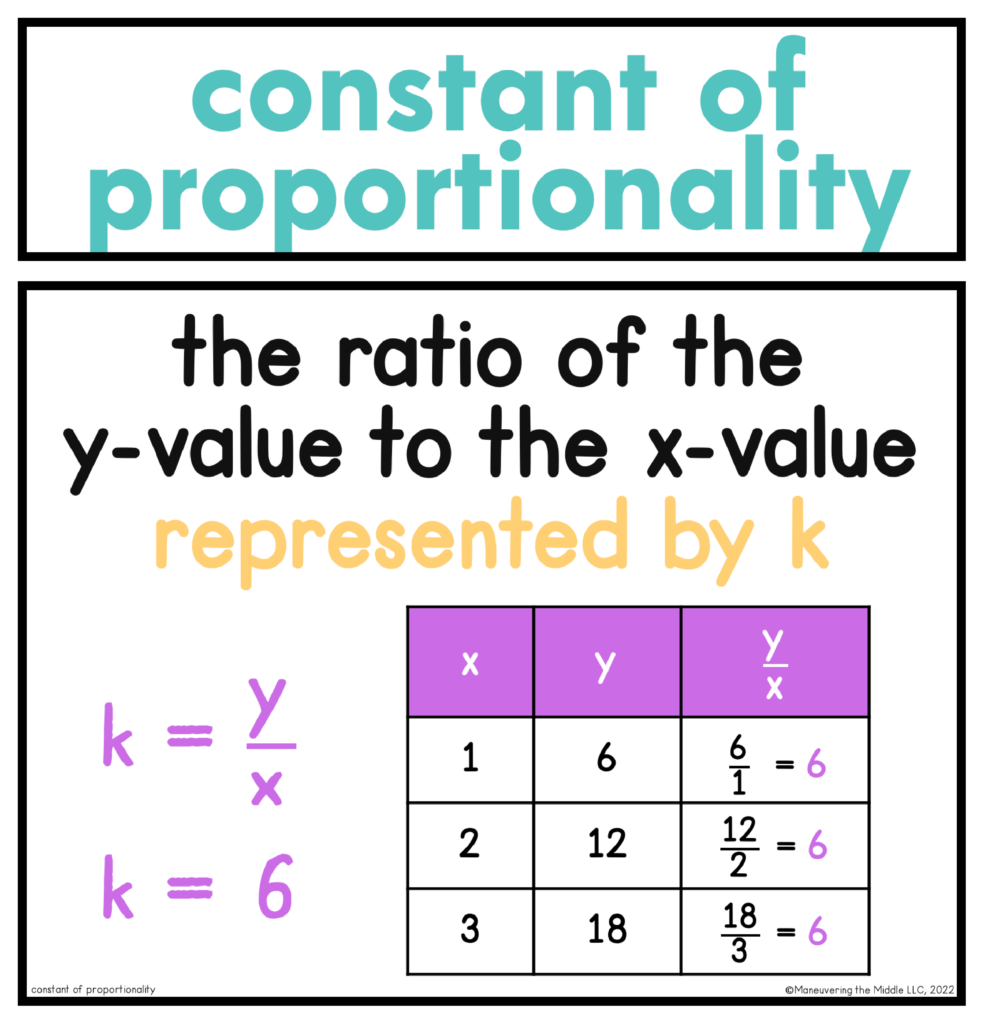
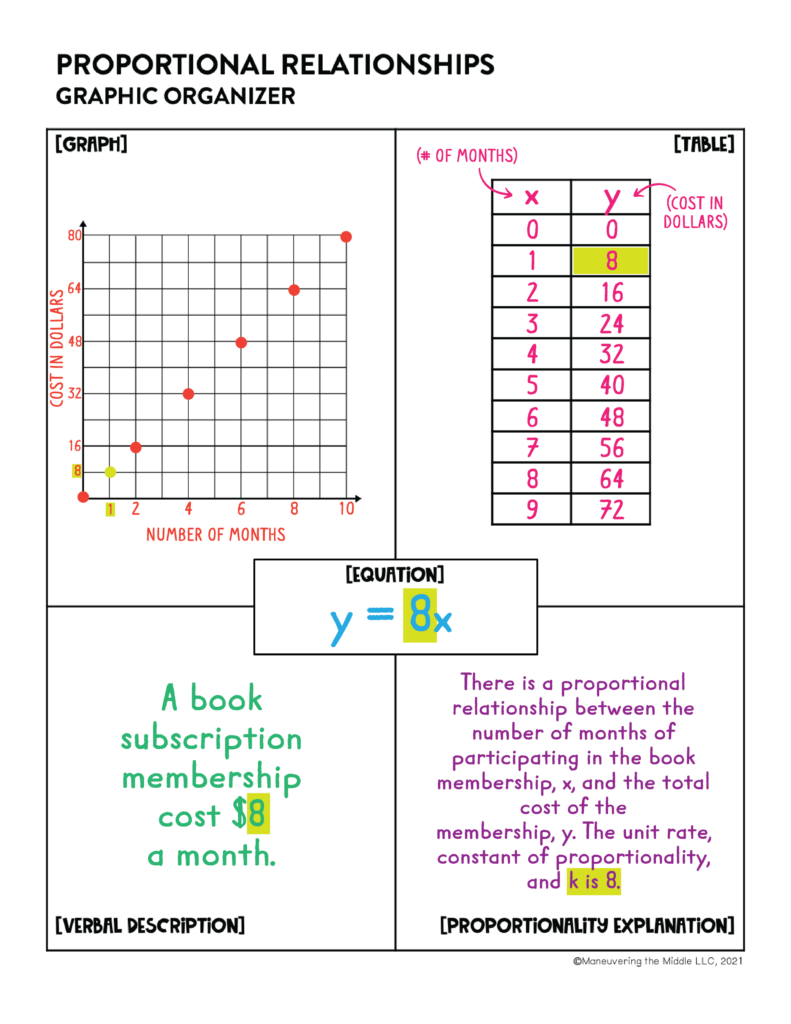
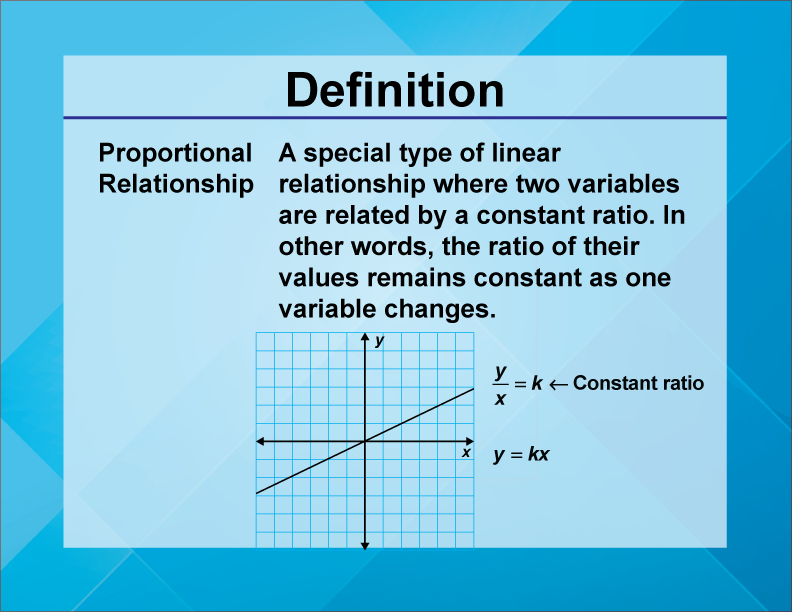
In the realm of mathematics, a proportional relationship is a simple statement of equality between two ratios. However, when translated into the world of money, finance, and wealth management, this concept becomes the bedrock of strategic decision-making. Whether you are an individual investor looking to balance a portfolio, a business owner scaling operations, or a taxpayer navigating fiscal policy, understanding how variables move in tandem is essential.
A proportional relationship in finance suggests that as one value increases or decreases, another changes at a constant rate. This predictability allows for forecasting, risk assessment, and the optimization of capital. To master your finances, you must look past the raw numbers and understand the ratios that define your economic health.
Understanding Proportionality in Personal Finance
At its core, personal finance is less about the total amount of money you earn and more about the proportional relationship between your income, your expenses, and your savings. A person earning $200,000 a year who spends $190,000 is often in a more precarious position than someone earning $60,000 who spends $40,000. The difference lies in the proportional margins of their lifestyle.
The Fixed Percentage Rule for Budgeting
One of the most effective ways to apply proportional relationships to your daily life is through the 50/30/20 rule. This framework dictates that 50% of your income should go to “needs,” 30% to “wants,” and 20% to savings or debt repayment. By maintaining this constant ratio, your lifestyle scales naturally with your career progression.
When your income increases, the proportional relationship remains the same, ensuring that your savings grow in direct correlation with your earnings. This prevents “lifestyle inflation,” a common financial trap where expenses rise faster than income, destroying the proportional balance required for long-term wealth.
Debt-to-Income Ratios: A Proportional Health Check
Lenders and financial institutions rely heavily on proportional relationships to assess creditworthiness. The Debt-to-Income (DTI) ratio is perhaps the most critical metric. It compares your total monthly debt payments to your gross monthly income.
A healthy proportional relationship here is generally considered to be 36% or less. If the debt portion of the ratio grows disproportionately to the income portion, it signals financial distress. Understanding this relationship helps individuals realize that taking on a loan isn’t just about whether they can “afford the payment,” but whether the new debt maintains a sustainable proportion of their total financial picture.
Proportional Relationships in Investment Theory
Investing is essentially the study of the relationship between capital, time, and risk. Professional investors do not look at assets in isolation; they look at how assets move in relation to one another and to the market at large.
Risk vs. Reward: The Linear Connection
In the efficient market hypothesis, there is a direct proportional relationship between risk and potential return. To achieve a higher rate of return, an investor must generally accept a higher level of risk. This is a linear correlation: as you move up the “risk curve” from government bonds to blue-chip stocks, and finally to venture capital or cryptocurrency, the potential for profit increases—but so does the probability of loss.
Understanding this proportional relationship prevents investors from falling for “too good to be true” schemes. If an investment offers a return that is disproportionately high compared to its perceived risk, it is usually an indicator of hidden volatility or fraud. Successful investing requires finding the “sweet spot” on this proportional line that matches your personal risk tolerance and time horizon.
Diversification and Asset Allocation
Asset allocation is the practice of maintaining a specific proportional relationship between different types of investments—such as stocks, bonds, and real estate. A classic example is the 60/40 portfolio (60% equities, 40% fixed income).
The power of this relationship is most visible during “rebalancing.” If the stock market performs exceptionally well, your portfolio might shift to a 70/30 split. To maintain the original proportional relationship, you must sell some of your winning stocks and buy more bonds. This disciplined approach forces investors to “buy low and sell high,” utilizing the logic of proportionality to safeguard their gains and mitigate exposure during market downturns.
Corporate Finance: Scaling through Proportional Metrics
For a business, the ability to scale is entirely dependent on managing proportional relationships between revenue, COGS (Cost of Goods Sold), and operating expenses. A business that grows its revenue by 20% but sees its expenses grow by 25% is experiencing a “diseconomy of scale”—the proportional relationship is working against the company’s survival.
Operating Leverage and Revenue Growth
Operating leverage measures how a change in revenue translates into a change in operating income. If a company has high fixed costs and low variable costs, a small proportional increase in sales can lead to a massive, disproportionate increase in profits.
For software companies, for example, the cost of producing one additional unit of software is nearly zero. Therefore, as revenue grows, the proportional relationship between income and expenses shifts dramatically in favor of the bottom line. Understanding these “non-proportional” breakthroughs is how investors identify high-growth “unicorn” companies that can scale efficiently.
Margin Analysis and Cost Structures
Profit margins are, by definition, proportional relationships. The “Gross Margin” is the ratio of gross profit to net sales. If a business maintains a consistent 40% gross margin, it means that for every dollar earned, 40 cents is kept to cover operating expenses and profit.
When a company’s margins begin to shrink, it indicates that the proportional relationship between pricing and production costs is breaking down. This could be due to inflation, supply chain inefficiencies, or increased competition. Financial analysts scrutinize these ratios because they reveal the internal health of a company more accurately than total revenue figures ever could.
The Macro Perspective: Proportional Taxation and Economic Policy
On a broader scale, governments use the concept of proportionality to design fiscal policies that influence behavior and fund public services. This is where the mathematical concept of a “proportional relationship” meets social and economic philosophy.
Flat Tax Systems vs. Progressive Models
A “proportional tax,” commonly known as a flat tax, is a system where the tax rate is fixed. Regardless of whether a person earns $20,000 or $2,000,000, they pay the same percentage (e.g., 15%). In this scenario, the relationship between income and tax liability is perfectly linear.
Proponents of proportional taxation argue that it is the fairest method because it treats every dollar equally and encourages investment. Opponents argue that while the percentage is the same, the marginal utility of that money is different; a 15% tax hit is much more painful for a low-income family than for a billionaire. This debate highlights how the application of a proportional relationship can have vastly different real-world consequences depending on the context.
Inflation and Purchasing Power
Inflation represents a shift in the proportional relationship between currency and goods. If the money supply increases disproportionately to the output of goods and services, the value of each individual unit of currency drops.
For the average consumer, this means that their income must grow at a rate proportional to inflation just to maintain their standard of living. If inflation is 5% and your salary increases by only 3%, the proportional relationship between your earnings and your purchasing power has been severed, resulting in a functional pay cut. Wealth preservation, therefore, is the art of ensuring your assets grow at a rate that is at least proportional to the devaluation of the currency.
Conclusion: The Strategic Value of Ratios
What is the proportional relationship? In the world of money, it is the invisible thread that connects every financial decision. It is the ratio of what you keep versus what you spend; the balance of the risk you take versus the reward you seek; and the efficiency of a company’s growth versus its costs.
By shifting your focus from absolute numbers to proportional relationships, you gain a deeper level of financial literacy. You begin to see that a $1,000 gain on a $10,000 investment is the same proportional success as a $100,000 gain on a $1,000,000 investment. This perspective allows for scalability, discipline, and a more analytical approach to wealth creation. Whether you are managing a household budget or a corporate balance sheet, the secret to financial mastery lies in maintaining the right proportions.
aViewFromTheCave is a participant in the Amazon Services LLC Associates Program, an affiliate advertising program designed to provide a means for sites to earn advertising fees by advertising and linking to Amazon.com. Amazon, the Amazon logo, AmazonSupply, and the AmazonSupply logo are trademarks of Amazon.com, Inc. or its affiliates. As an Amazon Associate we earn affiliate commissions from qualifying purchases.