
The Progressive Era, roughly spanning from the 1890s to the 1920s, represents a pivotal period in American history, characterized by widespread social activism and political reform aimed at addressing the profound economic and social problems wrought by rapid industrialization and unchecked capitalism. Far from being a mere historical footnote, the reforms enacted during this era laid the foundational economic and financial structures that continue to shape business, investment, and personal finance today. To understand the Progressive Era is to grasp a fundamental shift in the relationship between government, business, and the individual—a recalibration driven by an acute awareness of market failures and the pursuit of economic justice.
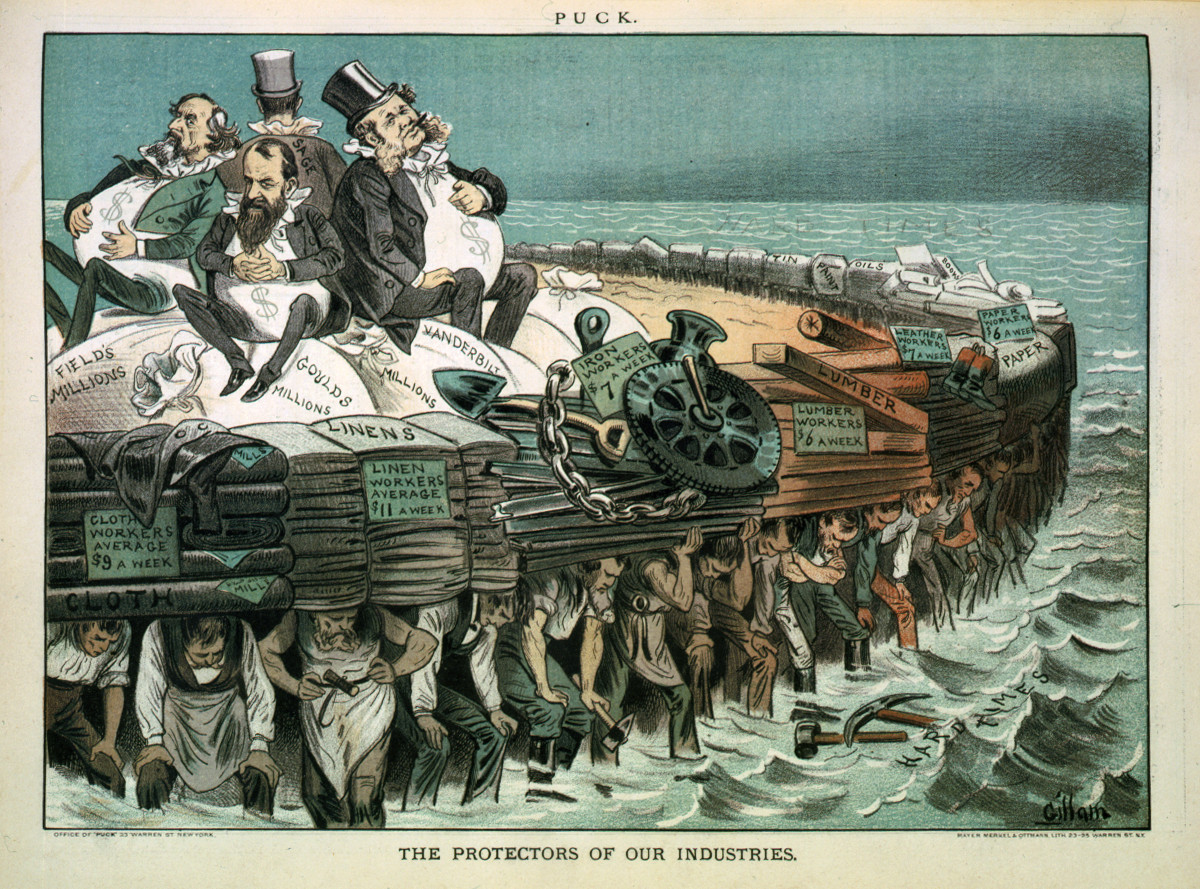
At its core, Progressivism sought to mitigate the harsh realities of an industrializing nation: vast wealth inequality, dangerous working conditions, corrupt political machines, and the monopolistic power of giant corporations. This was not merely a humanitarian impulse; it was a pragmatic response to the perceived instability and injustice of an unfettered market, aiming to create a more equitable, efficient, and stable economic system.
The Economic Landscape Paving the Way for Progressivism
The late 19th century, often dubbed the Gilded Age, was a period of unprecedented economic growth, but it was also marked by severe disparities and systemic vulnerabilities. The economic conditions of this era were the primary catalysts for the Progressive movement, revealing deep-seated flaws in the existing financial and market structures.
Unfettered Capitalism and its Discontents
The era saw the rise of industrial titans and their sprawling empires—Standard Oil, U.S. Steel, American Tobacco, and others. These “trusts” and monopolies, through aggressive mergers and ruthless business practices, consolidated immense economic power, effectively controlling entire industries. While proponents argued these structures fostered efficiency, critics pointed to their stifling effect on competition, their ability to dictate prices, exploit consumers, and manipulate markets. Small businesses struggled to compete, and consumers often paid higher prices for inferior goods due to a lack of viable alternatives. The concentration of wealth among a few industrial magnates led to glaring wealth inequality, fueling resentment and calls for intervention. This extreme market power became a central target for Progressive reformers, who sought to restore a more level playing field and prevent the accumulation of economic might that could override democratic principles.
Labor Woes and the Quest for Economic Justice
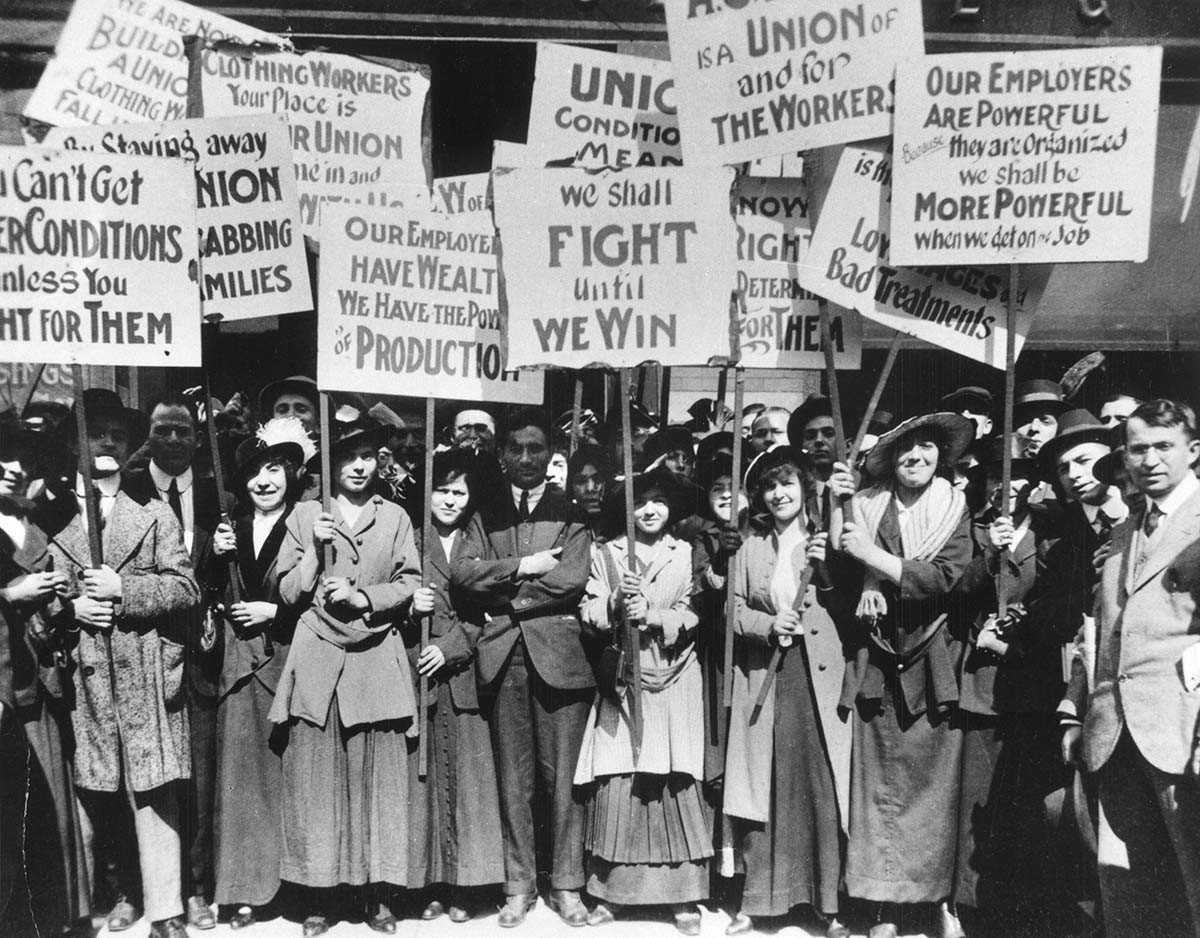
The human cost of rapid industrialization was often borne by the working class. Factories and mines were perilous, with little regard for safety or employee well-being. Wages were meager, hours were long, and child labor was rampant. Workers, lacking collective bargaining power, found themselves at the mercy of their employers, with few legal protections or recourse against exploitation. Financial insecurity was the norm for the majority of the population, with one industrial accident or economic downturn capable of plunging families into destitution. The stark contrast between the lavish lifestyles of the wealthy industrialists and the poverty of the working masses highlighted a profound lack of economic justice, propelling labor movements and social reformers to demand fundamental changes in employment law, wages, and working conditions. The pursuit of a living wage and a safer work environment became a critical aspect of the Progressive economic agenda, directly impacting personal finance and individual economic stability.
Financial Instability and Banking Crises
The financial system of the late 19th and early 20th centuries was notoriously unstable. Characterized by a fragmented banking system with no central oversight, it was prone to frequent panics and depressions. The Panic of 1893 and, more acutely, the Panic of 1907 exposed critical weaknesses: a lack of currency elasticity, an inability to prevent bank runs, and the absence of a lender of last resort. These crises led to widespread business failures, rampant unemployment, and severe economic contractions, demonstrating that individual banks and market forces alone could not guarantee financial stability. The absence of a coordinated monetary policy meant that the nation’s economy was vulnerable to the whims of individual financial institutions and speculative bubbles, posing significant risks to business finance, investment, and the overall economic health of the nation. The need for a robust and centralized financial authority became an undeniable imperative for Progressives seeking to stabilize the economic environment.
Core Economic Reforms and Legislative Milestones
The Progressive Era was a period of intense legislative activity, resulting in landmark economic reforms that fundamentally reshaped the American financial and business landscape. These reforms were designed to address the systemic issues identified by reformers, creating a more regulated and equitable market.
Taming the Titans: Anti-Trust Legislation
A cornerstone of Progressive economic policy was the effort to curb the power of monopolies and trusts. Building upon the relatively weak Sherman Antitrust Act of 1890, presidents like Theodore Roosevelt (the “trust-buster”) and William Howard Taft aggressively pursued legal action against monopolistic corporations. The Clayton Antitrust Act of 1914 significantly strengthened anti-monopoly laws, prohibiting specific anti-competitive practices such as price discrimination, tying contracts, and interlocking directorates. It also exempted labor unions from antitrust prosecution, recognizing their right to organize and bargain collectively. The establishment of the Federal Trade Commission (FTC) in 1914 further empowered the government to investigate and prevent unfair business practices, marking a permanent shift towards governmental oversight of market competition. These acts aimed to restore market fairness, protect consumers, and ensure that smaller businesses had a chance to thrive, fundamentally altering the competitive landscape for corporate entities.
Reforming the Financial System: The Federal Reserve Act
Perhaps the most impactful financial reform of the Progressive Era was the creation of the Federal Reserve System in 1913. The recurring financial panics highlighted the urgent need for a central banking system to provide stability, regulate currency, and act as a lender of last resort to member banks. The Federal Reserve Act established a decentralized central bank with 12 regional Federal Reserve Banks, overseen by a Board of Governors. This system was designed to address issues of currency inelasticity, provide a stable financial infrastructure, and implement monetary policy to moderate economic fluctuations. The Fed’s creation was a monumental step towards rationalizing the nation’s financial system, mitigating banking crises, and safeguarding investments, offering a more predictable environment for both business finance and individual savings.
Funding the Future: The Income Tax and Wealth Redistribution
Prior to the Progressive Era, the federal government relied heavily on tariffs and excise taxes, which disproportionately affected lower and middle-income individuals. Progressive reformers argued for a more equitable taxation system, one that could fund government services and address wealth inequality. This led to the ratification of the 16th Amendment in 1913, authorizing Congress to levy a federal income tax. Initially, the income tax applied only to a small percentage of high-income earners, but it marked a profound shift in how the government funded itself and its growing role in society. The income tax became a powerful tool for generating revenue, enabling the government to invest in infrastructure, social programs, and regulatory bodies, while also serving as a mechanism for progressive wealth redistribution. It fundamentally changed the landscape of personal finance and government revenue generation.
Protecting Consumers and Workers
Beyond market structure and financial systems, Progressives also championed legislation aimed directly at protecting consumers and workers from the most egregious abuses of industrial capitalism. The Pure Food and Drug Act and the Meat Inspection Act, both passed in 1906, were direct responses to public outrage over unsanitary conditions and fraudulent practices in the food and pharmaceutical industries. These acts established federal oversight to ensure product safety and honesty in labeling, protecting consumers’ health and financial well-being from dangerous or deceptive goods. Furthermore, states began to enact workmen’s compensation laws, providing financial aid to workers injured on the job, shifting the burden from the individual to the employer. Laws limiting working hours, setting minimum wages, and restricting child labor also emerged, profoundly impacting labor costs, worker compensation, and the overall economic security of families.
Impact on Business and Investment Environments
The reforms of the Progressive Era fundamentally altered the operational framework for businesses and the broader investment climate, ushering in an era of greater transparency, accountability, and regulation.
Shifting Corporate Governance and Accountability
The Progressive Era introduced a new paradigm for corporate governance. No longer could corporations operate with near-absolute autonomy; they now faced federal scrutiny, regulations, and the potential for legal action if their practices were deemed anti-competitive or harmful to the public. This increased accountability led to greater transparency, better record-keeping, and a more cautious approach to market dominance. Investors began to factor regulatory risk into their decisions, and corporations started to adapt their strategies to comply with new legal frameworks. The era laid the groundwork for modern corporate responsibility, albeit in its nascent form, and began the long process of balancing corporate freedom with public welfare.
Shaping Market Competition and Innovation
Anti-trust legislation significantly reshaped market competition. By breaking up monopolies and preventing predatory practices, the government aimed to foster a more competitive environment, encouraging innovation and efficiency among a broader array of businesses. While some argued that breaking up large corporations could reduce economies of scale, the prevailing view was that competition would ultimately benefit consumers through lower prices and higher quality products. For investors, this meant a shift from investing in monopolistic behemoths to considering a more diverse portfolio of companies operating in a more level competitive landscape. It also encouraged entrepreneurs to enter markets that were previously closed off by the dominance of trusts.
The Birth of Modern Financial Regulation
The Federal Reserve’s creation was a foundational step in establishing modern financial regulation. It brought an unprecedented level of stability and order to the banking sector, reducing the frequency and severity of financial panics. For investors, this meant a more secure environment for depositing funds and a more reliable credit system for businesses to access capital. While the Fed’s powers were initially limited, its establishment marked the beginning of active governmental management of the money supply and credit conditions, which has profoundly impacted interest rates, inflation, and investment decisions ever since. The era’s consumer protection laws also laid the groundwork for future regulatory bodies that would oversee everything from securities to insurance, ensuring greater transparency and protection for financial transactions.
Lasting Legacies and Economic Implications Today
The economic reforms of the Progressive Era cast a long shadow, profoundly influencing how modern economies function and how governments interact with markets. Its principles continue to resonate in contemporary debates about economic fairness, regulation, and the role of government.
The Enduring Role of Government in Economic Oversight
Perhaps the most significant legacy of the Progressive Era is the institutionalization of government’s role as a permanent arbiter and regulator of the economy. Before this period, the philosophy of laissez-faire largely dominated, with minimal government intervention. The Progressives demonstrated that an unregulated market could lead to instability, inequality, and exploitation, necessitating governmental oversight to protect public interest. Today’s vast regulatory apparatus, from the FTC and the SEC (Securities and Exchange Commission, created later but inspired by Progressive principles) to environmental protection agencies, owes its conceptual origins to the Progressive insistence on government as a necessary force for economic balance and social good. This perspective continues to shape policy decisions regarding market failures, consumer protection, and business conduct.
Foundations of Social Safety Nets and Worker Protections
While not fully implemented until later eras (like the New Deal), the Progressive Era laid crucial groundwork for social safety nets and robust worker protections. The recognition of worker rights, the establishment of compensation for workplace injuries, and the efforts to regulate hours and wages were early steps towards a more comprehensive system of labor laws and social insurance. These reforms fundamentally altered the balance of power between labor and capital, leading to the growth of organized labor and eventually the establishment of minimum wage laws, unemployment insurance, and social security. These programs directly impact personal finance, providing crucial economic stability for millions and buffering the effects of market downturns.

Lessons in Balancing Capitalism with Public Interest
The Progressive Era offers enduring lessons in the complex challenge of balancing the dynamism and wealth-generating capacity of capitalism with the imperative of public interest and social equity. It demonstrated that while free markets are powerful engines of growth, they require intelligent regulation to prevent abuses, ensure fair competition, and distribute benefits more broadly. The debates initiated during this time—about monopolies, wealth distribution, financial stability, and consumer rights—are still remarkably relevant today, resurfacing in discussions about tech giants, financial crises, climate change, and global inequality. The Progressive Era’s economic legacy is a constant reminder that prosperity must be pursued not just efficiently, but also equitably, with a recognition of the interconnectedness of business, finance, and the well-being of society as a whole.
aViewFromTheCave is a participant in the Amazon Services LLC Associates Program, an affiliate advertising program designed to provide a means for sites to earn advertising fees by advertising and linking to Amazon.com. Amazon, the Amazon logo, AmazonSupply, and the AmazonSupply logo are trademarks of Amazon.com, Inc. or its affiliates. As an Amazon Associate we earn affiliate commissions from qualifying purchases.