
The Perseid meteor shower, an annual celestial event that lights up the late summer sky, is a breathtaking display of cosmic dust burning up in Earth’s atmosphere. For millennia, humanity has gazed upon this spectacle with wonder, but in the modern era, our interaction with and understanding of phenomena like the Perseids have been profoundly transformed by technology. Far from merely being a passive observation, the Perseid meteor shower has become a canvas upon which technological innovation paints a richer, more accessible, and scientifically insightful experience. From predictive algorithms that pinpoint optimal viewing times to advanced imaging techniques that capture its ephemeral beauty, technology has woven itself into every facet of our celestial engagement, moving us from mere spectators to active participants in the cosmic ballet.
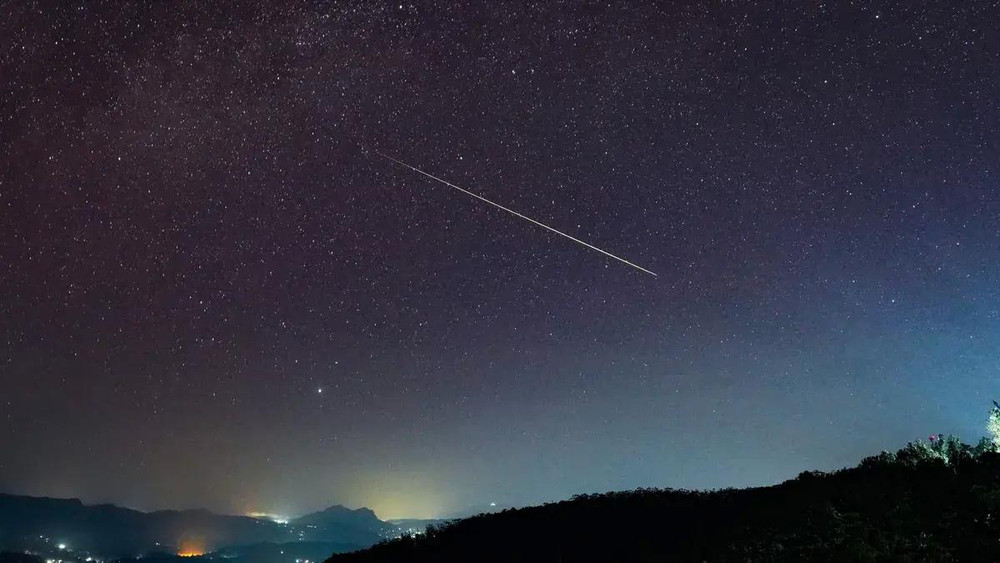
This exploration delves into how technology enhances our ability to observe, study, and share the Perseid meteor shower, placing this ancient wonder firmly within the realm of modern technological advancement.
Unveiling the Cosmos: Tech-Enabled Observation and Prediction
The age-old challenge of locating and predicting celestial events has been largely overcome by a confluence of advanced software and sophisticated hardware. For the Perseids, technology acts as both a guide and an enhancer, democratizing access to astronomical wonders.
Stargazing Apps and Predictive Algorithms
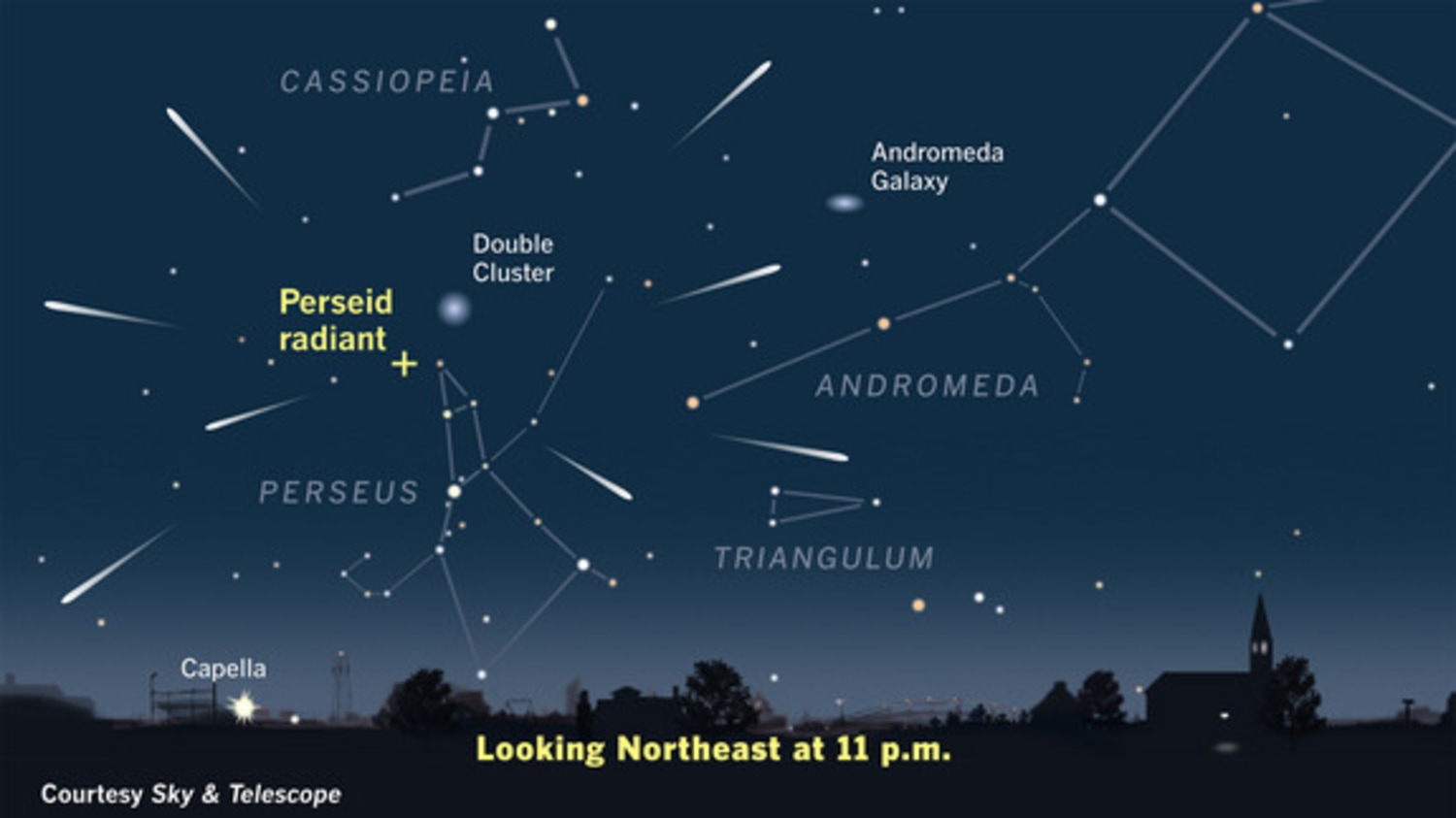
Before even stepping outside, modern enthusiasts can leverage powerful applications on their smartphones and tablets to plan their Perseid viewing experience. Apps like SkyView, Star Walk, and Stellarium Mobile use sophisticated predictive algorithms to process astronomical data, offering real-time, augmented reality views of the night sky. These tools can accurately pinpoint the radiant point of the Perseids (the constellation Perseus from which the meteors appear to originate), predict peak activity times, and even factor in local light pollution levels and moon phases to suggest optimal viewing windows. Beyond simple identification, many apps provide alerts and notifications, ensuring users don’t miss the shower’s most active periods, turning a historically unpredictable event into a well-anticipated spectacle. The algorithms driving these apps are constantly refined, incorporating data from professional observatories and space agencies, making them increasingly precise in their forecasts.
Advanced Optics and Astrophotography Gear
For those looking to go beyond the naked eye, a vast array of technological equipment transforms casual observation into a profound visual and photographic journey. Modern telescopes, from portable refractors to larger Dobsonian reflectors, often come equipped with “Go-To” mounts and computerized tracking systems. These systems, controlled via smartphone or dedicated handset, can automatically locate and track celestial objects, ensuring that even novice users can easily find the Perseid radiant or other points of interest. Binoculars, too, have seen technological advancements, offering wider fields of view and improved low-light performance ideal for meteor shower viewing.
Astrophotography, in particular, has been revolutionized by digital technology. DSLR and mirrorless cameras, with their high ISO capabilities and impressive dynamic range, allow photographers to capture faint meteors against a dark sky. Specialized wide-angle, fast lenses (e.g., f/2.8 or wider) gather maximum light. Techniques such as long-exposure photography (30 seconds or more), time-lapses (hundreds or thousands of individual frames stitched together), and image stacking software (combining multiple images to reduce noise and enhance faint details) transform raw captures into stunning visual narratives. Modern camera control apps further streamline the process, allowing remote triggering and interval shooting, freeing the photographer to simply enjoy the show.
Remote Observatories and Citizen Science Platforms
Beyond individual efforts, technology enables collective observation and scientific contribution. Networks of automated meteor cameras, often operated by amateur astronomers or educational institutions, continuously monitor the night sky. These systems, equipped with high-sensitivity cameras and motion detection software, automatically record meteor events. Data from these distributed “meteor observatories” is then collected and analyzed using specialized software, contributing to a broader understanding of meteoroid streams, orbital dynamics, and atmospheric entry physics.
Citizen science platforms leverage this distributed model, inviting the public to contribute their observations and data. Projects like the American Meteor Society (AMS) rely on thousands of visual reports and technical data submissions, which, when aggregated and processed by sophisticated software, provide invaluable insights into meteor shower activity. This technological framework transforms passive stargazers into active data contributors, blurring the lines between amateur enthusiasm and professional scientific research.
The Digital Frontier of Astronomical Education and Engagement
Technology doesn’t just help us see the Perseids; it helps us understand and share them, breaking down geographical and accessibility barriers to celestial education.
Virtual Reality and Augmented Reality Stargazing
The immersive capabilities of Virtual Reality (VR) and Augmented Reality (AR) are beginning to revolutionize how we interact with astronomical phenomena. VR applications can transport users to pristine, light-pollution-free environments, offering simulated meteor showers that are often more vivid and frequent than real-world conditions allow. These virtual experiences can be interactive, allowing users to explore constellations, learn about the origin of the Perseids (the comet Swift-Tuttle), and understand the mechanics of a meteor shower in a gamified, engaging manner.
AR apps, on the other hand, overlay digital information onto the real-world view through a smartphone or tablet camera. Imagine pointing your phone at the night sky during the Perseids, and seeing not only the real meteors but also digital annotations identifying constellations, outlining the Perseid radiant, and displaying real-time data about the shower’s intensity. This blend of the physical and digital enhances both the wonder and the educational value of the experience, making complex astronomical concepts intuitive and accessible.
Online Communities and Livestreaming Events
The internet has fostered vibrant global communities of astronomy enthusiasts. Dedicated forums, social media groups, and platforms like Reddit serve as hubs for sharing viewing tips, astrophotography techniques, and real-time reports during meteor showers. This communal aspect enhances the experience, allowing individuals to feel part of a larger, shared cosmic journey.
Perhaps most impactful are the livestreaming events hosted by observatories, professional astronomers, and passionate amateurs. Using high-sensitivity cameras connected to telescopes, these livestreams bring the Perseids directly to millions around the world, regardless of their location, weather conditions, or equipment. Channels on YouTube, Twitch, and educational platforms broadcast the shower in real-time, often accompanied by expert commentary explaining the science behind the event. This technology ensures that even those unable to physically observe the shower can still participate in the wonder, fostering a broader appreciation for astronomy and natural phenomena.

AI-Powered Data Analysis in Meteor Science
At the cutting edge of meteor research, Artificial Intelligence (AI) and Machine Learning (ML) are becoming indispensable tools. With the vast amounts of data generated by meteor camera networks, space-based sensors, and ground observations, human analysis alone would be overwhelming. AI algorithms can process this data rapidly and efficiently, identifying faint meteors, classifying their characteristics (e.g., speed, trajectory, brightness), and even distinguishing between natural meteors and space debris.
Furthermore, ML models are being trained to predict meteor shower intensity with greater accuracy by analyzing historical data and correlating it with comet orbital mechanics and solar activity. These AI-driven insights help scientists refine models of the solar system’s dust environment, assess potential impact risks from larger meteoroids, and deepen our understanding of the origins and evolution of comets. The Perseids, as a reliable and well-studied shower, provide an excellent testbed for these advanced analytical technologies.
Enhancing the Perseids Experience: Practical Tech for Enthusiasts
For the dedicated observer or astrophotographer, a suite of practical technologies exists to optimize the Perseids viewing experience, especially in challenging environments.
Power Solutions and Portable Charging
Observing meteor showers often requires venturing to remote, dark-sky locations far from conventional power sources. Here, portable power technology becomes critical. High-capacity power banks are essential for charging smartphones, tablets, and even DSLR/mirrorless camera batteries multiple times over an extended night. For serious astrophotographers running computerized telescope mounts, camera heaters (to prevent dew), and multiple devices, portable power stations or even small portable solar panels become indispensable, ensuring sustained operation through the night and into the early morning hours. This technological independence allows enthusiasts to truly immerse themselves without worrying about dwindling battery life.
Light Pollution Filters and Imaging Software
Light pollution is a pervasive challenge for stargazers worldwide. While choosing dark-sky sites is paramount, technology offers solutions to mitigate its effects. Specialized light pollution filters, designed to block specific wavelengths of light emitted by streetlights and urban glow (e.g., sodium and mercury vapor lamps), can be attached to camera lenses or telescopes. These filters help to increase the contrast between faint celestial objects and the sky background, making meteors more visible and photographs cleaner.
Post-processing imaging software (e.g., Adobe Photoshop, Lightroom, PixInsight) is equally crucial. Algorithms within these programs allow photographers to remove noise, correct color casts caused by light pollution, enhance faint details, and combine multiple exposures to create stunning composite images of the Perseids. This digital darkroom empowers astrophotographers to overcome environmental limitations and bring out the full beauty of their captures.
Communication Devices and Safety Apps
Venturing into remote areas for optimal viewing necessitates robust communication and safety measures. Satellite communicators (like Garmin inReach or Spot devices) provide a lifeline in areas without cellular service, enabling emergency calls and two-way messaging. For areas with some cellular coverage, smartphones equipped with GPS, compass, and pre-downloaded offline maps are vital for navigation. Safety apps that can call for emergency services, share location with trusted contacts, or provide first aid information add an extra layer of security, ensuring that the pursuit of celestial beauty does not compromise personal safety.
Future Innovations: The Next Generation of Meteor Shower Interaction
The trajectory of technological advancement suggests even more incredible ways we will interact with the Perseids and other cosmic events in the future.
Space-Based Meteor Observation and Debris Monitoring
Currently, most meteor observations are ground-based, subject to atmospheric interference. Future dedicated orbital platforms, equipped with advanced cameras and sensors, could offer unprecedented views of meteoroids before they enter Earth’s atmosphere, or even monitor showers from above the clouds. Such platforms could provide continuous, global coverage, free from light pollution and weather constraints. Moreover, the technology used to track space debris – much of which originates from comets and asteroids, similar to the Perseid parent body – could be repurposed or enhanced to provide early warning and detailed analysis of incoming meteoroid streams, distinguishing natural phenomena from human-made orbital hazards.
Hyperspectral Imaging and Material Analysis
Beyond simple visual observation, emerging technologies like hyperspectral imaging could allow for real-time analysis of a meteor’s chemical composition as it ablates in the atmosphere. By capturing and analyzing light across a vast spectrum of wavelengths, scientists could precisely determine the elemental makeup of Perseid meteoroids as they burn. This would provide direct data on the composition of Comet Swift-Tuttle, offering invaluable insights into the early solar system and the processes that formed these icy wanderers.
Predictive Modeling with Quantum Computing
While current predictive algorithms are sophisticated, quantum computing holds the promise of revolutionary leaps in forecasting. The immense computational power of quantum computers could process vast, complex astronomical datasets with unparalleled speed and accuracy. This could lead to hyper-accurate, long-range predictions of meteor shower intensities, identifying subtle gravitational influences, solar radiation pressure effects, and other factors that affect meteoroid streams with unprecedented precision. Such advancements would not only enhance our viewing experience but also significantly refine our understanding of meteoroid dynamics and their interaction with planetary environments.
In conclusion, the Perseid meteor shower, while an ancient and perennial wonder, is increasingly experienced and understood through a technological lens. From the planning stages with intuitive apps to the capture of stunning images with sophisticated cameras, and from the scientific analysis powered by AI to future possibilities enabled by quantum computing, technology has profoundly reshaped our engagement with this celestial spectacle. It has made the Perseids more accessible, more engaging, and more scientifically enriching, deepening our connection to the cosmos and inspiring future generations to look up and wonder.
aViewFromTheCave is a participant in the Amazon Services LLC Associates Program, an affiliate advertising program designed to provide a means for sites to earn advertising fees by advertising and linking to Amazon.com. Amazon, the Amazon logo, AmazonSupply, and the AmazonSupply logo are trademarks of Amazon.com, Inc. or its affiliates. As an Amazon Associate we earn affiliate commissions from qualifying purchases.