
The question “What is the mortgage rate today?” is one of the most frequently searched phrases in the world of personal finance. For prospective homebuyers, current homeowners considering a refinance, and real estate investors, the answer to this question is the primary variable that dictates the affordability of a property. However, the “daily rate” is rarely a single, static number. It is a moving target influenced by global macroeconomics, central bank policy, and the individual financial profile of the borrower.
Understanding today’s mortgage rates requires more than just looking at a ticker on a financial news website. It involves dissecting the underlying economic forces that drive interest rates and recognizing how those rates translate into monthly payments and long-term interest costs.
1. The Macroeconomic Engines Driving Today’s Rates
Mortgage rates do not exist in a vacuum. They are deeply tethered to the broader economy and the health of the financial markets. While many people believe the Federal Reserve sets mortgage rates directly, the reality is more nuanced.
The Role of the Federal Reserve and Inflation
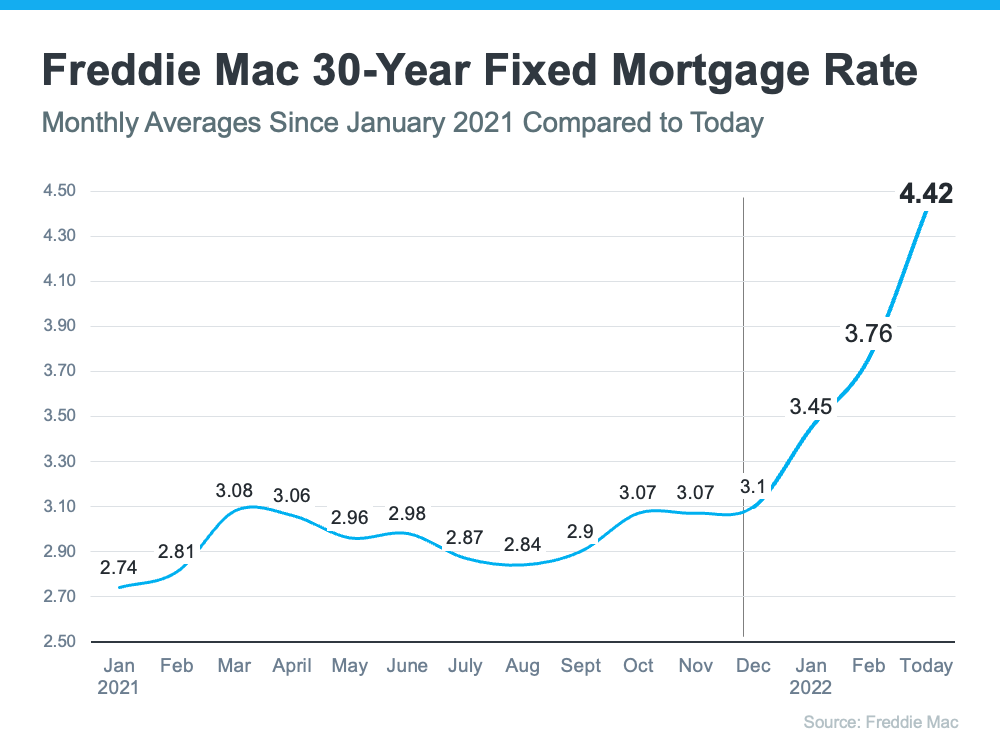
The Federal Reserve (the Fed) manages the federal funds rate, which is the interest rate banks charge each other for overnight loans. When inflation is high, the Fed typically raises this rate to cool the economy. While this is not the mortgage rate, it creates a ripple effect. When it becomes more expensive for banks to borrow money, that cost is passed down to consumers in the form of higher interest rates on credit cards, car loans, and mortgages. Inflation is the greatest enemy of low mortgage rates because it erodes the purchasing power of the fixed payments that lenders receive over time.
The 10-Year Treasury Yield Correlation
If you want to know where mortgage rates are headed today, look at the 10-year Treasury yield. Most 30-year fixed-rate mortgages are packaged into Mortgage-Backed Securities (MBS). Investors who buy these securities often compare them to the “risk-free” return of U.S. Treasury bonds. Historically, there is a “spread” or a gap between the 10-year Treasury yield and the 30-year mortgage rate—typically around 1.5 to 3 percentage points. When Treasury yields rise due to economic growth or inflation fears, mortgage rates almost always follow.
Global Economic Stability and Market Sentiment
In times of geopolitical or economic uncertainty, investors often flee to the safety of the U.S. bond market. This “flight to quality” increases demand for bonds, which lowers their yields. Consequently, global instability can sometimes lead to a surprise drop in mortgage rates, even if the domestic economy appears strong. Conversely, a booming global economy can drive rates higher as investors seek riskier, higher-yielding assets.
2. Personal Financial Factors: Why Your Rate Differs from the Headline
When you see a “daily mortgage rate” advertised online, it is usually an average based on a “prime” borrower—someone with a high credit score and a significant down payment. Your personal “rate today” will be tailored to your specific financial health.
The Power of the Credit Score
Your FICO score is perhaps the most significant individual factor in determining your interest rate. Lenders use credit scores to assess the risk of default. A borrower with a score above 760 will typically qualify for the lowest available rates, while someone with a score in the 620s might pay 1% to 1.5% more in interest. Over the life of a 30-year loan, this small difference in percentage can result in tens of thousands of dollars in extra interest payments.
Debt-to-Income Ratio (DTI) and Employment History
Lenders look closely at your Debt-to-Income ratio, which is the percentage of your gross monthly income that goes toward paying debts. A DTI below 36% is generally considered ideal. If your DTI is high, the lender perceives you as a higher risk, which may result in a higher interest rate or the requirement of a larger down payment to offset that risk. Steady employment history—usually two years in the same field—is also vital for securing competitive pricing.
Down Payment and Loan-to-Value (LTV) Ratio
The amount of “skin in the game” you have influences your rate. A 20% down payment is the traditional benchmark that allows borrowers to avoid Private Mortgage Insurance (PMI) and often unlocks better interest rates. When your LTV ratio is low (meaning you owe much less than the home is worth), the lender’s risk is minimized. Conversely, low-down-payment loans often carry slightly higher rates or additional insurance premiums that increase the effective annual percentage rate (APR).
3. Selecting the Right Mortgage Product for Your Financial Goals
“Today’s rate” also depends heavily on the type of loan you choose. Different financial structures serve different needs, and the interest rates reflect those variations.
Fixed-Rate vs. Adjustable-Rate Mortgages (ARMs)
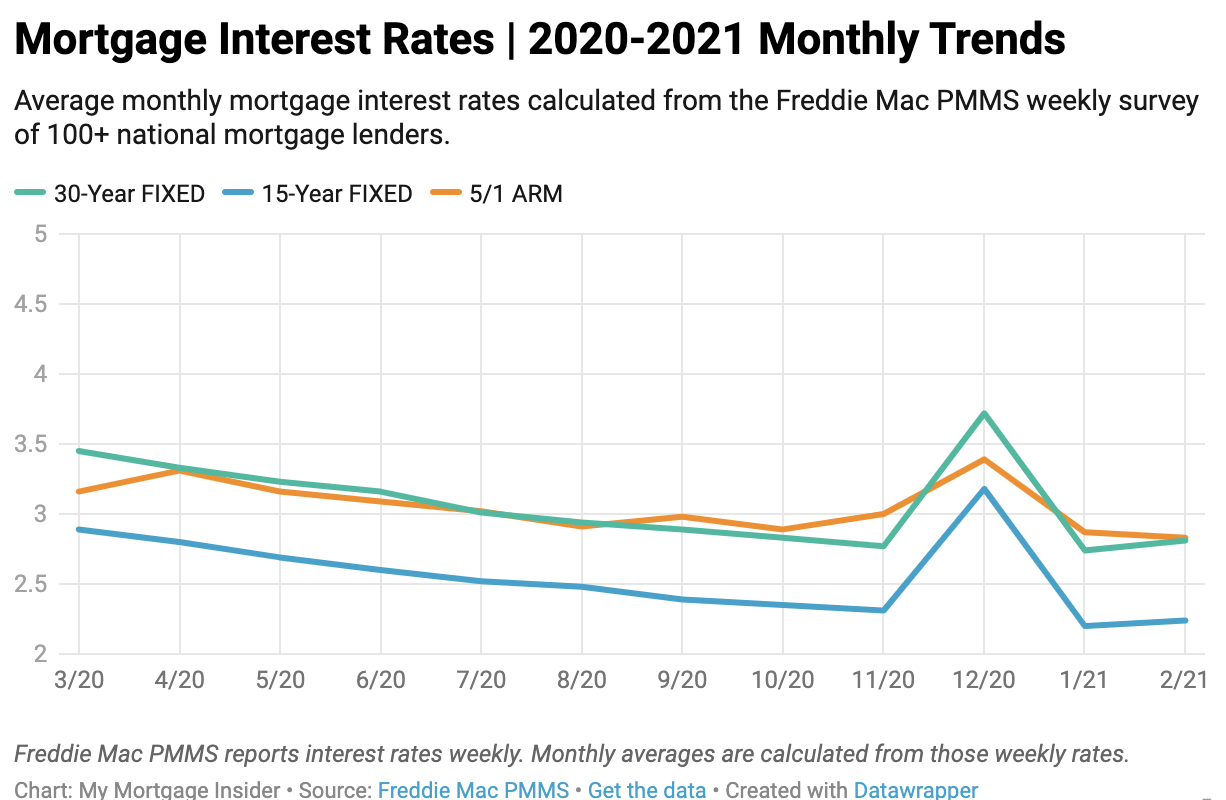
The 30-year fixed-rate mortgage is the gold standard for stability, ensuring your principal and interest payment never changes. However, 15-year fixed-rate mortgages typically offer significantly lower interest rates because the lender is taking on risk for a shorter period. On the other hand, Adjustable-Rate Mortgages (ARMs) offer a lower “introductory” rate for a set period (like 5, 7, or 10 years), after which the rate adjusts based on market conditions. ARMs can be a strategic move if you plan to sell the home before the adjustment period begins.
Government-Backed Loans (FHA, VA, and USDA)
For those who may not qualify for conventional financing, government-backed loans are an essential tool. FHA loans, backed by the Federal Housing Administration, allow for lower credit scores and smaller down payments. VA loans, available to veterans and active-duty service members, often offer some of the lowest rates on the market with no down payment required. While these programs have specific fees (like the VA funding fee or FHA mortgage insurance premiums), their base interest rates are often very competitive compared to conventional loans.
Conforming vs. Jumbo Loans
The size of the loan matters. Conforming loans adhere to the limits set by Fannie Mae and Freddie Mac. If you are buying a high-end luxury property that requires a loan exceeding these limits, you will need a Jumbo loan. Because Jumbo loans cannot be easily sold to government-sponsored enterprises, they often carry different interest rate structures—sometimes higher, but occasionally lower depending on the liquidity in the private banking sector.
4. Strategic Moves to Secure the Best Possible Rate
Because mortgage rates can fluctuate multiple times in a single day, timing and strategy are essential for anyone looking to lock in a favorable deal.
The Importance of Comparison Shopping
One of the most common mistakes borrowers make is accepting the first rate quote they receive. Research from the Consumer Financial Protection Bureau (CFPB) shows that borrowers can save thousands of dollars just by getting quotes from three different lenders. Rates, origination fees, and closing costs vary significantly between big banks, credit unions, and independent mortgage brokers.
Understanding Mortgage Points and Credits
You can essentially “buy” a lower interest rate by paying discount points at closing. One point typically costs 1% of the loan amount and reduces your interest rate by about 0.25%. This is a “Money” strategy that pays off if you plan to stay in the home for a long time (the “break-even” period). Conversely, you can opt for “lender credits,” where the lender pays some of your closing costs in exchange for a slightly higher interest rate, which is a common tactic for buyers with limited upfront cash.
The Rate Lock Decision
Once you have found a rate you are comfortable with, you must decide when to “lock” it. A rate lock guarantees your interest rate for a specific period (usually 30 to 60 days) while your loan is being processed. In a rising-rate environment, locking early is vital. Some lenders offer a “float-down” provision, which allows you to lock in today’s rate but still take advantage if rates drop significantly before you close.
5. The Long-Term Financial Impact of Interest Rates
Ultimately, the mortgage rate today determines your “cost of capital.” Even a fraction of a percentage point has a massive impact on your long-term wealth-building potential.
Interest Accumulation and the Amortization Schedule
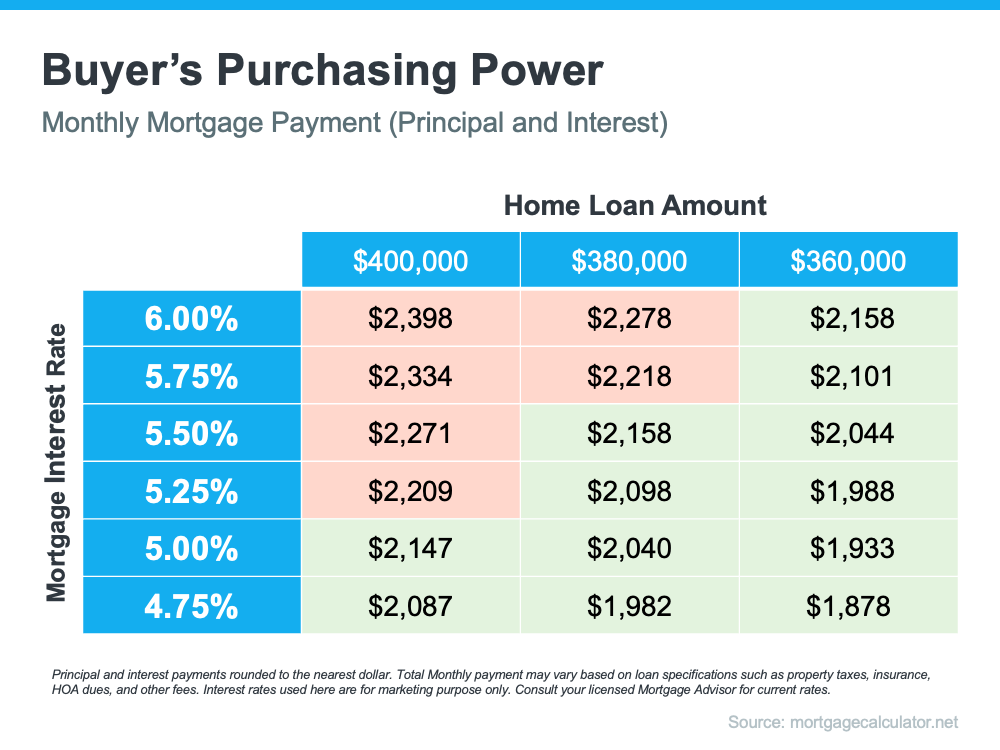
On a standard 30-year mortgage, the early years of payments are heavily weighted toward interest rather than principal. A higher interest rate means it takes much longer to build significant equity in the home. By securing a lower rate today, more of your monthly payment goes toward the principal from day one, accelerating your path to full ownership and increasing your net worth.
The Refinancing Lifecycle
The mortgage rate you get today isn’t necessarily the rate you are stuck with for 30 years. Personal finance experts often suggest monitoring the market for “refinance windows.” Generally, if rates drop by 0.75% to 1% below your current rate, it may be worth paying the closing costs to refinance. This can lower your monthly obligation, allowing you to redirect those funds into other investments, such as a 401(k), brokerage account, or high-yield savings account.
Opportunity Cost and Real Estate as an Investment
In the context of investing, the mortgage rate is the hurdle you must clear. If you are purchasing an investment property, the spread between your mortgage rate and the rental income (cap rate) determines your cash flow. In high-rate environments, investors must be more diligent about property selection and expense management. However, remember that “you marry the house and date the rate”—meaning you can change your financing later, but you can’t change the purchase price of the asset.
In conclusion, “What is the mortgage rate today?” is a question that serves as a gateway to understanding your broader financial health. By staying informed about economic trends, maintaining a strong credit profile, and strategically choosing the right loan product, you can navigate the complexities of home financing and secure a foundation for long-term financial success.
aViewFromTheCave is a participant in the Amazon Services LLC Associates Program, an affiliate advertising program designed to provide a means for sites to earn advertising fees by advertising and linking to Amazon.com. Amazon, the Amazon logo, AmazonSupply, and the AmazonSupply logo are trademarks of Amazon.com, Inc. or its affiliates. As an Amazon Associate we earn affiliate commissions from qualifying purchases.