
In the high-stakes world of Major League Baseball (MLB), the “Triple Crown” represents the absolute zenith of individual performance. For hitters, it requires leading the league in batting average, home runs, and runs batted in (RBIs) simultaneously. For pitchers, it involves leading in wins, strikeouts, and earned run average (ERA). While fans view this as a feat of athletic prowess, the front offices and financial analysts of the sporting world view it through a different lens: it is the ultimate indicator of market value, a catalyst for massive contract escalations, and a cornerstone for franchise revenue growth.
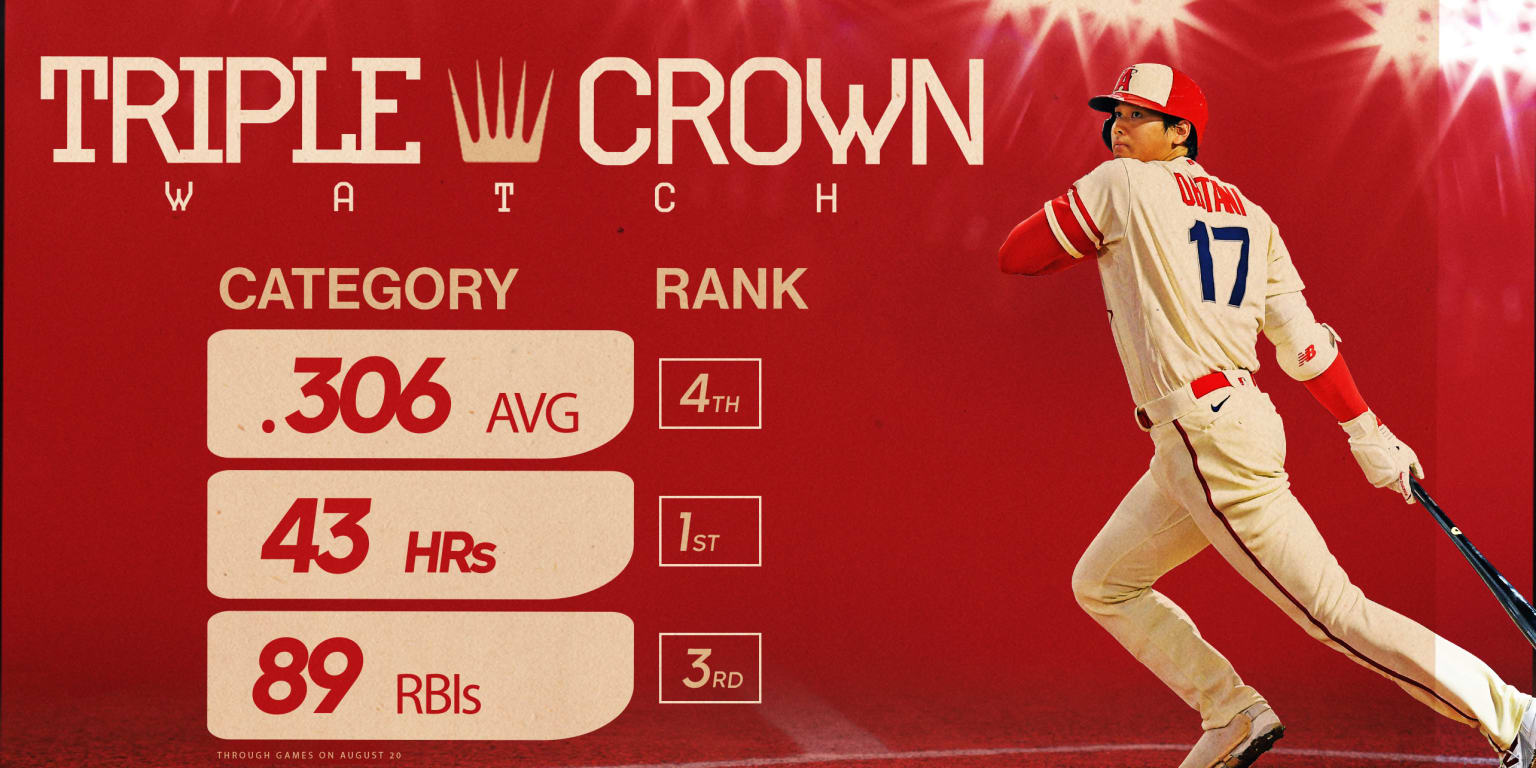
Understanding the MLB Triple Crown is not just about memorizing statistics; it is about understanding the financial ecosystem of professional sports. When a player achieves this rarity, they effectively reset the market for talent, influencing everything from salary arbitration to corporate endorsement structures.
The Financial Rarity and Market Scarcity of the Triple Crown
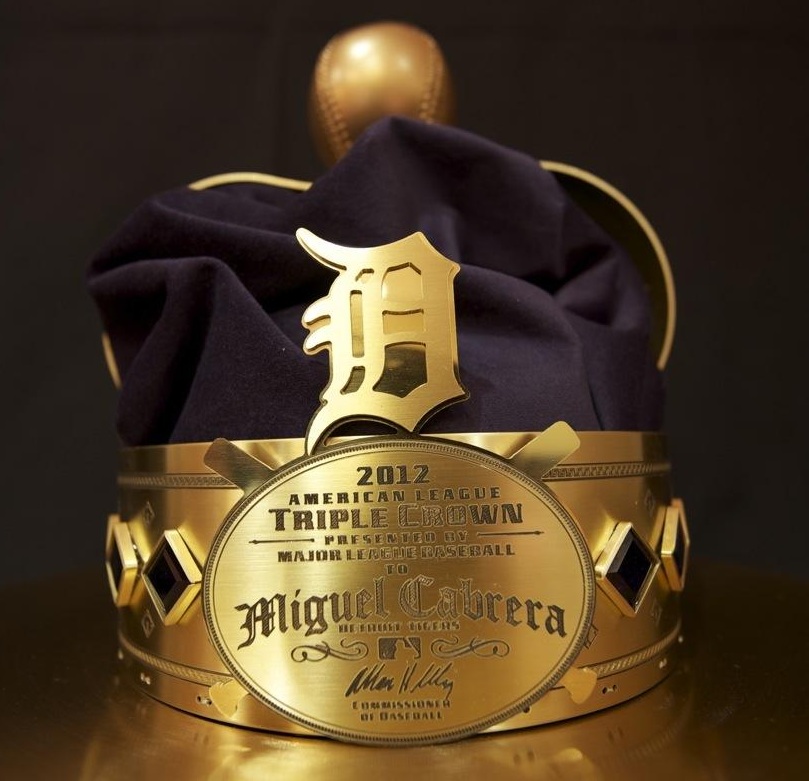
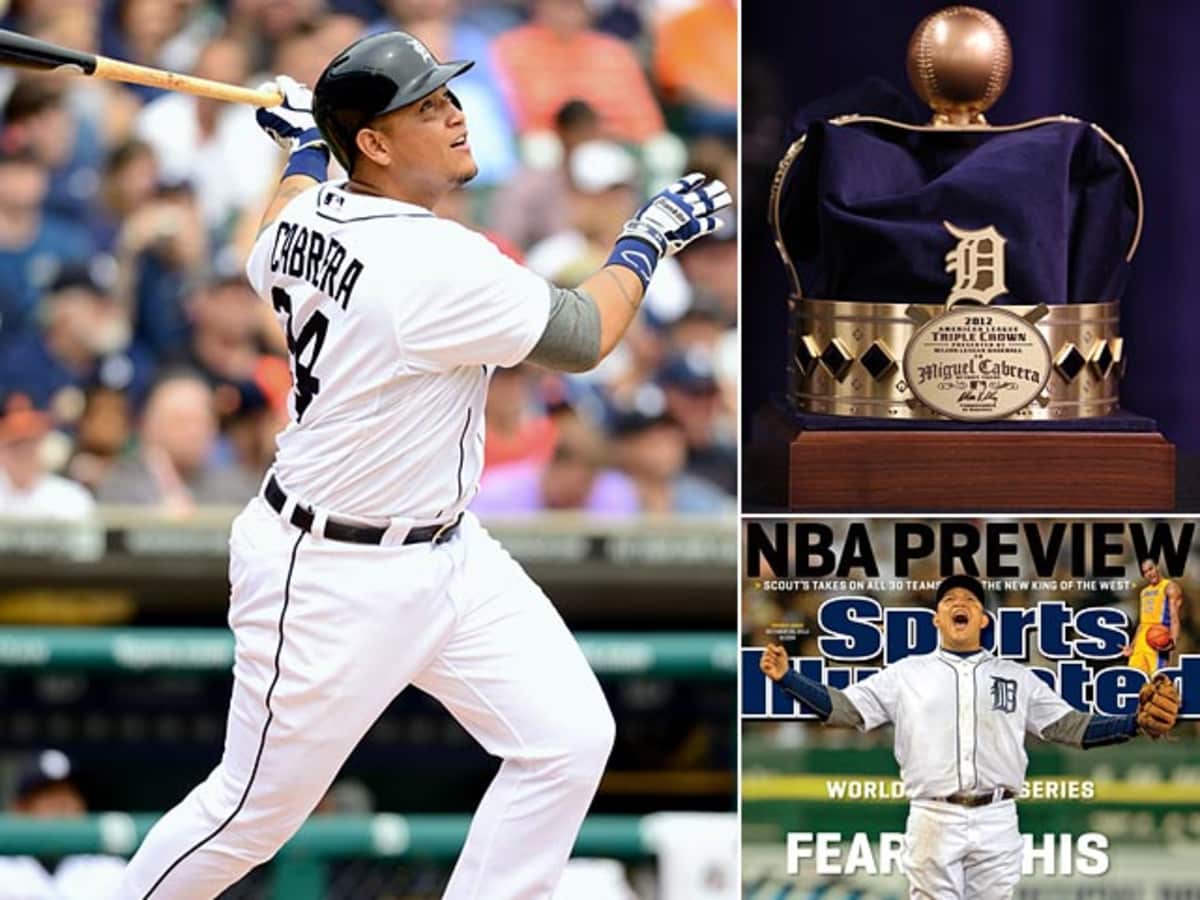
In economic terms, value is often driven by scarcity. The Triple Crown is perhaps the scarcest “commodity” in professional sports. For a hitter, the feat was so rare that between Carl Yastrzemski in 1967 and Miguel Cabrera in 2012, no player in the American or National League achieved it. This 45-year drought created a massive premium on the achievement.
The Statistical Rarity as a Valuation Metric
When a player leads in three distinct categories, they prove they are not just a specialist but a multifaceted asset. In business finance, this is akin to a company that dominates market share, maintains high profit margins, and shows consistent year-over-year growth. A “Triple Crown” hitter provides a unique ROI (Return on Investment) because they satisfy three different offensive needs with one roster spot. This efficiency allows a team to allocate financial resources elsewhere, making the Triple Crown winner worth more than the sum of their individual stats.
Historical Context and the Inflation of Prestige
Historically, the Triple Crown has served as a benchmark for the highest-paid players in the game. From Mickey Mantle to Frank Robinson, the achievement has always been followed by significant shifts in how teams value “clutch” performance versus “volume” performance. In the modern era of “Moneyball” and Sabermetrics, one might think traditional stats like RBIs or Wins would lose financial luster. However, the Triple Crown remains a “prestige asset.” Much like a rare diamond or a blue-chip stock, its value is derived as much from its historical significance as its functional utility.
Impact on Contract Negotiations and Salary Arbitration
The primary financial impact of a Triple Crown performance is felt during contract negotiations. In MLB, where contracts are often guaranteed for a decade and can exceed $300 million, the Triple Crown is the ultimate bargaining chip for a player and their agent.
The Multiplier Effect on Free Agency
When a player hits the free-agent market following a Triple Crown-caliber season, they aren’t just looking for a raise; they are looking to set a new ceiling for the entire industry. The “Triple Crown premium” acts as a multiplier. If a standard All-Star might command a $25 million annual salary, a Triple Crown winner can command $35 million to $40 million. This is because they have proven they can carry the offensive or defensive load of an entire franchise. For the acquiring team, this is a capital investment designed to ensure postseason appearances and the associated revenue spikes.
Leveraging Performance Metrics in Collective Bargaining
For players not yet eligible for free agency, the Triple Crown is a powerful tool in salary arbitration. In these hearings, players and teams argue over a fair salary based on “comparable” players. When a player can point to a Triple Crown, there are no true comparables. This forces the team to pay a premium to avoid a disgruntled star or a messy legal battle. From a business finance perspective, this represents a significant shift in the team’s “cost of labor,” often forcing front offices to restructure other contracts or seek new revenue streams to balance the books.
Brand Equity and the Revenue Potential of Historic Achievement
Beyond the base salary, the Triple Crown unlocks a secondary economy for the player: personal branding and global endorsements. In the modern sports economy, a player is a corporation unto themselves, and the Triple Crown is their most valuable intellectual property.
Endorsement Power and Personal Branding
A Triple Crown winner becomes the “face of baseball” overnight. This status attracts blue-chip sponsors from outside the sports world, such as luxury watchmakers, automotive giants, and financial institutions. These brands are looking for “excellence” and “consistency”—traits the Triple Crown personifies. For a player like Miguel Cabrera, the achievement solidified his brand as a generational talent, leading to long-term partnerships that significantly bolstered his off-field net worth. This transition from “athlete” to “brand” is a classic example of diversifying income streams to ensure long-term financial security.
Memorabilia and the Secondary Market Economy
The financial ripples of a Triple Crown extend to the collectibles market. Game-used jerseys, home run balls, and autographed cards from a Triple Crown season can appreciate in value by hundreds of percent. While this doesn’t always go directly into the player’s pocket, many savvy players now include clauses in their contracts or endorsement deals that grant them a percentage of secondary market sales or “memento rights.” This creates a legacy asset that continues to generate value decades after the player has retired.
The Business of the Franchise: Revenue Streams and Fan Engagement
While the player reaps significant financial rewards, the team owning the contract also sees a massive boost in its bottom line. A Triple Crown pursuit is one of the most effective marketing tools available to a sports franchise.
Ticket Sales and Television Ratings
As a player nears the end of a season with a legitimate shot at the Triple Crown, ticket demand sky-rockets. Dynamic pricing models allow teams to increase seat prices for the final home stands. Furthermore, regional sports networks (RSNs) see a surge in viewership, which leads to higher advertising rates. For a mid-market team, a Triple Crown winner can be the difference between a year of financial loss and a year of significant profit, as the “hype machine” drives casual fans to become paying customers.
Corporate Sponsorships and Stadium Economics
Franchises leverage the Triple Crown to secure higher-value stadium sponsorships. Companies want their logos displayed behind the batter’s box when a Triple Crown winner is at the plate, knowing that those images will be replayed on news cycles and social media millions of times. Additionally, merchandise sales—specifically “Triple Crown Commemorative” apparel—provide a high-margin revenue stream. This is pure “found money” for a team’s retail operations, capitalizing on the emotional investment of the fan base to drive impulse purchases.
Conclusion: The Long-Term ROI of a Triple Crown Legacy
The MLB Triple Crown is far more than a statistical curiosity; it is a profound economic event. For the player, it represents a transition into the highest bracket of earners in professional sports, providing the leverage needed to secure record-breaking contracts and a lifetime of endorsement income. For the franchise, it is a high-yield investment that pays dividends in ticket sales, brand prestige, and media rights value.
In the final analysis, the Triple Crown serves as a reminder that in the world of business and finance, extreme performance creates extreme value. Whether it is a software company dominating its niche or a baseball player dominating the league, the financial rewards are reserved for those who can prove they are the best across multiple, essential categories. The Triple Crown remains the gold standard of that proof, making it the most valuable “triple threat” in the business of sports.
aViewFromTheCave is a participant in the Amazon Services LLC Associates Program, an affiliate advertising program designed to provide a means for sites to earn advertising fees by advertising and linking to Amazon.com. Amazon, the Amazon logo, AmazonSupply, and the AmazonSupply logo are trademarks of Amazon.com, Inc. or its affiliates. As an Amazon Associate we earn affiliate commissions from qualifying purchases.