
In the landscape of American labor economics, few states are as proactive or influential as Washington. For years, the Evergreen State has maintained one of the highest minimum wages in the nation, reflecting a broader fiscal philosophy that prioritizes purchasing power and worker equity. However, for business owners managing tight margins and employees planning their personal budgets, the “minimum wage” is more than just a single number on a poster—it is a dynamic financial factor that changes annually. Understanding the intricacies of Washington’s wage laws is essential for sound financial planning, whether you are a corporate treasurer or a first-time earner.

The Financial Framework of Washington’s State-Level Wage
At the heart of Washington’s economic policy is a commitment to ensuring that the lowest-paid workers see their earnings keep pace with the real-world costs of goods and services. Unlike the federal minimum wage, which has remained stagnant for over a decade, Washington’s rate is tied directly to inflation.
The 2024 and 2025 Rates
As of January 1, 2024, the Washington state minimum wage is set at $16.28 per hour. This represented a significant jump from the previous year, aimed at mitigating the impact of post-pandemic inflation. Looking ahead, the Washington State Department of Labor & Industries (L&I) has announced that the rate will increase to $17.03 per hour effective January 1, 2025. This 4.5% increase is a direct result of the rising Consumer Price Index (CPI-W), which tracks the cost of basic necessities like food, housing, and transportation.
The Mechanics of Annual Adjustments
The state’s ability to adjust wages automatically is governed by Initiative 1433, approved by voters in 2016. Every September, the L&I department calculates the adjusted rate based on the U.S. Bureau of Labor Statistics’ CPI for the previous year. For personal finance planning, this predictability is a double-edged sword: workers can anticipate a yearly “raise,” but businesses must also forecast a recurring increase in their highest variable cost—labor.
Tip Credits and the “No-Subminimum” Rule
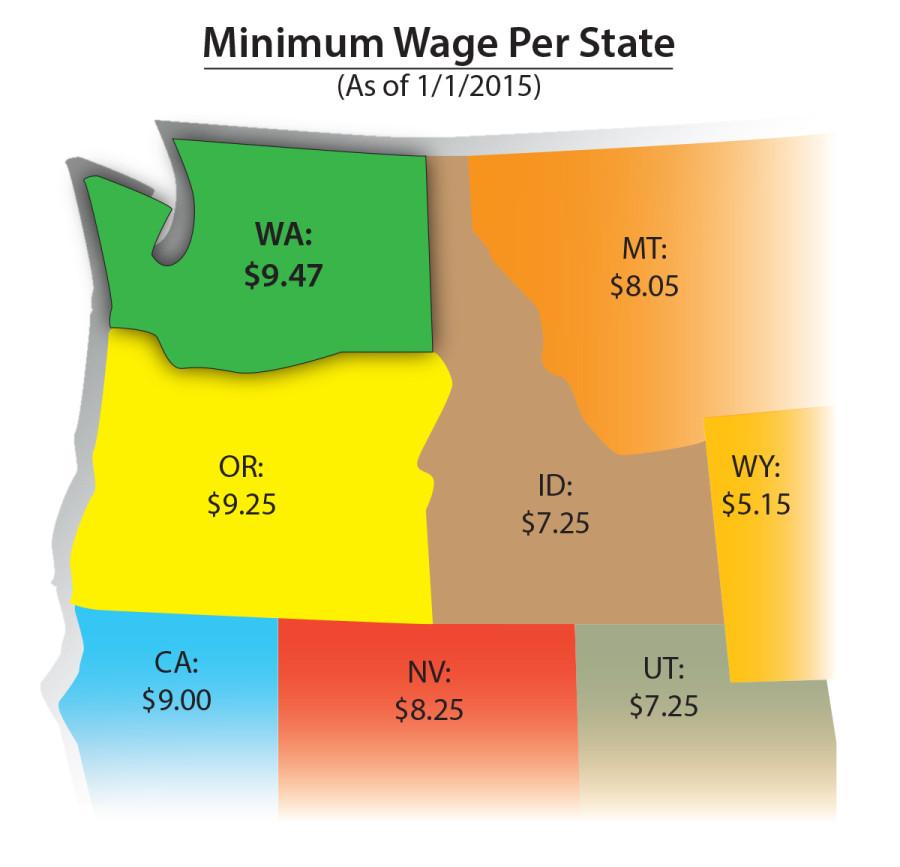
A crucial financial distinction in Washington is the absence of a “tip credit.” In many other states, employers are allowed to pay tipped employees a lower base wage as long as their tips bridge the gap to the minimum. In Washington, employers must pay the full minimum wage plus any tips earned by the employee. For the hospitality and service industries, this creates a unique business finance model where labor costs are significantly higher than in neighboring states like Idaho or Oregon.
Regional Variations: Navigating City-Specific Minimums
While the state sets a high floor, several municipalities in Washington have utilized their local authority to set even higher standards. For businesses operating across county lines or residents commuting into urban hubs, these variations are the most critical part of the financial equation.
Seattle’s Tiered Compensation System
Seattle remains the epicenter of wage growth in the state. Because the cost of living in the Seattle-Tacoma-Bellevue corridor is significantly higher than in rural eastern Washington, the city maintains its own schedule. For 2024, large employers (those with 501 or more employees) must pay $19.97 per hour. Small employers (500 or fewer) have a slightly lower requirement of $17.25 per hour, provided they contribute at least $2.72 per hour toward medical benefits or the employee earns at least that much in tips. By 2025, Seattle aims to eliminate this “small employer” distinction, moving toward a unified, higher rate that reflects the city’s premium cost of living.
SeaTac, Tukwila, and Renton
The “airport economy” has also seen aggressive wage hikes. SeaTac was one of the first cities in the country to implement a $15 minimum wage for hospitality and transportation workers, and that rate has since climbed to nearly $20 per hour. Tukwila and Renton have followed suit, passing ordinances that match or exceed Seattle’s rates to prevent “wage competition” between neighboring suburbs. For a business, choosing a location just a few blocks across a city line can result in a 10–15% difference in annual payroll expenses.
The Impact on Local Purchasing Power
From a personal finance perspective, these regional hikes are intended to address “housing burden,” where residents spend more than 30% of their income on rent. In cities like Seattle, even at $19.97 per hour, a full-time worker earns roughly $41,500 annually before taxes. In a market where the median one-bedroom apartment exceeds $2,000, the high minimum wage isn’t necessarily a path to luxury; it is a vital tool for basic financial survival.
Business Finance: Adapting to Rising Labor Costs
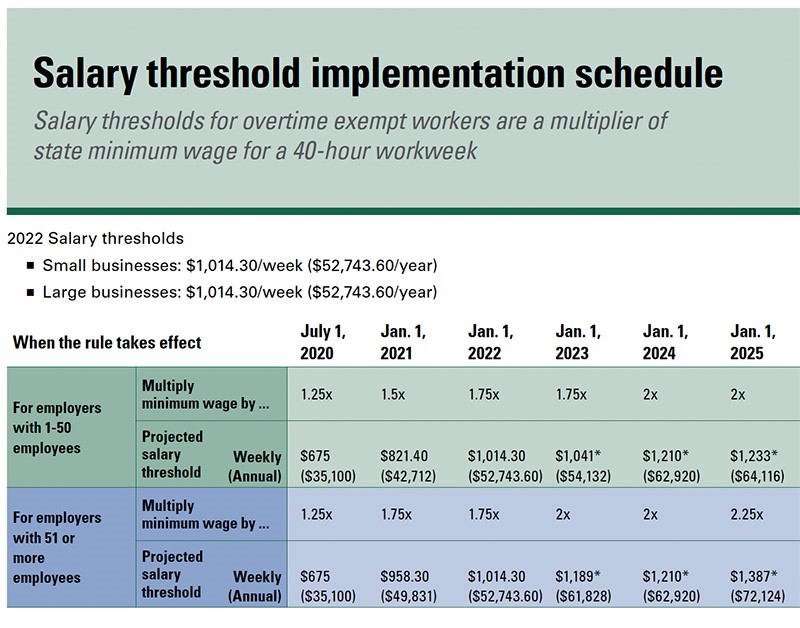
For entrepreneurs and small business owners, Washington’s wage environment requires sophisticated financial management. When the “floor” of labor costs rises, it triggers a ripple effect throughout the entire budget.
Strategic Pricing and Margin Management
When a state raises the minimum wage by nearly 5% annually, businesses often face a choice: absorb the cost, cut hours, or raise prices. In the “Money” niche of business finance, this is known as “price elasticity.” High-volume, low-margin businesses like grocery stores or quick-service restaurants must carefully calculate how much of the wage increase can be passed on to the consumer without driving them to competitors. Many Washington businesses have moved toward “service charges” or “equity fees” to transparently communicate to customers why prices have risen.
Investing in Efficiency and Human Capital
Rather than viewing the minimum wage as a pure liability, forward-thinking businesses treat it as an investment in retention. High turnover is one of the most hidden, yet devastating, costs in business finance. By paying $17+ per hour, companies can often attract a more reliable workforce, reducing the thousands of dollars typically spent on recruiting and training new staff every few months. Additionally, many businesses are investing in financial tools and software to automate administrative tasks, allowing their more expensive human labor to focus on high-value customer interactions.
The “Wage Compression” Challenge
A common financial hurdle for management is wage compression—the narrowing gap between the lowest-paid employees and those in mid-level or supervisory roles. If the minimum wage rises to $17, an employee previously making $18 may feel undervalued. Businesses must budget for “cascading raises” to maintain morale and organizational structure, meaning a $1 increase at the bottom often necessitates a $0.50 to $1 increase for several tiers above.
Personal Finance and the Minimum Wage Lifestyle
For the individual, Washington’s minimum wage serves as the foundation for an entire financial life. However, earning a high hourly rate in a high-cost state requires disciplined personal finance habits.
Budgeting for the “High-Floor” Economy
While a $16.28 or $17.03 wage is high relative to the rest of the country, Washington’s lack of a state income tax is a massive boon for take-home pay. Unlike in California or New York, a Washington worker keeps a larger percentage of their gross earnings. However, this is offset by high sales taxes and gasoline taxes. Effective personal budgeting in Washington involves maximizing “Net Pay” by understanding these tax nuances and utilizing state-sponsored programs like the Working Families Tax Credit, which provides a rebate to low-to-moderate-income earners.
The Role of Side Hustles and Online Income
In many parts of Washington, the minimum wage—while robust—may still fall short of the “Living Wage” required for a family of four. This has led to a surge in side hustles and digital income streams. Many residents leverage Washington’s high-tech infrastructure to supplement their hourly wages with freelance work, e-commerce, or gig economy participation. Understanding how to manage this “mixed income” is vital, particularly regarding self-employment taxes and quarterly filings.
Building an Emergency Fund on an Hourly Wage
With the predictability of Washington’s annual wage increases, workers have a unique opportunity to “ladder” their savings. A common strategy involves taking the “inflation adjustment” (e.g., the extra $0.75 per hour starting in 2025) and diverting it immediately into a high-yield savings account or a Roth IRA before it becomes part of their spending habits. Over a year, that small adjustment can contribute over $1,500 toward a financial safety net.
Compliance, Rights, and the Future Economic Outlook
Navigating the financial implications of the minimum wage also requires an understanding of the legal landscape. Non-compliance is an expensive mistake for businesses, while ignorance of rights is an expensive mistake for workers.
Legal Protections and Financial Recourse
Washington has some of the strictest wage-theft laws in the country. If an employer fails to pay the correct rate, or if they take unauthorized deductions, they can be held liable for double damages plus attorney fees. For a business, a single payroll error can lead to a devastating financial audit. Utilizing modern payroll software that automatically updates based on the employee’s work location is no longer optional; it is a core component of financial risk management.
Future Projections: Where is the Ceiling?
As we look toward the late 2020s, the conversation in Washington is shifting from “minimum wage” to “living wage.” There is ongoing debate in the state legislature about whether the CPI-W is the best metric for adjustment, or if a more localized “housing-cost index” should be used. For investors and businesses looking to enter the Washington market, the trend is clear: labor will continue to be a premium expense.
Conclusion: The Strategic Value of Information
Whether you are a business owner calculating your 2025 projections or a worker looking to optimize your household budget, the Washington state minimum wage is a cornerstone of your financial reality. It represents the state’s attempt to balance the scales of a modern economy. By staying informed about regional variations, annual adjustments, and the broader economic impact of these figures, you can turn a mandated rate into a strategic advantage for your personal or professional financial future. In Washington, the minimum wage isn’t just a floor—it’s the starting point for a complex and vibrant financial journey.
aViewFromTheCave is a participant in the Amazon Services LLC Associates Program, an affiliate advertising program designed to provide a means for sites to earn advertising fees by advertising and linking to Amazon.com. Amazon, the Amazon logo, AmazonSupply, and the AmazonSupply logo are trademarks of Amazon.com, Inc. or its affiliates. As an Amazon Associate we earn affiliate commissions from qualifying purchases.