
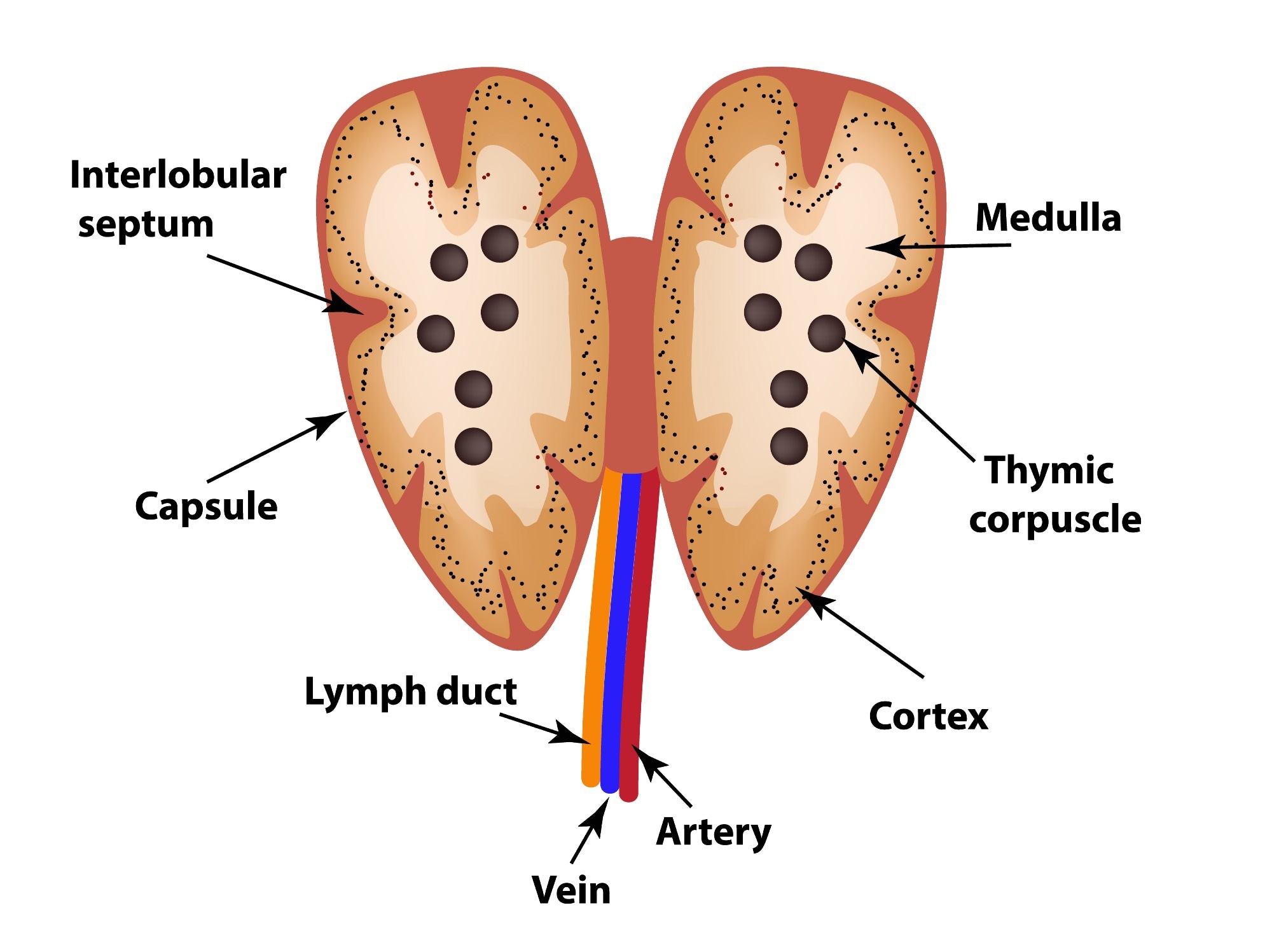
The thymus gland, a small, specialized primary lymphoid organ located in the chest, has long been recognized by medical science as a cornerstone of the human immune system. Its biological “main role” is unequivocally the maturation and selection of T-lymphocytes (T-cells), which are crucial for adaptive immunity and the body’s defense against pathogens and abnormal cells. Yet, in the 21st century, understanding this vital function transcends mere biological description. Modern technology is profoundly reshaping how we perceive, study, diagnose, and potentially intervene in the processes governed by the thymus. From advanced genomic sequencing to AI-driven diagnostic tools and the burgeoning field of bioengineering, technology is illuminating the thymus gland’s intricate operations, effectively transforming it into a high-tech frontier for immune system command and control. This exploration will delve into the technological innovations that are bringing new insights and capabilities to bear on the thymus’s indispensable role, positioning it at the nexus of advanced research and future healthcare solutions.
The Thymus Gland: A Biological Imperative, A Technological Frontier
At its core, the thymus dictates the quality and specificity of the cellular immune response. It serves as a meticulous training ground where immature T-cells learn to distinguish between the body’s own healthy cells and foreign invaders, a process critical for preventing autoimmune diseases and mounting effective defense mechanisms. The complexity of this “education” system, involving intricate cellular interactions and genetic programming, makes it an ideal subject for technological innovation. Modern technology is not just observing; it’s actively deconstructing, simulating, and even beginning to reconstruct aspects of thymic function. This shift transforms a purely biological inquiry into a multidimensional technological challenge, driving advancements across several tech domains.
Decoding Immunity with Advanced Analytics and Omics Technologies
The microscopic processes within the thymus are now being unveiled with unprecedented clarity thanks to breakthroughs in ‘omics’ technologies. Genomics, transcriptomics, proteomics, and metabolomics are generating vast datasets that detail the genetic blueprint, gene expression patterns, protein profiles, and metabolic activities within thymic cells at various stages of development. High-throughput sequencing platforms, capable of analyzing millions of cells simultaneously, reveal the precise genetic alterations that might impair T-cell development or predispose individuals to immune disorders. Single-cell RNA sequencing, for instance, allows researchers to profile individual thymocytes, identifying subtle differences in gene expression that dictate their fate and function.
Beyond data generation, advanced analytical tools, often powered by sophisticated algorithms, are crucial for making sense of this deluge of information. Bioinformatic pipelines process raw sequencing data, identify key biomarkers, and map complex cellular pathways. These analytical frameworks can pinpoint the genes and proteins most active during critical phases of T-cell maturation, offering targets for therapeutic intervention. Furthermore, sophisticated computational modeling can simulate the dynamic interactions between developing T-cells and the thymic stromal cells, providing a virtual laboratory to test hypotheses and predict outcomes without costly and time-consuming physical experiments. This technological prowess in data generation and analysis is indispensable for a comprehensive understanding of the thymus’s main role and its potential vulnerabilities.
AI and Machine Learning in Immunological Research
The sheer volume and complexity of immunological data generated by ‘omics’ technologies and other high-throughput methods necessitate the application of Artificial Intelligence (AI) and Machine Learning (ML). These computational paradigms are revolutionizing how researchers interpret thymic function, predict immune responses, and accelerate drug discovery. AI algorithms can identify subtle patterns and correlations in large datasets that human researchers might miss, such as specific gene expression signatures indicative of T-cell dysregulation or markers associated with efficient thymic output.
For example, ML models are being trained on extensive databases of T-cell receptor (TCR) sequences and their corresponding antigens. By learning these intricate relationships, AI can potentially predict which TCRs are effective against specific pathogens or cancerous cells, guiding the development of personalized immunotherapies. In the context of the thymus, AI can model the complex selection processes that T-cells undergo, helping to understand why some T-cells fail to mature correctly or why certain individuals are prone to autoimmune reactions. Beyond basic research, AI is also being deployed in clinical settings to analyze imaging data (e.g., CT scans to assess thymus size and structure), correlate it with immune function, and predict patient outcomes. The ability of AI to synthesize information from diverse sources—genomic, proteomic, clinical—provides an unprecedented lens through which to view and optimize the thymus’s critical role in maintaining immune homeostasis.
Digital Health Solutions for Immune System Management
The understanding gained through advanced research is increasingly being translated into practical applications via digital health. The ability to monitor, assess, and manage immune health, often with the thymus as an indirect indicator of overall immune vigor, is becoming more sophisticated through technological interfaces. Digital health solutions empower individuals and clinicians with tools for better oversight and proactive management of immune function.
Wearable Tech and Biometric Monitoring
While direct, non-invasive monitoring of the thymus gland’s real-time activity remains a challenge, wearable technology and biometric sensors offer indirect yet valuable insights into overall immune system status. Devices like smartwatches and fitness trackers, equipped with sensors for heart rate variability, sleep patterns, body temperature, and even skin conductance, can provide a continuous stream of physiological data. Deviations from an individual’s baseline in these metrics can often signal stress, inflammation, or an impending immune challenge, which, while not directly measuring thymic output, reflects the systemic demands placed upon the immune system, whose foundation is largely laid by the thymus.
Advanced wearables are also exploring non-invasive glucose monitoring, sweat analysis for metabolites, and even rudimentary infection detection. The aggregation and analysis of this longitudinal personal health data, especially when correlated with lifestyle factors and reported symptoms, can contribute to a holistic picture of immune resilience. While these technologies do not directly assess the thymus, they are integral to a broader digital health ecosystem that aims to optimize the immune system’s operational efficiency, ultimately depending on the well-trained T-cells that originate from the thymus. The continuous feedback loop provided by these devices enables proactive adjustments in diet, exercise, and stress management, all of which indirectly support robust immune function.
Telemedicine and Personalized Immune Health Consultation
The advent of telemedicine has significantly democratized access to specialized medical advice, including consultation on immune health. For individuals concerned about their immune system, telemedicine platforms connect them with immunologists, endocrinologists, and general practitioners who can review digitally submitted health records, biometric data from wearables, and even ‘omics’ reports. This allows for personalized immune health strategies that consider an individual’s unique genetic predispositions, lifestyle, and existing conditions—all factors that influence or are influenced by the thymus’s long-term effectiveness.
Personalized digital health platforms can offer tailored advice on nutrition, exercise, vaccination schedules, and even specific supplements designed to support immune function. For patients with primary immunodeficiencies or autoimmune conditions that trace back to thymic dysfunction, telemedicine provides ongoing support, remote monitoring of treatment efficacy, and timely adjustments to care plans. Furthermore, AI-powered chatbots and virtual assistants can provide preliminary information, answer common questions, and guide users to appropriate medical resources, acting as a first line of digital defense in immune health management. This personalized, digitally-enabled approach ensures that the insights gleaned from technological advancements in immunology are translated into actionable health strategies for a wider population.
Biotech Innovations and Thymic Regeneration
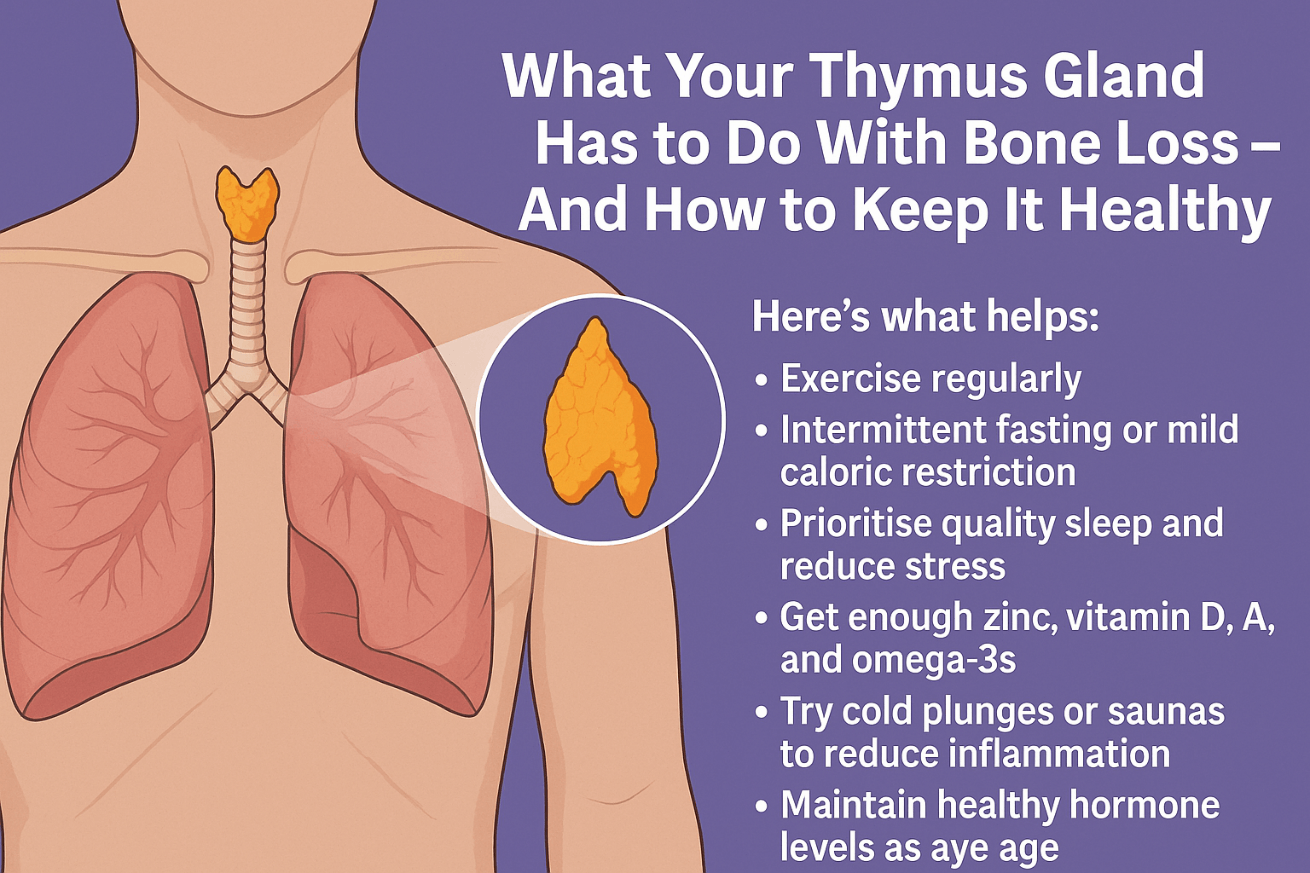
Beyond understanding and monitoring, the ultimate technological frontier lies in the ability to intervene and even restore thymic function. The thymus naturally atrophies with age, a process known as thymic involution, which contributes to immunosenescence and increased susceptibility to infections and cancer in older adults. Biotechnology is actively pursuing innovative solutions to combat this decline, directly addressing the core role of the thymus in immune vitality.
Gene Editing and Cellular Therapies
Revolutionary technologies like CRISPR-Cas9 are opening new avenues for understanding and potentially correcting genetic defects that impair thymic development or T-cell function. While still largely in research phases for the thymus itself, gene editing holds immense promise for correcting specific mutations in hematopoietic stem cells or thymic epithelial cells that could lead to improved T-cell output. For instance, researchers are exploring how to edit genes within progenitor cells to enhance their ability to migrate to and mature within the thymus.
Cellular therapies, particularly those involving stem cells, represent another powerful biotech approach. Induced pluripotent stem cells (iPSCs) can be reprogrammed from adult cells and then differentiated into various cell types, including thymic epithelial cells. These lab-grown thymic cells can then be used to create artificial thymic niches, potentially capable of supporting T-cell maturation ex vivo (outside the body) or even as implantable scaffolds to regenerate thymic tissue in vivo. For patients who have undergone treatments like chemotherapy that severely deplete T-cell populations, or those born with conditions like DiGeorge syndrome where the thymus is absent or underdeveloped, these cellular therapies offer hope for restoring a functional immune system rooted in renewed thymic activity.
Pharmaceutical Advancements and Immunomodulation
A deeper technological understanding of thymic biology has directly fueled the development of more targeted pharmaceutical interventions. Immunomodulatory drugs aim to fine-tune the immune response, and many of these are designed with an appreciation for thymic processes. For instance, growth factors like KGF (keratinocyte growth factor) have been studied for their potential to enhance thymic epithelial cell proliferation and improve T-cell recovery after injury or chemotherapy.
Furthermore, advances in drug discovery leverage computational biology to design small molecules that can stimulate thymic activity or protect the gland from damage. High-throughput screening of vast chemical libraries, guided by AI-powered predictions of molecular interactions, identifies compounds that can influence specific pathways involved in T-cell differentiation or thymic regeneration. This technological pipeline from fundamental genomic insights to targeted drug development is crucial for developing therapies that directly bolster the thymus’s main role in maintaining immune competence, especially as the global population ages and demands more robust immune health solutions.
The Future of Immune System Engineering
The convergence of biotechnology, artificial intelligence, and advanced materials science points towards an audacious future: the engineering of the immune system. This vision extends beyond treating existing conditions to proactively enhancing immune capabilities, with the thymus remaining a central point of focus due to its foundational role.
Synthetic Biology and Artificial Organs
Synthetic biology, the design and construction of new biological parts, devices, and systems, holds the potential to create entirely novel approaches to immune system management. In the long term, this could include the development of bio-engineered artificial thymic tissues or even fully functional artificial organs. Researchers are already working on creating 3D organoids—miniature, simplified versions of organs grown in the lab—from stem cells. Thymic organoids can mimic some functions of the native thymus, providing platforms for drug testing and disease modeling. The ultimate goal is to generate implantable, functional thymic tissues that could regenerate T-cell production in individuals with compromised or absent glands.
This field also encompasses the design of novel cell therapies, where T-cells are engineered ex vivo to possess enhanced anti-cancer properties or resistance to specific infections, essentially “pre-training” them before reintroducing them into the body. This approach, exemplified by CAR T-cell therapy, leverages the understanding of T-cell development derived from thymic research to create bespoke immune effectors. The ability to manipulate and engineer these fundamental building blocks of immunity represents a monumental leap in the technological mastery of the human body.

Ethical AI and Data Privacy in Immune Health
As technology delves deeper into the intricacies of human biology, particularly in sensitive areas like immune health, the ethical implications and data privacy concerns become paramount. The vast amounts of personal health data generated by ‘omics’ technologies, wearables, and digital health platforms—including highly specific information about an individual’s immune profile and potential vulnerabilities—demand robust security measures and strict ethical guidelines. AI algorithms, while powerful, must be developed with transparency and accountability to avoid biases in diagnostics or treatment recommendations.
The “main role” of the thymus gland, viewed through a technological lens, extends beyond mere biology into the societal fabric of privacy, consent, and equitable access to advanced healthcare. Ensuring that these transformative technologies are applied responsibly, protecting individual autonomy while maximizing public health benefits, is a critical challenge. Digital security protocols, regulatory frameworks, and public education are essential components of responsibly integrating these technological advancements into a future where immune health can be managed and potentially engineered with unprecedented precision.
In conclusion, while the core biological function of the thymus gland—to mature T-cells—remains constant, its “main role” in the context of modern healthcare is increasingly mediated and amplified by technology. From the genomic data revealing its secrets to the AI interpreting its complexities, from digital health tools monitoring its indirect impact to biotech interventions aiming to restore its vitality, technology has transformed the thymus from a mysterious organ into a focal point of advanced scientific and medical endeavor. The tech-driven understanding, manipulation, and potential future engineering of the thymus gland underscore its enduring significance as a command center for immune health, driving innovation across diagnostics, therapeutics, and personalized medicine, and continually redefining its indispensable role in human well-being.
aViewFromTheCave is a participant in the Amazon Services LLC Associates Program, an affiliate advertising program designed to provide a means for sites to earn advertising fees by advertising and linking to Amazon.com. Amazon, the Amazon logo, AmazonSupply, and the AmazonSupply logo are trademarks of Amazon.com, Inc. or its affiliates. As an Amazon Associate we earn affiliate commissions from qualifying purchases.