
In the realms of macroeconomics and high-level finance, the “Executive Branch” is often viewed through a political lens. However, for investors, business owners, and financial analysts, the executive branch represents the most potent engine of economic influence in the world. While the legislative branch writes the laws and the judicial branch interprets them, the main job of the executive branch is the execution and administration of the nation’s financial lifeblood.
In this article, we will explore the executive branch’s role as the primary “Chief Operating Officer” of the economy. From managing the national debt to setting the tone for global trade, the executive branch’s core function is to maintain economic stability, enforce fiscal regulations, and drive the strategic growth of the country’s wealth.
Architect of the National Budget: The Office of Management and Budget (OMB)
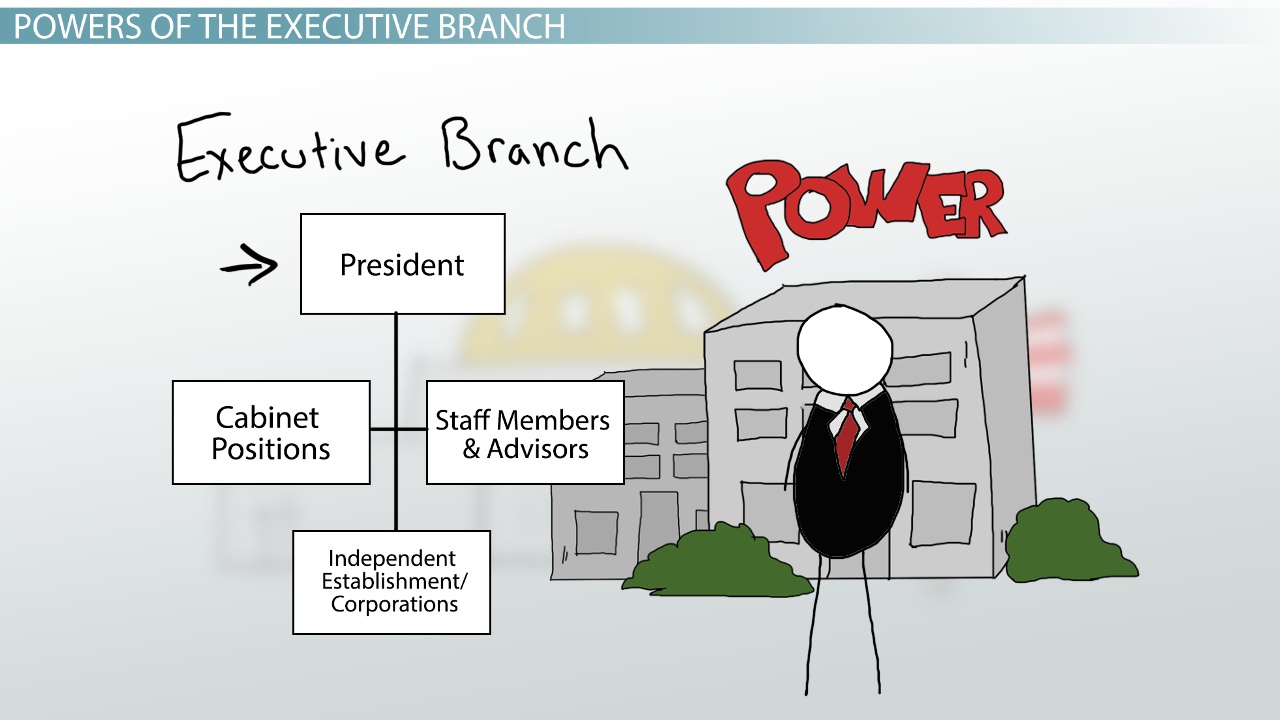
When we ask what the main job of the executive branch is within the context of money, the answer begins with the budget. The President, as the head of the executive branch, is responsible for crafting the annual federal budget proposal. This document is not merely a list of expenses; it is a strategic blueprint that signals to the markets which industries will receive investment and which will face austerity.
Setting the Financial Agenda
The executive branch utilizes the Office of Management and Budget (OMB) to consolidate the funding requests of every federal agency. This process is the ultimate exercise in financial prioritization. By deciding how much capital to allocate to defense, infrastructure, healthcare, and technology, the executive branch dictates the flow of trillions of dollars. For the savvy investor, the executive budget proposal is a “forward-looking statement” that highlights where government-contracted revenue is likely to flow over the next fiscal year.
Resource Allocation and Sector Growth
Beyond simple spending, the executive branch’s job is to use the budget to stimulate specific sectors of the economy. For instance, an executive focus on renewable energy through grants and subsidies can create an entire market for green tech stocks. Conversely, a focus on infrastructure can revitalize the industrial and materials sectors. The executive branch acts as a massive venture capitalist, using the “power of the purse” to de-risk emerging industries and provide the capital necessary for large-scale economic shifts.
The Department of the Treasury: Managing the Nation’s Liquidity
If the OMB is the planner, the Department of the Treasury is the executor. A primary job of the executive branch is to manage the country’s cash flow, debt, and revenue collection. This is handled by the Treasury Secretary, a member of the President’s Cabinet, who oversees the most influential financial institution in the federal government.
Debt Management and Treasury Bonds
The executive branch is responsible for financing the government’s operations. When tax revenue falls short of spending, the Treasury Department issues debt in the form of Treasury bonds, bills, and notes. These instruments are the bedrock of the global financial system. The executive branch’s ability to manage this debt effectively determines the “risk-free” rate of return, which in turn influences interest rates for mortgages, auto loans, and corporate credit. When the executive branch manages debt prudently, it ensures market liquidity and maintains the US Dollar’s status as the world’s reserve currency.
Tax Policy Implementation and Revenue Collection
While Congress writes the tax code, the executive branch—via the Internal Revenue Service (IRS)—is tasked with the actual collection of revenue. The “main job” here is enforcement and interpretation. How the executive branch chooses to deploy IRS resources can significantly impact corporate bottom lines and personal wealth. For example, an executive shift toward stricter auditing of high-net-worth individuals or corporations changes the “effective” tax rate even without a change in the law. This administrative power over money is a core pillar of the branch’s authority.
Regulatory Oversight: Maintaining Market Integrity
For money to flow efficiently, markets must be perceived as fair and stable. One of the executive branch’s most critical jobs is the regulation of financial markets and commerce. This is achieved through a network of agencies that operate under the executive umbrella, ensuring that the wheels of capitalism turn without succumbing to fraud or systemic collapse.
The Role of Agencies Under Executive Influence
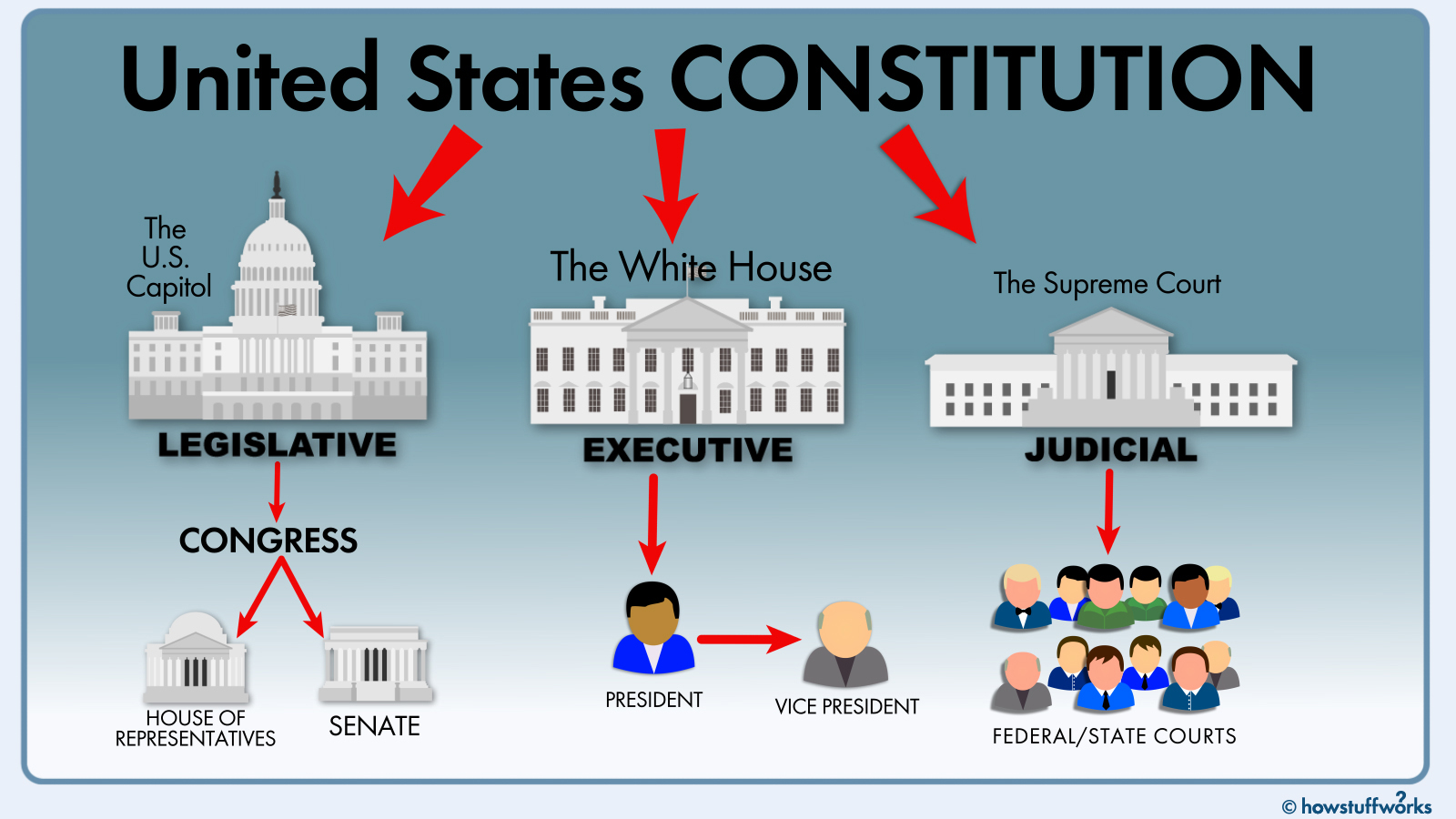
The executive branch oversees bodies like the Securities and Exchange Commission (SEC) and the Commodity Futures Trading Commission (CFTC). These agencies are the “police officers” of the financial world. Their job is to protect investors, maintain fair and orderly markets, and facilitate capital formation. When the executive branch prioritizes deregulation, it often leads to short-term market surges as compliance costs drop. When it prioritizes oversight, it seeks to prevent the kind of systemic risks that led to the 2008 financial crisis.
Trade Policy, Tariffs, and International Finance
The executive branch holds significant power over international money through trade policy. The President has the authority to negotiate trade deals and, in many cases, impose tariffs. These actions directly affect the cost of goods, the profitability of multinational corporations, and the strength of the currency. By managing trade relations, the executive branch influences the global supply chain, which is the backbone of modern corporate finance. A “job well done” in this area results in favorable trade balances and the protection of domestic economic interests.
The Interaction with Monetary Policy and the Federal Reserve
While the Federal Reserve is technically an independent entity, the executive branch plays a pivotal role in shaping monetary policy through the power of appointment. This is a subtle but profound “money” job that affects every dollar in circulation.
Appointment Power and Economic Philosophy
The President appoints the Chair and the Board of Governors of the Federal Reserve. By selecting individuals with specific economic philosophies—whether “hawkish” on inflation or “dovish” on interest rates—the executive branch indirectly steers the cost of borrowing for the entire world. This influence is a primary driver of stock market valuations and the overall “heat” of the economy.
Emergency Economic Measures
In times of financial crisis, the executive branch’s job expands to include “Lender of Last Resort” coordination. During events like the 2020 pandemic, the executive branch worked in tandem with the Fed to inject trillions of dollars of liquidity into the markets via the CARES Act and various lending facilities. This ability to execute rapid, large-scale financial interventions is perhaps the most visible aspect of the executive branch’s job regarding national wealth preservation.
Strategic Execution in Personal Finance: Applying the “Executive Logic”
To truly understand the main job of the executive branch, one can look at it through the lens of personal finance. Just as the government has an executive branch to manage its money, individuals must act as the “Executives” of their own wealth.
From Planning to Action
Many people have a “Legislative Branch” (the part of their brain that makes rules, like “I should save 20%”) but lack an “Executive Branch” (the part that actually sets up the auto-transfer to a brokerage account). The main job of the executive function in money management is the implementation of the strategy. It is not enough to know what to do; the executive must pull the lever. This involves selecting specific investment vehicles, rebalancing portfolios, and ensuring that the financial “laws” you set for yourself are actually followed.
Risk Management and Auditing Your “Branch”
Just as the executive branch monitors the economy for threats, a personal financial executive must audit their own “branch.” This means checking credit reports, reviewing insurance policies, and adjusting for inflation. The executive branch of the government succeeds when it maintains stability and growth; your personal executive branch succeeds when it protects your capital from erosion and executes a plan that leads to long-term solvency.

Conclusion: The Executive Branch as the Engine of Wealth
What is the main job of the executive branch? From a financial perspective, it is the active management of the nation’s economic health. It is a multifaceted role that includes budgeting, debt management, tax enforcement, market regulation, and trade negotiation.
For those in the world of money, the executive branch is the single most important entity to watch. Its decisions dictate the flow of capital, the cost of credit, and the stability of the global markets. Whether it is a President signing a stimulus bill or the Treasury Department auctioning off billions in debt, the executive branch is constantly at work, performing its primary task: keeping the complex machinery of the modern economy running. By understanding these functions, investors and business leaders can better navigate the fluctuations of the market and align their financial strategies with the broader direction of the country’s “Chief Operating Officer.”
aViewFromTheCave is a participant in the Amazon Services LLC Associates Program, an affiliate advertising program designed to provide a means for sites to earn advertising fees by advertising and linking to Amazon.com. Amazon, the Amazon logo, AmazonSupply, and the AmazonSupply logo are trademarks of Amazon.com, Inc. or its affiliates. As an Amazon Associate we earn affiliate commissions from qualifying purchases.