
For anyone looking to purchase a home or refinance an existing mortgage, the question “What is the house interest rate today?” is more than just a casual inquiry—it is a high-stakes financial pivot point. In the world of personal finance, few numbers carry as much weight as the prevailing mortgage interest rate. It dictates monthly affordability, the total cost of ownership over thirty years, and the overall health of the real estate market.
However, finding a single answer to this question is surprisingly complex. Interest rates are not static figures etched in stone; they are dynamic, shifting daily—and sometimes hourly—based on global economic trends, central bank policies, and individual borrower profiles. To truly understand today’s rates, one must look beyond the ticker symbol and examine the underlying machinery of the financial markets.
The Economic Engine: Why Rates Move Daily
Mortgage rates do not exist in a vacuum. They are primarily influenced by the broader bond market, specifically the 10-year Treasury yield. While the Federal Reserve does not set mortgage rates directly, its actions regarding the federal funds rate create a ripple effect that eventually touches every home loan in the country.
The Role of the Federal Reserve and Inflation
The Federal Reserve’s primary mandate is to manage inflation and maintain maximum sustainable employment. When inflation rises above the target 2% threshold, the Fed typically raises interest rates to cool the economy. For potential homeowners, this means that when the cost of borrowing money increases for banks, those costs are passed down to consumers in the form of higher mortgage rates. Conversely, in a sluggish economy, the Fed may lower rates to stimulate borrowing and spending, leading to the “historic lows” we have seen in previous cycles.
The 10-Year Treasury Yield Connection
Investors often look to the 10-year Treasury note as a benchmark for long-term debt. Because most 30-year fixed-rate mortgages are paid off or refinanced within ten years, mortgage-backed securities (MBS) tend to track the movement of the 10-year Treasury yield closely. When investors are nervous about the economy, they flock to the safety of government bonds, driving yields down and often pulling mortgage rates with them. When the economy is booming, yields rise, and mortgage rates usually follow suit.
Global Market Volatility
In an interconnected global economy, geopolitical events—ranging from international conflicts to foreign trade agreements—can cause shifts in investor sentiment. This “flight to quality” often impacts the liquidity of the mortgage market, causing daily fluctuations that can make the difference between a 6.5% rate and a 6.8% rate in a matter of hours.
Decoding the Borrower Profile: Why Your Rate Differs from the Headline
When you see a “headline rate” advertised on a financial news site, it is often a national average based on a “prime” borrower—someone with a near-perfect credit score and a 20% down payment. In reality, the interest rate you are offered today is highly individualized. Lenders use a process called risk-based pricing to determine how much of a liability you represent.
The Power of the Credit Score
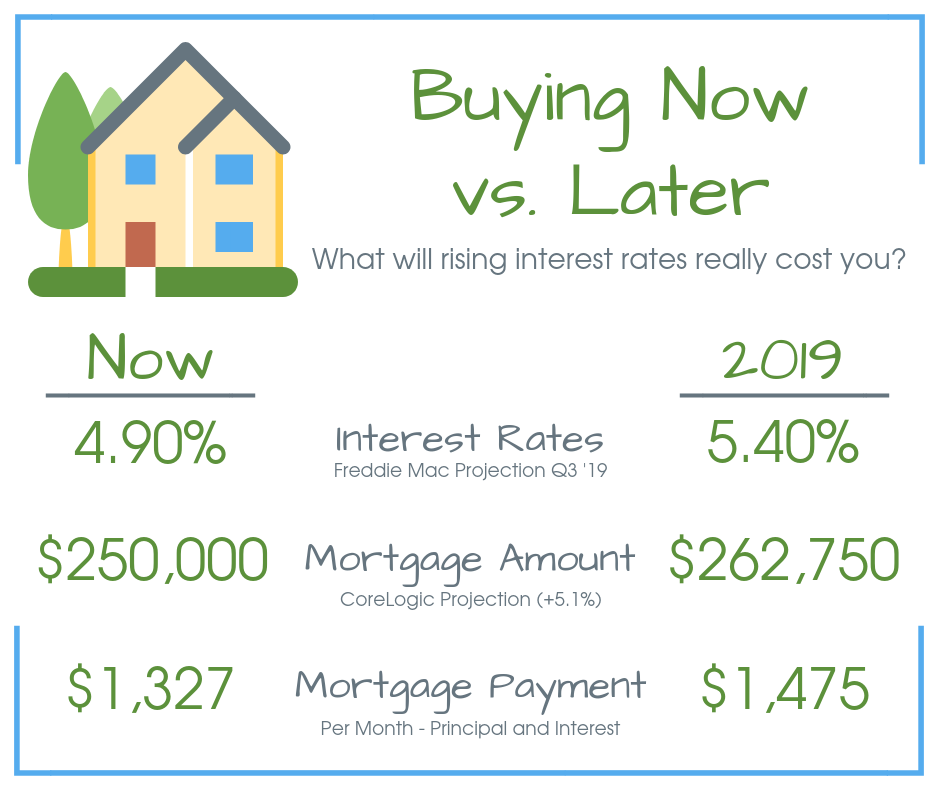
In the realm of personal finance, your credit score is your most valuable asset. For a mortgage lender, a score of 760 or higher usually unlocks the lowest available rates. If your score sits in the 620 to 680 range, you may still qualify for a loan, but you could face an interest rate that is 0.5% to 1.5% higher than the prime rate. Over the life of a $400,000 loan, that small percentage difference can equate to nearly $100,000 in additional interest payments.
Loan-to-Value (LTV) and Down Payments
The amount of equity you put into the home upfront significantly impacts your rate. A 20% down payment is the traditional gold standard, as it eliminates the need for Private Mortgage Insurance (PMI) and signals to the lender that you have “skin in the game.” Borrowers with lower down payments (3% to 5%) are viewed as higher risk, which is often reflected in a slightly higher interest rate or additional monthly fees.
Debt-to-Income (DTI) Ratios
Lenders also look at your “capacity” to pay. Your DTI ratio—the percentage of your gross monthly income that goes toward paying debts—helps lenders decide if you are overleveraged. A high DTI might not only limit the amount you can borrow but could also lead a lender to increase the interest rate to compensate for the perceived risk of default.
Strategic Financial Moves: Securing the Best Possible Rate
Given that rates are currently in a period of relative volatility compared to the last decade, borrowers must be proactive. You are not a passive participant in the rate-setting process; there are several financial strategies you can employ to minimize your interest burden.
The Art of the Rate Lock
Once you find a rate you are comfortable with, you have the option to “lock” it. A rate lock is a guarantee from a lender that they will honor a specific interest rate for a set period (usually 30, 45, or 60 days) while your loan is being processed. This protects you from market spikes. However, it is a double-edged sword: if rates drop significantly after you lock, you might be stuck with the higher rate unless your agreement includes a “float-down” provision.
Buying Down the Rate with Points
For those planning to stay in their home for a long time, “buying points” can be a savvy investment. One discount point typically costs 1% of the total loan amount and reduces your interest rate by approximately 0.25%. This is essentially “prepaid interest.” From a personal finance perspective, you must calculate the “break-even point”—the moment where the monthly savings from the lower rate exceed the initial cost of the points.
Comparing Loan Products: Fixed vs. Adjustable
Today’s house interest rate also depends heavily on the structure of the loan.
- 30-Year Fixed: The most popular option, offering stability and predictable payments.
- 15-Year Fixed: Typically offers a lower interest rate but requires much higher monthly payments. It is an excellent tool for building equity quickly.
- Adjustable-Rate Mortgages (ARMs): These usually start with a lower “teaser” rate for 5, 7, or 10 years before adjusting based on market conditions. In a high-rate environment, an ARM can be a strategic move if you plan to sell or refinance before the adjustment period begins.
The Long-Term Financial Outlook: Investment and Refinancing
Understanding “what the house interest rate is today” is only half the battle; the other half is understanding what it will be tomorrow. For real estate investors and long-term homeowners, the interest rate environment dictates the “Cap Rate” and the overall return on investment.
The Refinancing Cycle
For existing homeowners, monitoring today’s rates is essential for identifying refinancing opportunities. A general rule of thumb in personal finance is that if you can reduce your rate by 0.75% to 1%, refinancing may be worth the closing costs. However, in a rising rate environment, refinancing is less about lowering the rate and more about debt consolidation or tapping into home equity via a Cash-Out Refinance to fund home improvements or business ventures.
Impact on Real Estate Investment Portfolios
For those using real estate as a vehicle for wealth creation, interest rates are the ultimate filter for “deal flow.” High interest rates increase the “hurdle rate”—the minimum return an investor needs to justify the risk of the investment. When rates are high, property prices often stagnate or dip as buyer demand cools, creating a “buyer’s market” for those with high liquidity, despite the higher cost of financing.
The Psychological Barrier of “Normal” Rates
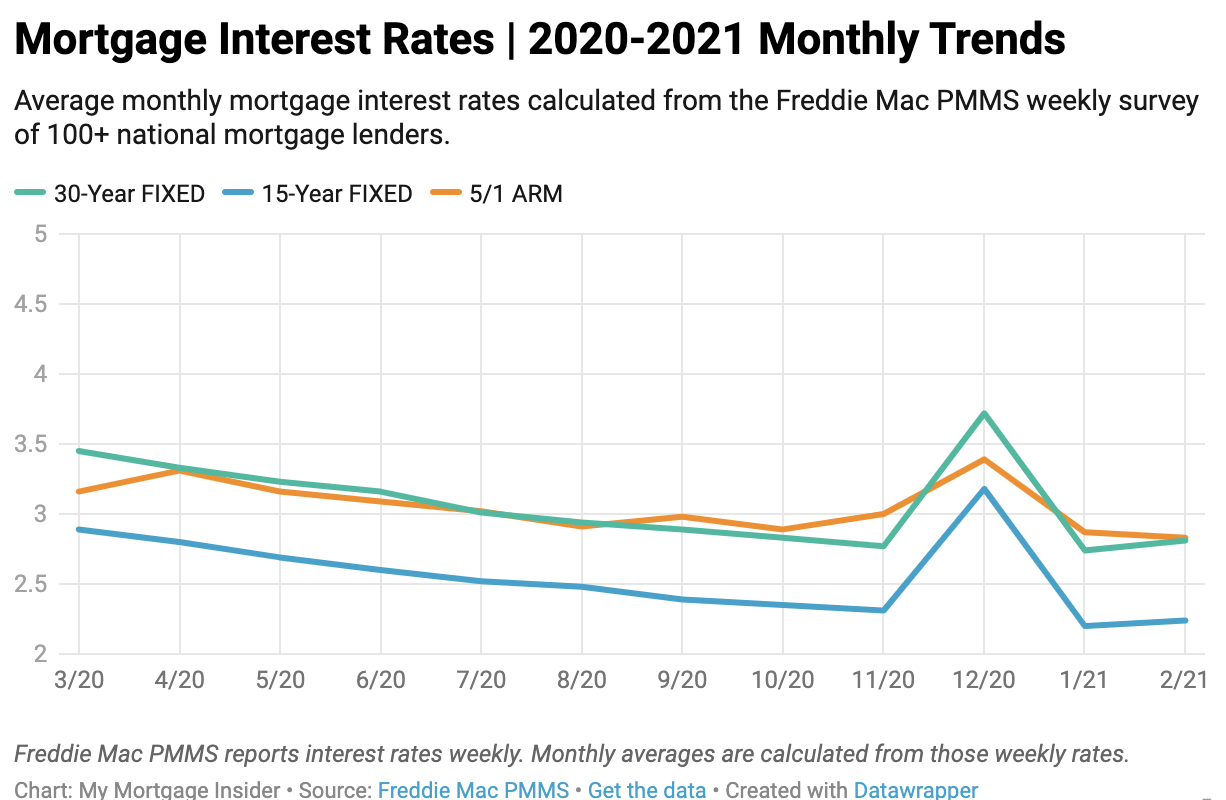
It is important to maintain a historical perspective on today’s rates. While the 3% rates of 2020 and 2021 were a historical anomaly fueled by emergency monetary policy, the long-term average for a 30-year mortgage in the United States is closer to 7% or 8%. Adjusting one’s financial expectations to this “new normal” is crucial for making sound property acquisitions without waiting for a return to “basement” rates that may not happen for decades.

Conclusion: Navigating Today’s Rate Environment
The house interest rate today is a reflection of a complex global financial ecosystem. While you cannot control the Federal Reserve’s decisions or the movement of the 10-year Treasury yield, you have significant control over your personal financial health. By optimizing your credit score, saving for a substantial down payment, and shopping across multiple lenders to compare Loan Estimate forms, you can secure a rate that fits your long-term wealth-building goals.
In the end, a mortgage is not just a loan; it is a financial instrument. Whether rates are at 4% or 8%, the goal remains the same: to use leverage wisely to secure an asset that provides both shelter and a foundation for future financial independence. Stay informed, stay prepared, and remember that the best rate is the one that allows you to comfortably manage your cash flow while building equity in your future.
aViewFromTheCave is a participant in the Amazon Services LLC Associates Program, an affiliate advertising program designed to provide a means for sites to earn advertising fees by advertising and linking to Amazon.com. Amazon, the Amazon logo, AmazonSupply, and the AmazonSupply logo are trademarks of Amazon.com, Inc. or its affiliates. As an Amazon Associate we earn affiliate commissions from qualifying purchases.