
In an increasingly digital world where personal data is both an asset and a vulnerability, the protection of our most intimate information has become paramount. Among the many categories of data, genetic information stands out as uniquely sensitive, holding the blueprint of our health, predispositions, and even ancestral heritage. As advancements in genomics accelerate, allowing for unprecedented insights into our biological makeup, the need for robust legal frameworks to prevent discrimination based on this data has never been more critical. Enter the Genetic Information Nondiscrimination Act (GINA) of 2008 – a landmark piece of legislation designed to safeguard individuals from the misuse of their genetic information, primarily in the realms of employment and health insurance. For anyone navigating the complexities of modern digital life, especially as personal genomics becomes more accessible, understanding GINA is not just a legal exercise but an essential aspect of digital literacy and personal data security.
The Digital Imperative: Understanding Genetic Information in the Modern Age
The proliferation of digital technologies has transformed how genetic information is collected, stored, analyzed, and shared. What was once confined to highly specialized research labs is now accessible through direct-to-consumer services and integrated into digital health records. This shift necessitates a re-evaluation of how we perceive and protect this deeply personal data.
The Rise of Personal Genomics and Data Collection
The last two decades have witnessed an explosion in personal genomics. From ancestry kits that offer a glimpse into one’s lineage to health predisposition tests that identify risks for certain conditions, the ability to sequence and analyze one’s genome has become remarkably affordable and commonplace. These services, often accessed through online platforms and managed via mobile apps, generate vast quantities of highly specific genetic data. This data, once digitized, can be stored in cloud environments, integrated into electronic health records (EHRs), and even become part of aggregated datasets used for research or AI-driven predictive analytics. The technological infrastructure that supports this burgeoning industry—from high-throughput sequencing machines to secure cloud storage solutions and sophisticated bioinformatics pipelines—is squarely within the domain of technology. However, with this technological prowess comes the inherent challenge of securing and regulating such sensitive information.
Unique Sensitivity of Genetic Data
Unlike other forms of personal data, genetic information is immutable and inherently predictive. It not only reveals present health conditions but can also indicate future predispositions to diseases, inform about familial traits, and even identify individuals with precision. This makes it exceptionally sensitive. If mishandled or misused, genetic data could lead to unfair treatment, stigmatization, or even the denial of opportunities. Imagine an employer accessing an applicant’s genetic predisposition to a costly chronic illness, or an insurer adjusting premiums based on a genetic marker for a future health risk. Such scenarios, while seemingly dystopian, highlight the very real dangers that GINA seeks to mitigate. From a digital security standpoint, genetic data requires the highest level of encryption, access control, and regulatory oversight due to its profound and lasting implications for an individual’s life.
GINA’s Core Protections: Safeguarding Genetic Data in Employment and Health Insurance
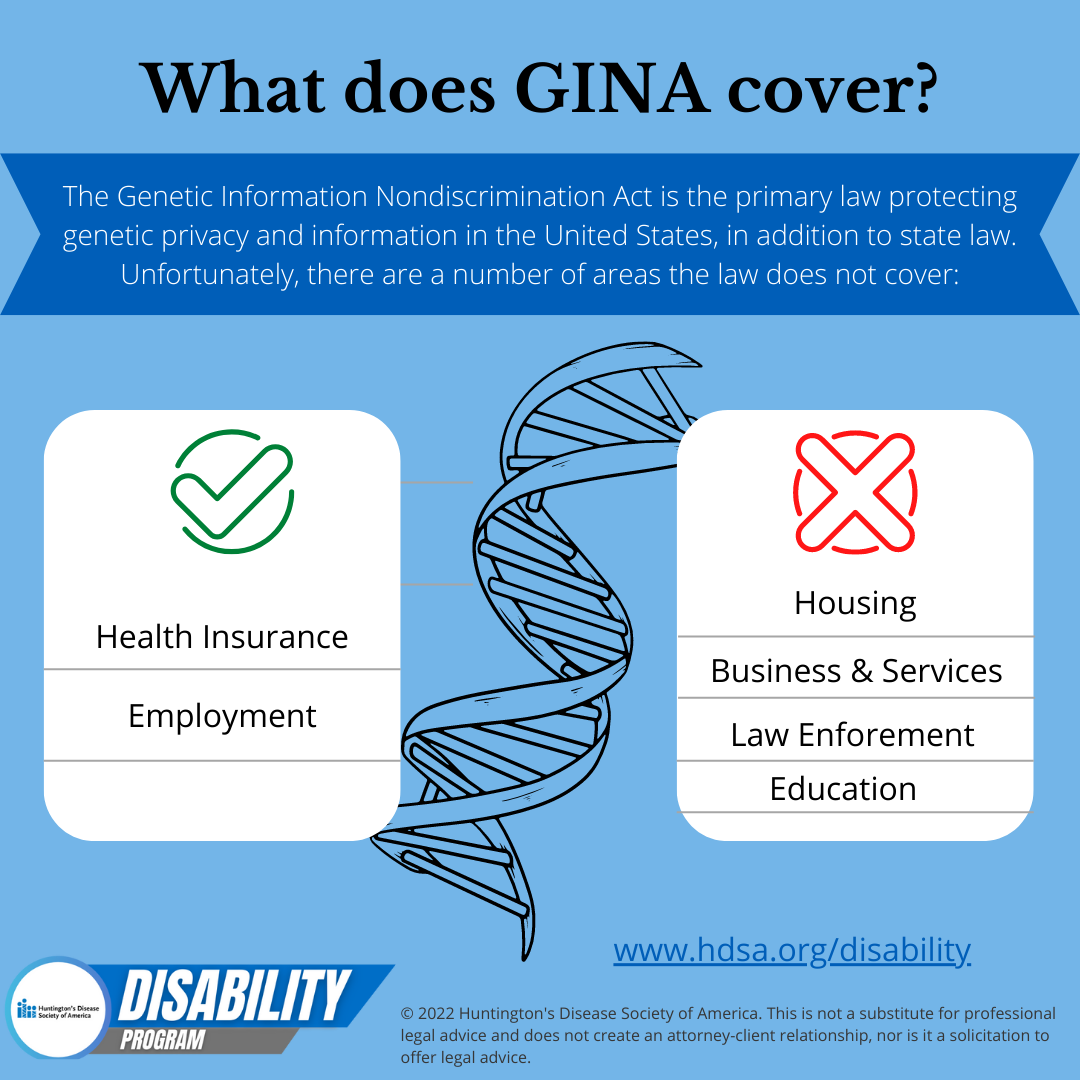
GINA serves as a critical digital security firewall, specifically designed to prevent discrimination based on an individual’s genetic information in two key areas: employment and health insurance. It recognizes the power of this data and creates a legal barrier against its misuse.
Employment Protections: Preventing Data Misuse in Hiring
GINA makes it illegal for employers to use genetic information in decisions related to hiring, firing, promotion, or any other terms of employment. This means an employer cannot:
- Request, require, or purchase genetic information about an applicant or employee.
- Use an applicant’s or employee’s genetic information in making employment decisions.
- Discriminate against employees or applicants based on their genetic information.
- Retaliate against individuals for asserting their GINA rights.
For example, if a job applicant undergoes a genetic test revealing a predisposition to a certain illness, GINA ensures that the employer cannot use that information to deny them a job, even if the employer fears future health costs or reduced productivity. This protection is vital in an era where AI-driven HR platforms could potentially analyze vast datasets, including health data, to inform hiring decisions. GINA acts as a crucial check on such technological capabilities, ensuring human rights and fairness are upheld.
Health Insurance Protections: Shielding Against Discrimination
In the realm of health insurance, GINA prohibits health insurers from using genetic information to make underwriting decisions. This includes:
- Denying coverage or adjusting premiums based on genetic information.
- Requesting or requiring individuals to undergo genetic testing.
- Considering genetic information as a pre-existing condition.
This means that a health insurer cannot, for instance, charge an individual a higher premium or deny them coverage simply because a genetic test indicates an elevated risk for a future disease. This provision is particularly important as direct-to-consumer genetic tests become more popular, and individuals might uncover predispositions they were previously unaware of. GINA ensures that this newfound knowledge doesn’t become a financial burden or barrier to obtaining essential health coverage. It prevents the weaponization of genetic data against individuals within the healthcare financing system.
Limitations and Exclusions: Where GINA Doesn’t Apply
While comprehensive in its scope for employment and health insurance, GINA is not a blanket privacy law for all genetic information. Understanding its limitations is crucial for individuals navigating their digital genetic footprint:
- Life, Disability, and Long-Term Care Insurance: GINA does not apply to these types of insurance. Companies offering these products can potentially use genetic information in their underwriting decisions, though state laws may offer additional protections. This is a significant gap in the digital security landscape for genetic data.
- Military and Federal Employees: The law has specific applications and exceptions for these groups.
- Genetic Information Not Used for Discrimination: If genetic information is inadvertently discovered (e.g., through public records) and not used for discriminatory purposes, GINA may not be violated.
- Symptoms and Diagnosed Conditions: GINA protects against discrimination based on genetic information (i.e., predispositions, genetic tests), but not against discrimination based on an individual’s already manifested disease or medical condition, even if that condition has a genetic basis. This distinction is critical for tech platforms dealing with health data.
The Technological Nexus: GINA in an Evolving Digital Landscape
The rapid pace of technological innovation continually presents new challenges and considerations for GINA. As genetic data becomes more integrated into various digital ecosystems, the act’s principles must be continually re-evaluated and reinforced.
Cloud Storage, AI, and Big Data: New Frontiers for Genetic Privacy
The modern era of genomics is inseparable from cloud computing, artificial intelligence (AI), and big data analytics. Genetic sequences, once processed, are often stored in vast cloud databases, making them accessible from anywhere but also increasing their vulnerability to breaches. AI algorithms are increasingly used to interpret complex genetic data, identify patterns, and even predict health outcomes, moving beyond simple risk assessment to more sophisticated insights. While these technologies promise revolutionary advancements in personalized medicine, they also create new avenues for potential misuse. For instance, an AI trained on vast genomic datasets could inadvertently (or intentionally) generate discriminatory profiles if not ethically designed and regulated. GINA provides a foundational legal safeguard, but cybersecurity measures, robust data governance, and ethical AI development are equally crucial to ensure genetic information remains protected in these advanced technological environments. The “digital security” aspect here extends from securing the data at rest and in transit, to securing the algorithms that process it.
Wearables, Direct-to-Consumer Genetic Testing, and Data Ownership
The proliferation of wearable health tech and the continued growth of direct-to-consumer (DTC) genetic testing services further complicate the genetic privacy landscape. Many DTC companies collect and store vast amounts of genetic data, often offering users online portals or apps to view their results. While these services provide convenience, their terms of service regarding data ownership, sharing with third parties, and security protocols vary widely. Users may unknowingly consent to their anonymized (or even identifiable) genetic data being used for research or sold to pharmaceutical companies. While GINA doesn’t regulate these companies directly in terms of data collection practices, it provides a crucial layer of protection if that data were to make its way into employment or health insurance decisions. For the tech-savvy individual, understanding the privacy policies of such services and exercising caution about data sharing is an essential step in personal digital security, complementing GINA’s legal framework.
The Role of Cybersecurity in Protecting Genomic Databases
Beyond legal protections, robust cybersecurity is the frontline defense for genetic information. Genomic databases, whether maintained by research institutions, hospitals, or private companies, are high-value targets for cybercriminals due to the sensitive and immutable nature of the data they hold. A breach of a genomic database could have devastating consequences, potentially exposing individuals to identity theft, targeted discrimination, or even blackmail for decades to come. Therefore, the implementation of cutting-edge encryption, multi-factor authentication, intrusion detection systems, and regular security audits are not merely best practices but absolute necessities. GINA sets the legal floor for nondiscrimination, but the technological ceiling for data protection is constantly being pushed higher by cybersecurity innovations.
Navigating the Future: GINA and the Quest for Comprehensive Digital Security
As genetic science and digital technology continue their intertwined evolution, the relevance and challenges to GINA will only intensify. Ensuring comprehensive digital security for genetic information requires a proactive and adaptable approach.
Global Perspectives on Genetic Data Privacy
While GINA is a U.S. law, genetic data often crosses international borders. Many individuals participate in global research studies, and companies offering genetic services operate internationally. Other regions, such as the European Union with its General Data Protection Regulation (GDPR), have their own robust frameworks for protecting personal data, which includes genetic information. However, the varying degrees of protection and enforcement across jurisdictions create complexities. A harmonized global approach to genetic data privacy and anti-discrimination policies would strengthen the overall digital security posture for individuals worldwide, preventing regulatory arbitrage and ensuring consistent protections regardless of where the data is generated or stored.
Future Challenges: Synthetic Biology and Advanced AI
The horizon of genetic technology includes synthetic biology—the design and construction of new biological parts, devices, and systems—and even more advanced AI capable of deriving incredibly nuanced insights from genomic data. These advancements pose novel ethical and legal dilemmas. Could synthetic genetic material be used to create new forms of discrimination? How will AI’s ability to infer sensitive information from seemingly innocuous data points impact privacy? GINA provides a foundational principle, but future legislative efforts and technological safeguards will be necessary to address these emerging complexities and ensure that the digital advancements in genetics serve humanity ethically and securely.

Empowering Individuals: Understanding Your Digital Genetic Rights
Ultimately, the effectiveness of GINA and other data protection measures hinges on individual awareness and empowerment. Understanding what genetic information is, how it’s protected, and where those protections have limits is crucial for every citizen in the digital age. This includes:
- Reading Privacy Policies: Scrutinizing the terms and conditions of DTC genetic testing services and other health tech apps.
- Exercising Data Rights: Knowing how to request, access, correct, or delete your genetic data where permitted.
- Advocacy: Supporting policies that strengthen genetic privacy and anti-discrimination laws.
GINA represents a vital early step in establishing digital security for our most fundamental personal data. As technology continues to accelerate, the responsibility falls to policymakers, technologists, and individuals alike to ensure that the promise of personalized medicine and genetic insight is realized without compromising the fundamental rights and digital security of any individual.
aViewFromTheCave is a participant in the Amazon Services LLC Associates Program, an affiliate advertising program designed to provide a means for sites to earn advertising fees by advertising and linking to Amazon.com. Amazon, the Amazon logo, AmazonSupply, and the AmazonSupply logo are trademarks of Amazon.com, Inc. or its affiliates. As an Amazon Associate we earn affiliate commissions from qualifying purchases.