
Pork, a versatile and beloved meat, offers a wide range of flavors and textures depending on the cut and cooking method. From succulent roasts and tender loins to crispy bellies and flavorful chops, pork can be a centerpiece for any meal. However, achieving the perfect pork dish isn’t just about seasoning or searing; it’s critically dependent on reaching the correct internal cooking temperature. This ensures not only optimal taste and texture but, more importantly, food safety.
The question of “what is the final cooking temp of pork” is paramount for home cooks and culinary professionals alike. While outdated advice might have leaned towards cooking pork until it was chalky white and dry, modern food safety guidelines and a deeper understanding of meat science have shifted this paradigm. Today, the emphasis is on achieving a safe internal temperature that preserves the pork’s inherent moisture and flavor, leading to a far more enjoyable eating experience.
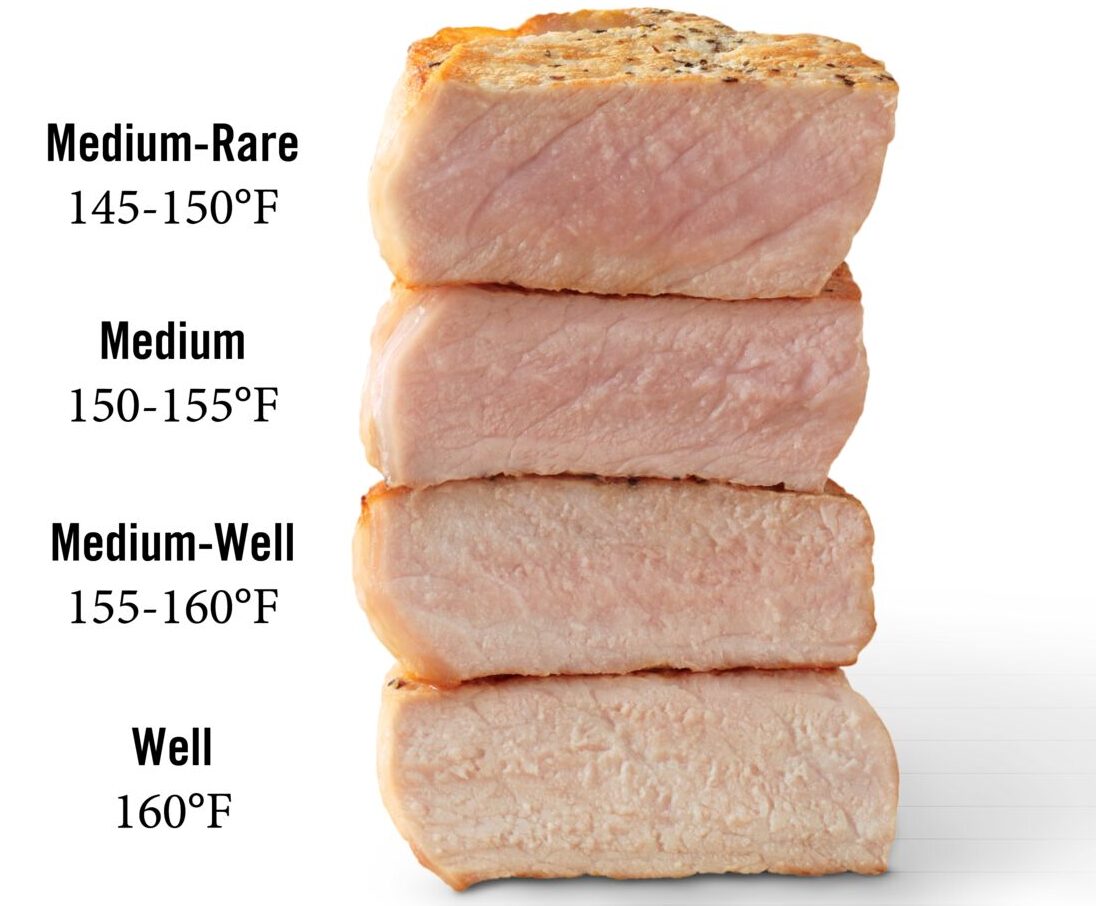
Understanding pork’s safe internal cooking temperatures is crucial for a few key reasons, all of which contribute to a superior culinary outcome. Firstly, food safety is paramount. Consuming undercooked pork can expose you to harmful bacteria and parasites, such as Trichinella spiralis and Salmonella. Reaching the recommended internal temperature effectively neutralizes these risks. Secondly, flavor and texture are directly impacted by cooking temperature. Overcooking pork leads to dryness and toughness, stripping it of its natural succulence. Conversely, cooking it to the right temperature allows for tender, juicy results, highlighting the meat’s natural deliciousness. Finally, consistency in your cooking becomes achievable when you rely on temperature as your guide. Instead of guessing or relying on visual cues that can be misleading, a thermometer takes the guesswork out of the equation, leading to repeatable, high-quality results every time.
The evolving recommendations for pork cooking temperatures have been influenced by several factors, including advancements in farming practices that have significantly reduced the risk of parasitic infections in commercially raised pork. This has allowed for slightly lower safe cooking temperatures compared to decades past. However, the overarching principle remains: cook pork to a safe internal temperature to prevent foodborne illness.
Understanding Pork Cooking Temperatures: From Safety to Succulence
The central tenet of cooking pork safely and deliciously lies in understanding its internal temperature. This isn’t a one-size-fits-all answer, as different cuts and desired results necessitate slightly different temperature benchmarks. However, a clear understanding of these temperatures, and how to achieve them, is fundamental to elevating your pork dishes from merely edible to truly exceptional.
Safe Internal Temperatures for Different Pork Cuts
The United States Department of Agriculture (USDA) has established guidelines for safe pork cooking temperatures, which have evolved over time. It’s important to note that these are minimum safe temperatures, and some individuals may prefer to cook their pork slightly higher for personal preference, though this often comes at the expense of moisture.
- Ground Pork: Due to its increased surface area and the way it’s processed, ground pork is more susceptible to bacterial contamination. Therefore, it requires a higher internal temperature to ensure safety. The USDA recommends cooking ground pork to 160°F (71°C). At this temperature, it is safe to consume, and it’s crucial to ensure no pink remains in the center.
- Pork Chops, Roasts, and Steaks: For whole cuts of pork like chops, roasts, and steaks, the USDA’s recommended minimum internal temperature is 145°F (63°C), followed by a three-minute rest period. This temperature allows the pork to be safely consumed while maintaining a tender and juicy texture. At 145°F, the pork will likely have a slightly pink hue in the center, which is perfectly safe and desirable for optimal flavor and moisture.
- Pork Shoulders, Boston Butts, and Hams: These cuts are often cooked for longer periods at lower temperatures to break down connective tissues and achieve a tender, shreddable texture. While the USDA still recommends a minimum of 145°F (63°C) for safety, these cuts benefit immensely from cooking to higher internal temperatures, typically between 190°F to 205°F (88°C to 96°C). At these temperatures, the collagen melts, resulting in incredibly tender and juicy pulled pork or succulent roasts that fall apart easily.
It’s vital to emphasize the three-minute rest period for chops, roasts, and steaks cooked to 145°F. During this resting phase, the internal temperature continues to rise slightly (carryover cooking), and more importantly, the juices redistribute throughout the meat, preventing them from escaping when you cut into it. This rest period is non-negotiable for achieving a truly juicy result.

The Importance of a Meat Thermometer
In the quest for perfectly cooked pork, a reliable meat thermometer is your most indispensable tool. Relying on visual cues or cooking times alone is a recipe for inconsistency and potential food safety risks.
- Accuracy is Key: A good meat thermometer provides an accurate reading of the pork’s internal temperature, removing the guesswork. This is especially critical when aiming for the USDA-recommended 145°F for whole cuts, where a slightly higher temperature can quickly lead to dryness, and a lower temperature poses a safety risk.
- Types of Thermometers: Several types of meat thermometers are available, each with its advantages:
- Instant-Read Thermometers: These are the most common and versatile. They provide a quick temperature reading within seconds and are essential for checking the internal temperature of roasts, chops, and even ground pork.
- Leave-In Probe Thermometers: These thermometers have a probe that stays in the meat throughout the cooking process, with the display unit placed outside the oven or grill. They are excellent for monitoring roasts and other cuts that require longer cooking times, allowing you to keep an eye on the temperature without repeatedly opening the cooking vessel.
- Smart Thermometers: These advanced thermometers connect to your smartphone via Bluetooth or Wi-Fi, allowing you to monitor cooking temperatures remotely, receive alerts, and even access pre-programmed cooking settings for various meats.
- Proper Usage: To get an accurate reading, insert the thermometer into the thickest part of the meat, avoiding bone or fat. For roasts, insert it into the center. For chops, aim for the middle of the cut. For ground meat, a few readings in different spots can ensure even cooking.
Beyond the Numbers: Achieving Optimal Flavor and Texture
While hitting the correct internal temperature is the bedrock of safe and delicious pork, several other factors contribute to a truly exceptional culinary experience. These elements, when combined with precise temperature control, elevate your pork dishes to gourmet status.
The Role of Carryover Cooking and Resting
As mentioned, the rest period after cooking is not merely an optional step; it’s a crucial part of the cooking process, especially for whole cuts of pork. When meat is heated, the muscle fibers contract, pushing juices towards the center. When you remove the meat from the heat, this pressure subsides, and the juices begin to redistribute throughout the cut.
- Carryover Cooking: During the resting period, the internal temperature of the pork will continue to rise by a few degrees, known as carryover cooking. This is why you often pull pork from the heat when it’s a few degrees below your target temperature, allowing it to reach its final safe temperature during the rest. For example, if aiming for 145°F, you might remove chops when they reach 140-142°F.
- Juice Redistribution: Without adequate resting, those flavorful juices will all drain out onto your cutting board the moment you slice the meat, leaving you with dry and less flavorful pork. A good 5-10 minute rest for chops, and 15-20 minutes or longer for larger roasts, is essential. Tent the meat loosely with foil to keep it warm without steaming.
Embracing Different Cooking Techniques for Different Cuts
The final cooking temperature of pork is intimately linked to the cooking technique employed. Different cuts of pork lend themselves to specific methods, each designed to enhance their unique characteristics and achieve optimal tenderness and flavor.
- Roasting: This technique is ideal for larger cuts like pork shoulders, loins, and whole hams. Roasting at moderate temperatures allows for even cooking and a beautiful exterior. For tenderloin or loin roasts, aiming for 145°F (63°C) with a good rest is perfect. For tougher cuts like pork shoulder, slower roasting at temperatures leading to internal temperatures of 190-205°F (88-96°C) is key for shreddability.
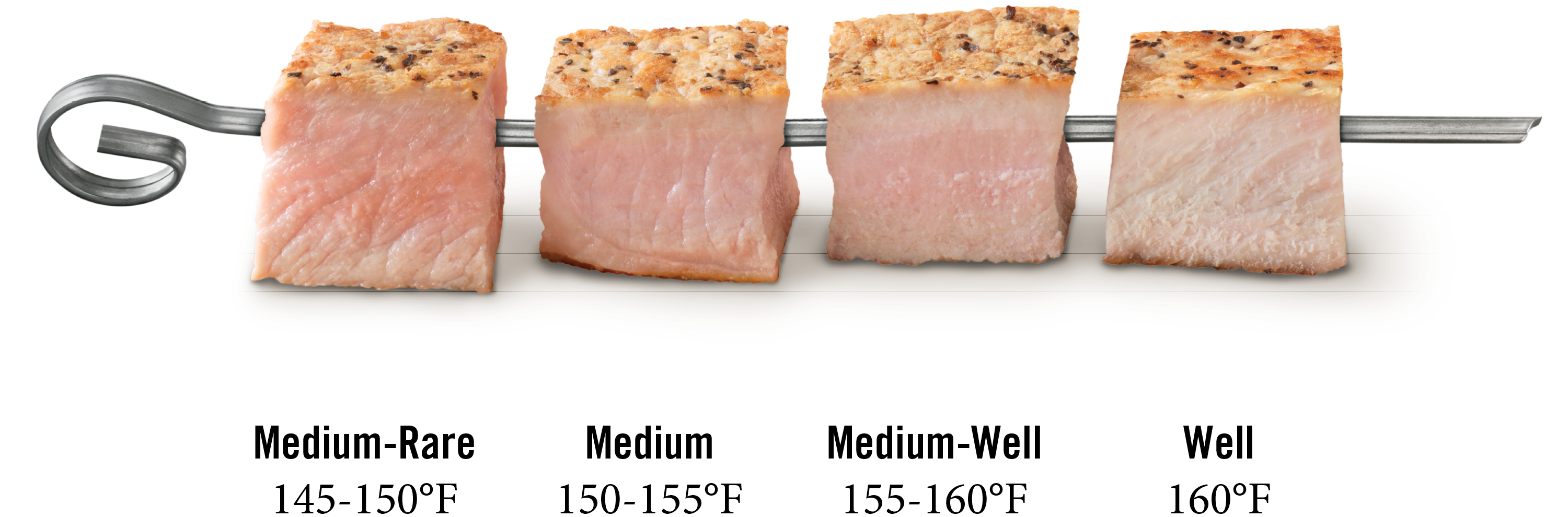
- Grilling: Grilling imparts a wonderful smoky flavor and can create a delicious char. Pork chops, tenderloin medallions, and skewers are excellent candidates for grilling. Again, hitting the 145°F (63°C) mark for whole cuts and allowing for a rest is paramount. Be mindful of flare-ups which can quickly overcook the exterior before the interior is done.
- Pan-Searing: This method is perfect for thinner cuts like pork chops or pork cutlets. It creates a beautiful crust and cooks the meat quickly. The goal is to achieve that 145°F (63°C) internal temperature efficiently.
- Braising and Slow Cooking: These low-and-slow methods are specifically designed for tougher cuts like pork shoulder, ribs, and shanks. The long cooking times at lower temperatures, often in liquid, break down connective tissues, rendering the meat incredibly tender and flavorful. For these methods, the target internal temperature is significantly higher, typically in the range of 190°F to 205°F (88°C to 96°C), to achieve that melt-in-your-mouth texture.
By understanding the interplay between the cut of pork, the desired outcome, the cooking technique, and, most importantly, the precise internal temperature, you can confidently prepare pork that is not only safe but also incredibly delicious and satisfying. The final cooking temperature of pork is the ultimate arbiter of success, transforming a simple ingredient into a culinary triumph.
aViewFromTheCave is a participant in the Amazon Services LLC Associates Program, an affiliate advertising program designed to provide a means for sites to earn advertising fees by advertising and linking to Amazon.com. Amazon, the Amazon logo, AmazonSupply, and the AmazonSupply logo are trademarks of Amazon.com, Inc. or its affiliates. As an Amazon Associate we earn affiliate commissions from qualifying purchases.