
The Dow Jones Industrial Average (DJIA), often simply referred to as “the Dow,” stands as one of the most iconic and frequently cited barometers of the U.S. stock market’s health. For decades, investors, analysts, and the general public have turned to the Dow’s daily fluctuations to gauge the pulse of corporate America and the broader economy. More than just a number on a screen, the Dow represents a snapshot of the sentiment, performance, and outlook of thirty of the largest and most influential publicly traded companies in the United States. Understanding “what the Dow market is today” requires more than just knowing its current point value; it necessitates delving into its composition, the factors driving its movements, and its significance within a diverse financial landscape.

In an increasingly interconnected and rapidly evolving global economy, keeping an eye on benchmark indices like the Dow is crucial for anyone involved in finance, whether as an institutional investor managing vast portfolios or an individual planning for retirement. The Dow’s movements reflect a complex interplay of corporate earnings, economic data, geopolitical events, and investor psychology. While it doesn’t represent the entire market, its blue-chip components offer a concentrated view of industrial and economic strength, making its daily performance a headline event. This article will explore the fundamentals of the Dow, analyze how its daily performance is shaped, and discuss its role in broader investment strategies, providing a comprehensive understanding for today’s market participants.
Understanding the Dow Jones Industrial Average (DJIA)
To truly grasp “what the Dow market is today,” one must first appreciate its origins, purpose, and the unique methodology behind its calculation. The DJIA is not merely a collection of stocks; it’s a historical index with a specific design that differentiates it from other market indicators.
A Brief History and Purpose
Conceived by Charles Dow, co-founder of The Wall Street Journal and Dow Jones & Company, the index was first published on May 26, 1896. Initially comprising just 12 industrial stocks, its primary goal was to provide a clear, concise measure of the performance of the most significant industrial companies in the burgeoning American economy. At a time when economic data was scarce, the Dow offered a crucial glimpse into the health of key sectors. Over the decades, its composition has evolved dramatically, reflecting shifts in economic dominance from heavy manufacturing to technology and financial services, yet its core purpose—to serve as a benchmark for large, established American corporations—remains unchanged. It continues to be a widely observed indicator of market direction and investor sentiment.
The “Industrials” and Their Evolution
Despite its name, the “Industrial” in Dow Jones Industrial Average is largely a historical anachronism. While it began with true industrial stalwarts like General Electric (a founding member, removed in 2018), the index today is far more diversified. Its 30 component companies span a wide array of sectors, including technology (Apple, Microsoft), financial services (JPMorgan Chase, Goldman Sachs), healthcare (Johnson & Johnson, UnitedHealth Group), retail (Walmart, Home Depot), and consumer goods (Coca-Cola, Procter & Gamble).
The selection of these 30 companies is not governed by rigid rules but by a committee at S&P Dow Jones Indices, which considers a company’s reputation, sustained growth, investor interest, and sector representation. The goal is to ensure the index accurately reflects the broader U.S. economy’s structure and the leadership of various industries, making it a more comprehensive gauge than its name suggests. This continuous evolution means that “what the Dow market is today” is very different from what it was a century ago, representing a dynamic cross-section of leading American enterprises.
How the Dow is Calculated: A Price-Weighted Index
Unlike other major indices like the S&P 500, which are market-capitalization weighted (meaning companies with larger market values have a greater impact), the Dow is a price-weighted index. This means that stocks with higher share prices have a greater influence on the index’s value than those with lower share prices, regardless of their total market capitalization.
The calculation involves summing the prices of the 30 component stocks and then dividing that sum by a “Dow Divisor.” This divisor is adjusted periodically for stock splits, mergers, or changes in the component companies to maintain the historical continuity of the index. While this methodology has been criticized for giving undue weight to high-priced stocks and potentially misrepresenting the overall market, it contributes to the Dow’s unique character and historical narrative, making its daily point changes a subject of intense focus.
Analyzing Today’s Dow Performance
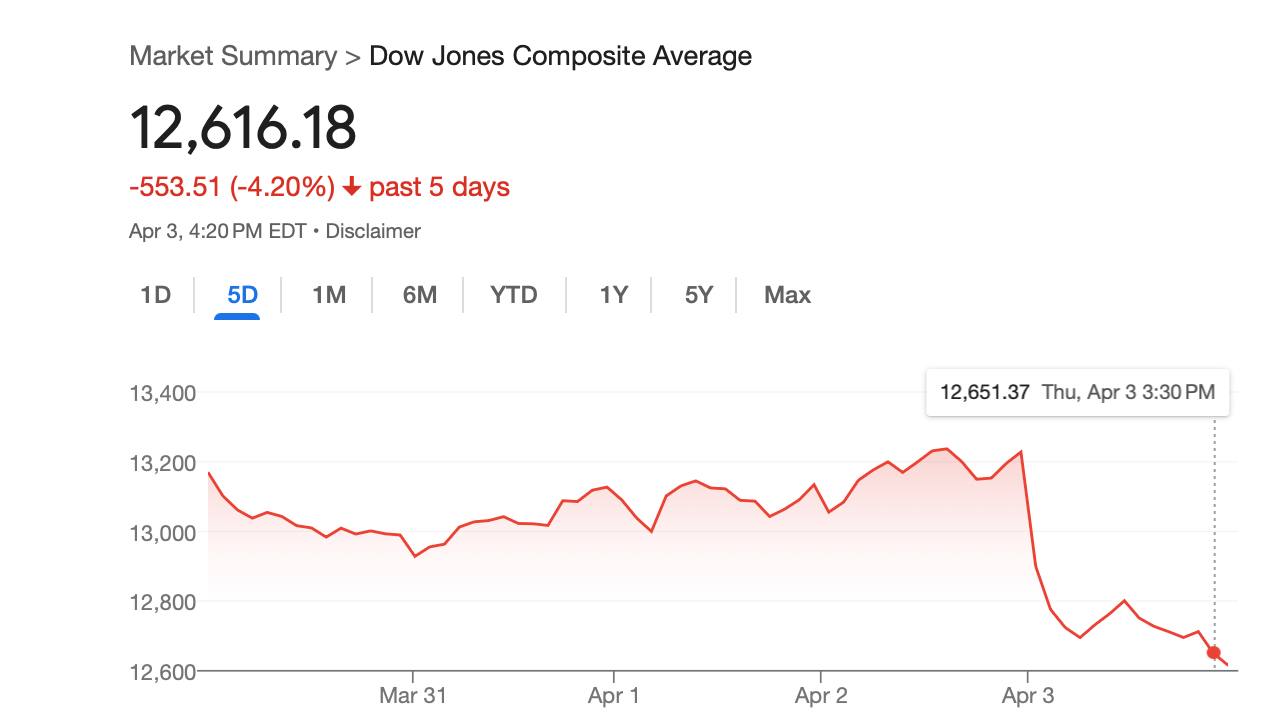
When someone asks “what is the Dow market today,” they are often looking for its current value and how much it has moved. However, a true analysis goes beyond these simple figures to understand the forces at play and what those numbers truly signify.
Key Factors Influencing Daily Movements
The Dow’s daily performance is a complex interplay of numerous domestic and international factors.
- Corporate Earnings Reports: The performance of the 30 individual companies is paramount. Stronger-than-expected earnings reports from major Dow components can lift the entire index, while disappointments can drag it down.
- Economic Indicators: Macroeconomic data points such as GDP growth, inflation rates (CPI, PPI), employment figures (non-farm payrolls, unemployment rate), interest rate decisions by the Federal Reserve, and consumer confidence surveys heavily influence investor sentiment and, consequently, stock prices.
- Geopolitical Events: International trade disputes, political instability in key regions, major elections, or global health crises can introduce uncertainty, leading to market volatility.
- Commodity Prices: Significant fluctuations in oil prices or other key commodities can impact the profitability of certain sectors and global economic outlooks.
- Investor Sentiment and Technical Factors: Market psychology, momentum trading, and technical analysis (e.g., support and resistance levels) can also contribute to short-term movements.
Interpreting the Numbers: Beyond Just the Point Change
A 300-point swing in the Dow today means something different than it did when the index was at 10,000 points. Percentage change is often a more accurate measure of the day’s market movement. For instance, a 300-point gain when the Dow is at 35,000 points is less than a 1% increase, whereas the same point gain when the Dow was at 10,000 points represented a 3% increase. Analysts also look at trading volume, which can indicate the conviction behind a move. High volume on a significant price change suggests strong market conviction, while low volume might indicate a less meaningful fluctuation. Understanding these nuances is key to accurately interpreting “what the Dow market is today.”
Sectoral Contributions and Leadership
While the Dow is an aggregate index, its individual components can experience varying fortunes. On any given day, certain sectors might be leading the gains or losses, providing insight into specific industry trends. For example, a surge in technology stocks might propel the Dow higher, even if traditional industrial stocks are lagging. Observing which companies or sectors are driving the daily moves offers a deeper understanding of underlying economic narratives and shifts in investor preference. This sectoral analysis helps in understanding the qualitative aspects of the Dow’s daily performance, moving beyond just the headline number.
The Dow’s Role in a Broader Investment Strategy
For investors, the Dow is just one piece of a larger puzzle. While frequently in the news, its utility in personal finance and investing needs to be understood in context.
Dow vs. S&P 500 vs. Nasdaq Composite: A Comparative Look
While the Dow is prominent, it’s crucial to compare it with other major indices.
- S&P 500: Often considered a better representation of the broader U.S. stock market due to its inclusion of 500 large-cap companies and its market-capitalization weighting.
- Nasdaq Composite: Heavily weighted towards technology and growth companies, providing insight into the performance of that specific sector.
Each index offers a different lens through which to view the market. The Dow, with its focus on 30 established blue-chip companies, can be seen as a proxy for the traditional industrial and financial backbone of the U.S. economy. For a diversified investment strategy, observing all three indices provides a more holistic view of market dynamics.
The Dow as a Barometer: Strengths and Limitations
The Dow’s strength lies in its simplicity and historical significance. It’s an easily digestible figure that quickly conveys general market sentiment, making it an excellent barometer for public consumption. However, its limitations stem from its small number of components and its price-weighted methodology, which can make it less representative of the entire market compared to broader indices. It tends to be less volatile than the Nasdaq but can still experience significant swings based on the performance of a few highly-weighted, high-priced stocks. Understanding these strengths and limitations is vital for investors relying on market indicators.
Implications for Individual Investors (Long-term vs. Short-term)
For long-term investors, the daily fluctuations of the Dow are often less critical than the overall long-term trend. A healthy Dow generally signals a robust economy and strong corporate earnings, which supports long-term wealth creation. Daily movements might influence short-term trading decisions, but for those investing for retirement or other distant goals, a diversified portfolio that isn’t solely focused on the 30 Dow components is generally recommended. The Dow’s historical performance demonstrates the power of compounding over decades, but short-term noise can be misleading without a broader perspective.
Navigating Market Volatility and Future Outlook
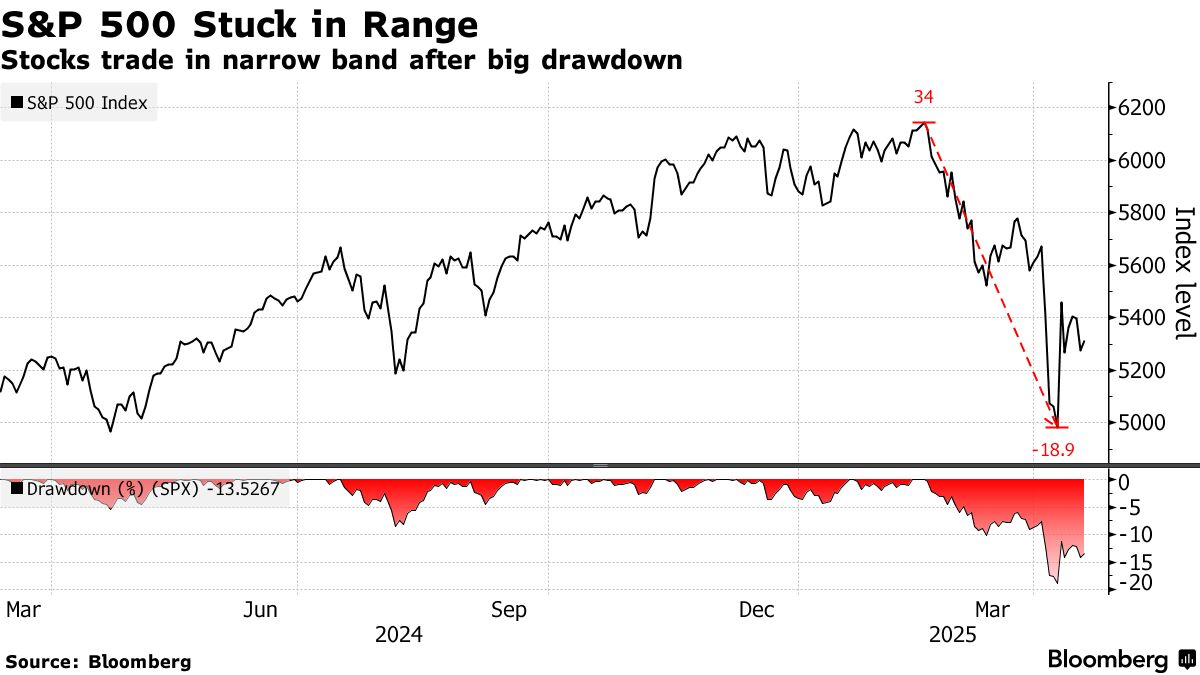
The market, including the Dow, is inherently cyclical and subject to periods of volatility. Understanding these cycles and developing strategies to navigate them is crucial for financial success.
Identifying Trends and Potential Reversals
Market analysis often involves identifying long-term trends (bull or bear markets) and looking for signs of potential reversals. While the Dow is a lagging indicator in some respects, its sustained moves can confirm broader market trends. Technical analysis, such as looking at moving averages, volume, and chart patterns, can help investors spot potential turning points. Fundamental analysis, which involves evaluating the economic health and corporate earnings outlook, provides the underlying justification for these trends. Combining both approaches gives a more robust picture of the Dow’s potential trajectory.
Strategies for Investors: Diversification and Long-Term Perspective
Given the Dow’s limitations as a sole indicator, diversification across various asset classes, sectors, and geographies remains a cornerstone of sound investment strategy. Relying on a single index, even one as prominent as the Dow, carries concentration risk. A long-term perspective helps investors weather short-term market corrections and avoid making impulsive decisions based on daily headlines. Investing in broad market index funds (like those tracking the S&P 500 or total stock market) rather than individual Dow components can offer diversified exposure.
Expert Forecasts and Economic Projections
Financial analysts and economists regularly provide forecasts for market performance and economic growth. These projections, based on current data, historical trends, and predictive models, can offer valuable insights into potential future movements of the Dow and the broader market. However, it’s important to remember that forecasts are not guarantees and can be subject to revision as new information emerges. Staying informed about these projections, while maintaining a critical perspective, is part of intelligent investing.
Tools and Resources for Tracking the Dow
In today’s digital age, a wealth of resources is available to track the Dow’s performance in real-time and conduct deeper analysis.
Real-time Data Sources
Numerous financial websites (e.g., Yahoo Finance, Google Finance, Bloomberg, Reuters) and brokerage platforms offer real-time quotes for the Dow, often including pre-market and after-hours trading data. These platforms provide charts, historical data, and often news feeds directly related to the Dow’s components and relevant economic events. Access to timely information is critical for understanding “what the Dow market is today” as it unfolds.
Analytical Platforms and Financial News
For more in-depth analysis, subscription-based analytical platforms offer advanced charting tools, economic calendars, and research reports. Major financial news outlets provide expert commentary, interviews with market strategists, and detailed articles dissecting the Dow’s movements and their implications. Reading reputable financial news is essential for staying abreast of the narratives driving market sentiment and for understanding the broader context of the Dow’s performance.
The Importance of Informed Decision-Making
Ultimately, understanding “what the Dow market is today” is not about predicting tomorrow’s exact numbers, but about making informed financial decisions. This involves continuous learning, staying updated with economic developments, critically evaluating information, and aligning market insights with personal financial goals and risk tolerance. The Dow is a powerful signal, but it’s one of many that savvy investors use to navigate the complex world of finance.
In conclusion, the Dow Jones Industrial Average remains a cornerstone of market analysis, offering a concentrated view of America’s leading enterprises. While its daily movements capture headlines, a deeper understanding requires appreciating its history, unique calculation, and its position within the broader financial ecosystem. For those in the world of money and investing, keeping an informed perspective on the Dow, alongside other indicators and a robust investment strategy, is key to navigating the opportunities and challenges of the market.
aViewFromTheCave is a participant in the Amazon Services LLC Associates Program, an affiliate advertising program designed to provide a means for sites to earn advertising fees by advertising and linking to Amazon.com. Amazon, the Amazon logo, AmazonSupply, and the AmazonSupply logo are trademarks of Amazon.com, Inc. or its affiliates. As an Amazon Associate we earn affiliate commissions from qualifying purchases.