
In the rapidly evolving and increasingly competitive cannabis market, a brand’s success hinges not just on product quality, but profoundly on its ability to clearly articulate the unique experiences it offers. At the heart of this differentiation lies a fundamental understanding of Indica, Sativa, and Hybrid strains. These classifications are far more than mere botanical terms; they are the foundational pillars upon which distinct brand narratives are built, consumer expectations are managed, and loyal communities are fostered. For cannabis brands, deciphering these differences is not just a scientific exercise, but a strategic imperative to segment markets, position products effectively, and communicate value with precision and authenticity.
This article will explore the core distinctions between Indica, Sativa, and Hybrid strains, framing them through the lens of brand strategy. We will examine how these inherent characteristics dictate product development, influence marketing messages, and shape the overall brand identity, ensuring that businesses can craft compelling narratives that resonate deeply with their target consumers.
Deciphering Core Identities: Indica vs. Sativa for Brand Positioning
The most foundational distinction in cannabis branding lies between Indica and Sativa strains. These two categories represent not just genetic lineages but historically distinct user experiences, which form the basis for initial market segmentation and brand promise. Understanding and leveraging these differences allows brands to develop clear, unambiguous product lines that cater to specific consumer needs and desired outcomes.
Indica: The Brand of Relaxation and Calm
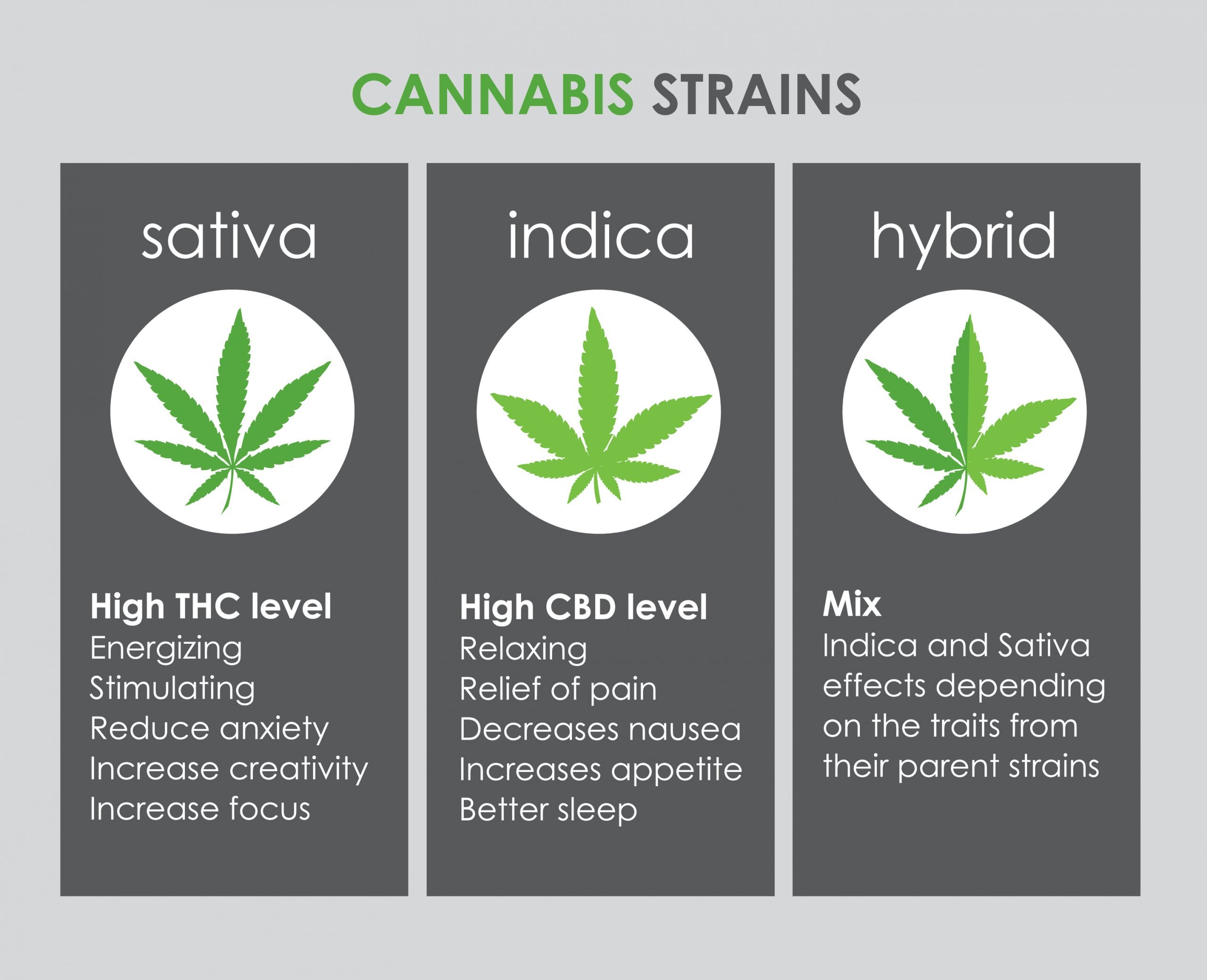
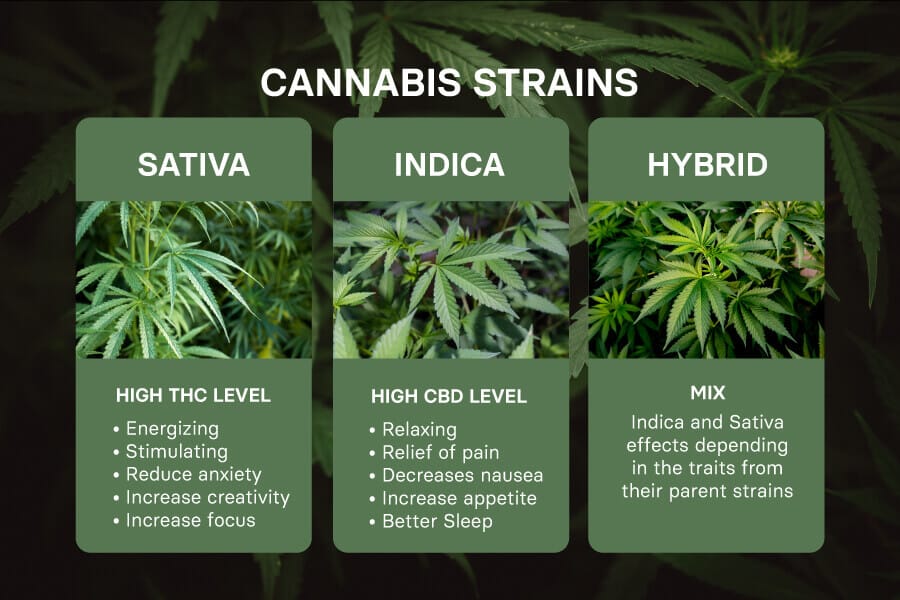
Historically associated with origins in the Hindu Kush mountains, Indica strains are widely recognized for their deeply relaxing and often sedative effects. From a branding perspective, Indica products are perfectly positioned for consumers seeking tranquility, stress relief, and assistance with sleep. The brand narrative for Indica-dominant products often revolves around themes of winding down, comfort, serenity, and introspection.
- Physical Characteristics as Branding Cues: Indica plants are typically short, bushy, with broad leaves. While not directly visible to the end-consumer in a packaged product, this historical image contributes to the perception of robustness and earthiness.
- Experiential Brand Promise: Brands marketing Indica strains often use imagery and language that evokes nighttime, quiet evenings, comfort zones, and a sense of “unplugging.” Phrases like “unwind,” “deep relaxation,” “soothe,” and “peaceful sleep” are common in their marketing copy and product descriptions.
- Target Consumer Profile: Ideal for brands targeting individuals looking for evening use, stress management, pain relief, or simply a calm, body-focused experience. The brand identity leans towards a therapeutic, comforting, and unwinding appeal.
- Product Development & Packaging: Packaging for Indica products might feature darker, warmer color palettes, soft textures, and design elements that suggest coziness and calm. Edibles might be positioned for evening consumption, and topicals for localized relief.
Sativa: The Brand of Energy and Creativity
Originating from equatorial regions, Sativa strains are largely celebrated for their uplifting, energizing, and cerebral effects. For brands, Sativa represents an opportunity to tap into markets seeking stimulation, focus, creativity, and social engagement. The brand narrative here is one of invigoration, exploration, and enhanced cognitive function.
- Physical Characteristics as Branding Cues: Sativa plants are typically tall, slender, with narrow leaves. This lanky, reaching quality can metaphorically translate to upward energy and expansion in brand imagery.
- Experiential Brand Promise: Sativa-focused brands employ vibrant language and visuals suggesting daytime use, productivity, social interaction, and creative pursuits. Marketing copy frequently includes terms like “uplift,” “focus,” “energize,” “inspire,” and “socialize.”
- Target Consumer Profile: Brands aiming for consumers interested in daytime use, creative enhancement, mood elevation, or an active social life will lean into Sativa offerings. The brand identity is often dynamic, vibrant, and forward-looking.
- Product Development & Packaging: Packaging for Sativa products might utilize brighter, more energetic color schemes, minimalist designs, and imagery that conveys clarity and movement. Vape pens might be marketed for discreet, on-the-go invigoration, and edibles for focused creative sessions.
The Synergistic Strategy: Understanding Hybrid Brands
While the Indica and Sativa classifications provide a clear dichotomy, the reality of the cannabis market is often dominated by Hybrids. These strains are cultivated through cross-breeding, combining genetics from both Indica and Sativa plants. For brands, Hybrids offer a vast spectrum of possibilities, allowing for highly specific product tailoring and the creation of unique market niches by balancing different effects.
Balanced Hybrids: The Best of Both Worlds Brand
Balanced Hybrids aim to deliver an experience that incorporates desirable traits from both Indica and Sativa, without a strong dominance from either. These strains provide a versatile brand offering, appealing to consumers who seek a more moderated experience or those who are new to cannabis and prefer a less intense introduction.
- Brand Narrative: Brands marketing balanced Hybrids can position them as “all-purpose,” “versatile,” or “everyday” strains. The narrative focuses on harmony, equilibrium, and adaptability. They are ideal for consumers looking for a gentle uplift combined with mild relaxation, suitable for a variety of activities throughout the day.
- Marketing Messaging: Messaging emphasizes a smooth, well-rounded experience, avoiding extremes. Keywords might include “harmonious,” “adaptable,” “gentle,” and “subtle enhancement.”
- Product Application: Ideal for brands looking to offer a broad-appeal product or to cater to consumers who want to avoid the pronounced effects of pure Indicas or Sativas.
Sativa-Dominant & Indica-Dominant: Tailoring Brand Experiences
Beyond balanced Hybrids, the majority of hybrid strains lean towards one parent plant, offering either Sativa-dominant or Indica-dominant effects. This allows brands to offer a nuanced range of products that fine-tune the consumer experience.
- Sativa-Dominant Hybrids: These strains provide an energetic and uplifting experience, but with a touch of the physical relaxation or reduced anxiety often associated with Indica.
- Brand Strategy: Positioned for consumers who desire mental clarity and energy, but with a smoother “landing” or without the potential jitteriness some pure Sativas can induce. The brand narrative can focus on “focused energy with a calm mind” or “creative flow without the edge.” This allows brands to expand their “daytime” offerings with added sophistication.
- Indica-Dominant Hybrids: These strains offer deep relaxation and body effects, but with a touch of the cerebral clarity or mood elevation of a Sativa, mitigating heavy sedation.
- Brand Strategy: Marketed to consumers seeking robust relaxation or pain relief, but who wish to avoid feeling completelycouch-locked or overly sedated. The brand narrative might emphasize “deep comfort with gentle mental ease” or “restful relief without complete fog.” This enriches “evening” product lines by offering degrees of relaxation.

By categorizing Hybrids further, brands can create a highly sophisticated product portfolio that addresses very specific consumer preferences, moving beyond generic “Hybrid” labels to offer truly tailored experiences.
Beyond Genetics: Terpenes, Cannabinoids, and the Entourage Effect in Branding
While Indica, Sativa, and Hybrid provide a macro-level classification, the true depth of cannabis branding lies in understanding the complex interplay of cannabinoids, terpenes, and other compounds. This “entourage effect” is increasingly central to sophisticated brand narratives, allowing for deeper product differentiation and a more scientific, trust-based approach to consumer education.
The Aromatic Signature: Terpenes as Brand Differentiators
Terpenes are aromatic compounds found in cannabis (and many other plants) that contribute to its distinctive scent and flavor profile. Crucially, they also interact with cannabinoids to modulate the plant’s effects. For brands, terpenes are a goldmine for creating unique identities and communicating specific experiences beyond the Indica/Sativa/Hybrid paradigm.
- Flavor and Aroma Branding: Brands can highlight dominant terpenes like Myrcene (earthy, fruity, relaxing), Limonene (citrusy, uplifting), Caryophyllene (spicy, peppery, anti-inflammatory), or Pinene (piney, alert) to market specific sensory experiences.
- Experiential Branding through Terpenes: A brand can position a strain rich in Limonene for its mood-boosting properties, or a Myrcene-heavy strain for its potential to induce relaxation. This allows for precise marketing messages, moving from generic “Sativa for energy” to “our citrus-infused strain for a focused, uplifting start to your day.”
- Consumer Education and Transparency: Highlighting terpene profiles demonstrates scientific rigor and transparency, building consumer trust. Brands that educate their customers about specific terpenes empower them to make informed choices, fostering loyalty.
Cannabinoids: Shaping the Branded Experience
While THC and CBD are the most well-known cannabinoids, minor cannabinoids like CBG, CBN, and THCV are gaining recognition for their unique properties. A brand’s ability to identify, isolate, and market products rich in specific cannabinoids is a powerful differentiator.
- Targeted Effects and Product Lines: Brands can create distinct product lines around specific cannabinoid profiles. For example, a “Sleep” brand might focus on CBN-rich products, while a “Focus” brand might explore THCV for its alertness-inducing potential.
- Therapeutic and Wellness Branding: For brands focused on the wellness space, marketing products based on their cannabinoid content allows for clearer communication of potential therapeutic benefits, albeit within regulatory guidelines. This elevates the brand from recreational to health-conscious.
- Scientific Credibility: Highlighting lab-tested cannabinoid profiles on packaging and marketing materials lends an air of scientific credibility and premium quality to a brand.
Strategic Branding and Marketing Implications
The nuanced understanding of Indica, Sativa, Hybrid, and their underlying chemical profiles is not just academic; it has profound implications for every facet of a cannabis brand’s strategy.
Product Positioning and Market Segmentation
Armed with knowledge of strain differences, brands can meticulously position their products to capture specific market segments.
- Creating a Portfolio: A brand can build a comprehensive portfolio that includes distinct Indica lines for evening relaxation, Sativa lines for daytime activity, and various Hybrid options for balanced or nuanced effects. Each line gets its own unique branding, packaging, and messaging.
- Targeted Campaigns: Marketing campaigns can be precisely targeted. An Indica brand might run ads in health and wellness publications, while a Sativa brand might partner with artists or productivity influencers.
- Addressing Pain Points: By understanding specific effects, brands can directly address consumer pain points, such as “struggling to relax after work” (Indica solution) or “lacking creative inspiration” (Sativa solution).
Consumer Education and Trust Building
In an industry still grappling with stigma and misinformation, educating consumers is a cornerstone of brand building.
- Demystifying Cannabis: Brands that clearly explain the differences between strains, cannabinoids, and terpenes empower consumers and demystify the product, making it less intimidating and more approachable.
- Building Expertise and Authority: A brand that consistently provides accurate, accessible information establishes itself as an authority and a trusted resource. This fosters a sense of loyalty and community.
- Managing Expectations: By clearly communicating the anticipated effects of each strain type, brands can manage consumer expectations, leading to higher satisfaction and fewer negative experiences, which in turn reinforces positive brand perception.
- Ethical Marketing: Responsible branding involves transparently communicating product effects and potential uses, which is built upon a solid understanding of strain characteristics.
Conclusion
The question “what is the difference between Indica and Sativa and Hybrid” is far more than a simple query about plant types for cannabis brands. It represents the foundational knowledge required to navigate a complex market, differentiate products, and build lasting relationships with consumers. By meticulously understanding and strategically leveraging the distinct characteristics and experiential promises of Indica, Sativa, and Hybrid strains – and delving deeper into their cannabinoid and terpene profiles – brands can craft compelling, authentic narratives. This precision in branding not only helps consumers make informed choices but also allows businesses to cultivate a strong identity, foster trust, and achieve enduring success in the dynamic world of cannabis.
aViewFromTheCave is a participant in the Amazon Services LLC Associates Program, an affiliate advertising program designed to provide a means for sites to earn advertising fees by advertising and linking to Amazon.com. Amazon, the Amazon logo, AmazonSupply, and the AmazonSupply logo are trademarks of Amazon.com, Inc. or its affiliates. As an Amazon Associate we earn affiliate commissions from qualifying purchases.