
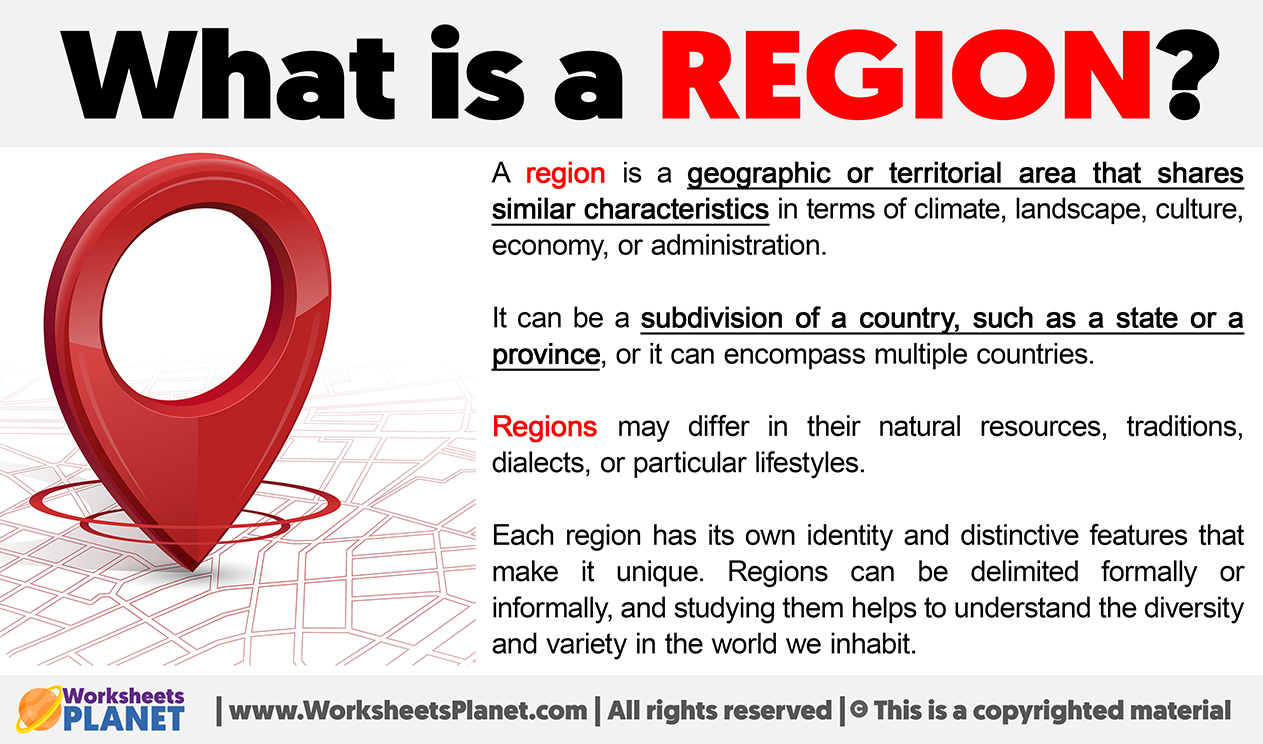
The concept of a “region” is surprisingly multifaceted, extending far beyond simple geographical boundaries. While our immediate thought might drift to continents, countries, or states, the true definition of a region is more fluid and context-dependent. It’s a designated area, real or conceptual, unified by shared characteristics, functions, or purposes. This understanding is crucial across numerous disciplines, from geography and urban planning to marketing, technology, and even personal development. In essence, a region is a construct that helps us organize, analyze, and understand the world around us by identifying and grouping elements that exhibit commonalities.
The way we define and utilize the concept of a region is profoundly influenced by the lens through which we view it. For businesses seeking to understand their markets, for tech companies developing localized solutions, or for individuals looking to manage their finances, the definition of a region can shift significantly. Let’s explore how this dynamic concept plays out across the interconnected domains of Tech, Brand, and Money.
Regions in the Digital Landscape: Tech and its Spatial Considerations
The world of technology, while often perceived as borderless, is deeply intertwined with the concept of regions. Digital products and services are rarely one-size-fits-all. Instead, they are often tailored, localized, and distributed with specific regional considerations in mind. This is where the definition of a region becomes critical for innovation, adoption, and security.
The Localization Imperative: Tailoring Tech for Diverse Regions
One of the most significant ways regions impact tech is through localization. This isn’t just about translating an app into another language; it encompasses adapting content, features, user interfaces, and even pricing to resonate with the cultural nuances, legal frameworks, and user behaviors prevalent in a particular region.
For instance, a social media platform might tailor its content algorithms to favor local trends and news in Europe compared to Asia. An e-commerce app might prioritize payment methods popular in South America, such as Boleto Bancário, over credit card dominance in North America. AI tools, while possessing global capabilities, often require regional data sets for accurate performance. A voice assistant, for example, needs to understand regional accents, idioms, and common phrases to be truly effective.
The definition of a “region” for localization purposes can be granular. It could be an entire continent, a specific country, a cultural bloc (like the Anglosphere), or even a metropolitan area with distinct subcultures. Understanding these regional differences allows tech companies to maximize user engagement, build stronger brand loyalty, and achieve greater market penetration. Ignoring regional variations, conversely, can lead to awkward user experiences, reduced adoption rates, and ultimately, business failure.
Geopolitical Regions and Digital Security
Beyond user experience, regions play a vital role in digital security and regulatory compliance. Governments worldwide are increasingly enacting data privacy laws and cybersecurity regulations that vary significantly from one region to another. The General Data Protection Regulation (GDPR) in Europe, the California Consumer Privacy Act (CCPA) in the United States, and similar frameworks in other nations dictate how user data can be collected, stored, and processed.
For technology companies operating globally, this necessitates a nuanced understanding of regional legal landscapes. A “region” in this context is defined by legal jurisdiction. Companies must ensure their software, cloud infrastructure, and data handling practices comply with the specific regional laws where their users reside. This might involve establishing data centers within certain borders, implementing regional data anonymization protocols, or providing users with region-specific data control options.
Furthermore, geopolitical regions can influence the availability and functionality of certain technologies. Export controls, sanctions, and national security concerns can restrict the use of specific software or hardware in particular areas. Developers of AI tools, for example, must be aware of potential export restrictions on advanced algorithms or training data, defining “regions” based on national policies. This adds another layer to the definition of a region, one that is driven by political and economic factors, impacting global tech deployment and innovation.
The Rise of Edge Computing and Regional Infrastructure
The burgeoning field of edge computing further emphasizes the importance of regionality in tech. Edge computing involves processing data closer to the source of its generation, rather than sending it to a centralized cloud. This is crucial for applications requiring low latency, such as autonomous vehicles, real-time analytics, and augmented reality experiences.
In this scenario, a “region” can be defined by proximity and network latency. A region might be a cluster of data centers serving a particular city or geographical area, minimizing the physical distance data needs to travel. The definition of the region here is driven by performance requirements and the physical infrastructure that supports them. Companies investing in edge computing must strategically select locations for their edge nodes, effectively creating and managing distinct computational regions to optimize service delivery.
Building Bridges: Brand Identity Across Diverse Regions
Brand, in its essence, is about perception, connection, and reputation. When venturing into different markets, understanding the concept of a “region” becomes paramount for crafting a compelling and resonant brand identity. It’s about more than just a logo; it’s about how the brand speaks, behaves, and is perceived within the unique cultural and commercial landscapes of a given area.
Cultural Nuances and Regional Brand Messaging
The most apparent regional influence on brand is cultural adaptation. A marketing campaign that is wildly successful in one country might fall flat or even cause offense in another. The definition of a “region” here is heavily influenced by shared cultural values, social norms, historical context, and even humor.
For instance, color symbolism varies significantly across regions. White is associated with purity and weddings in Western cultures, but with mourning in many East Asian cultures. A brand might need to adjust its visual identity or campaign imagery accordingly. Similarly, the tone of voice – whether formal or informal, direct or indirect – must be carefully considered. What is seen as assertive and confident in one region might be perceived as aggressive in another.
Corporate identity, a core component of branding, must also be sensitive to regional interpretations. The symbols, metaphors, and narratives that resonate with a target audience need to be carefully crafted for each specific region. Case studies, a powerful tool for demonstrating brand value, must highlight successes that are relevant to the local context, showcasing how the brand has addressed challenges and met needs specific to that region. Failure to acknowledge these regional differences can lead to a disconnect with the target audience, weakening brand equity and hindering market growth.
Market Segmentation and Regional Marketing Strategies
From a marketing perspective, regions are often defined by market segmentation. This involves dividing a larger market into smaller groups of consumers with similar needs, preferences, and buying behaviors. These segments are frequently delineated by geographical regions, but also by psychographic and demographic factors that often align with regional characteristics.
A company might define its target “region” as urban millennials in Southeast Asia, or rural families in Eastern Europe. Within these broad definitions, further regional segmentation might be necessary. For example, a fashion brand might have different marketing strategies for coastal cities versus inland towns, recognizing distinct lifestyle preferences and purchasing power within the same country.
The definition of a region in marketing is about identifying pockets of opportunity and tailoring marketing efforts to maximize impact. This includes selecting the most effective advertising channels (e.g., specific social media platforms popular in a region, local television networks), developing region-specific promotions, and even adjusting product offerings. The goal is to create marketing messages that feel authentic and relevant to the consumers within that defined region, fostering a stronger emotional connection and driving sales.
Reputation Management in a Globalized, Yet Localized, World
In today’s interconnected world, a brand’s reputation can spread like wildfire. However, the impact of that reputation can be intensely regional. What constitutes a positive or negative sentiment can be shaped by local news cycles, cultural values, and prevailing opinions within a specific region.
Reputation management, therefore, requires a regionalized approach. A company must monitor social media conversations, news outlets, and customer feedback not just globally, but also within its key operational regions. A PR crisis that might be quickly resolved in one part of the world could fester and escalate in another if not addressed with culturally sensitive and regionally appropriate responses.
The definition of a “region” for reputation management is tied to where the brand has a presence, where its customers are, and where its media influence is most potent. This requires ongoing research into local sentiment, understanding the impact of regional events on brand perception, and developing crisis communication plans that are adaptable to diverse regional contexts. Ultimately, building a strong and resilient brand across different regions means understanding that reputation is not a monolith, but a mosaic of localized perceptions.
Navigating the Financial Terrain: Regions and Personal and Business Finance
The concept of region is also a fundamental determinant in the world of finance, influencing everything from personal budgeting to global investment strategies and business operations. The economic landscape, regulatory environment, and even the cost of living are all deeply influenced by where an individual or business operates.
Personal Finance: Regional Cost of Living and Income Potential
For individuals, the definition of a “region” profoundly impacts their personal finance. The cost of living can vary dramatically between cities, states, and countries. A salary that might be comfortable in a rural area could be barely enough to survive in a major metropolitan center. This means that budgeting and financial planning must be inherently regional.
When setting financial goals, such as saving for a down payment on a house or planning for retirement, individuals need to consider the regional economic realities. The average rent, grocery prices, transportation costs, and even healthcare expenses can differ significantly. A region’s economic health also dictates income potential. Certain regions might offer higher average salaries in specific industries due to a concentration of businesses or a skilled workforce.
Understanding these regional economic differences allows for more realistic financial planning, more informed career choices, and more effective money management strategies. For those considering online income or side hustles, the regional demand for certain services or products can also be a critical factor in their success. A freelance writer, for example, might find more clients in a region with a robust business sector, or a craftsperson might thrive in a region known for its appreciation of handmade goods.
Investing and Economic Regions: Opportunities and Risks
On a larger scale, investing is deeply tied to regional economic performance. Investors often define “regions” based on economic blocs, continents, or even specific countries with distinct growth trajectories, market dynamics, and risk profiles.
When considering where to invest, factors like interest rates, inflation, political stability, and market regulations within a particular region become crucial. Emerging market regions, for example, might offer higher potential returns but also carry greater volatility and risk compared to established economies. An investor might choose to diversify their portfolio by investing in a range of economic regions, each with its own unique set of opportunities and challenges.
The definition of a region for investors is about identifying areas with favorable economic conditions, growth potential, and acceptable risk levels. This could involve investing in regional stock markets, real estate within specific geographical areas, or businesses that operate within particular economic zones. Financial tools and analytical platforms often segment data and investment opportunities by region, highlighting the inherent spatial aspect of financial decision-making.
Business Finance and Regional Expansion
For businesses, navigating business finance often involves strategic decisions about regional expansion. When a company decides to grow its operations, it must consider the financial implications of entering new regions. This includes understanding local tax laws, currency exchange rates, labor costs, and the competitive landscape.
The definition of a “region” for business finance can be broad, encompassing international markets, or narrow, focusing on specific domestic markets. Entering a new region often requires significant capital investment in setting up local offices, hiring staff, and adapting products or services to local demand. Understanding the financial intricacies of a particular region is essential for developing a sound business plan, securing funding, and ensuring profitability.
Furthermore, regional economic downturns or booms can have a significant impact on a company’s financial performance. Businesses that operate across multiple regions can mitigate some of this risk through diversification, but they must still possess a deep understanding of the financial drivers and potential pitfalls within each operating region. This requires constant monitoring of regional economic indicators and adapting financial strategies accordingly.
Conclusion: The Ubiquitous and Evolving Definition of Region
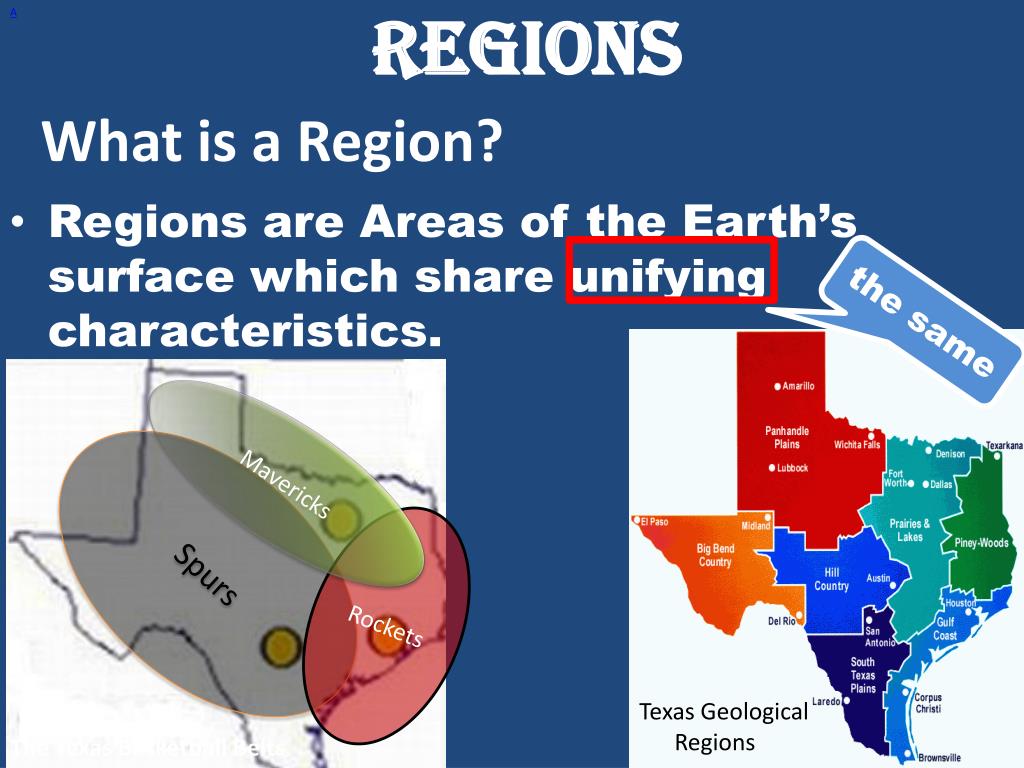
The definition of a “region” is a dynamic and adaptable concept. It is not a static geographical entity but rather a framework for understanding interconnectedness, shared characteristics, and functional relationships. Whether we are discussing the localized features of a new app, the cultural resonance of a brand campaign, or the economic viability of an investment, the concept of region plays a pivotal role.
In the realm of Tech, regions dictate localization efforts, shape digital security protocols, and drive the need for distributed infrastructure. In Brand, regions are crucial for cultural understanding, market segmentation, and nuanced reputation management. And in Money, regions define cost of living, investment opportunities, and the strategic considerations of business expansion.
As technology advances, globalization continues to evolve, and economies shift, our understanding and application of the “region” will undoubtedly continue to expand and adapt. What remains constant is its fundamental utility: a tool for organizing complexity, identifying patterns, and making informed decisions in an increasingly interconnected world. By recognizing the diverse and often overlapping definitions of region, we can navigate these complex landscapes with greater clarity and success.
aViewFromTheCave is a participant in the Amazon Services LLC Associates Program, an affiliate advertising program designed to provide a means for sites to earn advertising fees by advertising and linking to Amazon.com. Amazon, the Amazon logo, AmazonSupply, and the AmazonSupply logo are trademarks of Amazon.com, Inc. or its affiliates. As an Amazon Associate we earn affiliate commissions from qualifying purchases.