
Gaslighting is a term that has become increasingly prevalent in everyday conversation, often used to describe manipulative behaviors. But what exactly does it mean to gaslight someone? Understanding the definition of gaslighter and the tactics they employ is crucial for recognizing and protecting yourself from this insidious form of psychological manipulation. While often associated with personal relationships, the principles of gaslighting can also manifest in professional settings, impacting team dynamics, brand perception, and even financial decisions.
This article delves into the definition of gaslighting, exploring its origins, common tactics, and the subtle ways it can infiltrate various aspects of our lives, from our personal finances to our professional brands and the technology we use daily.

The Roots of Gaslighting: A Psychological Phenomenon
The term “gaslighting” originates from the 1938 play Gas Light and its subsequent film adaptations, where a husband manipulates his wife into believing she is going insane by subtly altering her environment and then denying these changes. He dims the gas lights in their home and, when she notices, insists she is imagining it. This classic example encapsulates the core of gaslighting: making someone doubt their own reality, perception, and sanity.
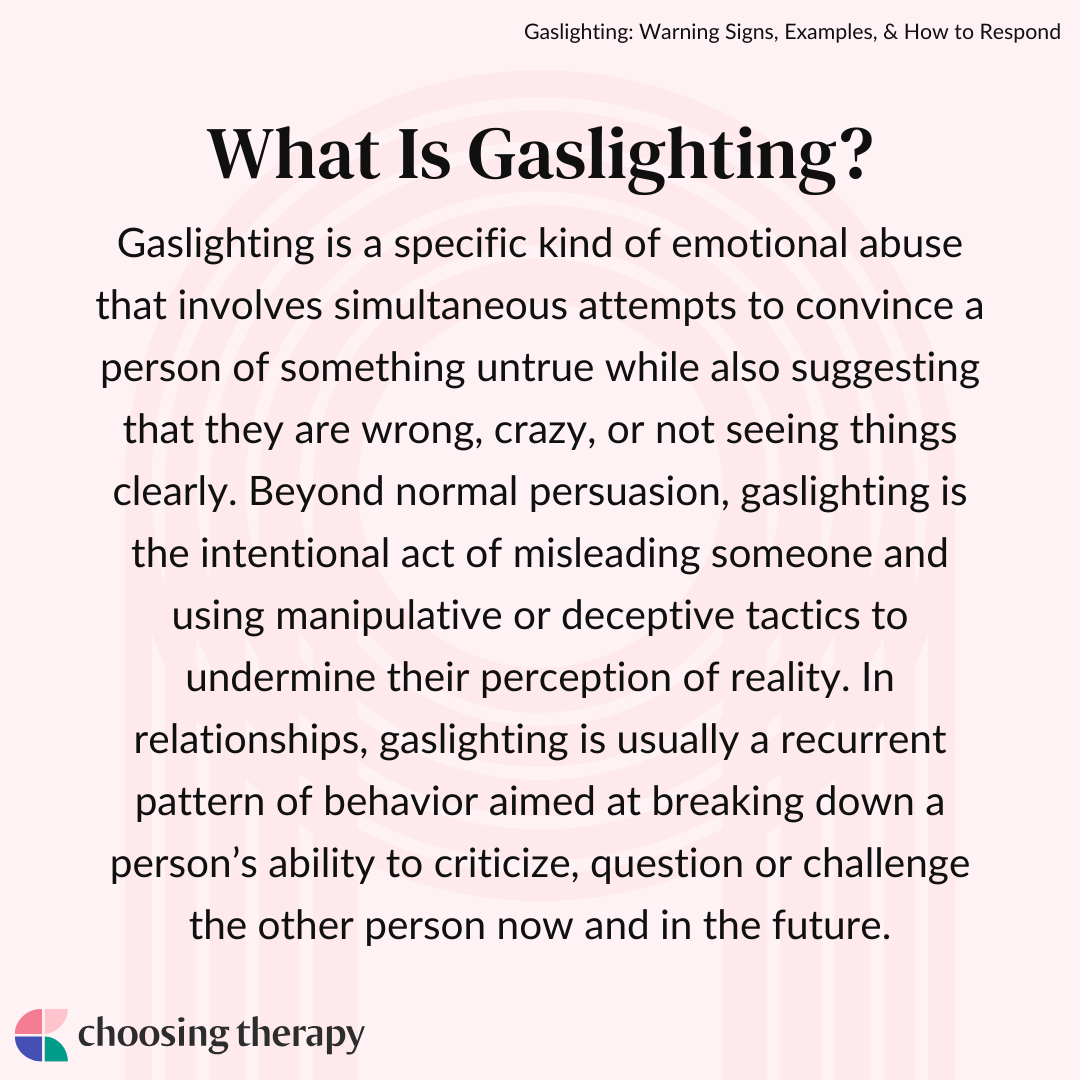
In psychological terms, gaslighting is a form of emotional abuse where a perpetrator systematically manipulates a victim into questioning their own memory, perception, and sanity. The goal is to gain power and control over the victim by eroding their self-trust and making them dependent on the abuser’s version of reality. It’s a slow, insidious process that can leave the victim feeling confused, anxious, and isolated.
Key Characteristics of Gaslighting Behavior
At its core, gaslighting is about deception and control. A gaslighter’s actions are deliberate and designed to destabilize the victim. Some key characteristics include:
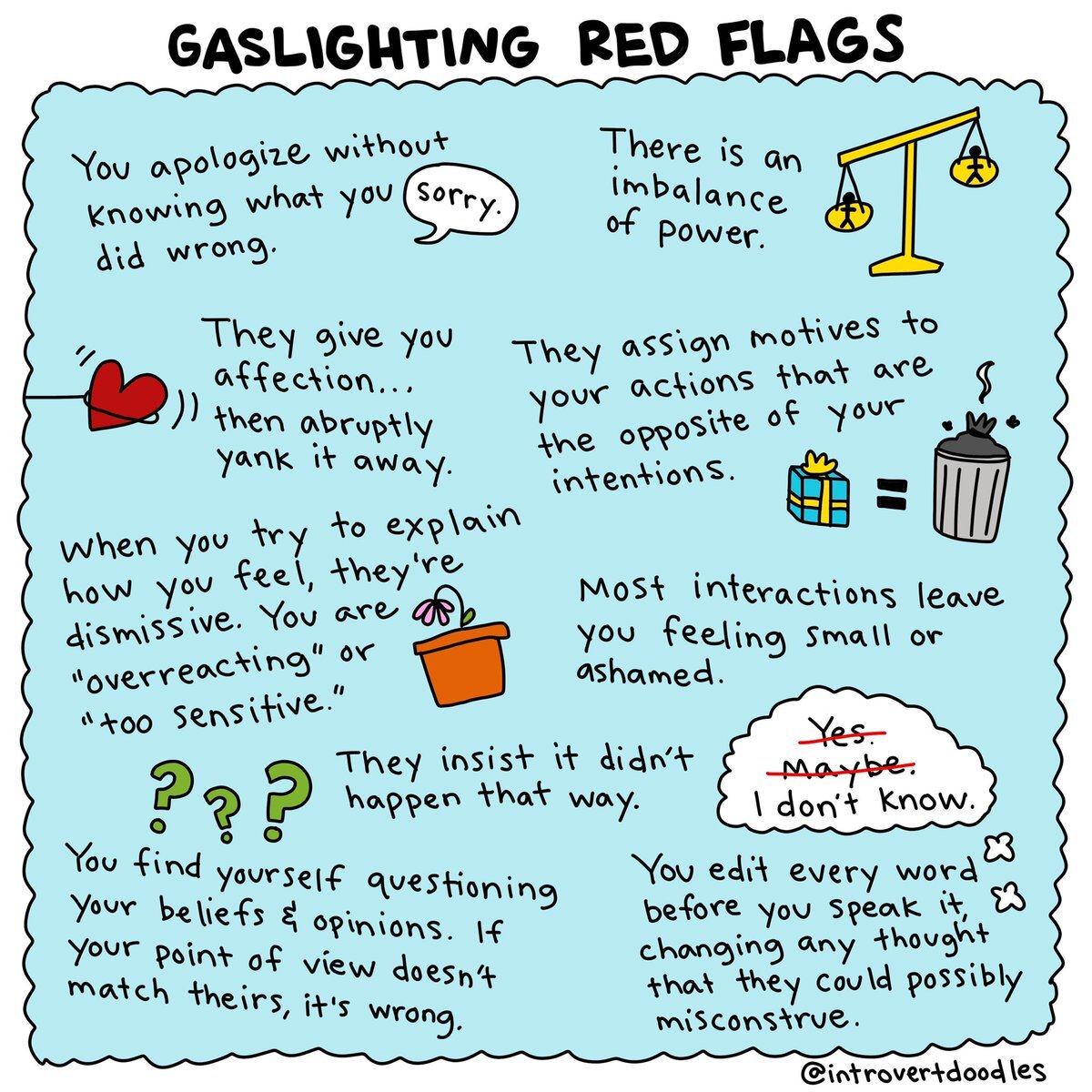
- Denial and Contradiction: The gaslighter will outright deny things they have said or done, even when presented with evidence. They might say, “I never said that,” or “That didn’t happen.”
- Trivializing Feelings: They dismiss the victim’s emotions as overreactions or being too sensitive. Phrases like, “You’re being dramatic,” or “You’re making a big deal out of nothing,” are common.
- Withholding Information: The gaslighter may pretend not to understand or refuse to listen, creating a sense of confusion and isolation for the victim.
- Countering and Diverting: They question the victim’s memory and try to shift blame. “You’re remembering it wrong,” or “You’re the one who’s always…” are typical responses.
- Discrediting: The gaslighter will spread rumors or tell others that the victim is unstable, unreliable, or “crazy” to undermine their credibility and isolate them.
- Blame Shifting: They rarely take responsibility for their actions and instead blame the victim for their own behavior or the situation.
These tactics, when employed consistently, can have a profound and damaging impact on an individual’s mental and emotional well-being.
Gaslighting in the Digital Age: Technology and Manipulation
The rise of technology has unfortunately provided new avenues for gaslighting. The anonymity and reach of the internet, coupled with the pervasive nature of digital communication, can amplify manipulative behaviors and make them harder to escape.
Digital Tools as Weapons of Gaslighting
From social media to private messaging apps, technology can be used to distort reality and sow doubt.
- Manipulating Online Evidence: A gaslighter might edit screenshots, delete messages, or create fake online profiles to make it appear as though the victim is lying or mistaken. They can present fabricated “proof” to support their distorted narrative.
- Social Media Sabotage: In professional contexts, this could involve spreading negative rumors about a colleague’s performance online, manipulating their professional network, or even creating fake accounts to leave damaging reviews about a business or individual’s personal brand. This directly impacts reputation and credibility.
- Digital Footprint Erasure: A gaslighter might intentionally erase shared digital communication or files, making it difficult for the victim to recall or prove events, further eroding their sense of reality.
- “Ghosting” and Selective Communication: While not always malicious, the sudden cessation of communication or selective engagement online can be used to confuse and manipulate. For example, a business partner might suddenly go dark on essential project updates, only to resurface with a revised plan and claim miscommunication on the other party’s part. This can impact project timelines and financial projections.
- Algorithmic Manipulation (Hypothetical/Emerging): While more speculative, one can imagine future AI tools being leveraged to subtly tailor information feeds or search results to reinforce a gaslighter’s narrative, making it appear as though the external world supports their distorted reality. This could involve manipulating online reviews for products or services, or subtly influencing information presented about a competitor.
The digital realm, with its speed and often ephemeral nature, can make it particularly challenging to gather concrete evidence of gaslighting. This is where understanding the patterns of behavior becomes paramount.
Gaslighting in Branding and Reputation Management
The principles of gaslighting can extend beyond personal relationships and significantly impact the realm of branding and corporate identity. A company or an individual striving to build a strong brand can become a victim, or unfortunately, a perpetrator, of gaslighting tactics.
Undermining Brands and Reputations
When a brand is the target of gaslighting, it can lead to severe damage to its reputation and market standing.
- False Accusations and Smear Campaigns: Competitors or disgruntled individuals might spread false information about a company’s products, services, or ethical practices. They may deny legitimate customer testimonials or create fake negative reviews to make customers doubt their positive experiences. For instance, a competitor might relentlessly push a narrative that a popular app is rife with security flaws, even when no evidence exists, making users question their trust in the app’s digital security.
- Denying Product Failures: If a product or service has a genuine issue, a company that employs gaslighting tactics might deny the problem, blame user error, or minimize its impact, leading to customer frustration and a loss of faith in the brand’s reliability. This can be particularly damaging in the tech sector where early adopters are vocal.
- Manipulating Brand Perception: Through strategic marketing and public relations, a company could attempt to gaslight consumers into believing a product is superior or an ethical issue is non-existent, despite contradictory evidence. This could involve selectively presenting market research or downplaying negative press.
- Internal Gaslighting: Within an organization, management might gaslight employees about company performance, job security, or the validity of their concerns, creating a toxic work environment and eroding morale. This can directly impact productivity and innovation.
Protecting a brand from gaslighting requires robust communication strategies, transparent operations, and a commitment to addressing legitimate concerns head-on. Building a strong, authentic brand identity acts as a shield against such manipulation.
Financial Gaslighting: Eroding Trust and Stability
Financial matters are often a sensitive area, and gaslighting can manifest here in particularly destructive ways, impacting personal finance, investing, and business finance.
The Subtle Art of Financial Manipulation
Financial gaslighting involves making someone doubt their own understanding of finances, their financial decisions, or the financial reality of a situation.
- Controlling Information and Access: A partner might hide financial statements, make unilateral spending decisions, and then deny any responsibility, making the other person feel out of control and incompetent. This can extend to business finance, where one partner might manipulate budget reports or misrepresent financial data.
- Minimizing Financial Concerns: If one individual expresses concern about spending habits or debt, the gaslighter might dismiss their worries as anxiety or a lack of understanding, preventing any constructive discussion.
- Blaming for Financial Shortfalls: Instead of taking responsibility for poor financial management, the gaslighter will blame the victim for not earning enough, for being too frugal, or for causing them to overspend.
- Manipulating Investment Advice: In more complex scenarios, someone could be subtly manipulated into making poor investment decisions by downplaying risks or exaggerating returns, then later denying they ever gave such advice, leaving the victim with financial losses and self-doubt. This is particularly relevant in the context of online income streams and side hustles, where trust in advice is paramount.
- Creating Financial Dependency: By controlling financial resources and making the victim doubt their ability to manage money, the gaslighter fosters a sense of dependency, making it harder for the victim to leave a controlling relationship or situation.
Recognizing financial gaslighting requires a clear understanding of personal finances, open communication about money, and a willingness to seek external financial advice if necessary. Trusting your own financial instincts and seeking objective advice are key defenses.
Protecting Yourself from Gaslighting
Understanding the definition of gaslighter and their tactics is the first step towards protection. The more aware you are of these manipulative behaviors, the better equipped you will be to identify and counter them.
Strategies for Defense and Recovery
- Trust Your Gut: If something feels off, it probably is. Don’t dismiss your intuition, even if the gaslighter tries to convince you otherwise.
- Keep Records: Document conversations, agreements, and events. This provides tangible evidence to counteract denials and distortions. This is especially important when dealing with digital communication or financial transactions.
- Seek External Validation: Talk to trusted friends, family, or a therapist about your experiences. An outside perspective can help you see the situation more clearly and confirm that you are not imagining things.
- Set Boundaries: Clearly define what behavior is acceptable and what is not. Be firm in enforcing these boundaries, even if it leads to conflict.
- Educate Yourself: Continuously learn about gaslighting and other forms of manipulation. Knowledge is power.
- Focus on Facts: When confronted with gaslighting, try to stick to factual statements and evidence, rather than getting drawn into emotional arguments.
- Limit Contact (If Possible): In severe cases, reducing or eliminating contact with the gaslighter may be the healthiest option for your mental well-being.
Gaslighting is a powerful tool of manipulation that can chip away at your self-esteem and sense of reality. By understanding its definition, recognizing its various manifestations across personal relationships, technology, branding, and finances, and actively employing protective strategies, you can safeguard yourself from its damaging effects and reclaim your confidence and autonomy.
aViewFromTheCave is a participant in the Amazon Services LLC Associates Program, an affiliate advertising program designed to provide a means for sites to earn advertising fees by advertising and linking to Amazon.com. Amazon, the Amazon logo, AmazonSupply, and the AmazonSupply logo are trademarks of Amazon.com, Inc. or its affiliates. As an Amazon Associate we earn affiliate commissions from qualifying purchases.