
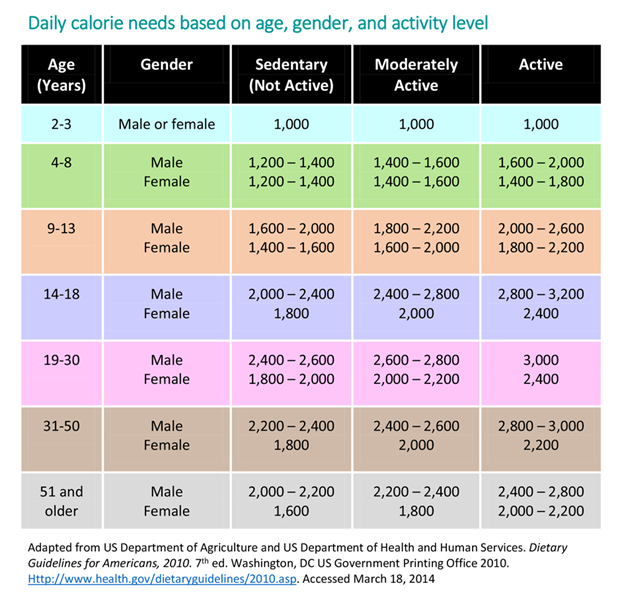
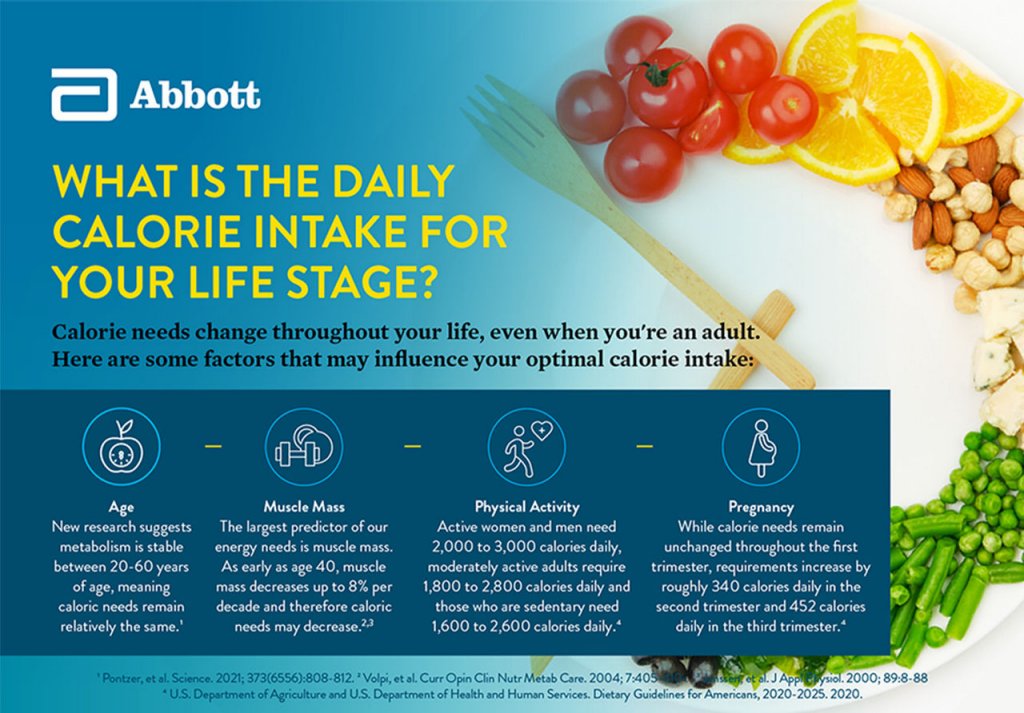
Understanding one’s daily calorie intake is a cornerstone of health management, influencing everything from weight loss and muscle gain to energy levels and overall well-being. Historically, determining this crucial metric involved guesswork, generic charts, or tedious manual calculations. Today, however, the landscape has been utterly transformed by technology. We are no longer limited to abstract averages; instead, a vast ecosystem of digital tools, AI-powered platforms, and integrated devices has emerged, enabling unprecedented accuracy, personalization, and actionable insights into our energy balance. This article delves into how technology has revolutionized the way we comprehend, track, and optimize our daily calorie intake, moving it from a theoretical concept to a precise, personalized science.
The Evolution of Calorie Tracking: From Manual Logs to Digital Ecosystems
The journey of calorie tracking mirrors the broader digital revolution, evolving from rudimentary methods to highly sophisticated, interconnected systems. This progression highlights our increasing reliance on technology to manage complex health data.
Early Digital Tools & Spreadsheets
Before the advent of widespread internet access and mobile computing, the initial foray into digital calorie tracking often involved personal computer programs or simple spreadsheet applications. Individuals would manually input food items and their estimated calorie counts, often gleaned from static databases or food packaging. While a step up from paper diaries, these tools were limited. They lacked real-time updates, offered minimal analytical capabilities, and required significant user effort, leading to high dropout rates. The information was static, and the data entry cumbersome, making comprehensive, long-term tracking a challenge for most.
Rise of Mobile Apps and Databases
The smartphone era ushered in a paradigm shift. Mobile applications like MyFitnessPal, LoseIt!, and Cronometer revolutionized calorie tracking by putting powerful tools directly into users’ pockets. These apps boast extensive, constantly updated food databases, often covering millions of items, including restaurant meals and brand-specific products. Features like barcode scanning simplified food logging, drastically reducing the time and effort required. Users could easily set calorie goals, track macronutrient breakdowns (protein, carbohydrates, fats), and monitor progress through intuitive dashboards. The convenience and accessibility of these apps democratized calorie tracking, making it a viable practice for millions seeking to manage their weight or improve their diet.
Wearable Integration: The Seamless Data Stream
The next significant leap came with the proliferation of wearable technology. Fitness trackers from brands like Fitbit, Apple, Garmin, and Samsung moved beyond simple step counting to incorporate sophisticated sensors that estimate calorie expenditure based on activity levels, heart rate, and even sleep patterns. The crucial innovation was the ability of these wearables to seamlessly synchronize data with nutrition tracking apps. This integration created a holistic view of energy balance: calories consumed from food apps automatically balanced against estimated calories burned from wearable devices. This automated data flow reduced manual input errors and provided users with a more accurate, real-time understanding of their net caloric status, thereby enhancing the precision of their daily calorie intake management.
AI and Advanced Analytics: Towards Hyper-Personalized Nutrition
While mobile apps and wearables provided the foundation, Artificial Intelligence (AI) and advanced analytics are now propelling calorie management into an era of hyper-personalization, moving beyond generalized recommendations to truly individual insights.
Predictive Calorie Needs & Adaptive Goals
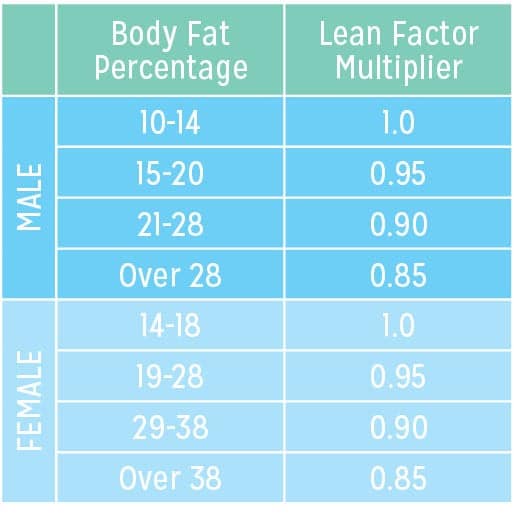
Traditional calorie calculators often rely on static formulas like Basal Metabolic Rate (BMR) and Total Daily Energy Expenditure (TDEE), which provide a decent starting point but don’t account for individual metabolic variations or real-time changes. AI-powered platforms, however, analyze vast amounts of user data, including historical food intake, activity levels, weight fluctuations, and even sleep patterns. Through machine learning algorithms, these tools can predict an individual’s unique metabolic response to food and exercise. This allows for dynamic calorie targets that adapt based on progress, plateauing, and changes in lifestyle or fitness goals, making calorie recommendations far more precise and responsive than ever before.
AI-Powered Food Recognition and Logging
One of the biggest hurdles in consistent calorie tracking is the effort involved in logging food. AI is directly addressing this with innovative solutions. Image recognition technology, seen in apps like SnapCalorie or some features within major tracking apps, allows users to simply snap a photo of their meal, and the AI attempts to identify the food items and estimate portion sizes. Similarly, Natural Language Processing (NLP) enables voice-based logging, where users can simply speak what they’ve eaten. These advancements significantly reduce the friction of data entry, making tracking less burdensome and, consequently, improving the accuracy and consistency of reported calorie intake.
Personalized Meal Planning and Recommendations
Beyond just tracking, AI is also transforming proactive nutrition. Leveraging a user’s calorie goals, dietary preferences (e.g., vegetarian, keto), allergies, nutrient deficiencies, and even taste profiles, AI algorithms can generate highly personalized meal plans and recipe suggestions. Some platforms integrate with grocery shopping lists and even link directly to online food delivery services, streamlining the entire process from planning to consumption. This level of personalized guidance, driven by AI, moves individuals closer to optimal nutrition by taking the guesswork out of meal preparation while strictly adhering to their daily calorie targets.
Digital Tools for Optimizing Calorie Quality and Micronutrients
The conversation around daily calorie intake has evolved beyond mere quantity to encompass the quality of those calories and the vital role of micronutrients. Technology is providing sophisticated tools to delve deeper into these crucial aspects.
Beyond Calories: Nutrient Density Tracking
Modern nutrition apps and platforms understand that not all calories are created equal. Many advanced tools go beyond simply tracking total calories and macronutrients (protein, carbs, fats) to include detailed micronutrient analysis. Users can monitor their intake of specific vitamins, minerals (e.g., iron, calcium, vitamin D), and even fiber. This allows individuals to identify potential nutritional gaps in their diet and make informed adjustments, ensuring they are not just meeting their calorie goals but also consuming a nutrient-dense diet. For dieticians and nutritionists, specialized software leverages this detailed data to provide comprehensive analytical reports for clients, pinpointing areas for improvement with scientific precision.
Glucose Monitoring & Calorie Impact
A revolutionary development in personalized nutrition is the integration of Continuous Glucose Monitors (CGMs) with digital food logging. While CGMs were initially for diabetics, their use is expanding to a broader wellness audience. These devices provide real-time data on how different foods (and their associated calories) impact an individual’s blood sugar levels. Tech platforms are emerging that integrate CGM data with food logs, allowing users to see the direct glycemic response to their meals. This insight is invaluable for understanding how specific calorie sources affect energy, mood, and fat storage, offering a highly personalized view of metabolic health beyond simple calorie counting. It’s a key component of the “bio-hacking” trend, empowering individuals to fine-tune their diet based on real-time physiological feedback.
Gamification and Behavioral Nudges
Sustaining healthy habits, including consistent calorie tracking, can be challenging. Technology leverages principles of behavioral psychology through gamification and timely nudges to keep users engaged and motivated. Apps often incorporate features like streaks, badges, points systems, and challenges to reward consistent tracking. Social sharing options allow users to connect with friends, fostering a sense of community and friendly competition. Push notifications serve as gentle reminders for logging meals, hydrating, or getting active, effectively integrating positive habits into daily routines. By making the process more interactive and rewarding, technology helps users stick to their daily calorie intake goals over the long term.
The Future Landscape: Integration, Precision, and Ethical Considerations
The trajectory of technology in calorie management points towards an even more integrated, precise, and ethically mindful future, fundamentally reshaping our approach to nutritional health.
The Integrated Health Ecosystem
The ultimate vision is a seamlessly integrated health ecosystem where all personal health data resides in a unified, accessible platform. Imagine fitness trackers, smart scales, continuous glucose monitors, smart kitchen appliances (like smart ovens or scales), and even smart refrigerators communicating directly with your nutrition platform and electronic health records. This grand integration would provide a truly holistic dashboard of an individual’s health, allowing for predictive analytics that could identify potential health risks or optimize dietary interventions before issues arise. Telemedicine and remote nutrition coaching would be supercharged, with healthcare providers having access to comprehensive, real-time data to offer highly personalized and proactive care.
Ethical AI and Data Privacy
As technology collects increasingly intimate details about our daily calorie intake, activity, and biometric data, crucial ethical questions regarding data privacy and security come to the forefront. Companies must adhere to stringent privacy regulations (like GDPR and HIPAA in healthcare) to protect sensitive personal health information. Furthermore, the development of AI algorithms must be scrutinized for potential biases. An algorithm trained predominantly on data from one demographic might provide suboptimal or even harmful recommendations for another. Ensuring equitable and transparent AI, along with robust data governance, will be paramount in maintaining user trust and preventing potential misuse of this powerful technology.
Augmented Reality & Virtual Nutrition Coaching
Emerging technologies like Augmented Reality (AR) and Virtual Reality (VR) also hold promise for the future of calorie management. AR apps could allow users to point their smartphone camera at a food item in a grocery store or on their plate and instantly see its nutritional information, calorie count, and even potential allergen warnings overlaid on the real world. Virtual reality environments could offer immersive nutrition education, guided mindfulness eating exercises, or even virtual reality coaching sessions, making learning about and adhering to daily calorie intake more engaging and effective than ever before.
Conclusion
The question “what is the daily calorie intake?” has evolved from a simple inquiry into a gateway for unprecedented technological innovation. From early digital spreadsheets to sophisticated AI-powered platforms and integrated wearable devices, technology has fundamentally transformed how we understand, track, and optimize our nutritional health. It has ushered in an era of hyper-personalization, moving beyond generic advice to provide data-driven insights tailored to each individual’s unique physiology and lifestyle. While the future promises even deeper integration and predictive capabilities, navigating the ethical implications of data privacy and AI bias will be crucial. Ultimately, technology empowers individuals with unprecedented control over their nutritional well-being, making the pursuit of optimal health a precise, personalized, and proactive journey.
aViewFromTheCave is a participant in the Amazon Services LLC Associates Program, an affiliate advertising program designed to provide a means for sites to earn advertising fees by advertising and linking to Amazon.com. Amazon, the Amazon logo, AmazonSupply, and the AmazonSupply logo are trademarks of Amazon.com, Inc. or its affiliates. As an Amazon Associate we earn affiliate commissions from qualifying purchases.