
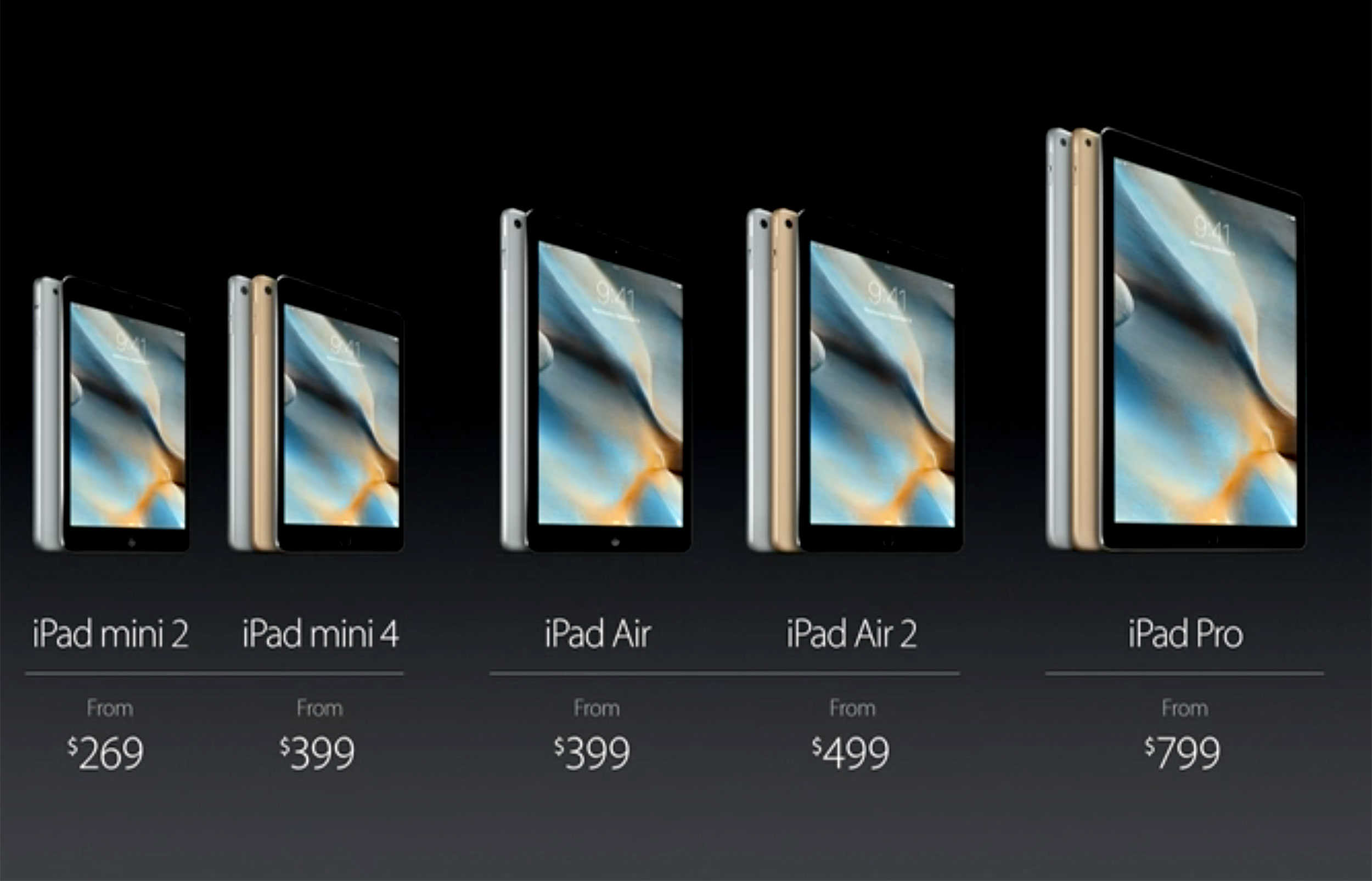
For over a decade, the iPad has undergone a radical transformation from a simple media consumption device into a formidable powerhouse of productivity. When consumers ask, “What is the biggest iPad?” the answer today represents the pinnacle of Apple’s engineering. As of the latest hardware cycles, the title belongs to the iPad Pro 13-inch (M4). While its predecessor occupied the 12.9-inch slot for years, the modern 13-inch iteration signifies more than just a marginal increase in screen real estate; it represents a fundamental shift in how we perceive the boundaries between tablets and traditional computers.
The Titan of the Lineup: Defining the 13-inch iPad Pro (M4)
The journey to the 13-inch form factor has been one of incremental refinement and bold technological leaps. For several generations, the “biggest” iPad was defined by its 12.9-inch Liquid Retina XDR display. However, with the introduction of the M4 silicon, Apple pushed the boundaries further, expanding the canvas to a full 13 inches while simultaneously achieving a feat of industrial design: making it the thinnest product Apple has ever created.
The Engineering Marvel of Tandem OLED
The most significant tech upgrade in the current largest iPad is the “Ultra Retina XDR” display. Unlike previous models that used Mini-LED technology, the 13-inch iPad Pro utilizes a revolutionary Tandem OLED structure. This technology layers two OLED panels on top of one another to achieve a staggering 1,000 nits of full-screen brightness and 1,600 nits of peak HDR brightness. This isn’t just about size; it’s about the quality of every pixel. For tech enthusiasts and professionals, this means perfect blacks, infinite contrast, and a level of color accuracy that was previously reserved for high-end reference monitors.
The Shift from 12.9 to 13 Inches
While a 0.1-inch difference might seem negligible on paper, the transition allowed for a recalibration of the device’s aspect ratio and bezel thickness. The 13-inch model provides a more expansive feel, catering specifically to users who find the 11-inch models cramped for professional workflows. This extra space is crucial for the implementation of iPadOS features like Stage Manager, which allows for overlapping windows and a more desktop-like experience.
Internal Architecture: The M4 Chip and Unprecedented Performance
The “biggest” iPad is also the most powerful. By skipping the M3 generation and jumping straight to the M4 chip, the 13-inch iPad Pro solidified its position as a leader in mobile silicon. This architecture is built on second-generation 3-nanometer technology, offering a massive leap in power efficiency and computational speed.
CPU and GPU Advancements
The M4 chip features a new CPU with up to 10 cores, delivering up to 1.5x faster performance than the previous M2 model. For tech-heavy tasks like 4K video rendering or 3D modeling in apps like Shapr3D, the 13-inch iPad Pro operates with a fluidity that rivals most high-end laptops. The GPU architecture is equally impressive, introducing hardware-accelerated ray tracing and mesh shading to the iPad for the first time. This allows for incredibly realistic lighting and reflections in high-end gaming and professional graphical applications.
The Neural Engine and the AI Frontier
In the current tech landscape, AI capability is a primary metric of a device’s longevity. The M4 includes Apple’s most powerful Neural Engine to date, capable of 38 trillion operations per second. This hardware is specifically designed to accelerate AI-driven tasks, such as isolating subjects from video backgrounds in Final Cut Pro with a single tap or real-time audio notation in Logic Pro. The 13-inch iPad is not just a larger screen; it is a specialized AI workstation.
The Ecosystem of Professional Productivity
Size serves a specific purpose in the Tech category: utility. The 13-inch iPad Pro is positioned as a “Pro” tool, and its hardware is optimized to support an ecosystem of software and accessories that demand a large canvas.
Stage Manager and External Display Support
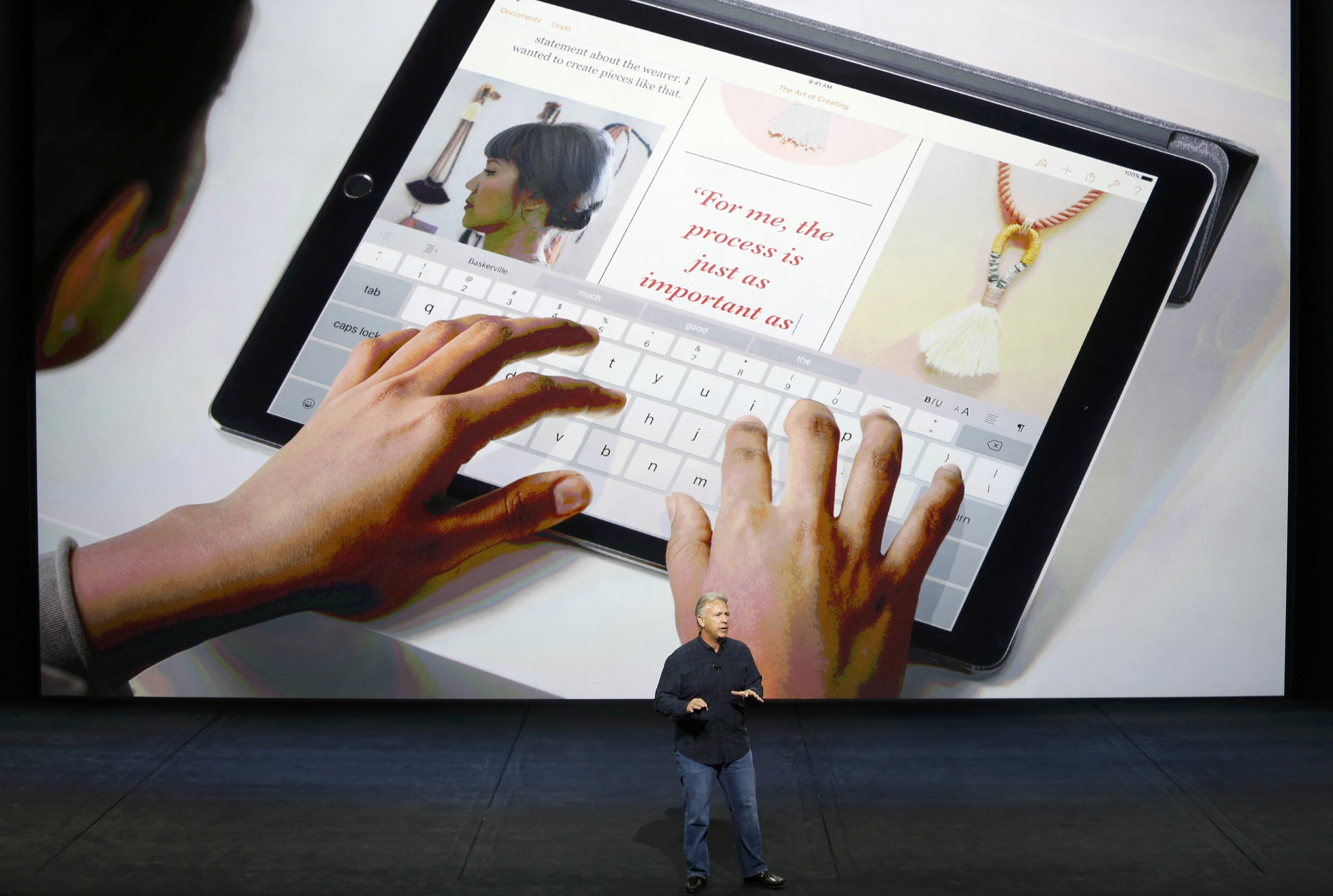
The 13-inch display is the ideal playground for Stage Manager, Apple’s multitasking interface. On smaller iPads, multitasking can feel cluttered, but on the 13-inch model, users can comfortably manage four active apps simultaneously. Furthermore, the USB-C port (with Thunderbolt 3 / USB 4 support) allows the largest iPad to drive external displays at up to 6K resolution. This transforms the tablet from a handheld device into the core of a sophisticated desktop setup.
Software Optimized for the Large Canvas
The existence of the 13-inch iPad has pushed developers to create “desktop-class” applications. Apps like Final Cut Pro for iPad and Logic Pro for iPad are designed specifically with the 13-inch screen in mind. The timeline in a video editing suite or the mixer in a digital audio workstation (DAW) requires the vertical and horizontal space that only the largest iPad can provide. Without this screen real estate, the precision required for professional-grade editing would be significantly compromised.
Design Engineering: The Thinnest and Largest iPad Ever
One of the most striking technical contradictions of the biggest iPad is its physical profile. Despite having the largest screen, the 13-inch M4 iPad Pro is remarkably thin—just 5.1mm. This engineering feat was necessitated by the need to keep a large-format tablet portable.
Structural Integrity and Thermal Management
Creating a device that is both large and thin poses significant challenges in terms of structural rigidity and heat dissipation. Apple addressed this by incorporating a graphite sheet in the housing and using copper in the Apple logo to act as a heat sink. This ensures that the M4 chip can maintain high performance during sustained workloads without “throttling”—a common issue in thin mobile devices.
The New Landscape Camera Orientation
For years, the biggest complaint regarding the iPad Pro was the placement of the front-facing camera. On the 13-inch model, the Ultra Wide 12MP camera has been moved to the landscape edge. This tech shift acknowledges that users of the largest iPad primarily use the device in landscape mode, often attached to a keyboard. It ensures that during video calls, the user’s eye line remains natural, aligning the iPad more closely with the ergonomics of a laptop.
Choosing the Right Scale: Is the Biggest iPad for You?
When evaluating the biggest iPad, it is essential to look beyond the specifications and consider the ergonomic trade-offs. Tech choices are rarely about “more is always better”; they are about finding the right tool for the specific technical demand.
Portability vs. Screen Real Estate
The 13-inch iPad Pro weighs significantly less than its 12.9-inch predecessor, but it still occupies a large footprint in a bag. For users who prioritize “pencil-first” workflows—such as digital illustrators using Procreate—the 13-inch model is the gold standard. It provides enough space for the hand to rest on the screen while drawing, mimicking the feel of an A4 sheet of paper. Conversely, for those who use their iPad primarily for reading on a plane or one-handed browsing, the sheer size of the 13-inch model may be a hindrance.
Accessories: The Magic Keyboard and Apple Pencil Pro
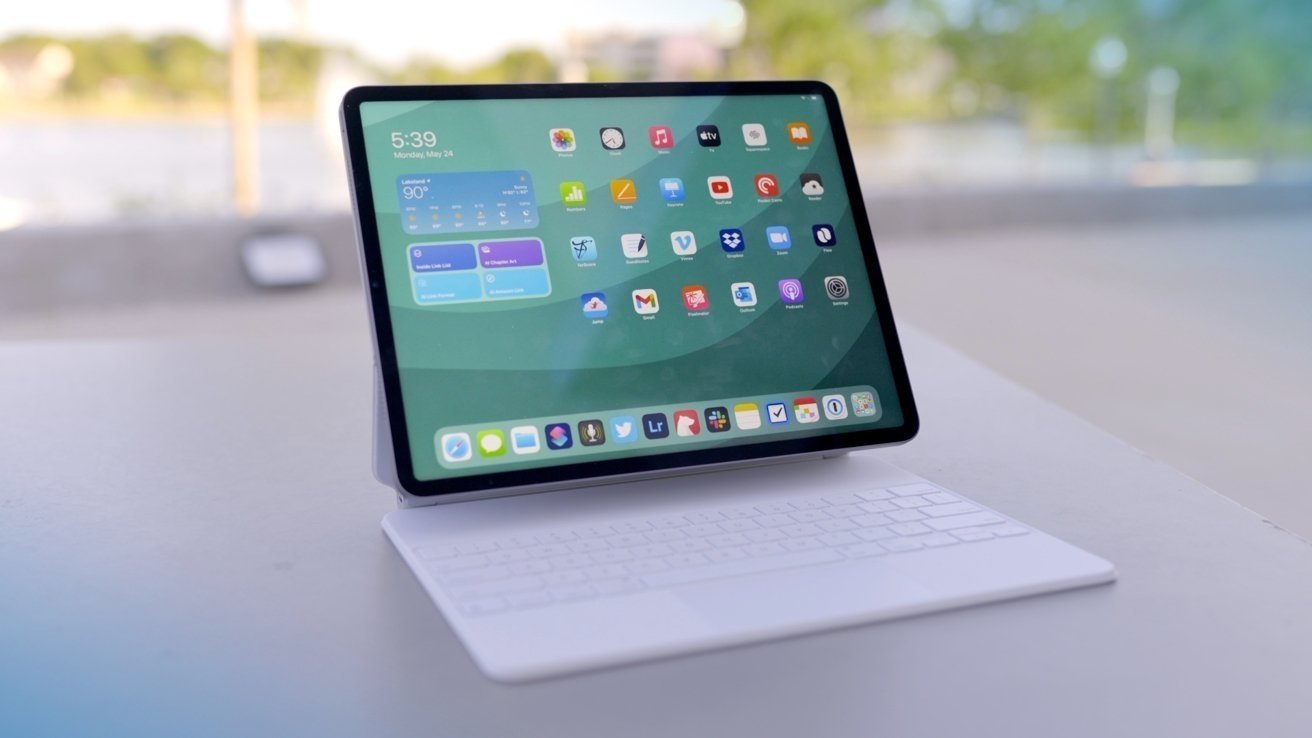
To truly leverage the size of the biggest iPad, accessories are often required. The redesigned Magic Keyboard for the 13-inch model features a larger trackpad with haptic feedback and a dedicated function row. When paired, the setup provides a tactile experience that bridges the gap between iPadOS and macOS. Additionally, the Apple Pencil Pro introduces “squeeze” and “barrel roll” haptics, which are most effectively utilized on the large, 120Hz ProMotion display of the 13-inch Pro.
Conclusion
The “biggest iPad” is currently the 13-inch iPad Pro with the M4 chip. It stands as a testament to how far tablet technology has progressed, moving away from being a “companion device” to a primary computing machine. Through the implementation of Tandem OLED displays, M4 silicon, and a hyper-thin industrial design, Apple has created a device that caters to the highest echelon of tech users. Whether you are a video editor requiring color-accurate HDR monitoring, a developer utilizing AI-enhanced tools, or an artist needing a digital canvas without boundaries, the 13-inch iPad Pro offers a combination of size and power that remains unrivaled in the mobile industry. It is not just the biggest iPad; it is the most capable expression of Apple’s vision for the future of personal computing.
aViewFromTheCave is a participant in the Amazon Services LLC Associates Program, an affiliate advertising program designed to provide a means for sites to earn advertising fees by advertising and linking to Amazon.com. Amazon, the Amazon logo, AmazonSupply, and the AmazonSupply logo are trademarks of Amazon.com, Inc. or its affiliates. As an Amazon Associate we earn affiliate commissions from qualifying purchases.